Intérieur de cour à Ménilmontant. — History & Analysis
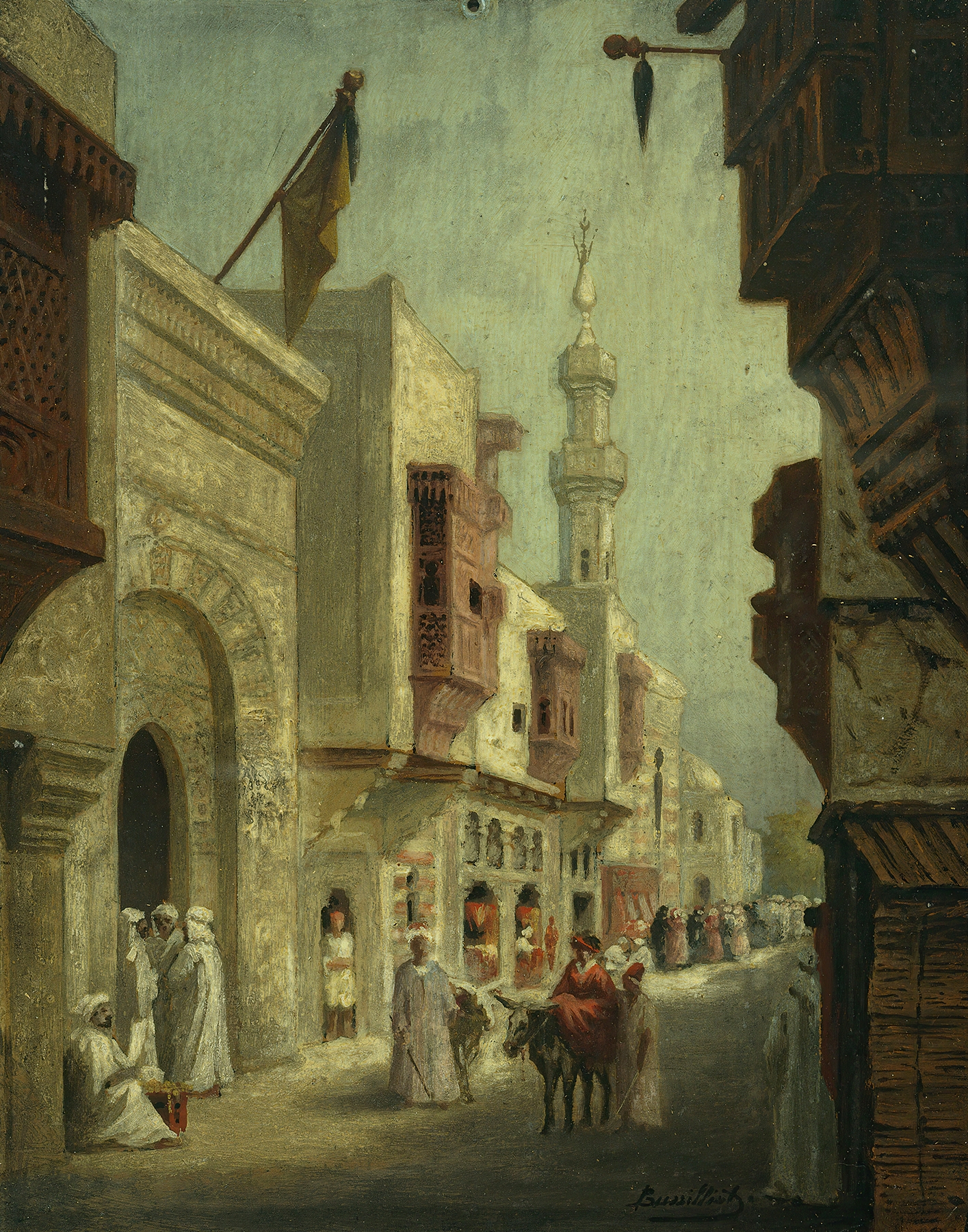
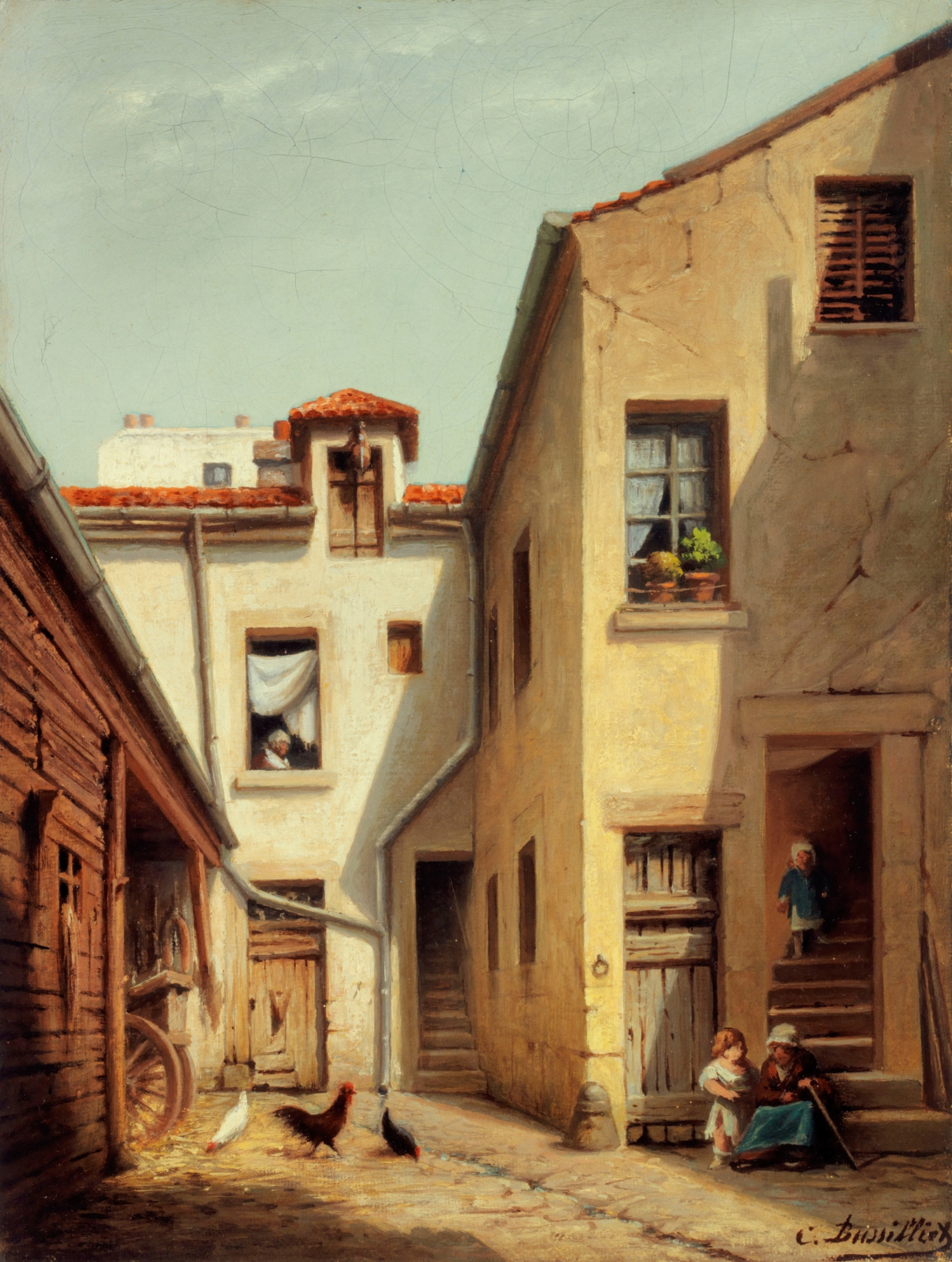
Is this a mirror — or a memory? In Intérieur de cour à Ménilmontant, an invitation into the past unfolds like an old photograph, each detail a testament to the passage of time and the stories it holds. First, look to the left at the worn cobblestones, each stone telling tales of footsteps long gone. The muted palette of earthy browns and soft greys evokes a sense of nostalgia, while the dappled sunlight filtering through the leaves introduces a warm glow, contrasting the cool shadows that linger in the corners. Notice how the composition draws your gaze toward the central courtyard, where an unassuming structure stands, almost a silent witness to the lives lived within its embrace.
Within this tranquil setting lie deeper reflections on urban life and memory. The way light dances upon the walls suggests both the vibrancy of human existence and the inevitability of decay. Tiny details, like the weathered door and the scattered leaves, speak to the contrast between permanence and transience, emphasizing how quickly moments fade yet leave an indelible imprint. It invites contemplation on what was once vibrant and alive, now softened by the encroaching weight of time.
In 1890, C. Bussilliet was immersed in the artistic community of Paris, which was thriving with post-impressionist explorations. The rapid changes in urban life and the push for new artistic expressions shaped his works, including this piece. It reflects not only his personal experiences but also a broader societal shift, capturing the essence of a city evolving yet forever tied to its past.