Lady Louisa Manners — History & Analysis
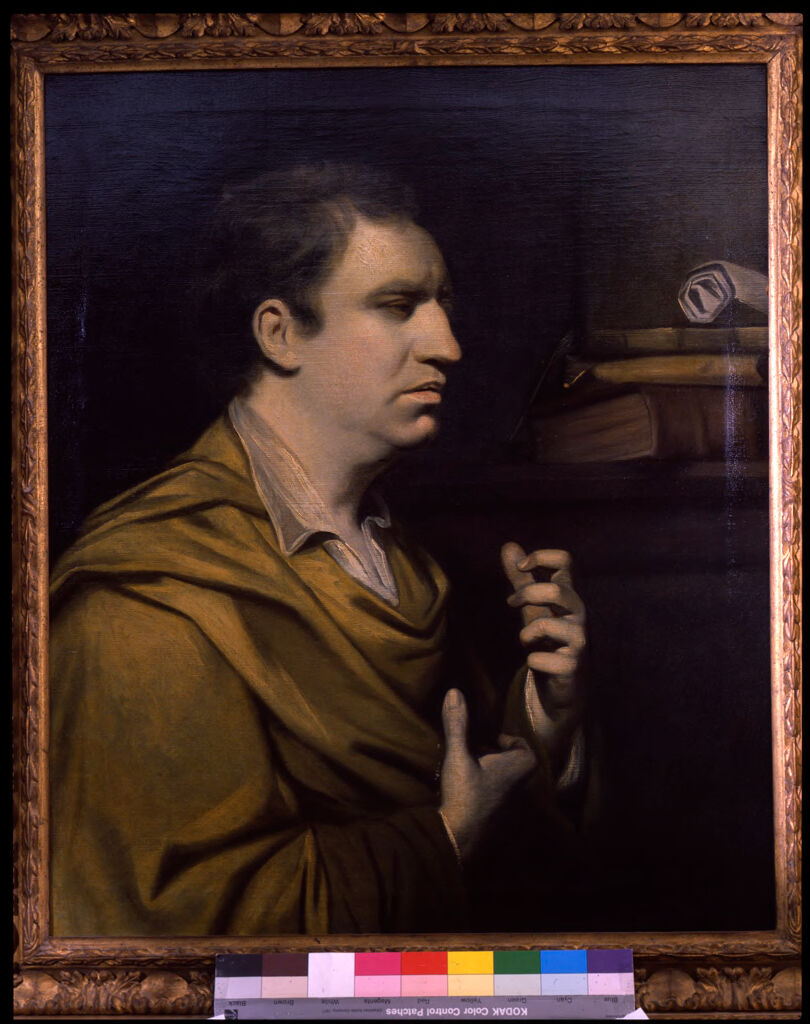
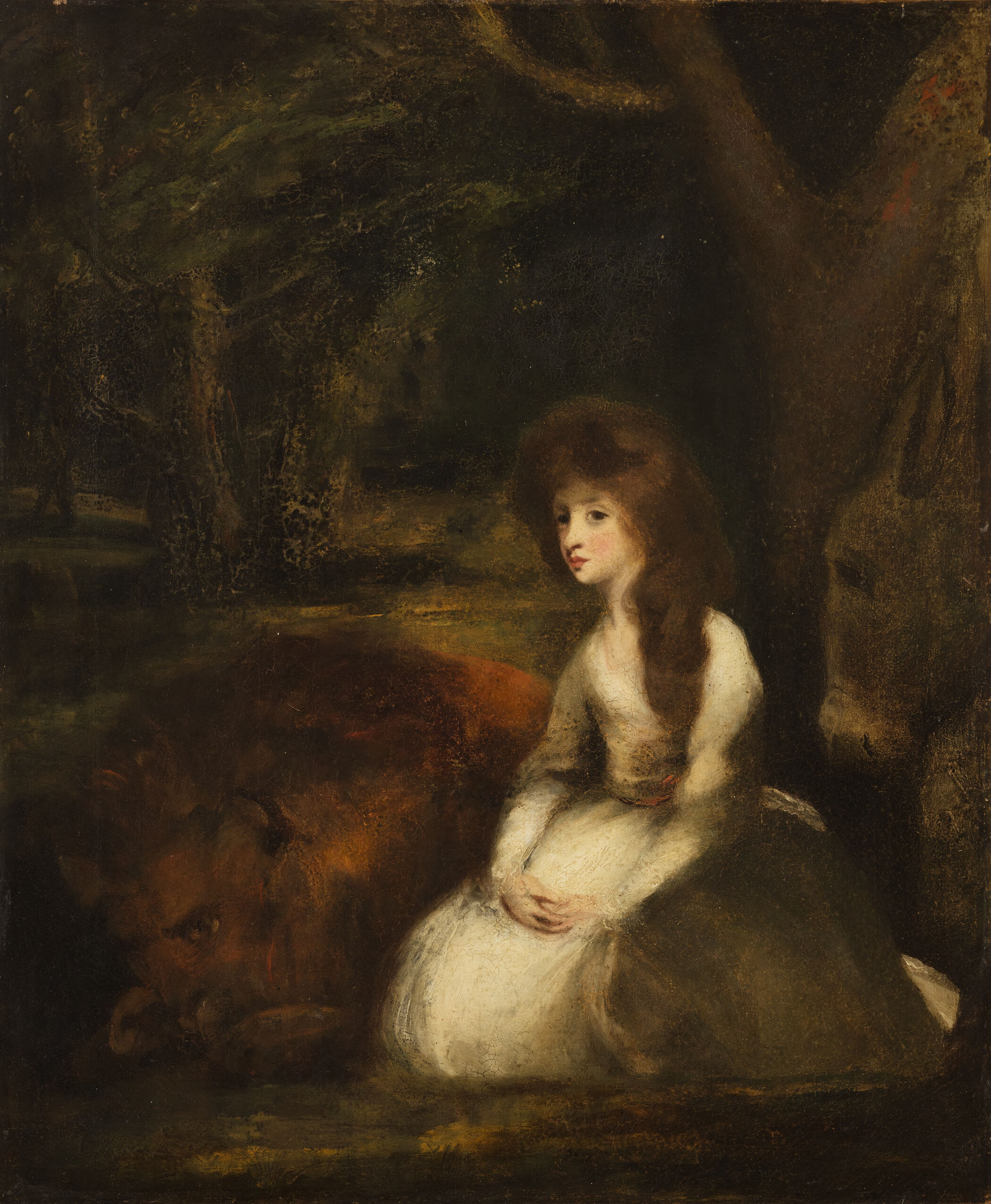
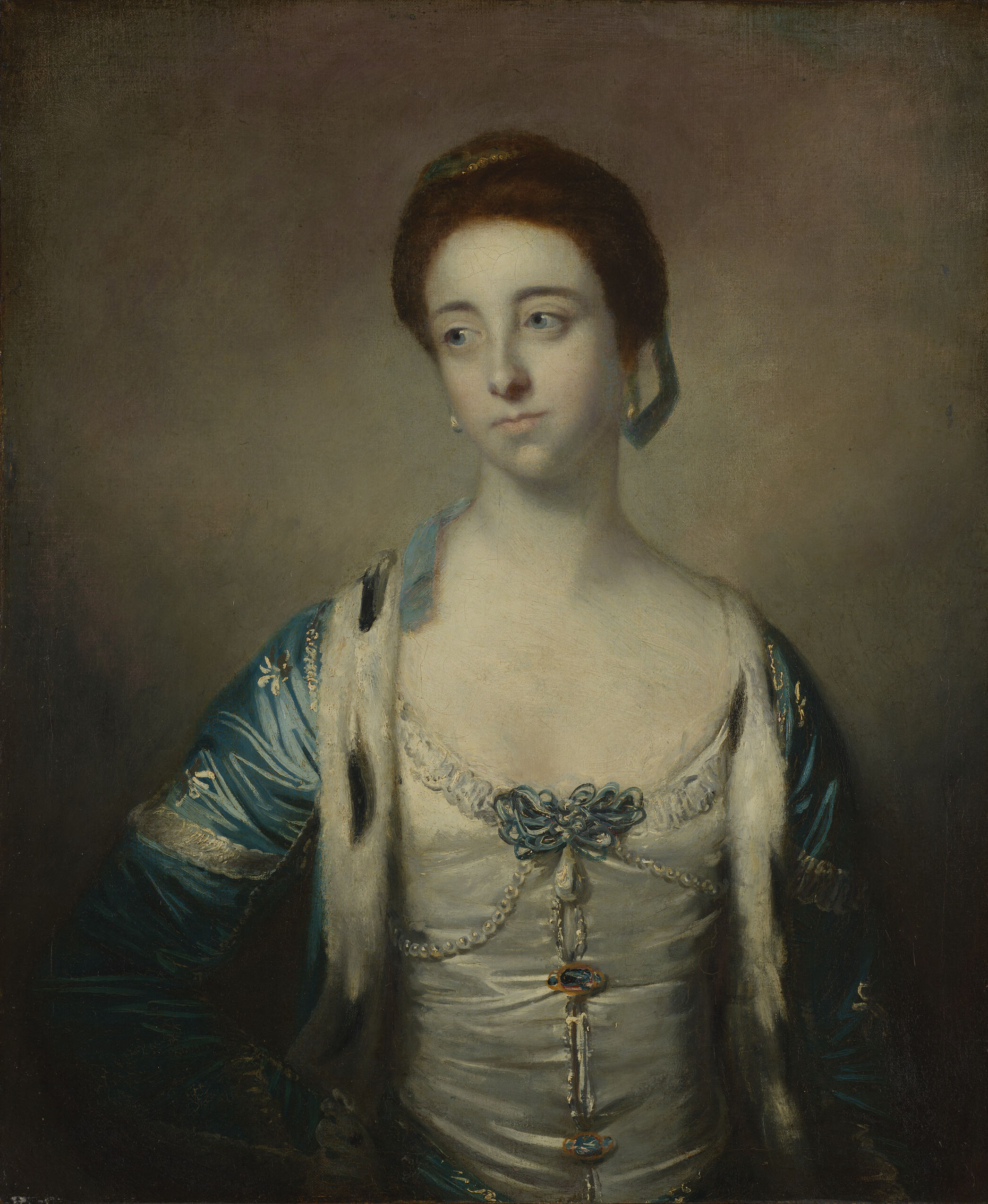
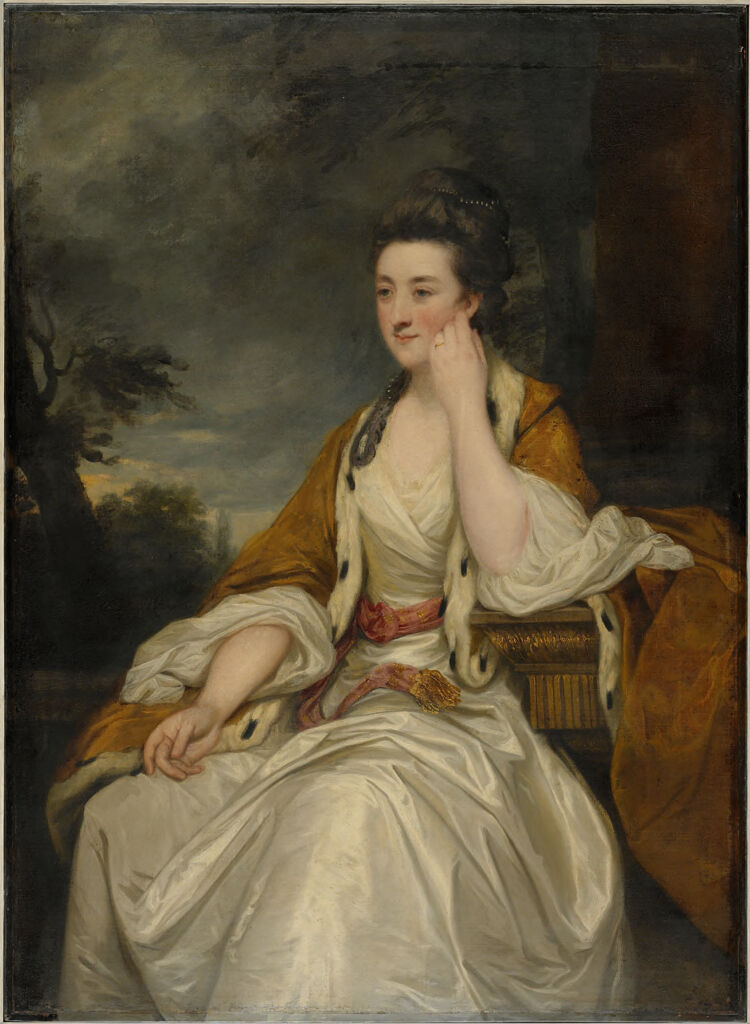
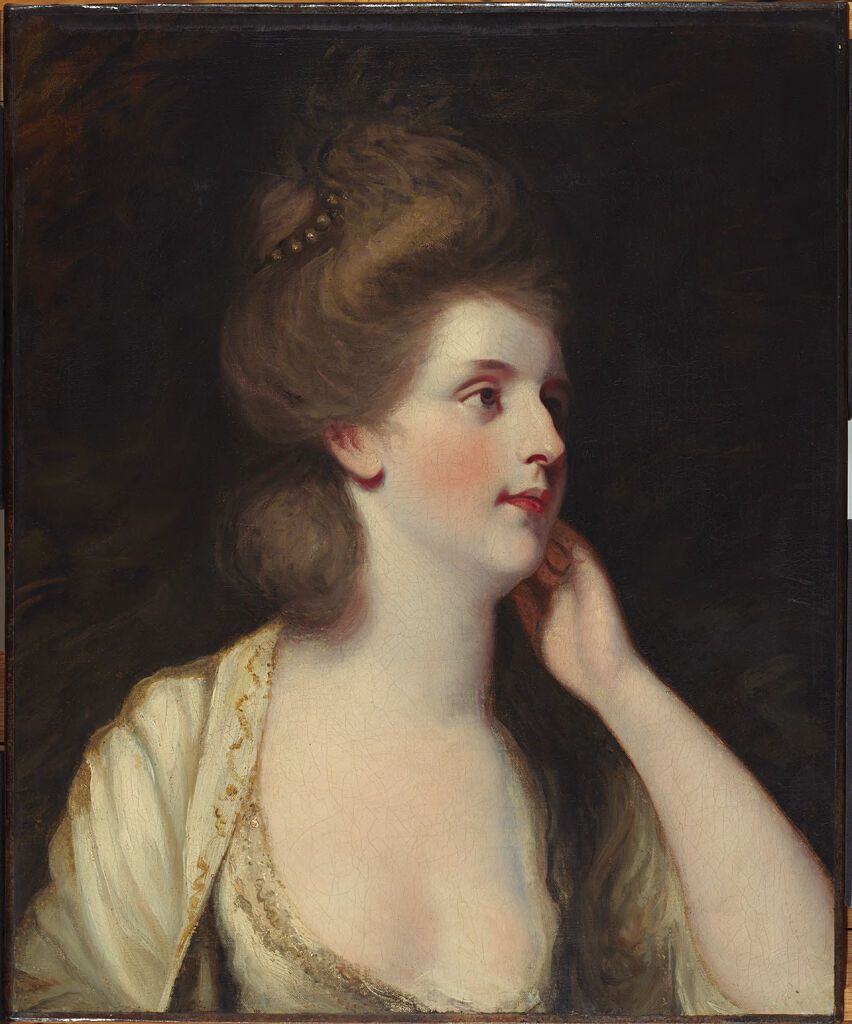
Is this a mirror—or a memory? The gaze of Lady Louisa Manners draws us in, capturing the essence of a moment suspended between reality and the ethereal fabric of destiny. Look to the left at her gentle yet commanding presence, enveloped in a soft, flowing gown that seems to shimmer with an inner light. The artist employs a delicate palette of creamy whites and muted pastels, with rich, contrasting shadows that enhance the depth of her expression.
Notice how the light caresses her face, illuminating her features while casting a subtle halo, creating an intimate connection with the viewer. The flowing drapery of her attire and the regal yet relaxed posture invite contemplation on her inner world. Beneath the surface of this portrait lies an exploration of duality—between the high status she represents and the vulnerability of her gaze. The slight smile hints at confidence, yet the sadness in her eyes whispers of untold stories, perhaps of sacrifice or longing.
The intricate details of the lace and jewelry stand in stark contrast to the softness of her expression, suggesting that beauty and burden often coexist in the lives of women of her stature. Painted after 1780, this work emerged during a transformative period for Sir Joshua Reynolds, who was navigating the complexities of British portraiture while establishing himself as the leading painter of his time. The Enlightenment was in full bloom, and the artist sought to elevate portraiture beyond mere likeness, instead imbuing it with character and narrative depth, reflecting the cultural shifts around him and the rising status of women in society.