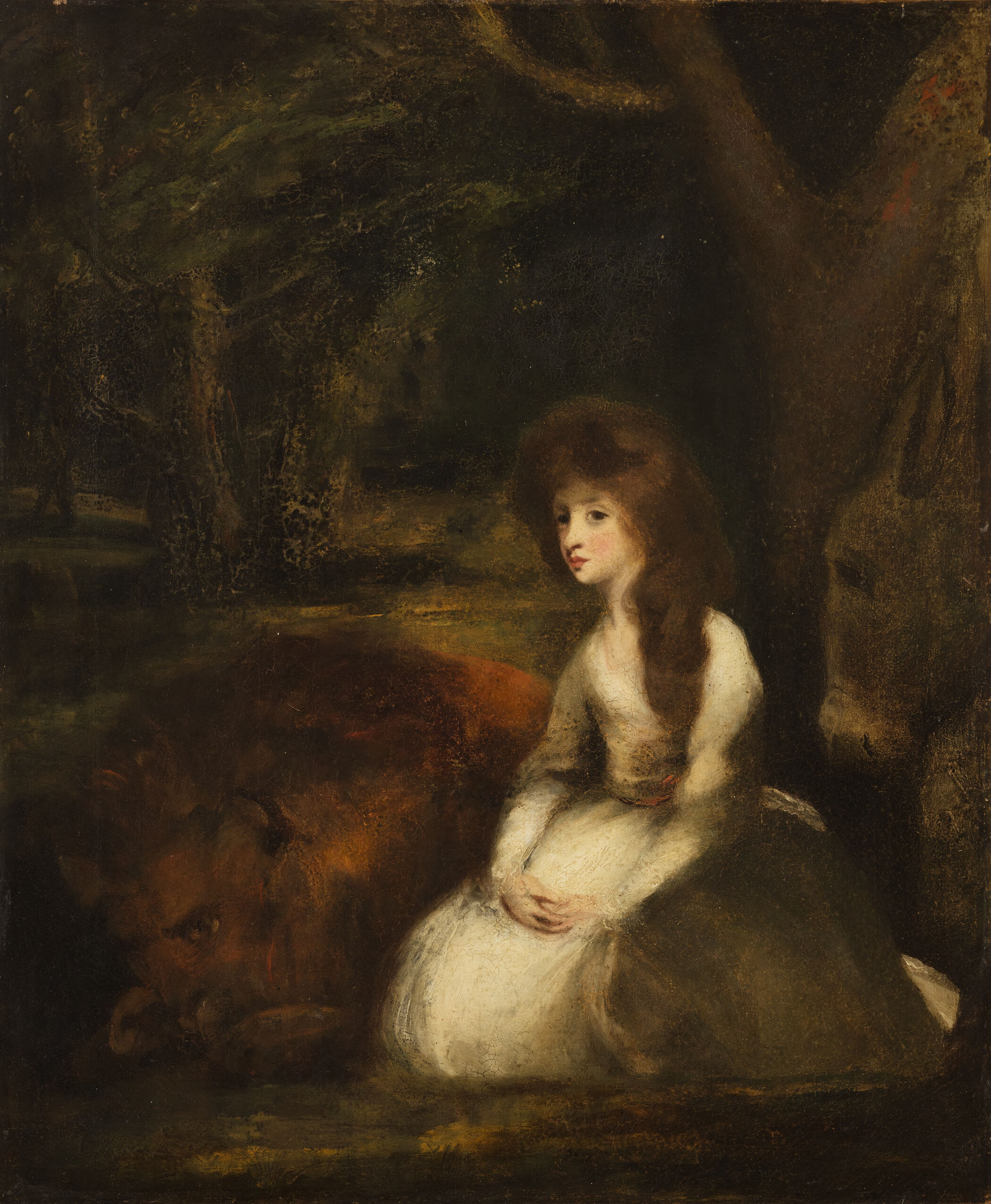
Miss Elizabeth Beauclerc as Una with the Lion — History & Analysis
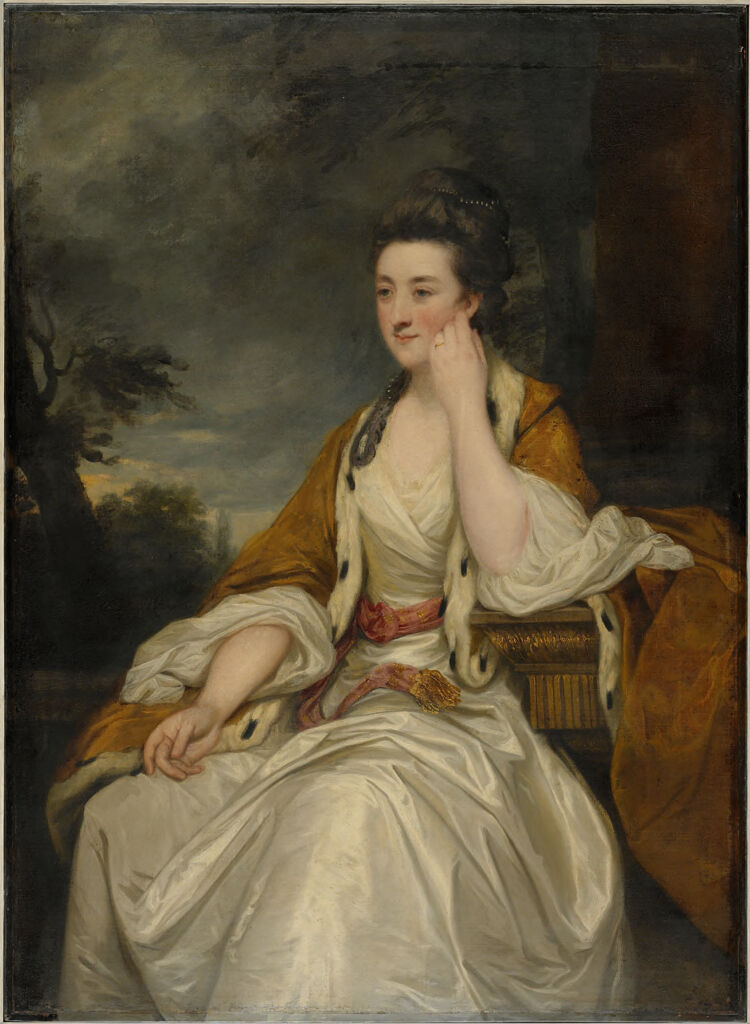
“Sometimes beauty is just pain, disguised in gold.” In Miss Elizabeth Beauclerc as Una with the Lion, the surface glimmers, yet beneath lies a haunting emptiness that invites introspection and reflection. Look to the left at the gentle curve of Elizabeth's figure, adorned in a flowing, ivory gown that cascades like a waterfall against the backdrop of lush greenery. The soft, luminescent light gracefully accentuates her delicate features and the lion’s powerful presence, symbolizing both innocence and strength. The subtle interplay of warm and cool tones enriches the composition, drawing the eye in and inviting a closer inspection of the intricate details, such as the delicate brushstrokes that define her flowing hair and the fierce gaze of the lion beside her.
Yet, beneath this captivating beauty lies a profound sense of isolation. The juxtaposition of her serene expression against the raw power of the lion may reflect the duality of human nature — the desire for companionship coupled with the stark reality of solitude. The empty space surrounding them amplifies their connection, suggesting that even in the presence of strength, a feeling of emptiness persists. This tension envelops the viewer, offering a glimpse into the deeper, often unexpressed emotions that lie within the heart.
In 1777, during a period when the Neoclassical movement was gaining momentum, Reynolds was at the height of his career in London. Known for his portraits and ability to elevate subjects into allegorical figures, he painted this work amid the discussions of beauty, virtue, and the role of women in society. This piece illustrates not only his artistic prowess but also reflects the societal constraints and expectations faced by women like Elizabeth Beauclerc, who embodied both grace and strength within a confining world.