Theophilia Gwatkin — History & Analysis
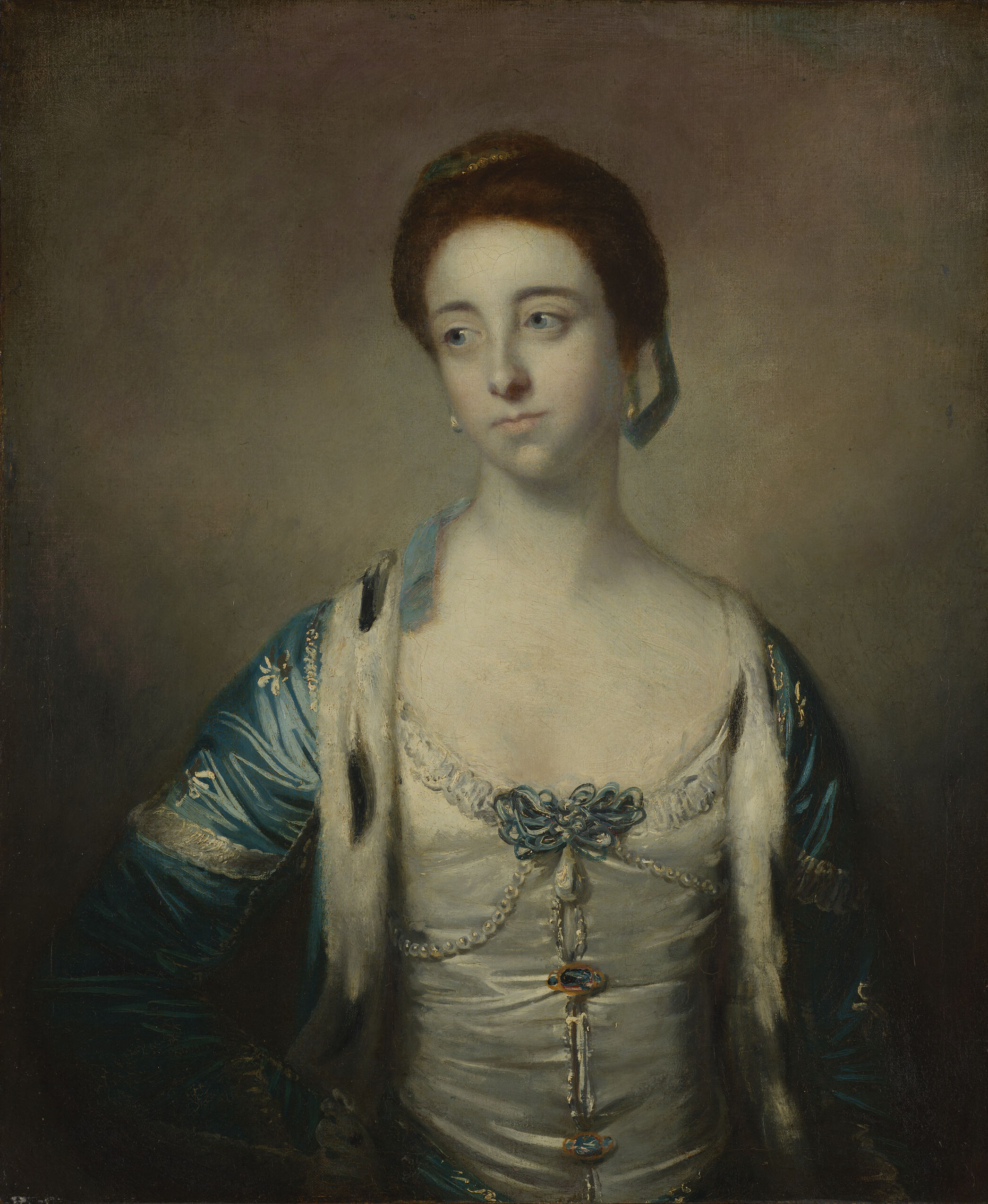
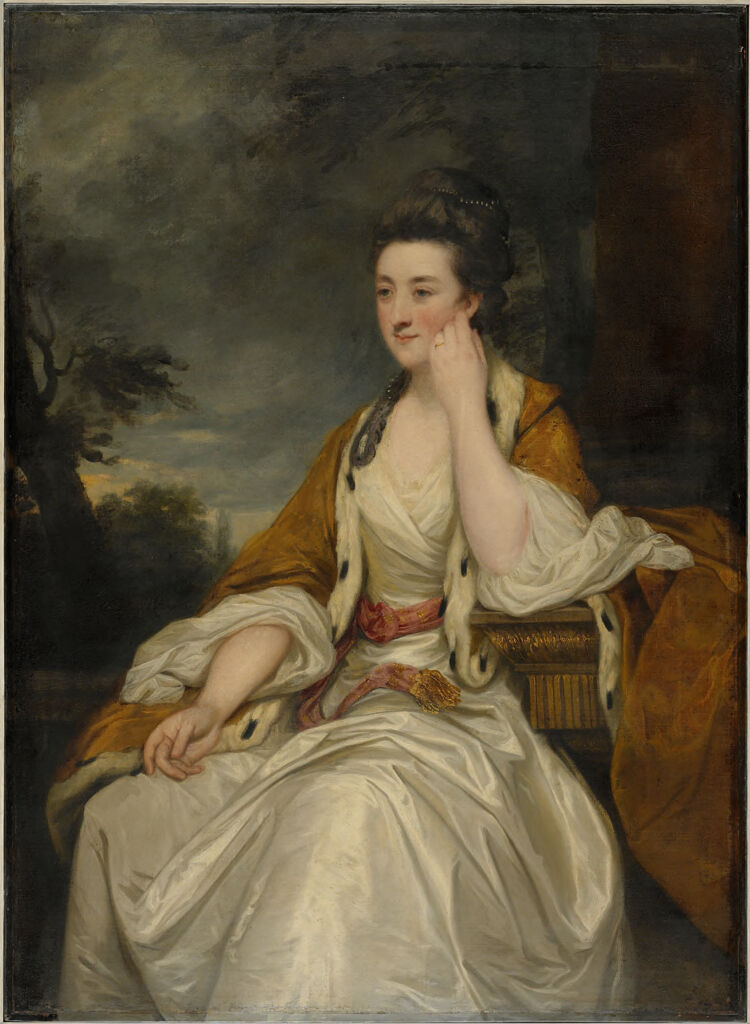
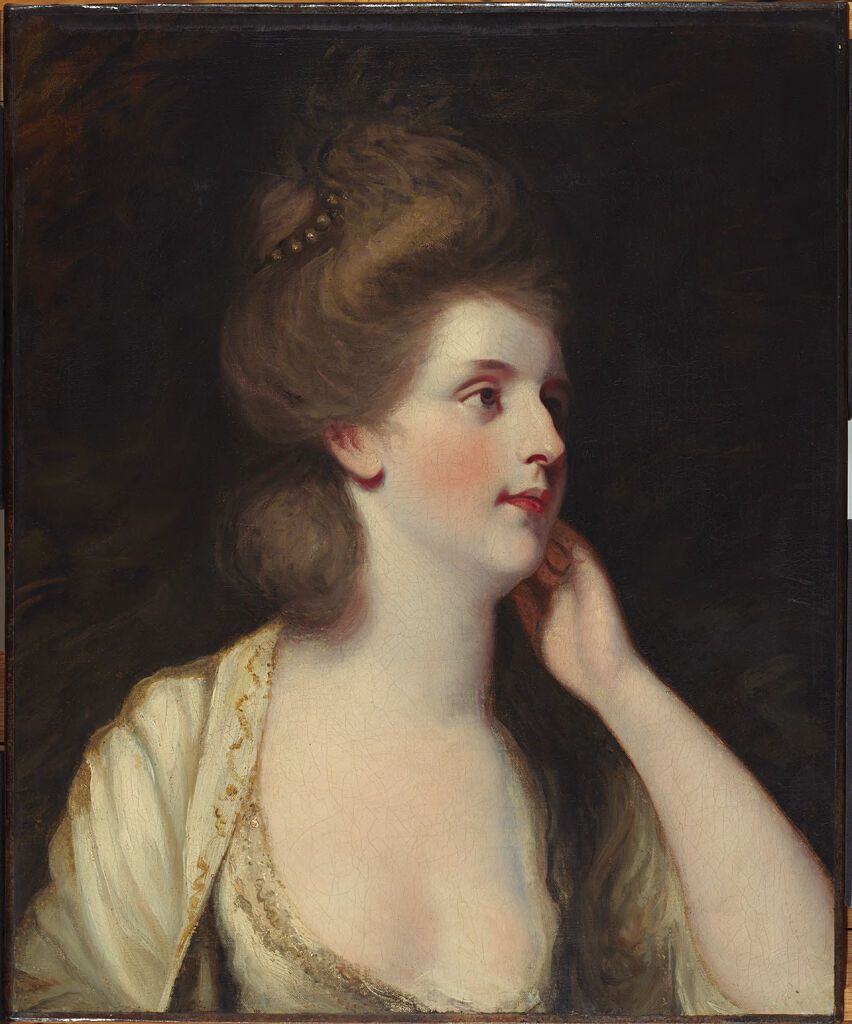
“Between color and silence, truth hides.” In the delicate interplay of light and shadow, a profound reflection emerges. The gaze of the subject beckons us closer, urging an exploration of self beyond mere appearance. Look to the right at the soft glow enveloping the figure's face, a gentle illumination that radiates warmth. Notice how the exquisite drapery of her gown cascades in subtle hues, skillfully rendered to suggest a tactile presence.
The background, a whisper of muted tones, contrasts elegantly with the vibrant life captured in her expression, drawing the viewer’s eye to the complex play of emotion etched onto her features. Each brushstroke reveals not just artistry but intent, inviting contemplation. Within the poised stature lies a tension between societal expectation and personal identity. The slight tilt of her head hints at introspection, suggesting a narrative that transcends the canvas, while her serene expression remains unfaltering in the face of external judgments.
Small details, such as the delicate placement of her hands, communicate both confidence and vulnerability, embodying a struggle for authenticity amidst the demands of her time. Sir Joshua Reynolds painted this portrait between 1776 and 1781, a period marked by his pivotal role in shaping British portraiture. Situated in London, Reynolds was deeply engaged with the artistic discourse of Enlightenment thought, focusing on the power of individual character. This work reflects not only the stylistic innovations of the era but also the complexities of identity, as society began to question the conventions of representation and the deeper truths hidden within.