Lake George — History & Analysis
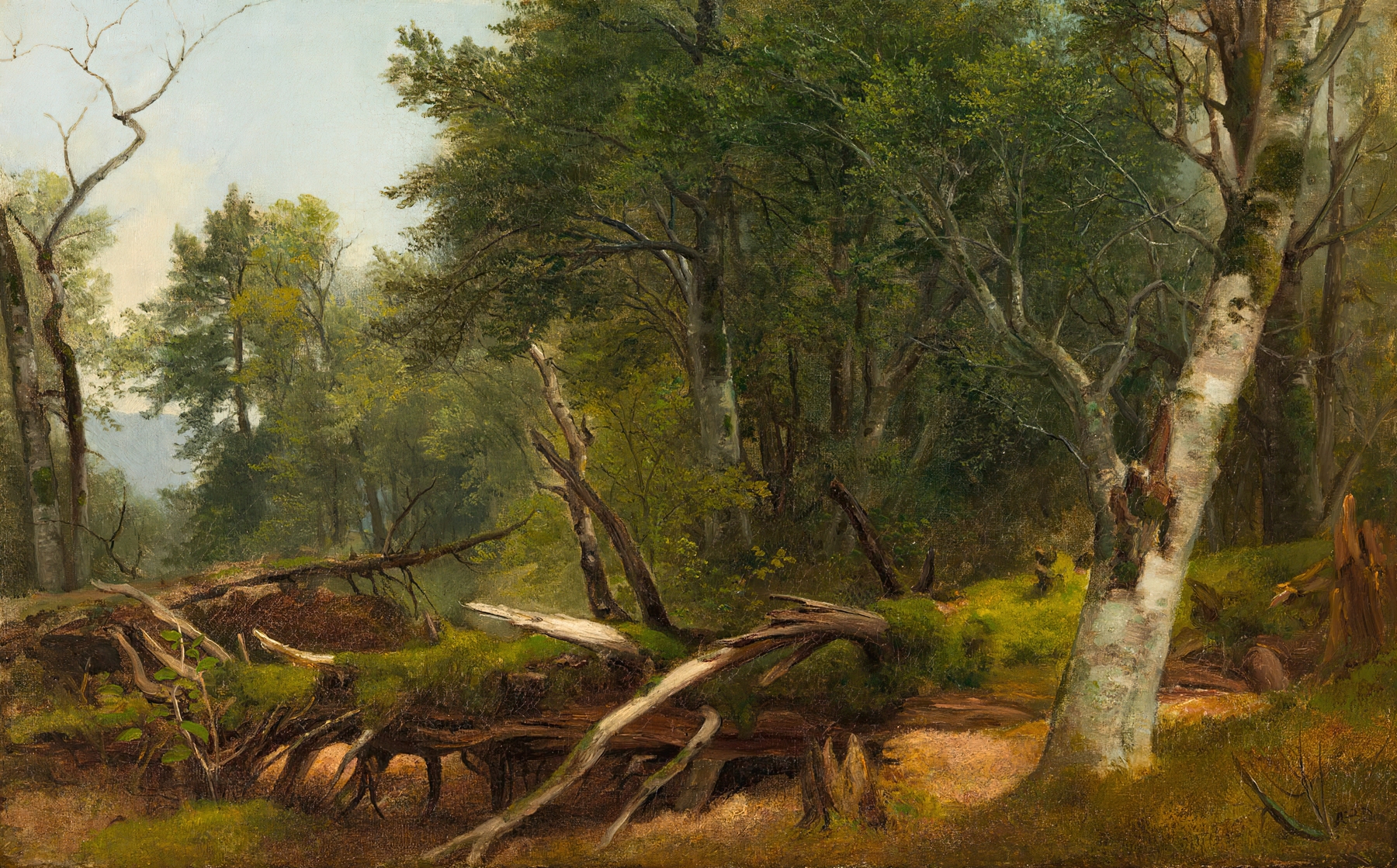
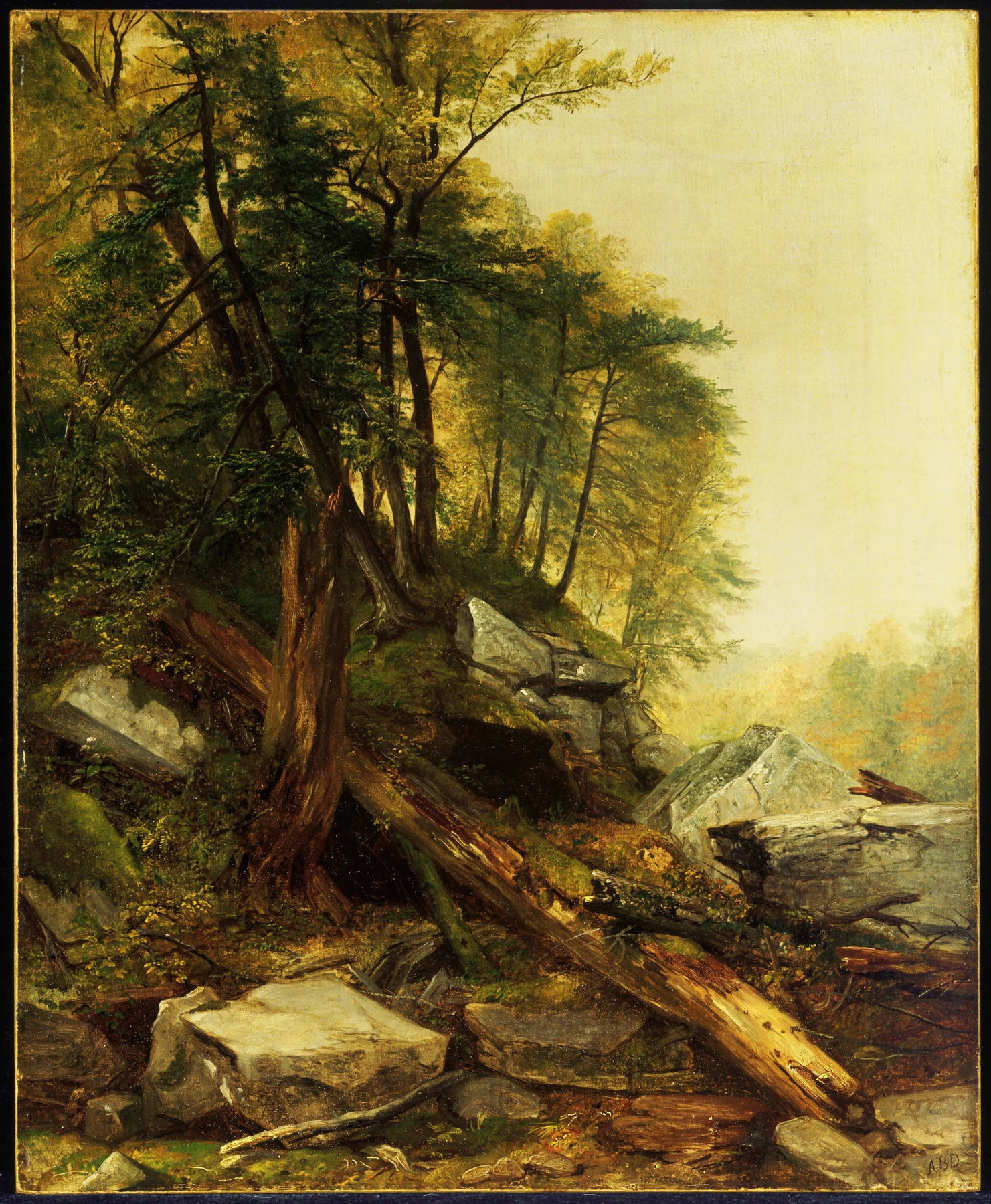
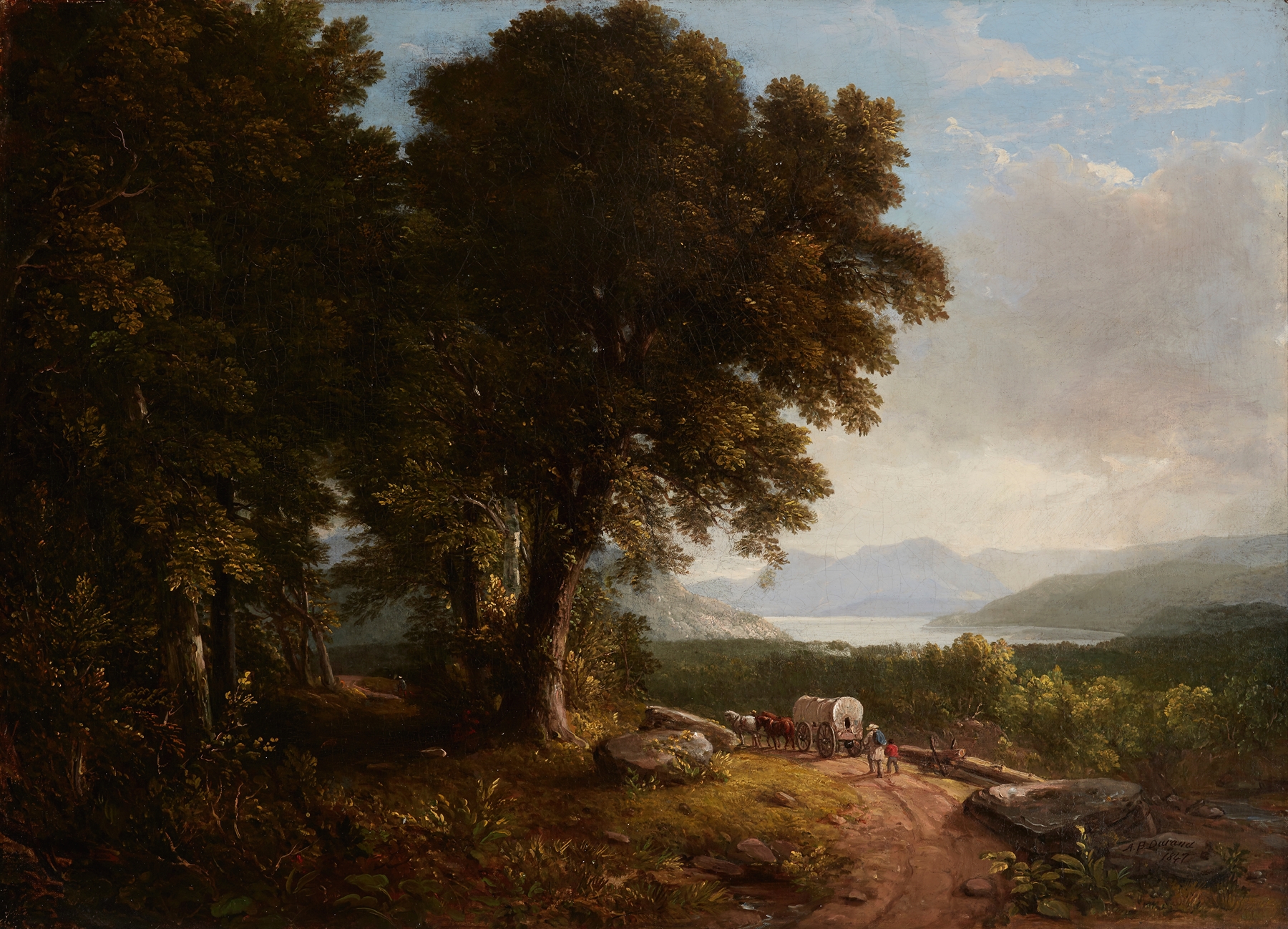
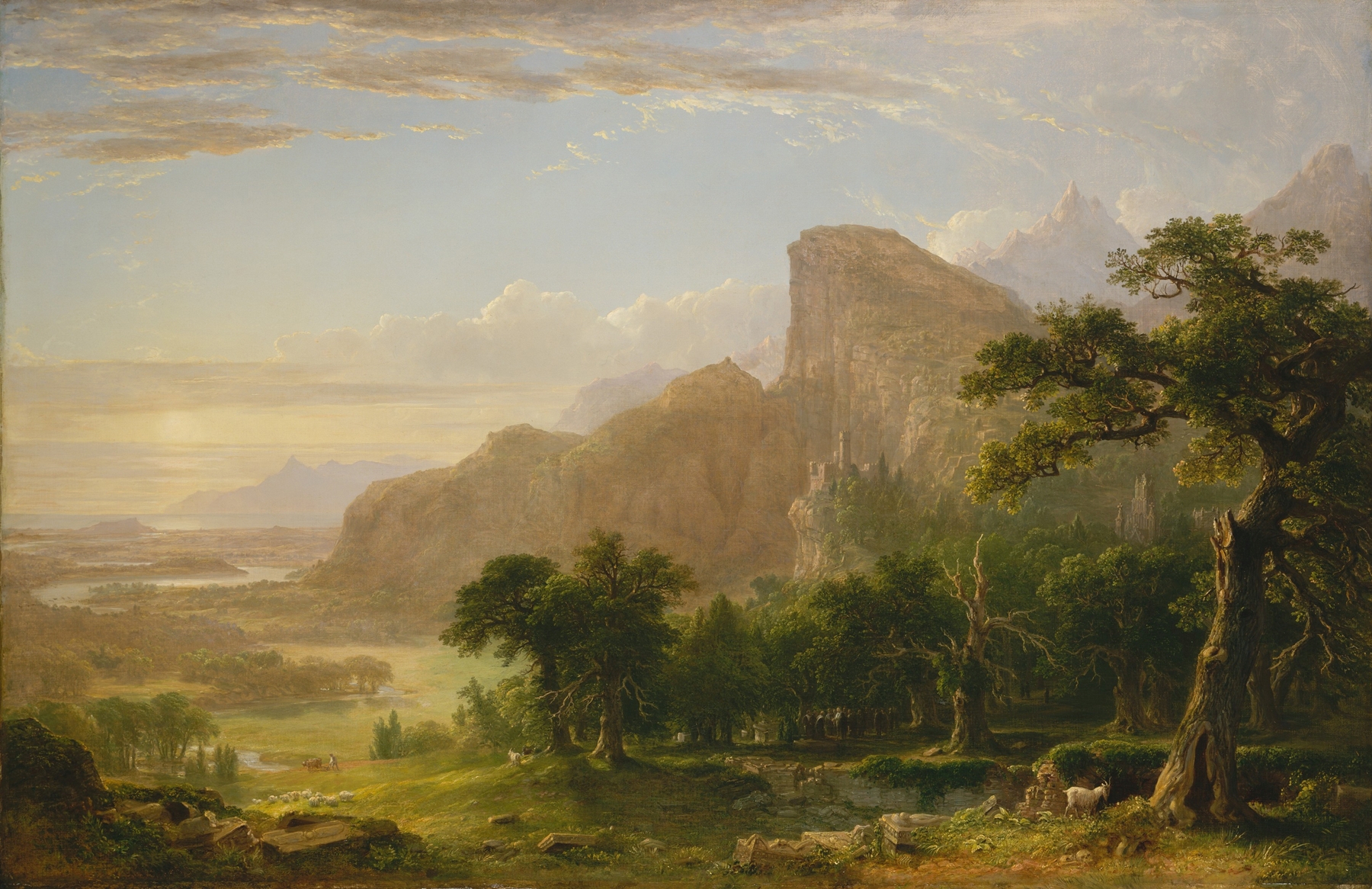
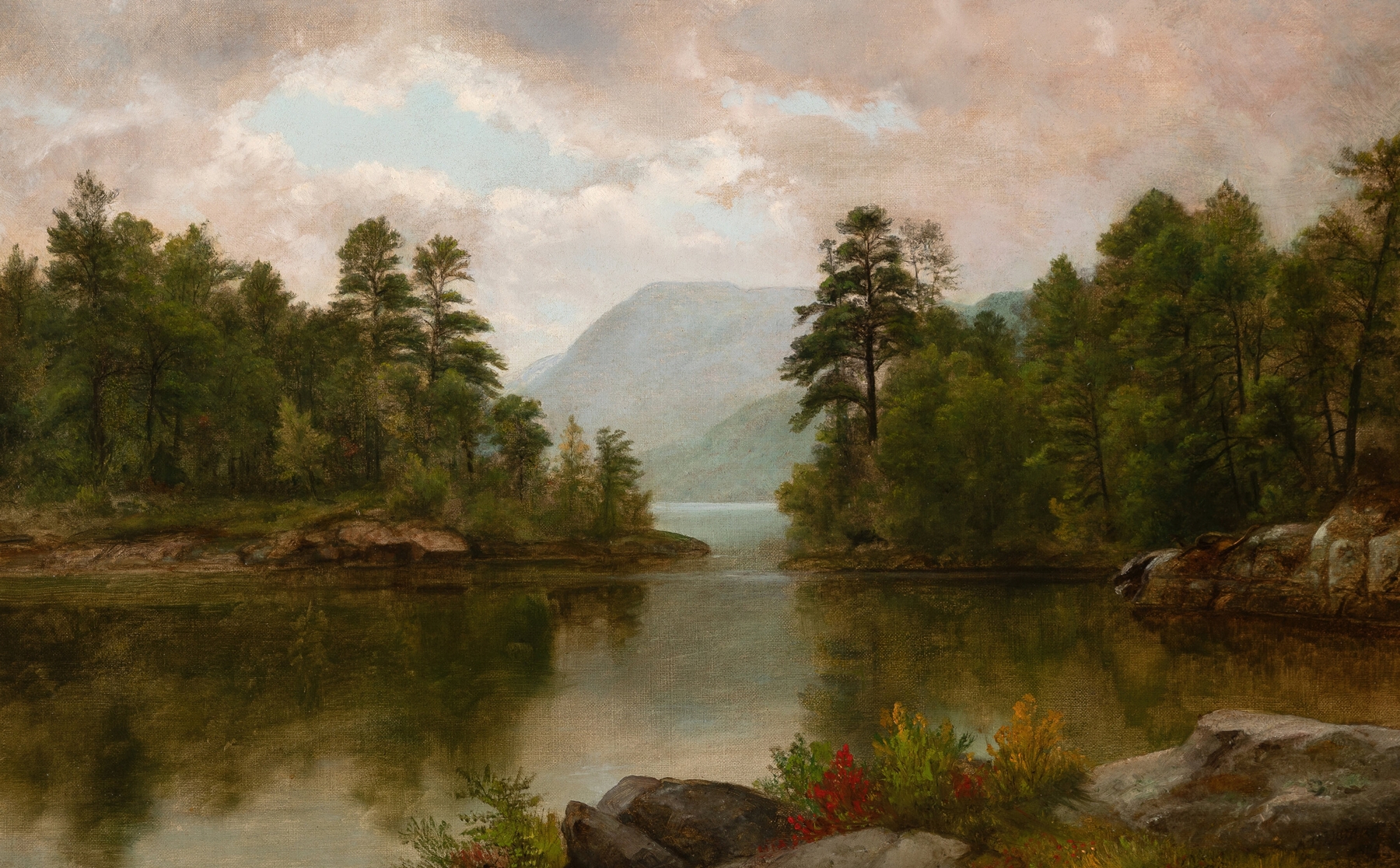
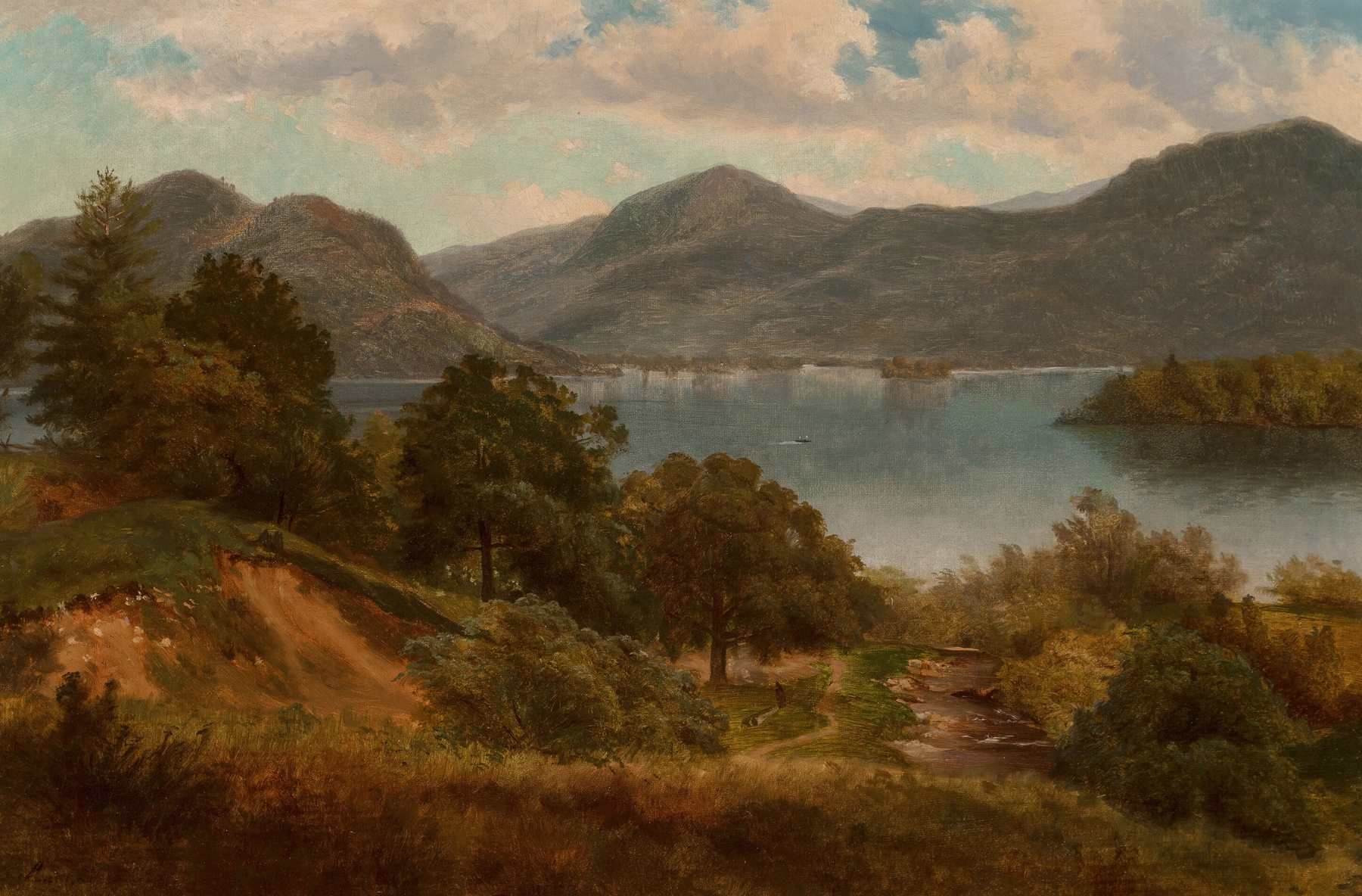
When did color learn to lie? In Lake George, the hues breathe vibrancy into the canvas, inviting viewers to traverse beneath the surface of mere representation toward a realm of ethereal beauty. Look to the left at the tranquil waters, where reflections of surrounding trees blur softly, distilling a sense of harmony. The artist employs a rich palette of greens and blues that transitions seamlessly, guiding your gaze to the dramatic interplay of light and shadow across the landscape.
Notice how the sun filters through the foliage, casting a golden glow that dances upon the lake’s surface, creating an almost mystical aura that beckons you deeper into the scene. Delve into the contrasts at play: the serenity of the lake juxtaposed with the ruggedness of the surrounding mountains, conveying a sense of both calm and grandeur. This duality evokes a profound emotional resonance, as if the natural world offers solace while wrestling with the sublime power of nature. Each brushstroke captures not just a view but an experience — a transcendence that invites contemplation of our place within the vastness.
In 1867, Durand painted this masterpiece amidst the Hudson River School movement, which sought to celebrate the American landscape. During this period, the artist was deeply engaged with the ideals of Romanticism, focusing on nature's beauty and its spiritual connections. As the country grappled with the repercussions of the Civil War, his work offered a poignant reminder of the restorative power of nature, reflecting a desire for healing and renewal during tumultuous times.