The Beeches — History & Analysis
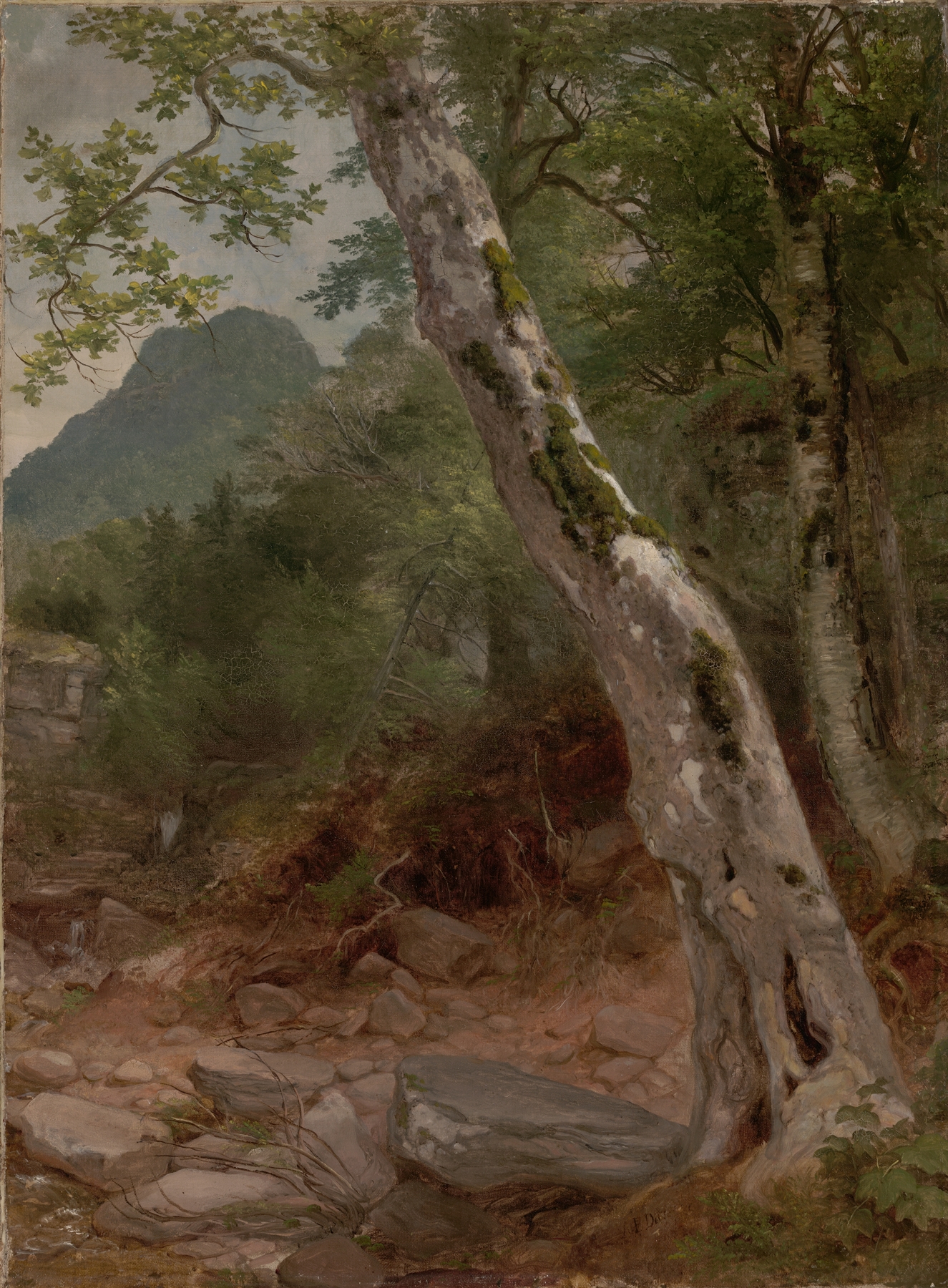
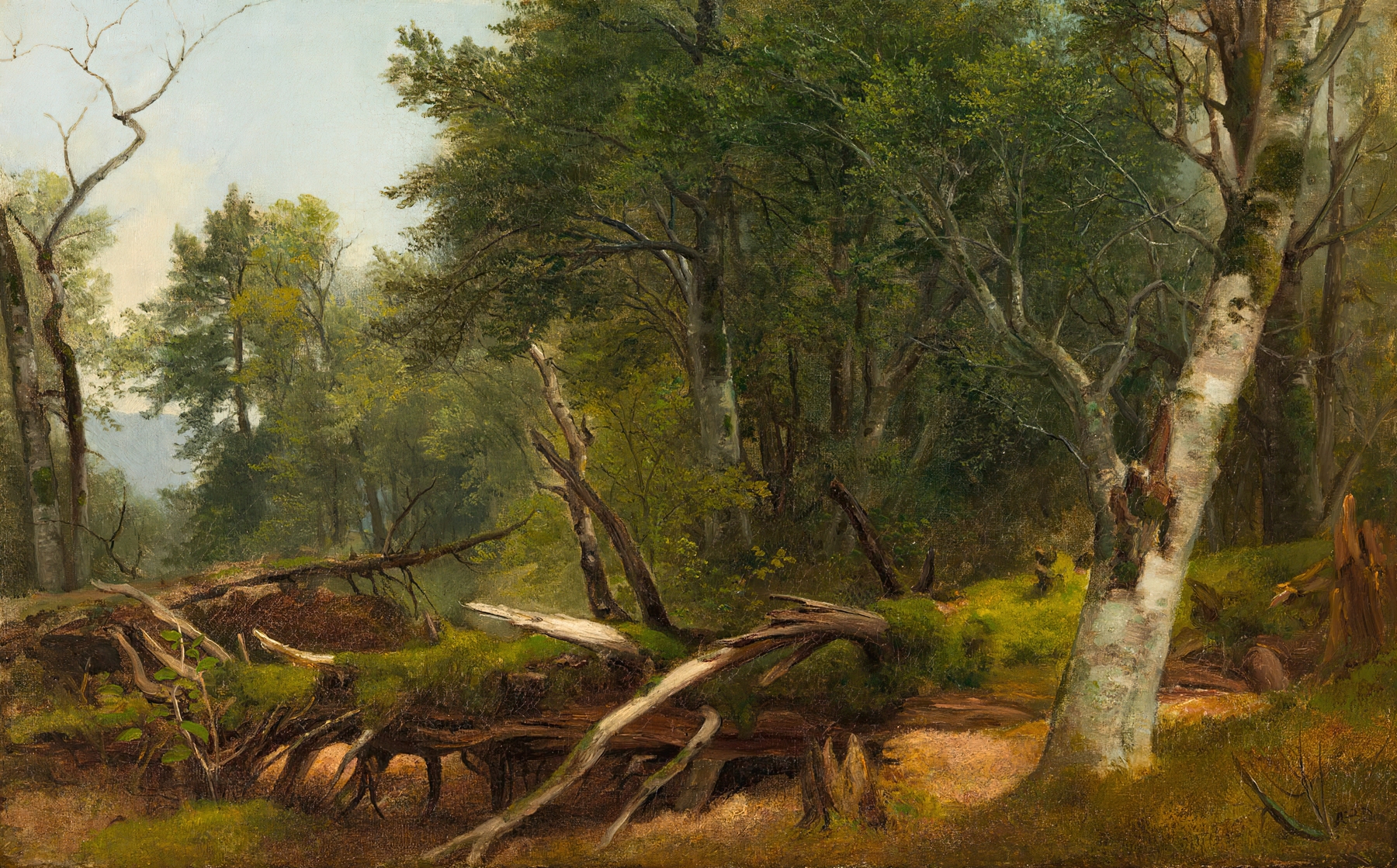
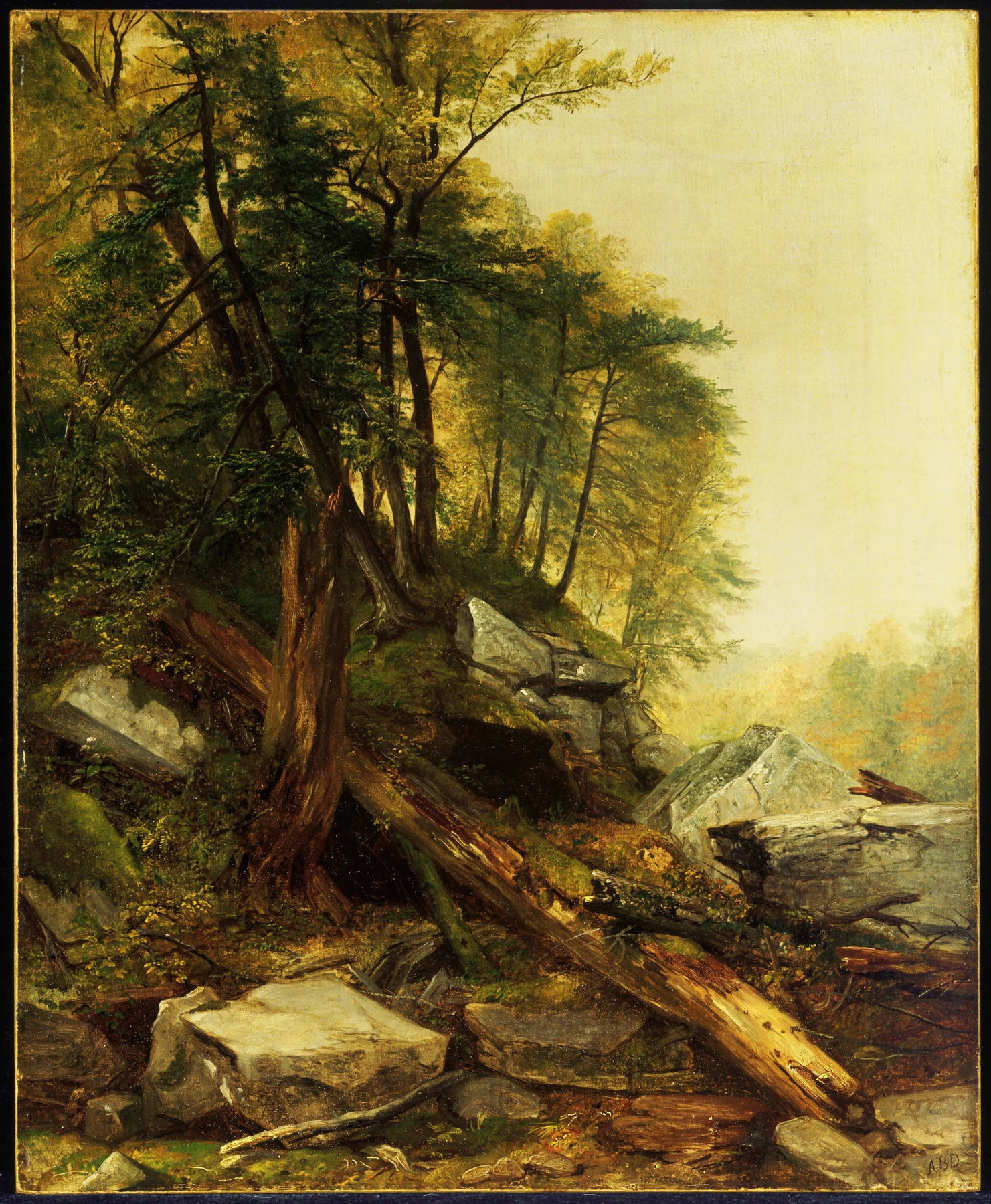
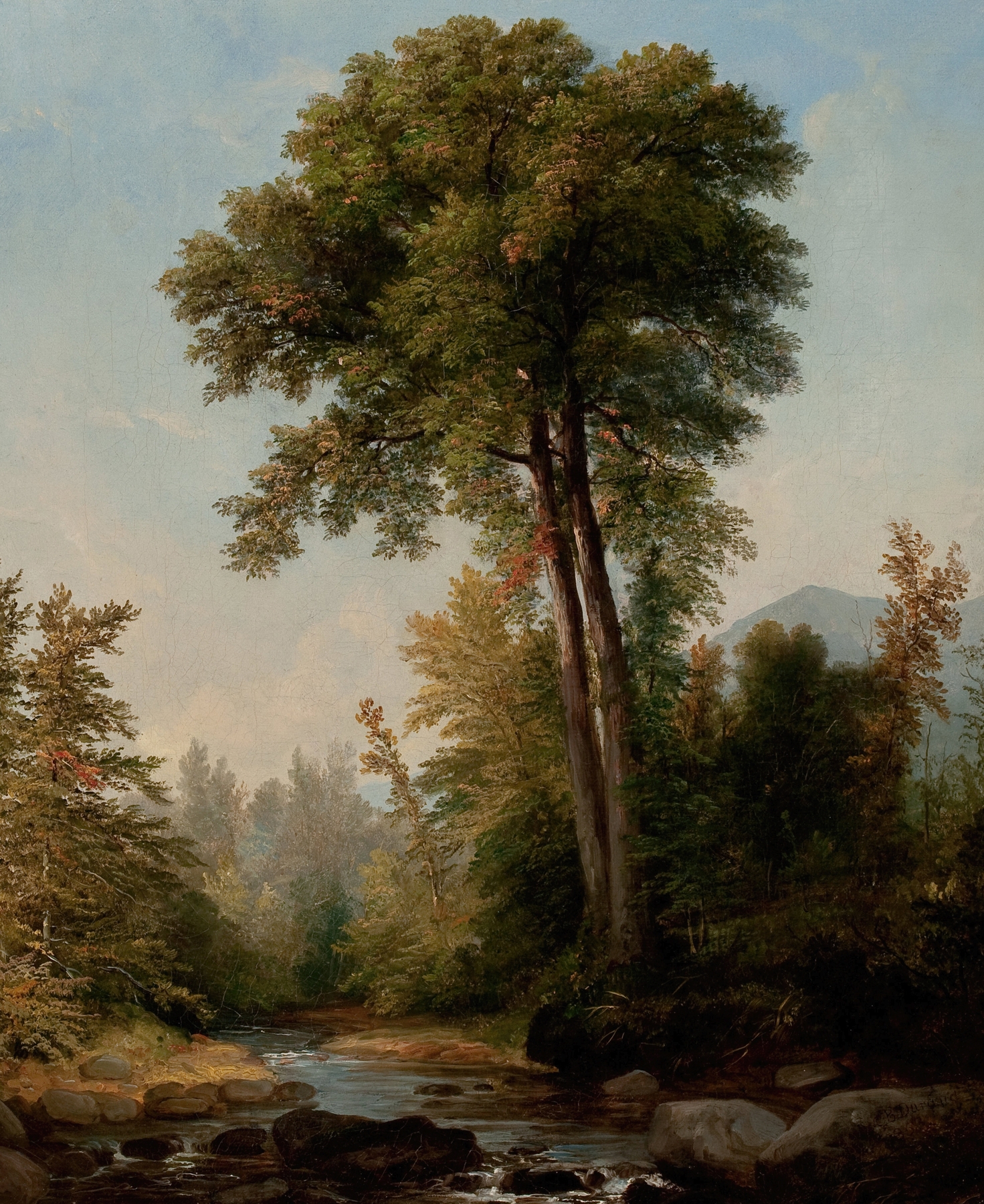
“Art reveals the soul when the world turns away.” In a realm where nature sings of beauty and decay, Asher Brown Durand captures the delicate balance of life and loss in The Beeches. Look to the left at the towering beech trees, their expansive canopies casting intricate shadows across the serene forest floor. The gentle play of light filters through the branches, illuminating patches of moss that cling to the ground. The rich greens intermingle with warm browns, creating a tapestry of color that speaks to both vibrancy and a gentle fading.
The composition invites you to wander deeper into the woods, as the trunks, with their textured bark, stand sentinel over this tranquil scene. Within this quiet landscape lies a profound melancholy. The light that dances through the leaves hints at both the splendor and fragility of nature. Consider the fallen leaves scattered at the base of the trees, a reminder that beauty is transient, and change is inevitable.
This interplay between the thriving life of the trees and the remnants of autumn suggests a poignant reflection on mortality and the passage of time. Durand painted The Beeches in 1845, during a period of significant transition in American art, as artists increasingly sought to define a distinctly American aesthetic, moving away from European influences. In these years, the Hudson River School was gaining prominence, celebrating the American landscape while grappling with themes of nature's power and humanity's place within it. Durand, heavily influenced by the natural beauty surrounding him, crafted this piece amidst a growing national identity shaped by the wilderness and its enduring allure.