Landscape at Ljan — History & Analysis
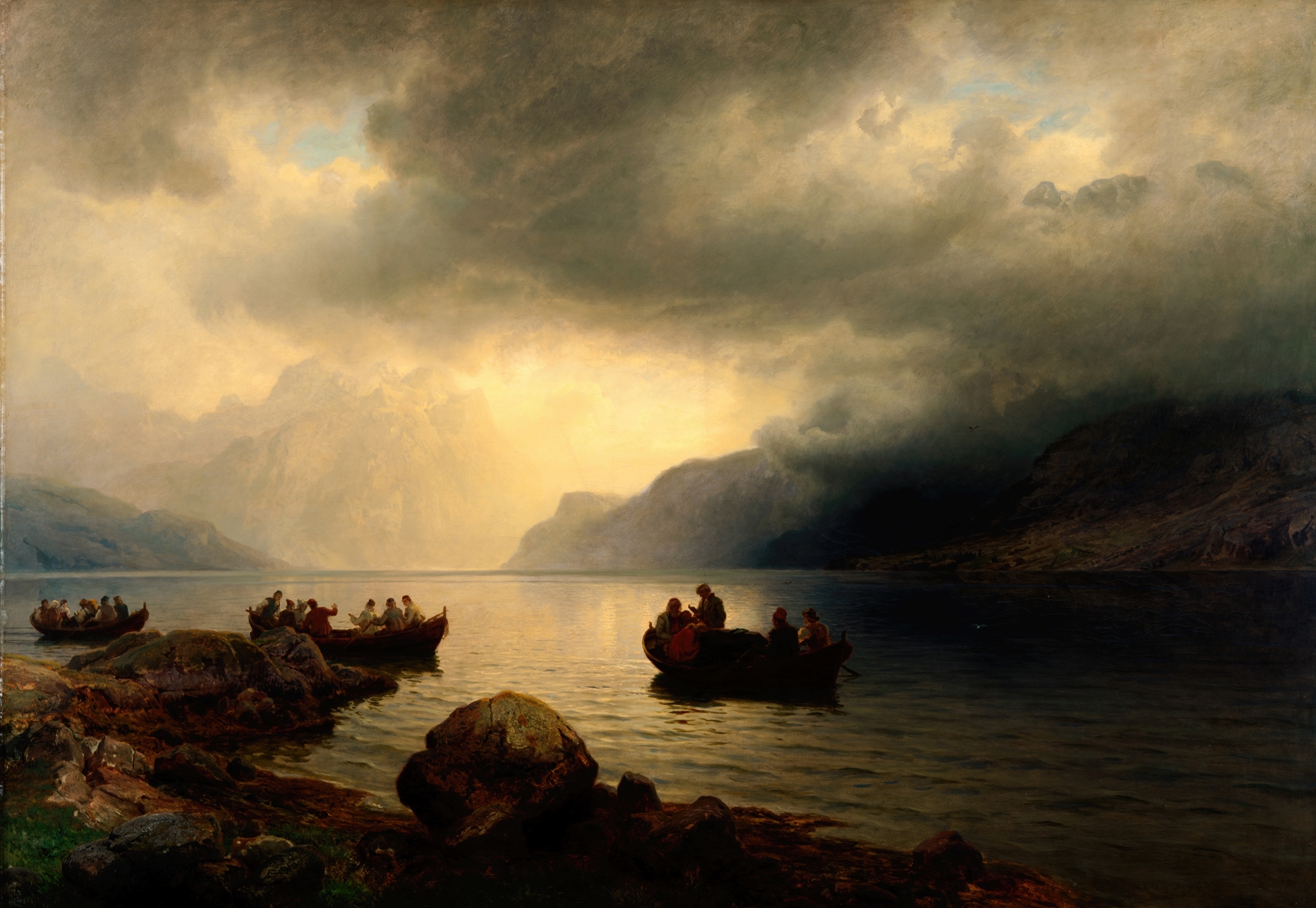
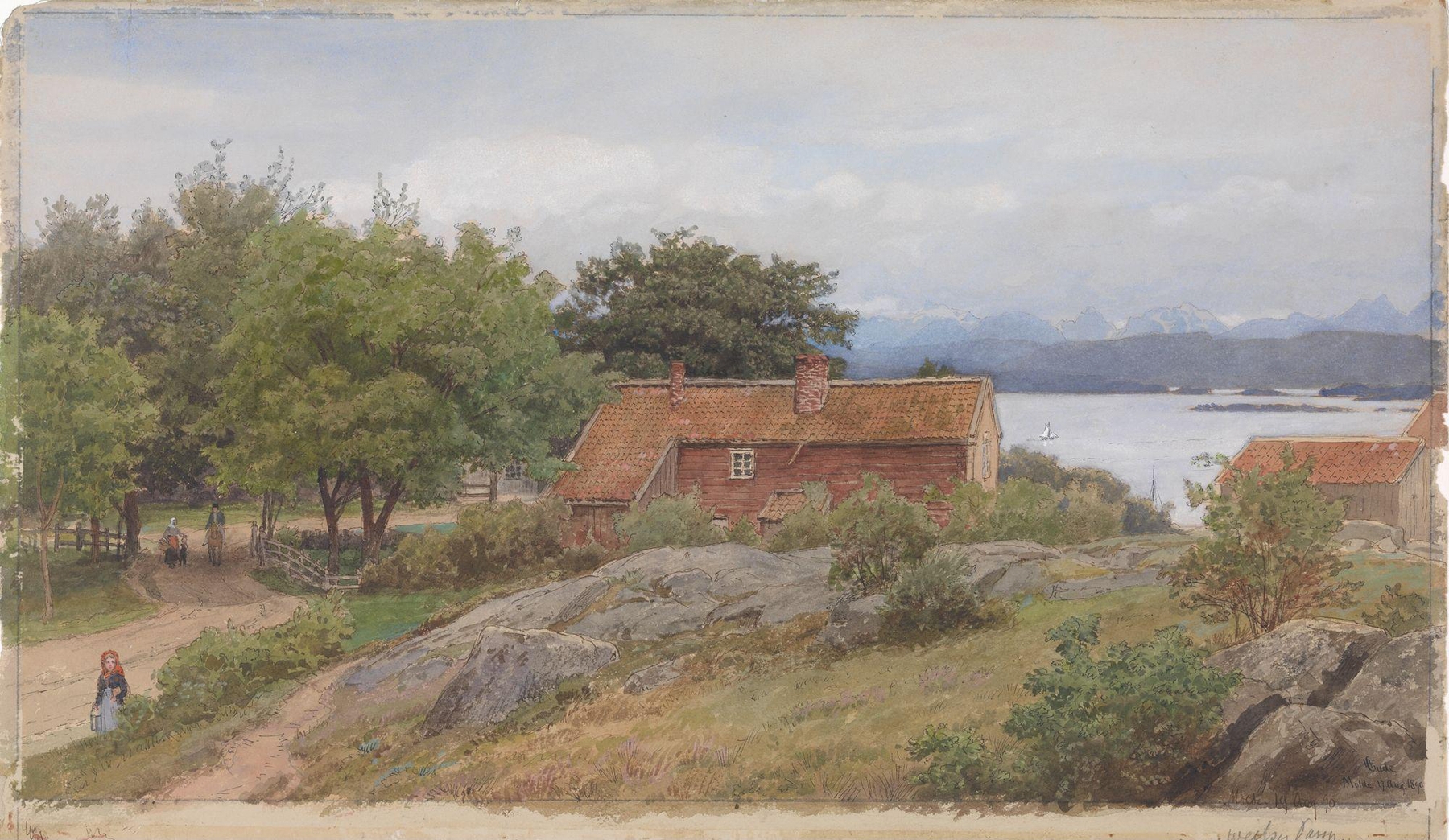
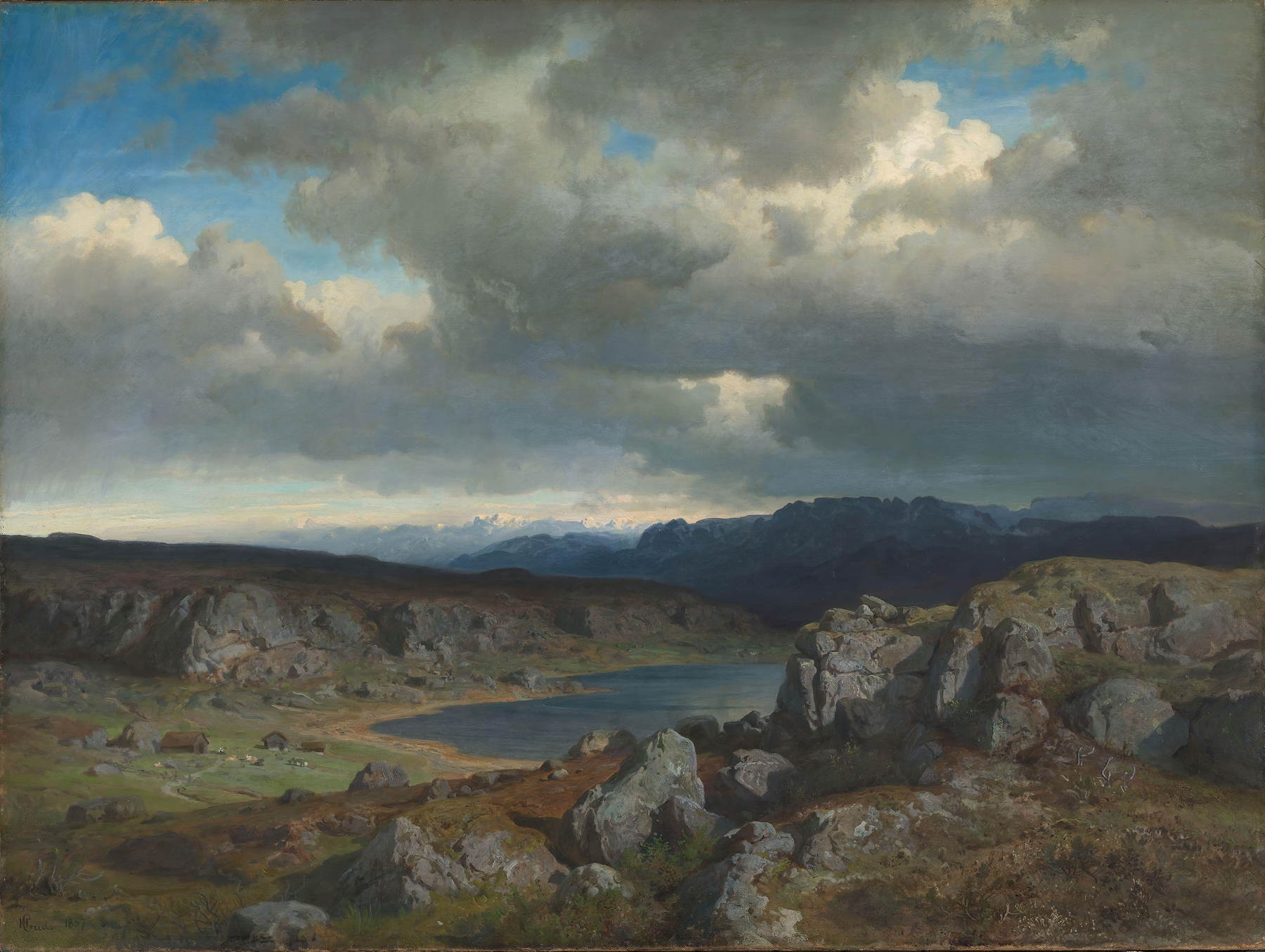
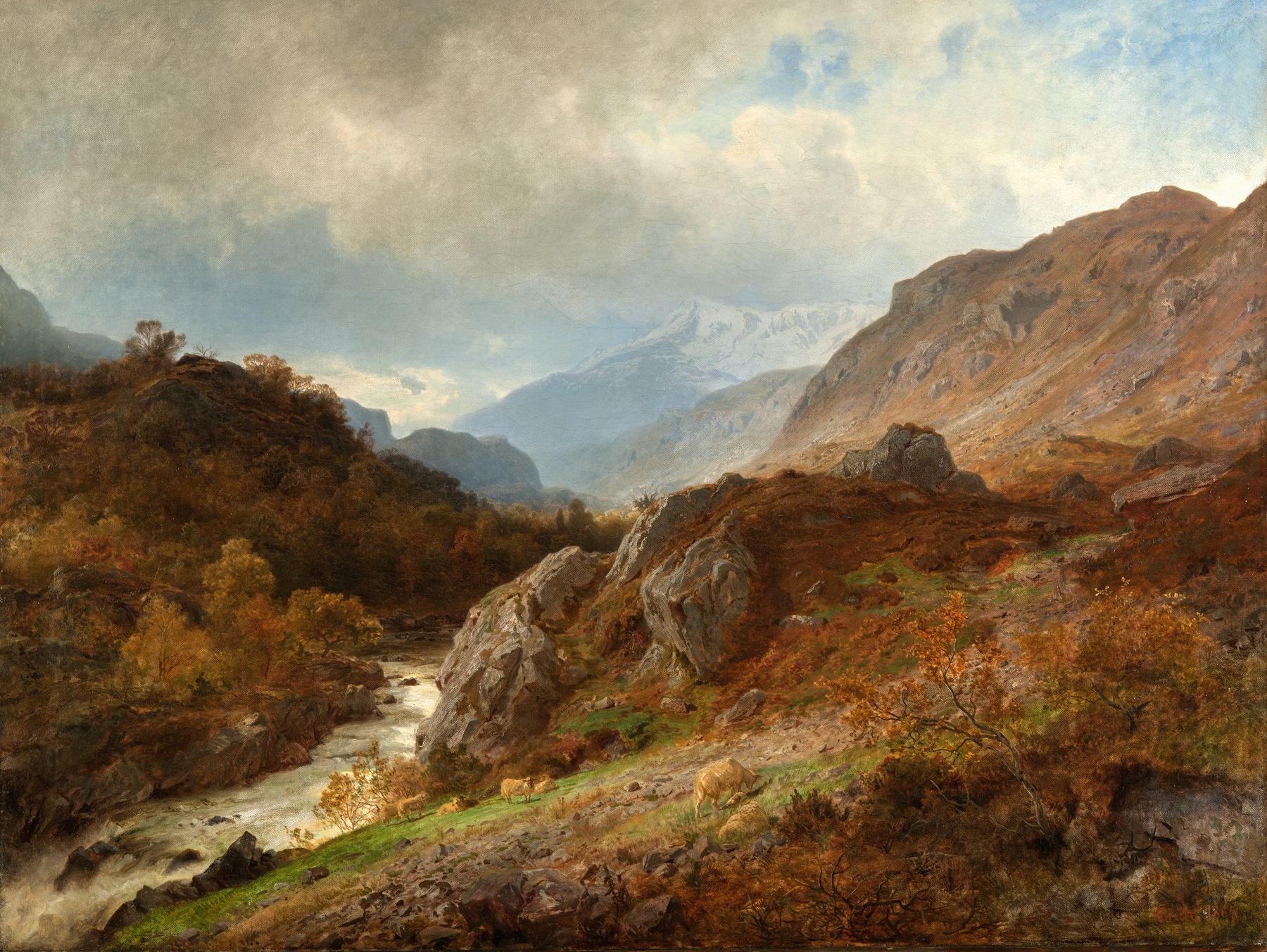
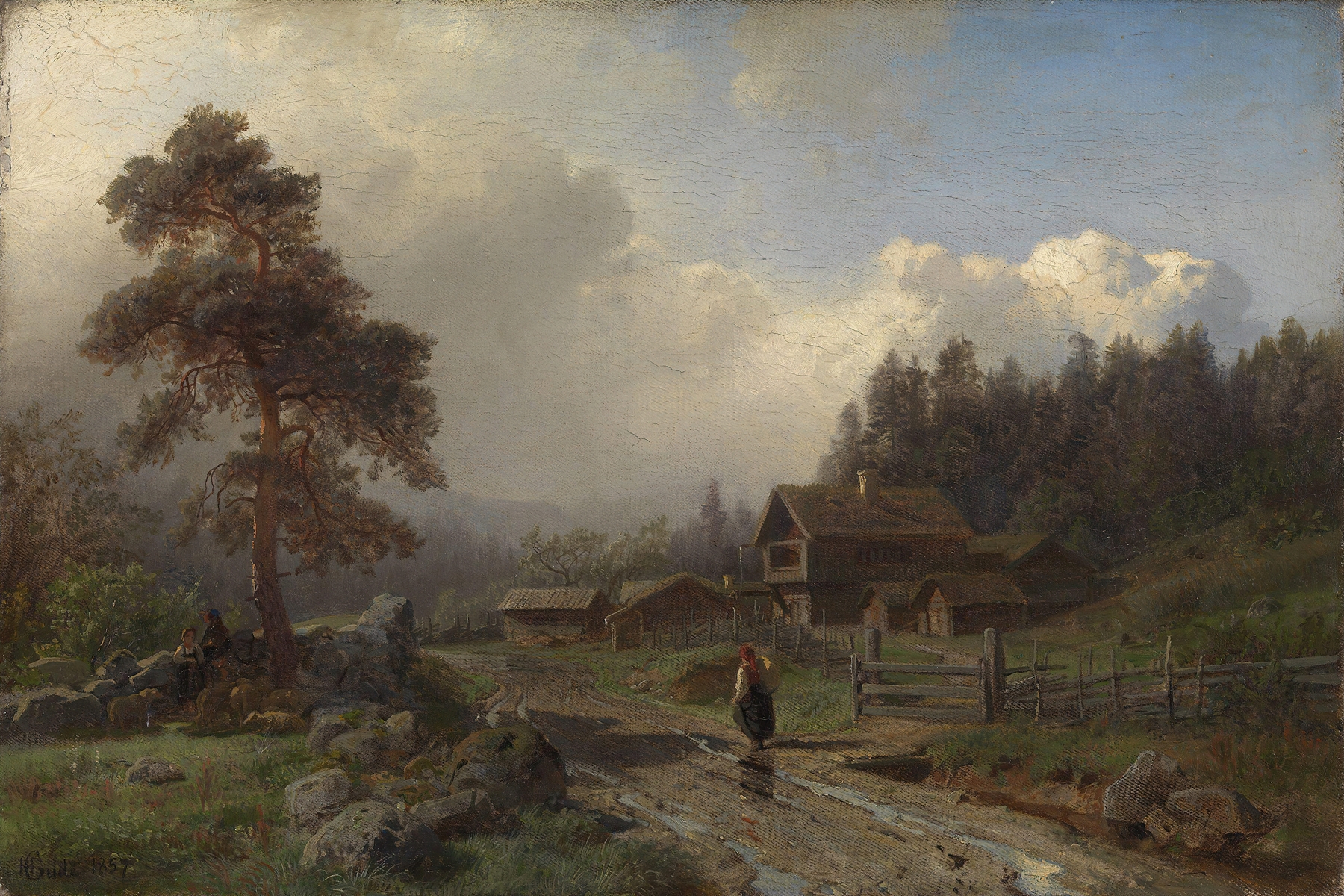
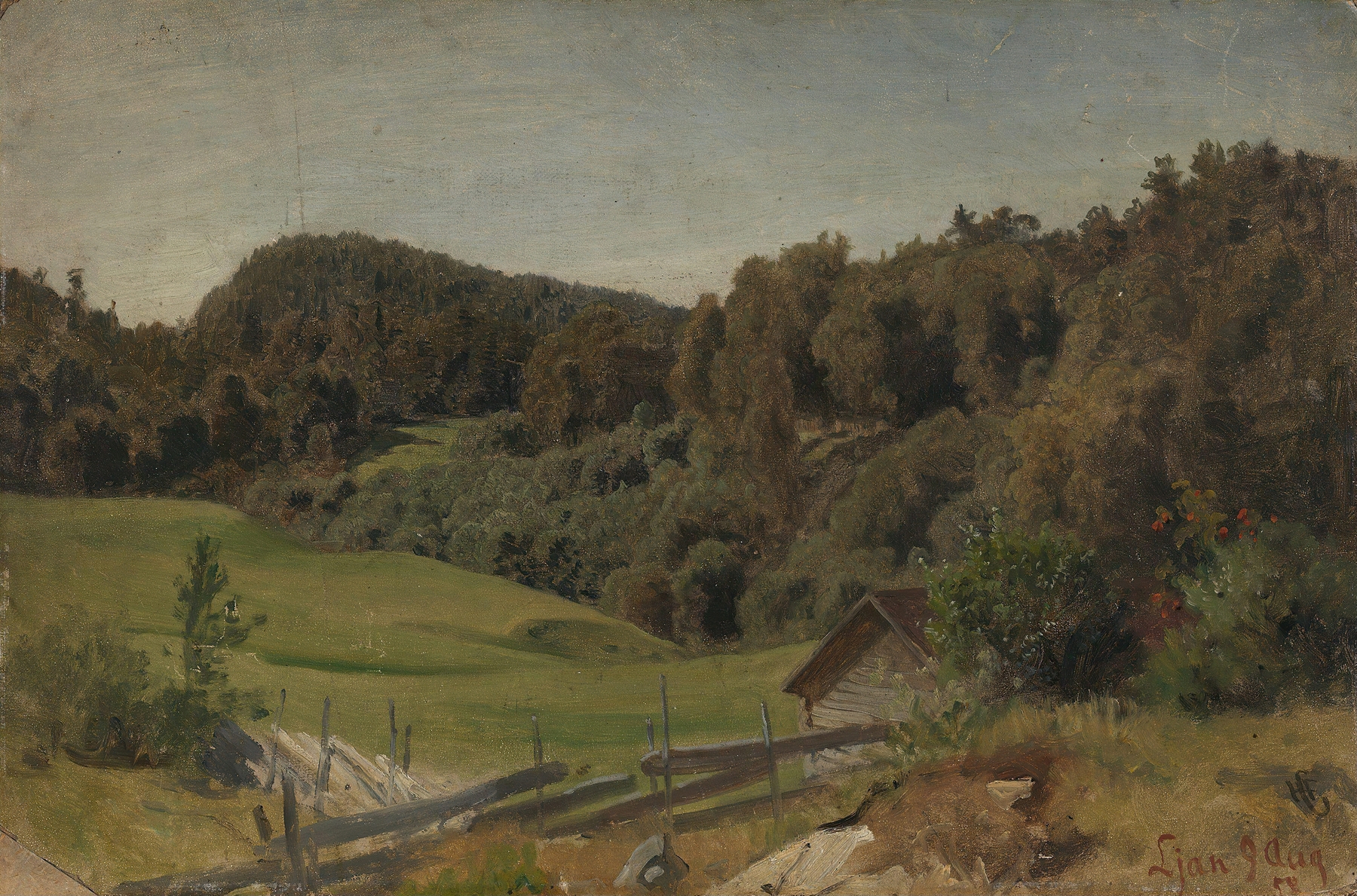
When did color learn to lie? The hues of a landscape can deceive the heart, masking the fragility of what lies beneath their vibrant surface. Look to the foreground where a gentle brook winds its way through the scene, shimmering as it catches the light. Notice how the artist employs a rich palette of greens and blues to evoke both serenity and tension. The soft brushstrokes create a sense of movement in the trees, while the stillness of the water contrasts sharply with the vibrant foliage, leading your eye into the depth of the painting.
Each shade seems to breathe life, yet hints at an underlying narrative of transience. As you explore further, observe the delicate interplay between the sunlit areas and the shadows that linger in the corners. This dichotomy suggests a world caught between beauty and impermanence. The distant mountains stand stoically, their majesty softened by a veil of mist, symbolizing both the grandeur of nature and its fleeting moments.
Each element carries weight and significance, prompting contemplation of our own place within such a vast, ever-changing scenery. Completed in 1858, this piece emerged during a significant period in the artist's life, marked by his return to Norway after years abroad. With the Romantic movement gaining momentum in Europe, he sought to capture the essence of the Norwegian landscape—its wild beauty and emotional depth. This work reflects not just a personal journey, but also a broader artistic exploration of nature's voice, resonating with the tensions of the era.