Landskap med bondegård ved Molde — History & Analysis
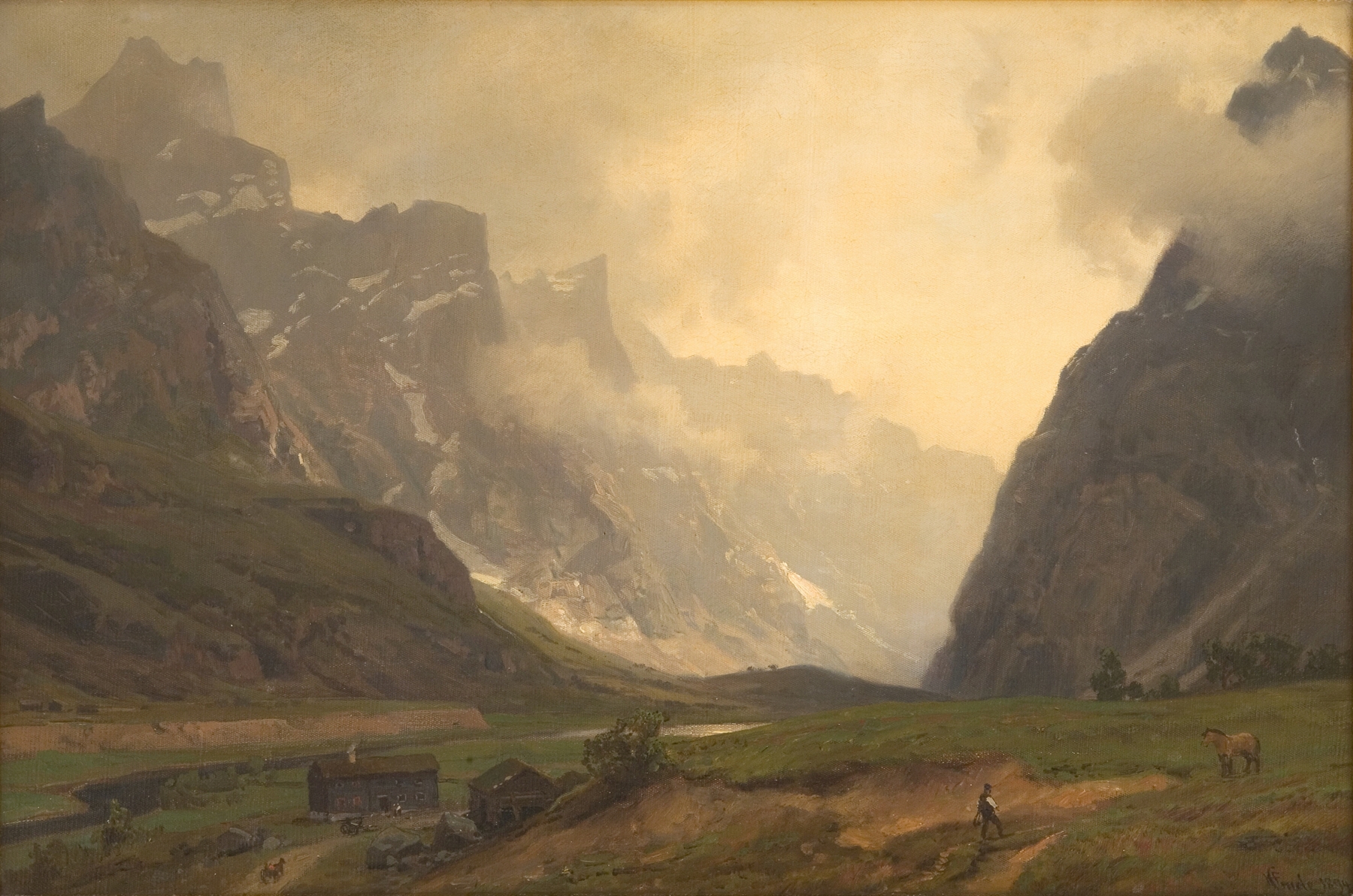
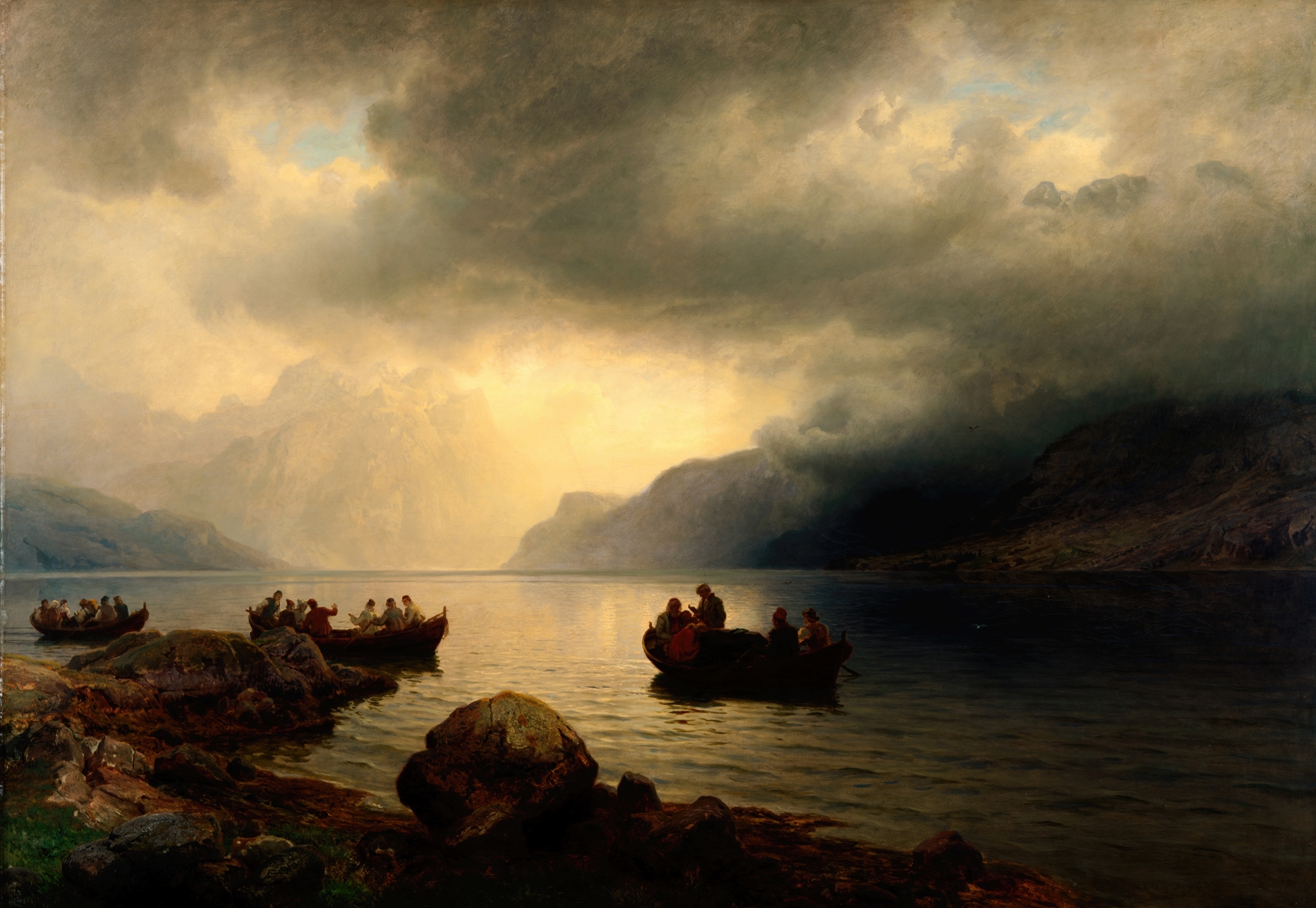
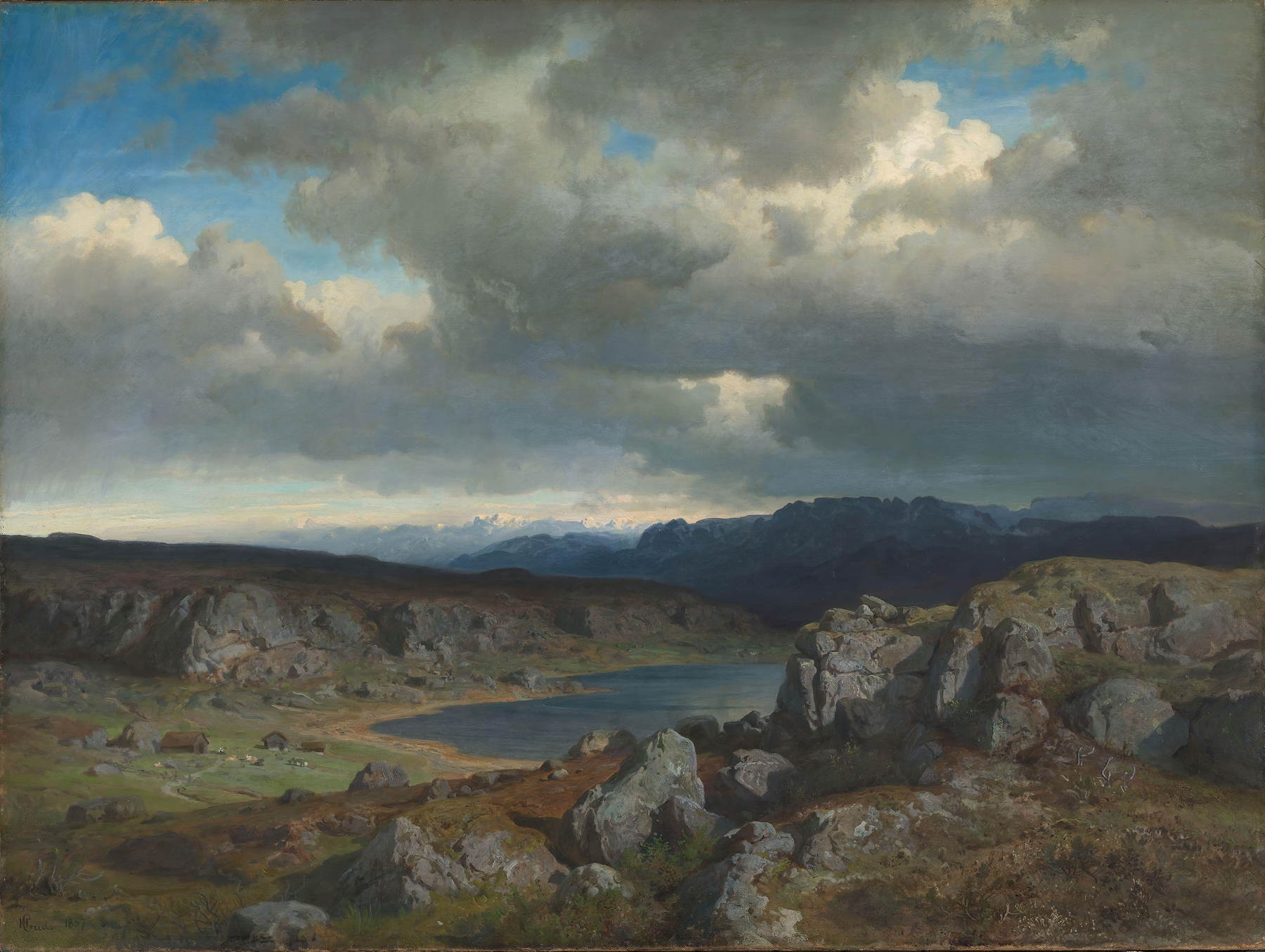
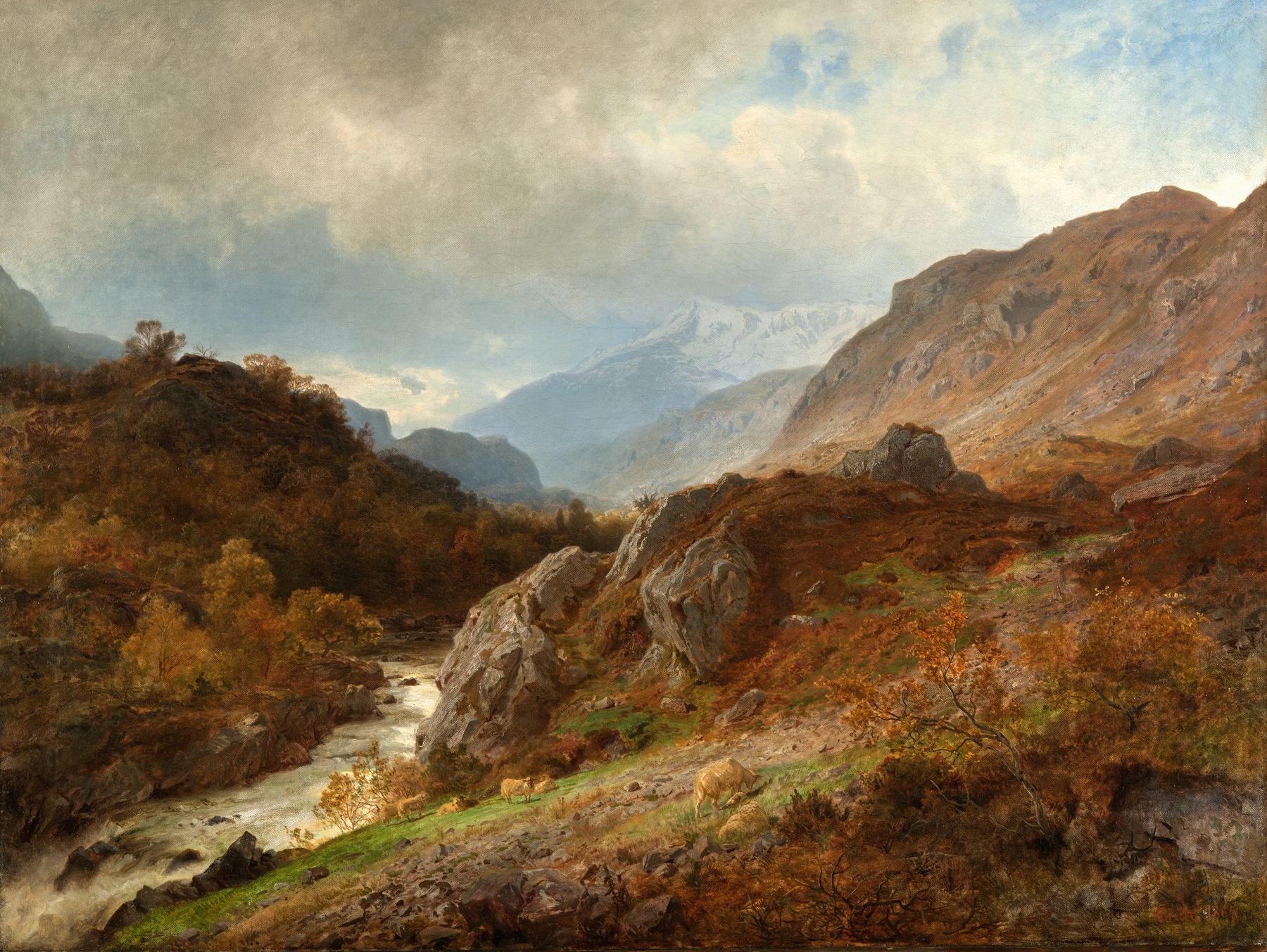
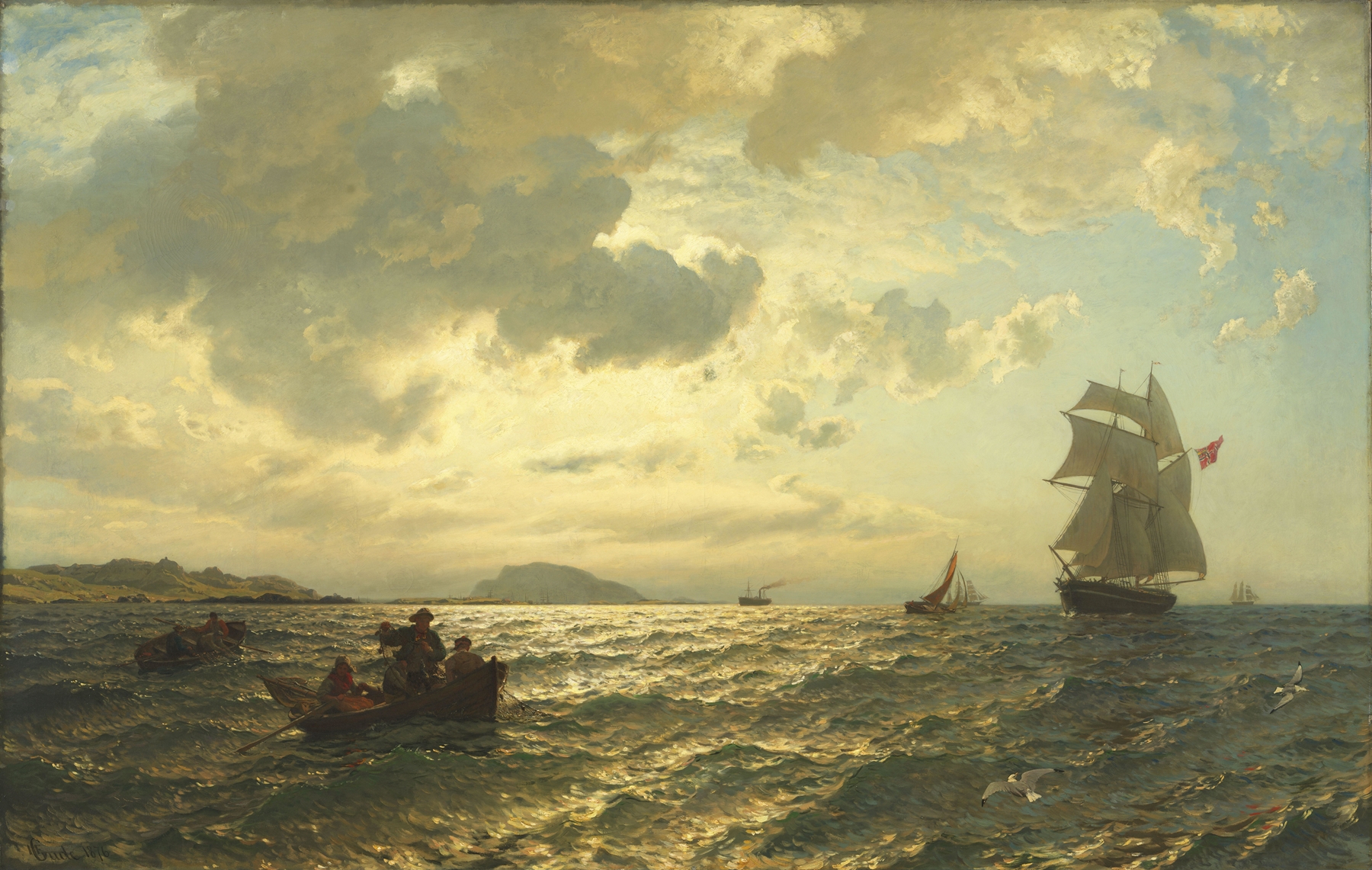
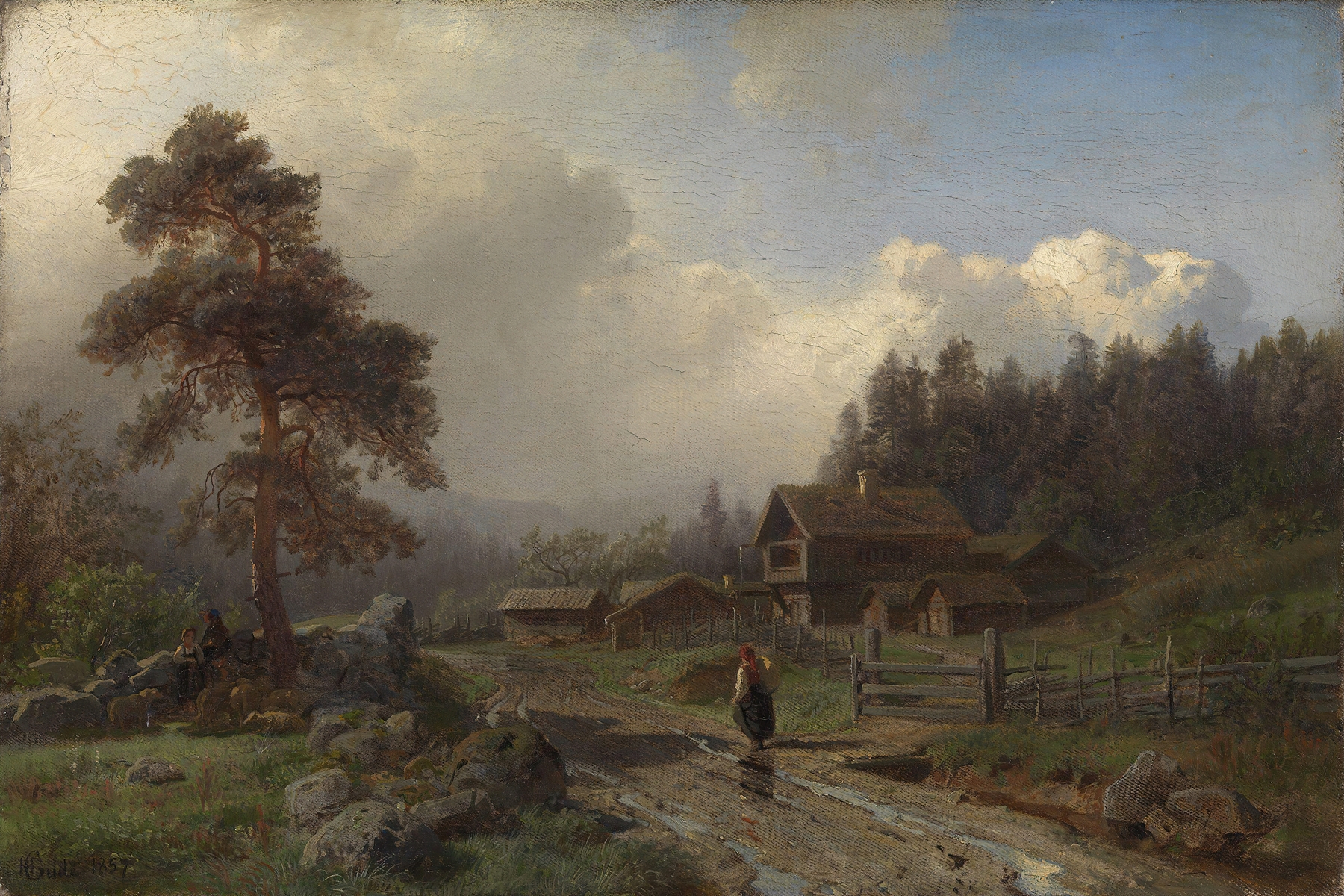
“Art reveals the soul when the world turns away.” In *Landskap med bondegård ved Molde*, a serene landscape unfolds, inviting the viewer to contemplate not just the scene, but the emotions it evokes. Here, reflection becomes the silent language of nature, a dialogue between the viewer and the painted world. Focus first on the gentle hues of the landscape — the soft greens of the fields blending with the dusky blues of the sky. To the left, a quaint farmhouse nestles against the backdrop of towering mountains, inviting you to trace the contours of its weathered roof. Notice how the dappled sunlight dances across the vibrant foliage, each brushstroke capturing light with an almost ethereal quality. The composition harmonizes structure and nature, creating a perfect balance that draws the eye deeper into the tranquility. Yet, beneath the tranquil surface lies a tension between man’s presence and the looming mountains, a reminder of nature’s vastness. The farmhouse, though inviting, suggests the fragility of human endeavor against the grandeur of the landscape. The interplay of shadow and light reveals not just a scene, but a moment of introspection—reflecting the weight of solitude that accompanies rural life. This duality captures a longing for connection with both the earth and the sky, leaving the viewer with a sense of yearning. In 1890, Hans Gude painted this work while living in Norway, amidst a burgeoning appreciation for natural landscapes. The late 19th century saw a revival of interest in depicting the Norwegian countryside, as artists sought to emphasize their cultural identity. Gude, known for his evocative representations of nature, tapped into this spirit, finding inspiration in both the landscape around him and the broader shifts in the art world toward realism and romanticism.