Landscape with Oak Trees — History & Analysis
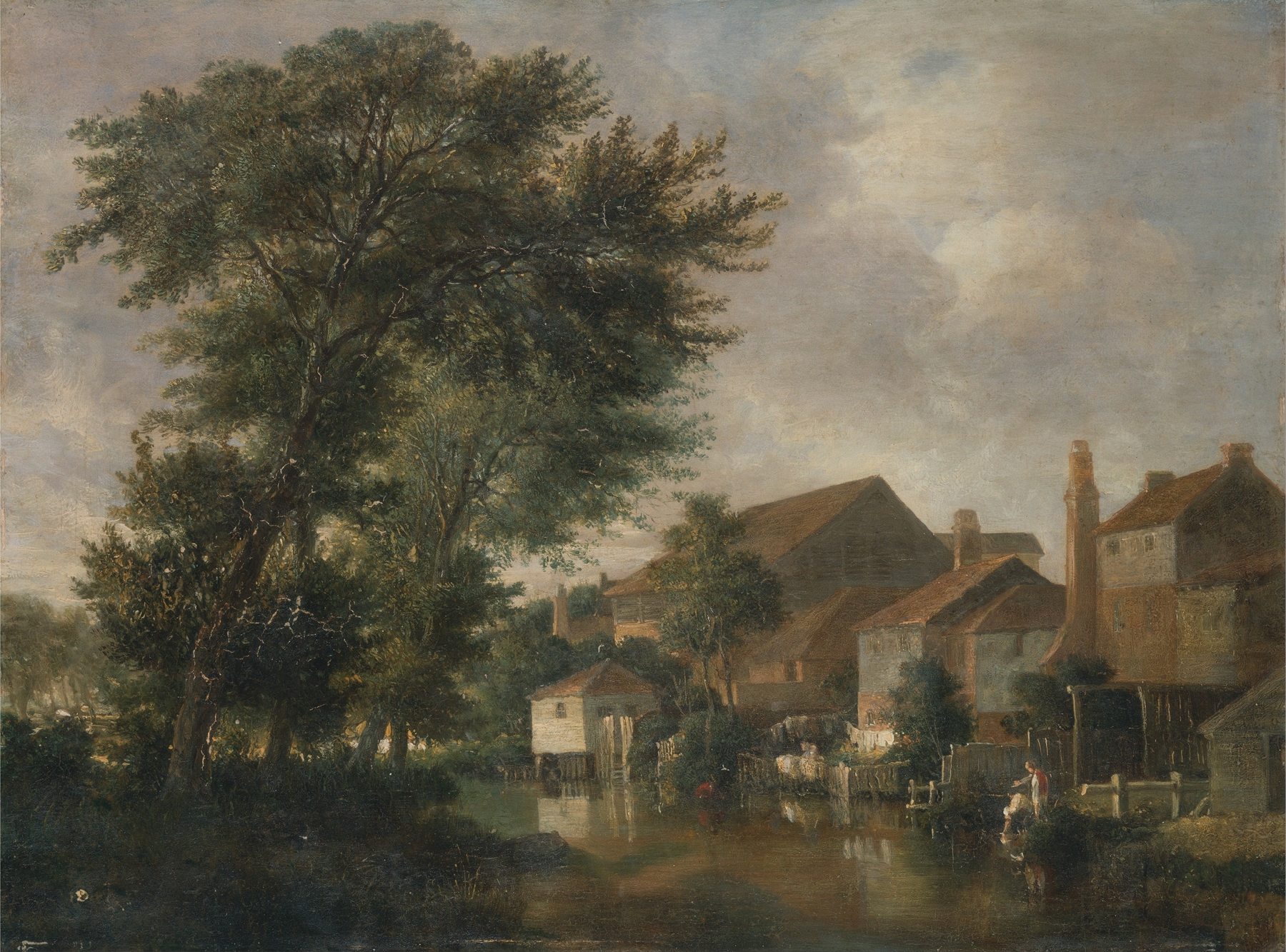
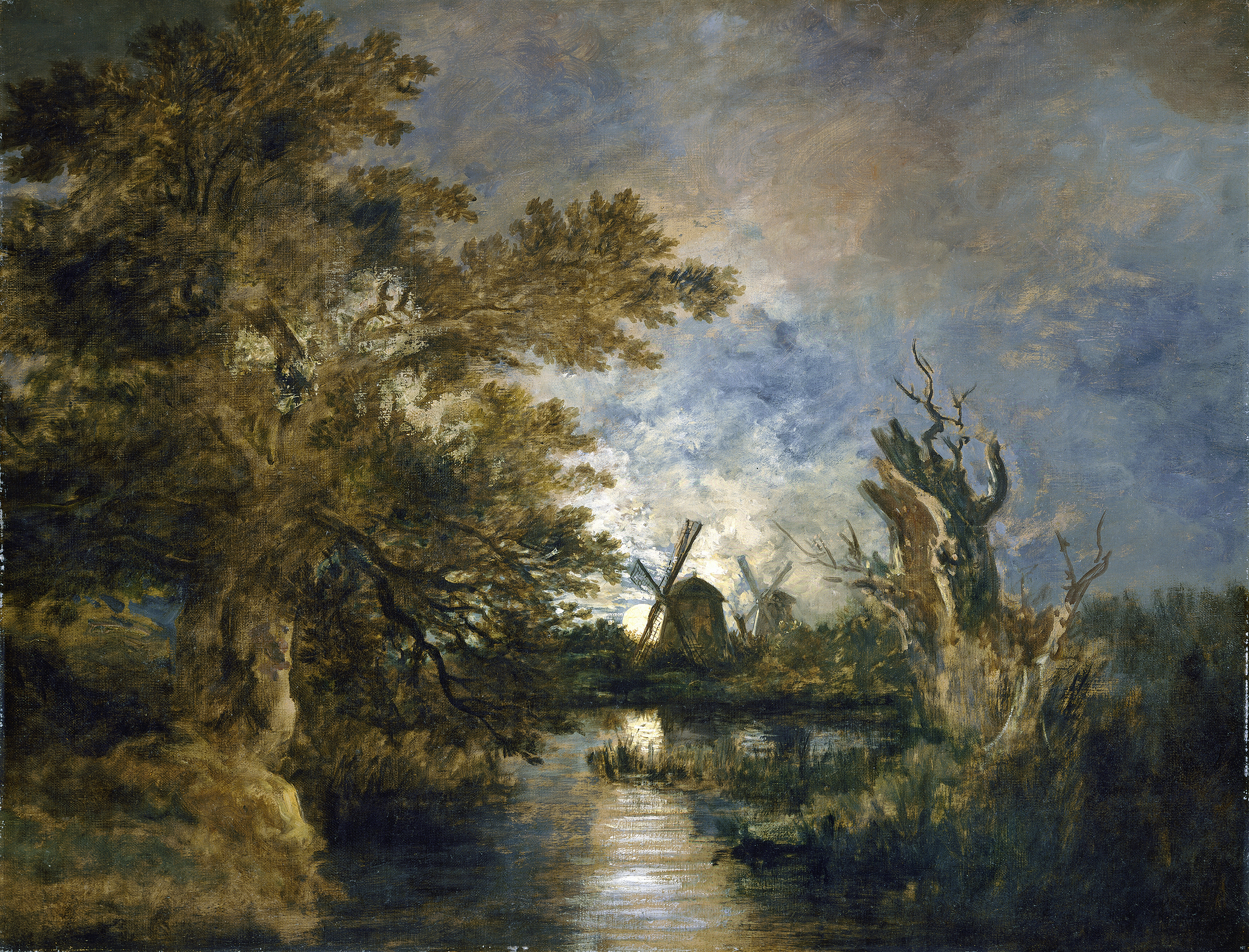
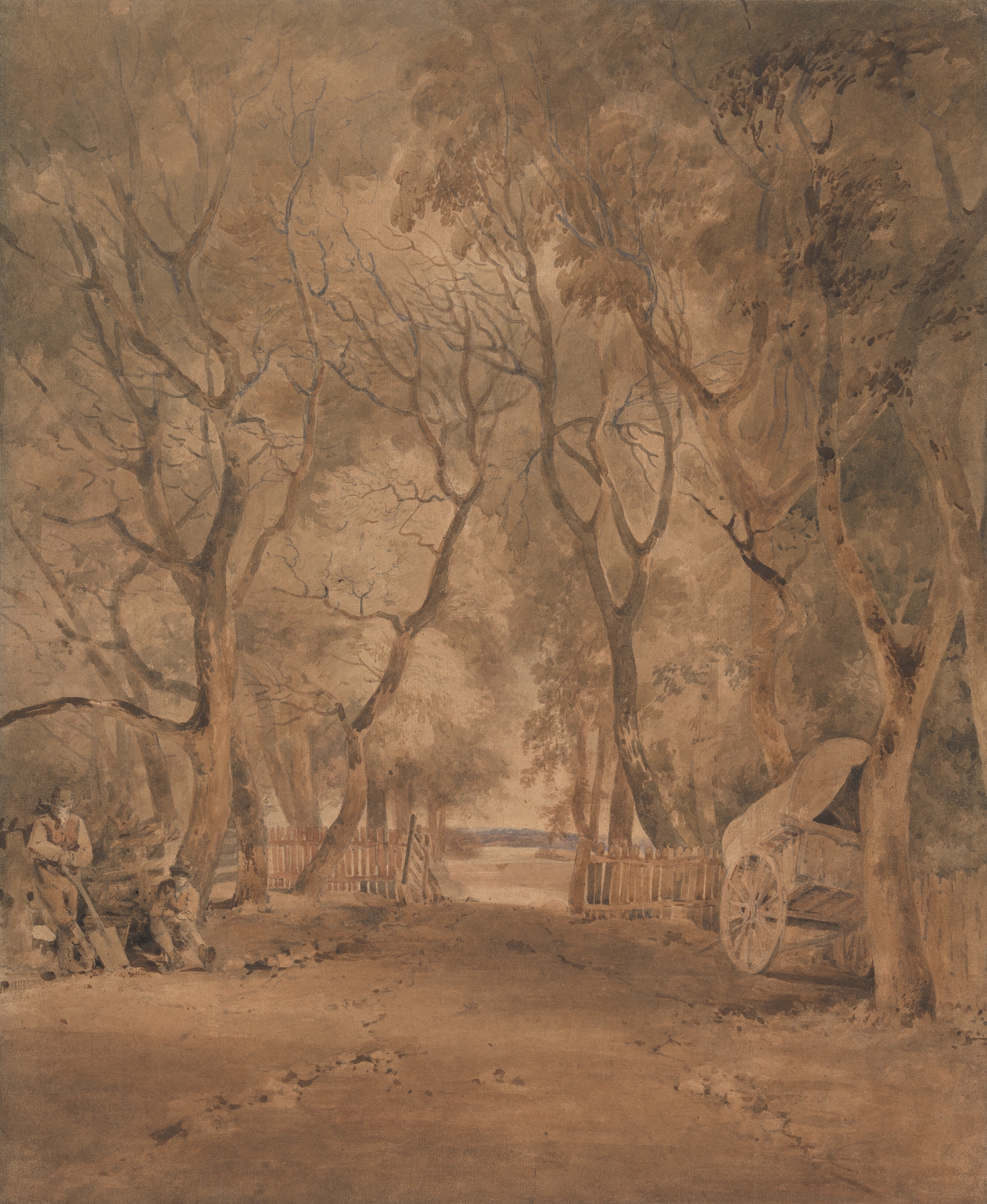
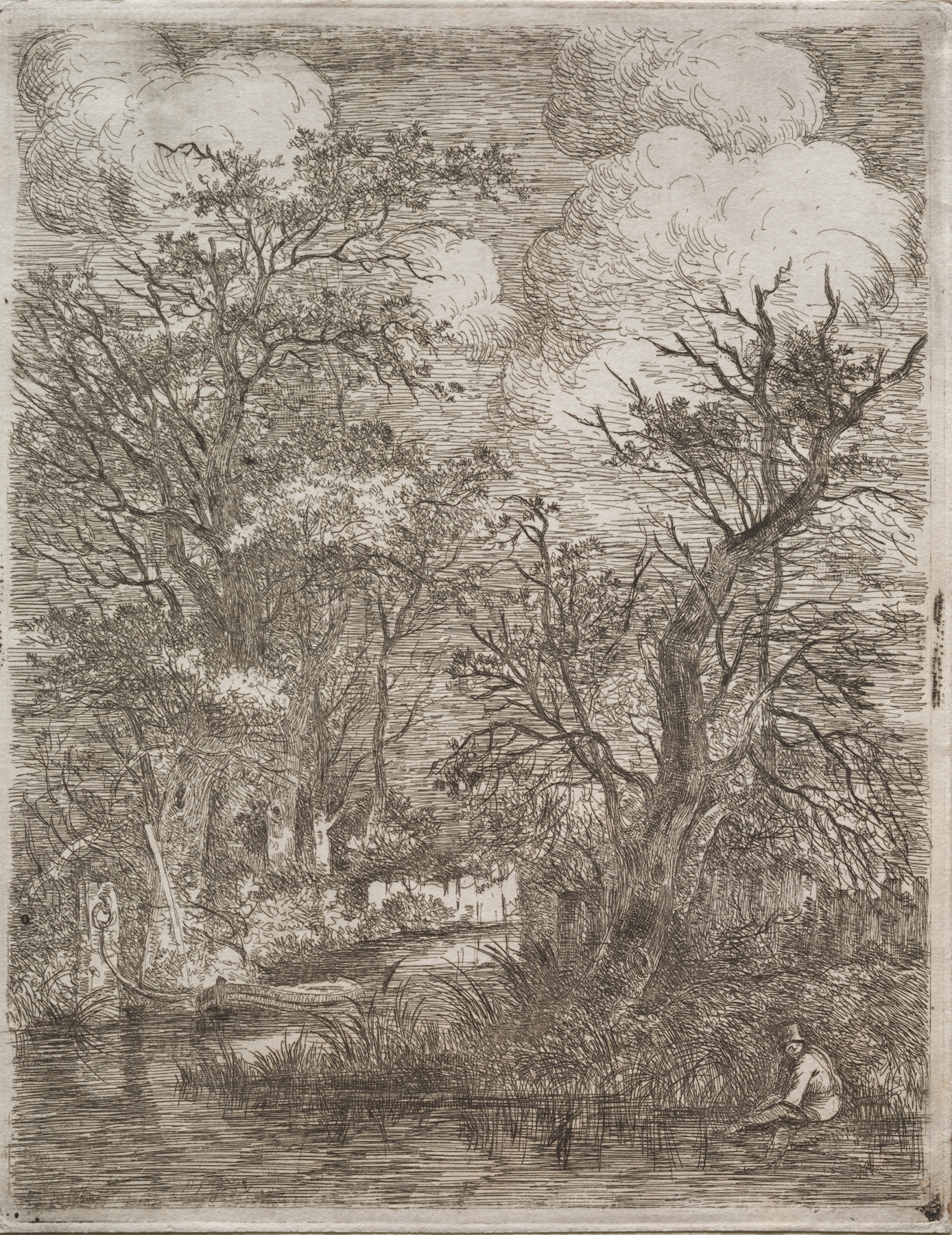
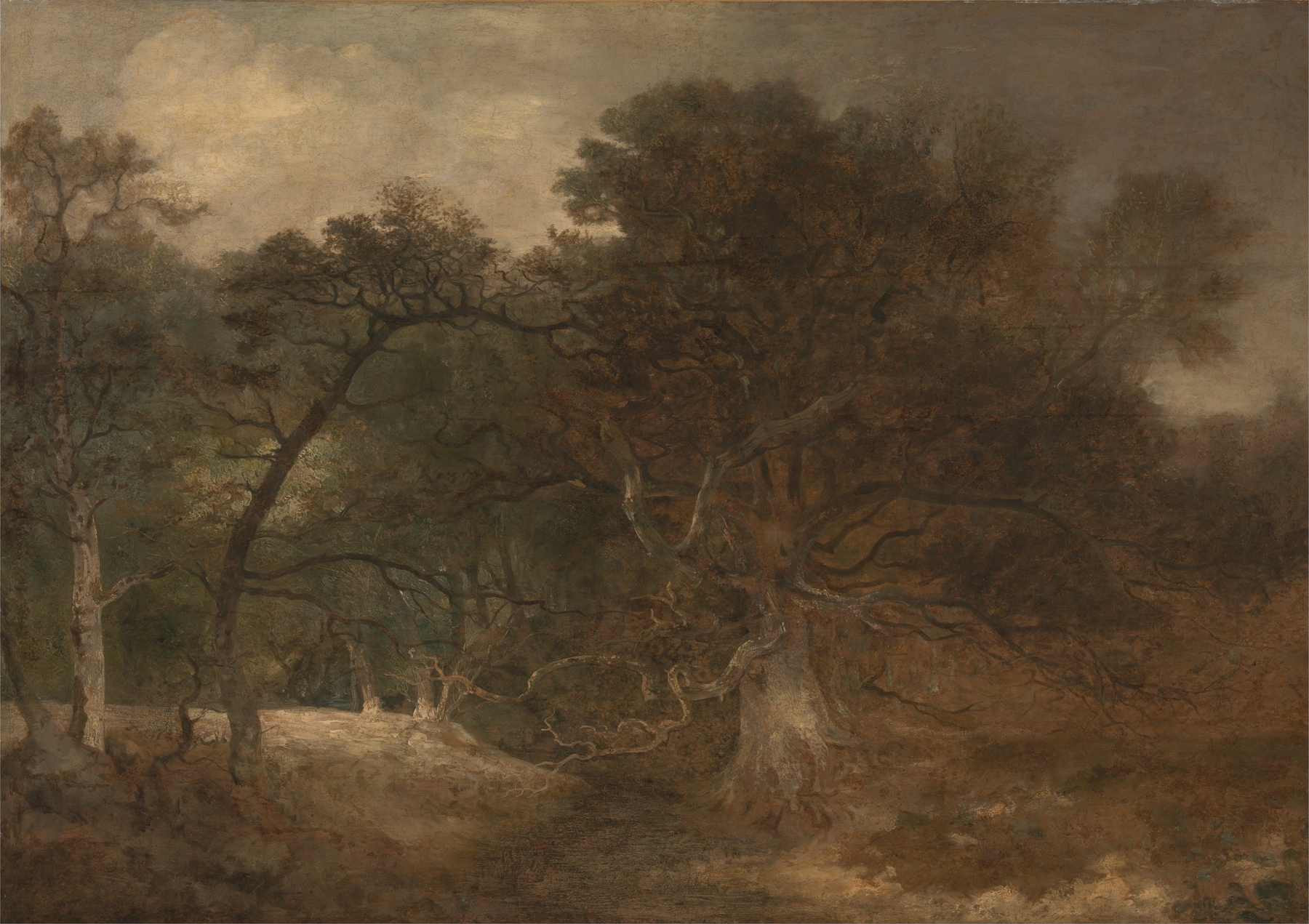
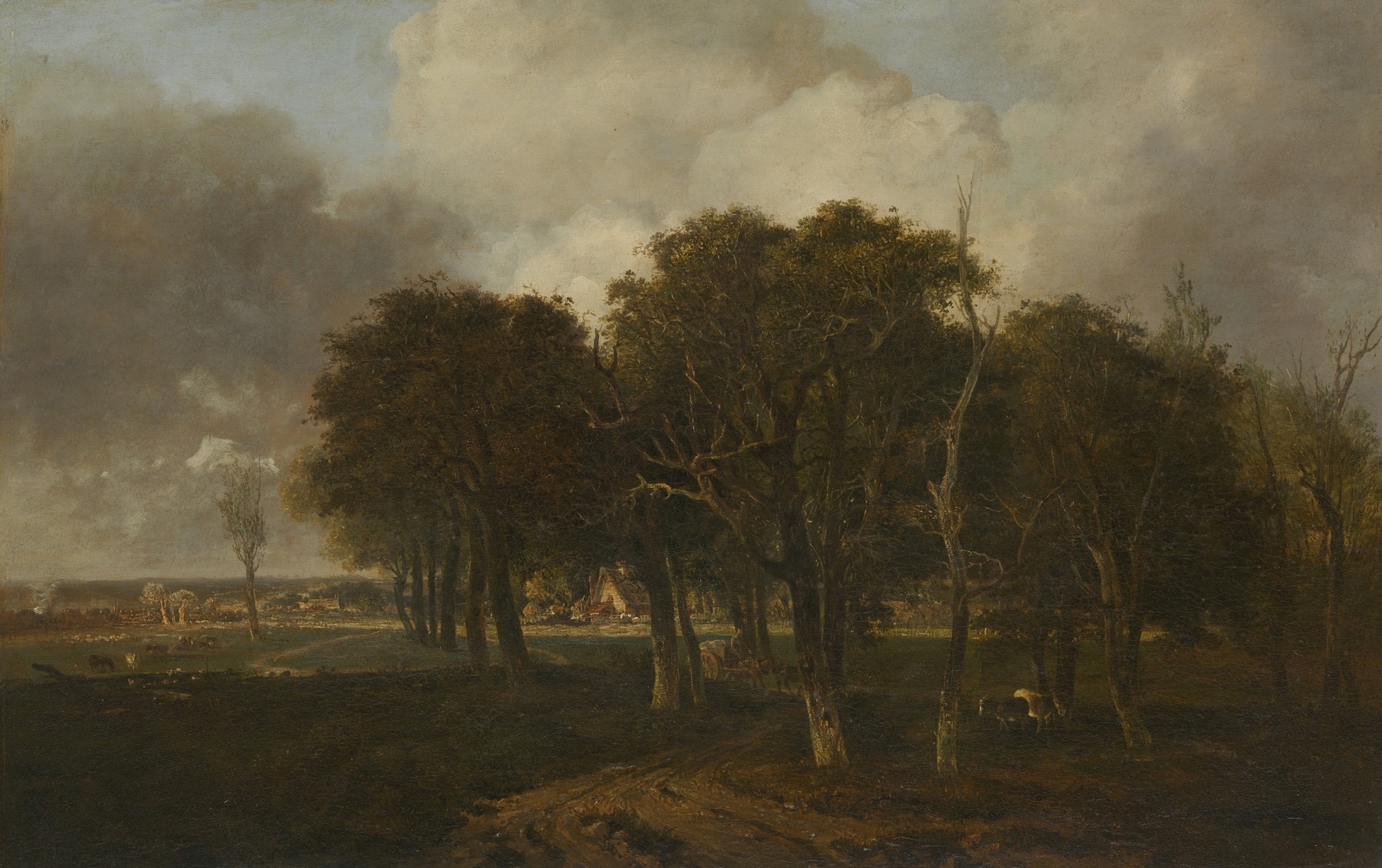
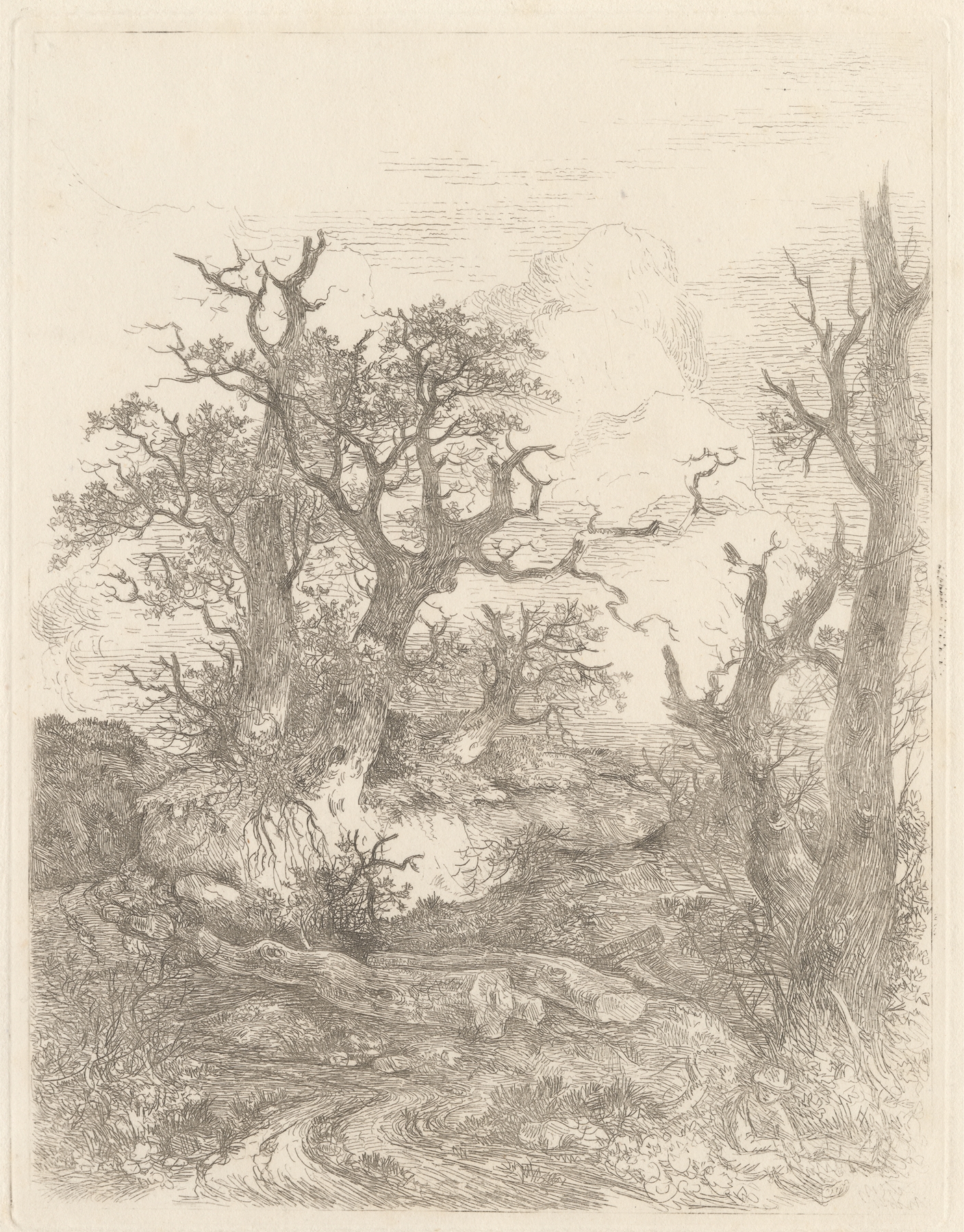
When did color learn to lie? In the realm of art, the interplay of hue and truth invites contemplation, challenging our perceptions of reality and reflection. Look to the left at the towering oak trees, their sturdy trunks anchored in rich browns and deep greens, evoking both strength and serenity. Notice how the dappled light, filtering through the leaves, creates a tapestry of shimmering golds on the grass below.
The sky above, a soft blend of blues and whites, invites an ethereal atmosphere that contrasts with the solid earth. Each brushstroke reveals a careful balance of detail and abstraction, leading the eye to traverse the expansive landscape without haste. Within this serene vista lies a subtle tension, as the tranquil beauty of the oaks symbolizes permanence against the ephemeral nature of the fleeting light. The interplay of shadow and light can be interpreted as a meditation on time itself, suggesting that while the landscape remains unchanged, the sunlight dances and shifts, creating moments that are inherently transient.
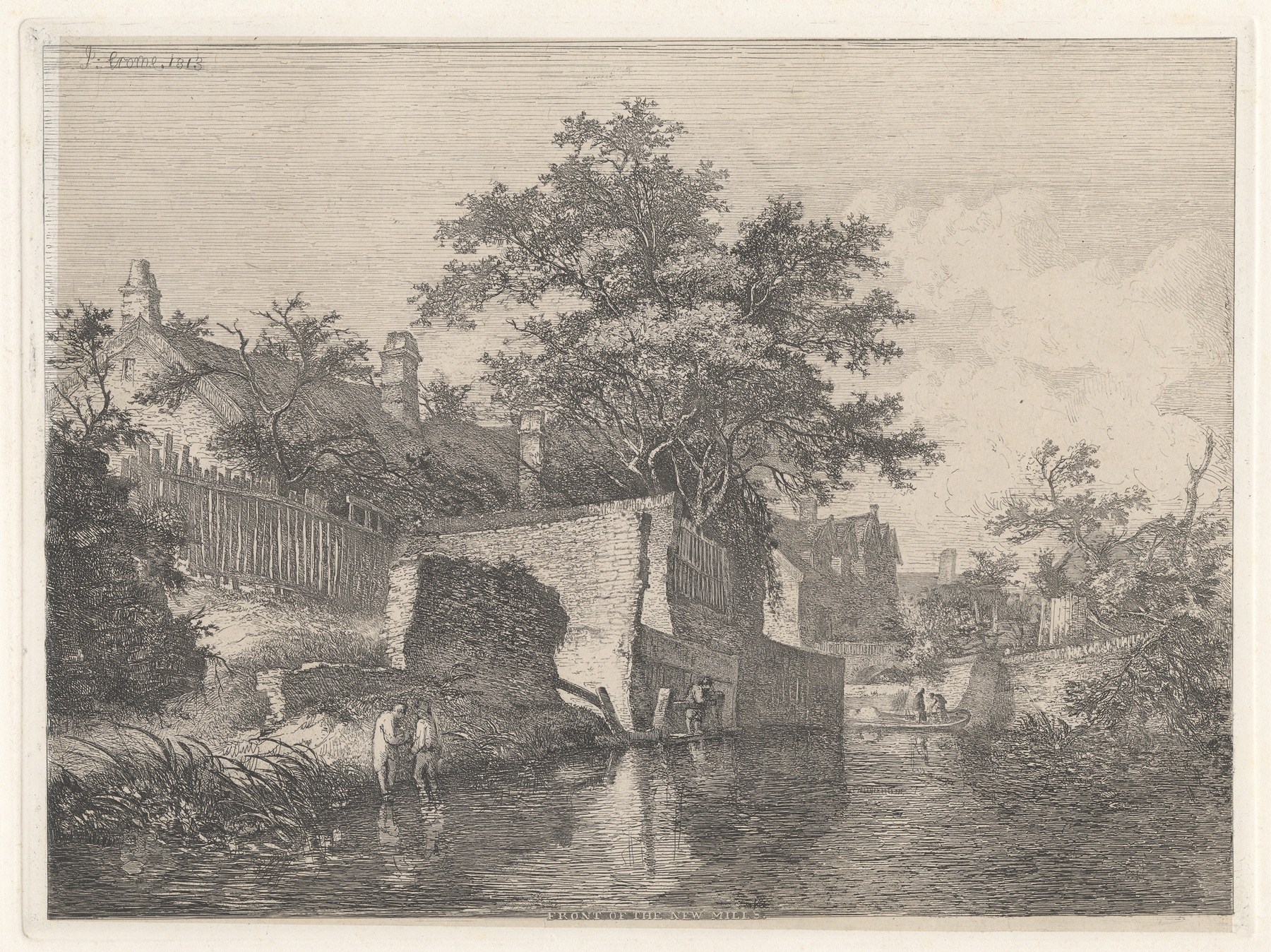
The artist's careful choices in color speak volumes, prompting viewers to reflect on their own relationship with nature and the passage of time. In 1812, John Crome painted this piece in Norwich, where he was part of a vibrant artistic community. At this time, the Romantic movement was gaining momentum, emphasizing emotion and the sublime, while Crome himself sought to capture the beauty of the English countryside. His work marked a departure from the rigid forms of neoclassicism, aligning him with the naturalistic tendencies of the emerging landscape genre.