Front of the New Mills — History & Analysis
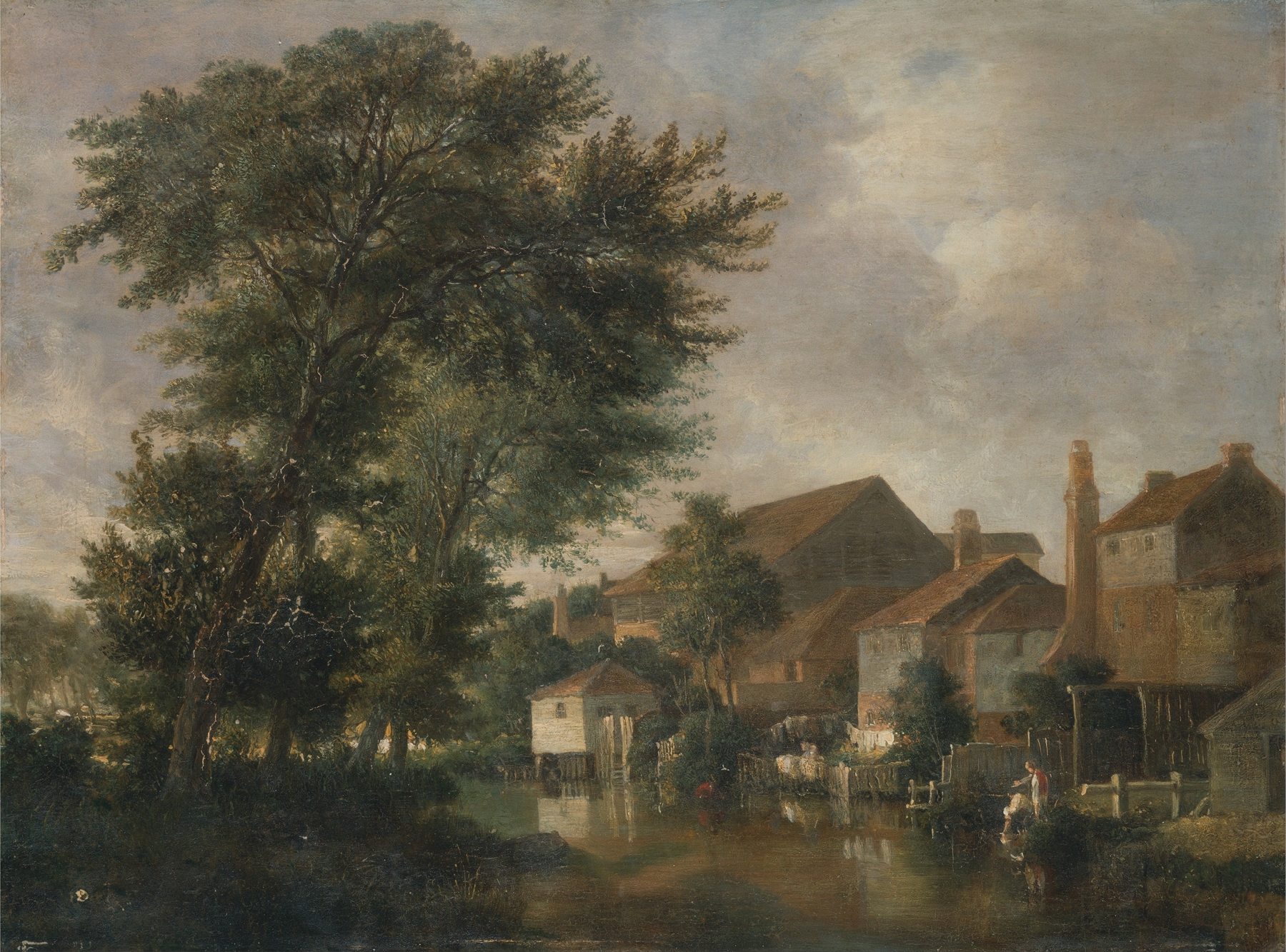
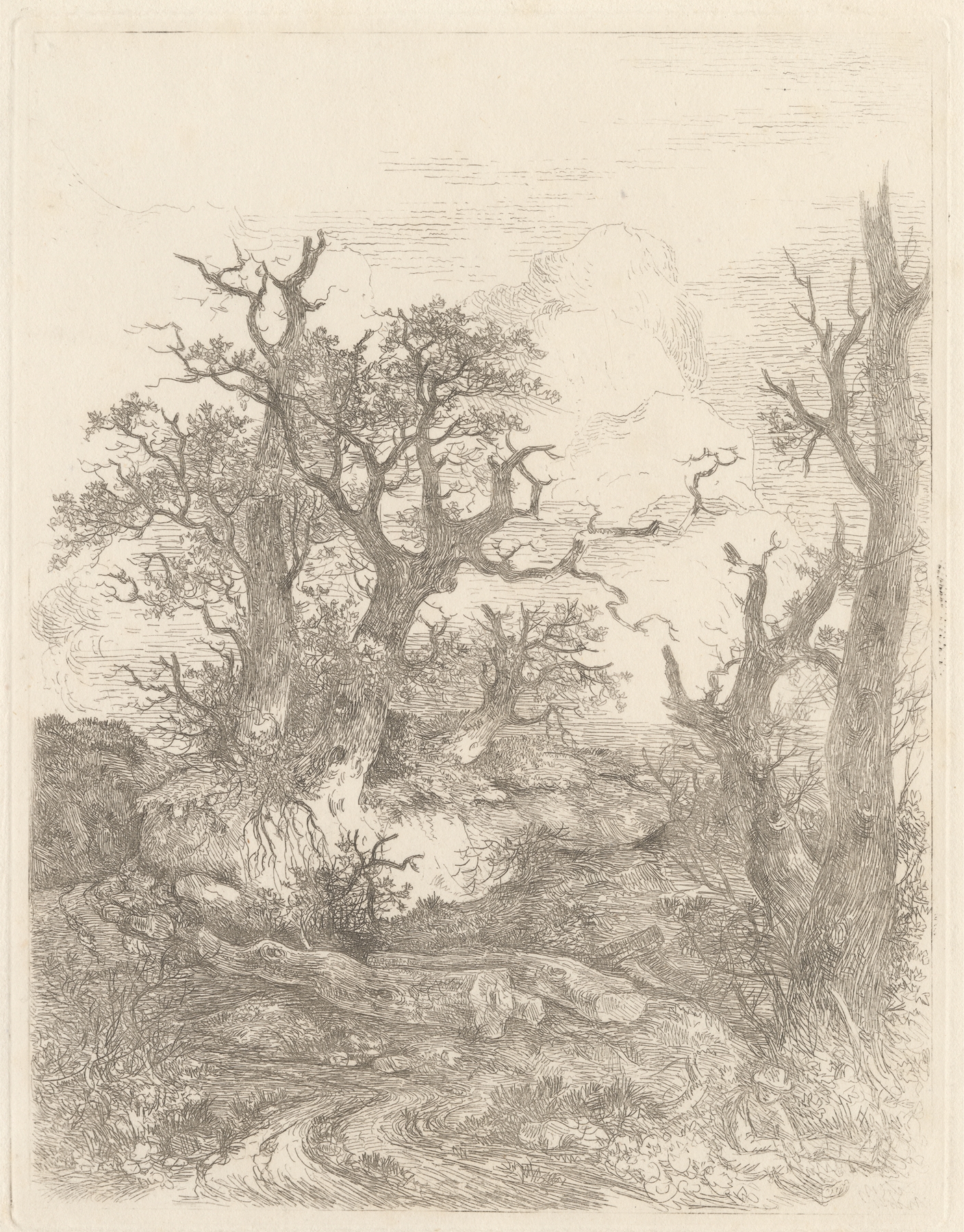
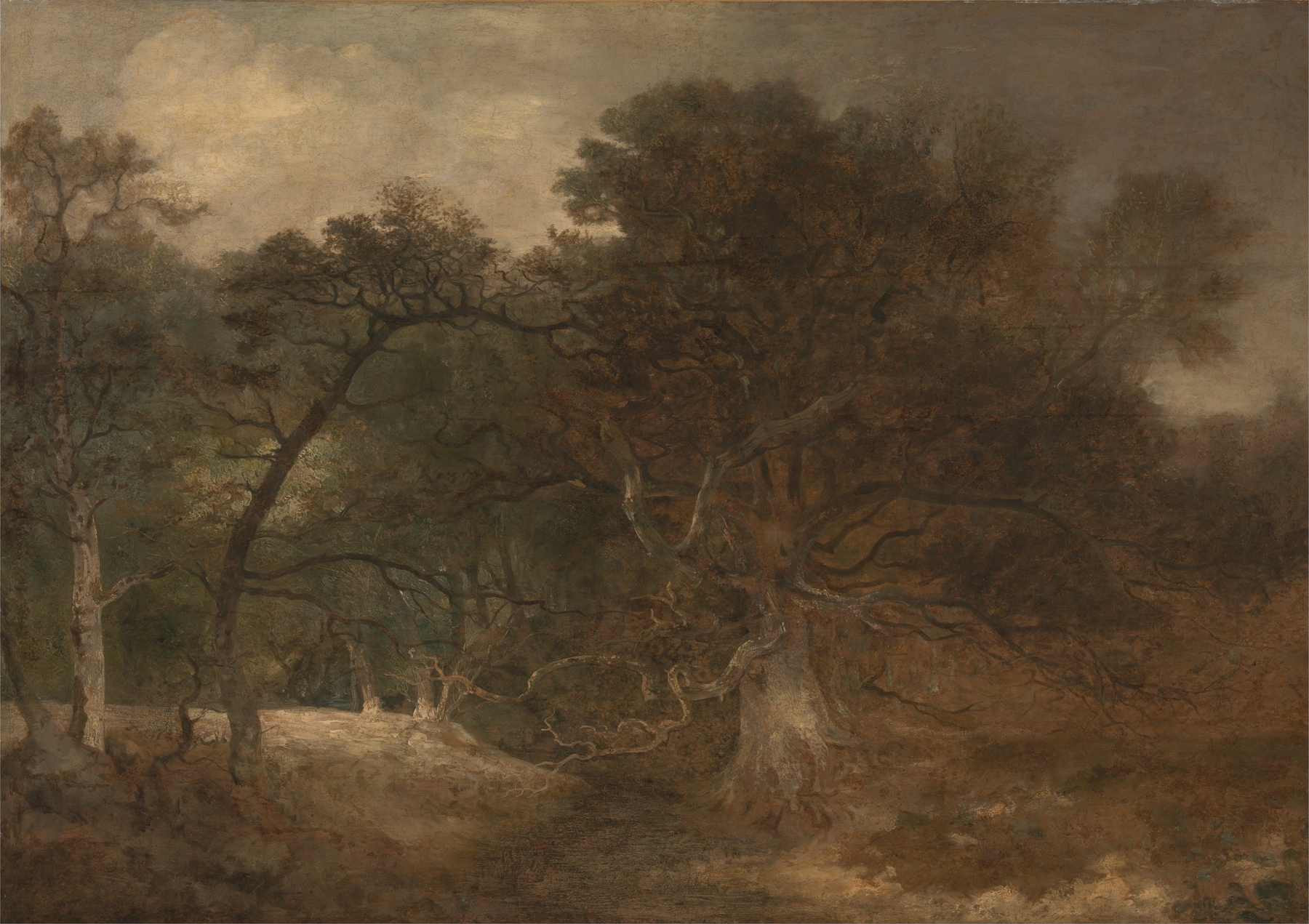
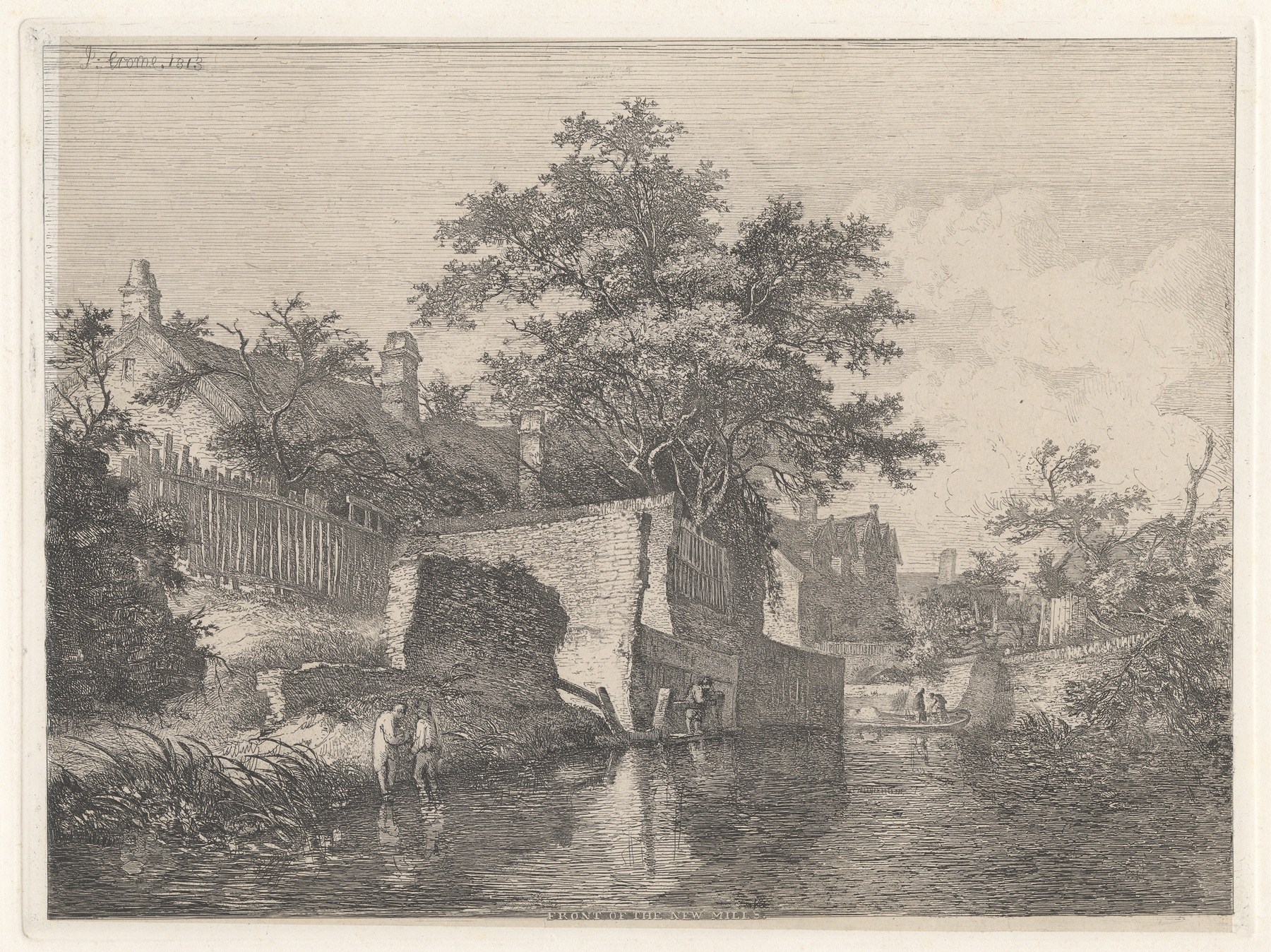
The canvas doesn’t lie — it simply waits. In the stillness of a moment, landscapes like this beckon us toward transcendence, urging our gaze into realms beyond the tangible. Look to the left at the lush greenery, where light dances upon the leaves, creating a vibrant tapestry of greens and golds. The meticulous brushwork reveals a depth of texture that invites you to explore every brushstroke, while the soft, atmospheric haze in the background allows the viewer to feel as though they could step directly into the scene.
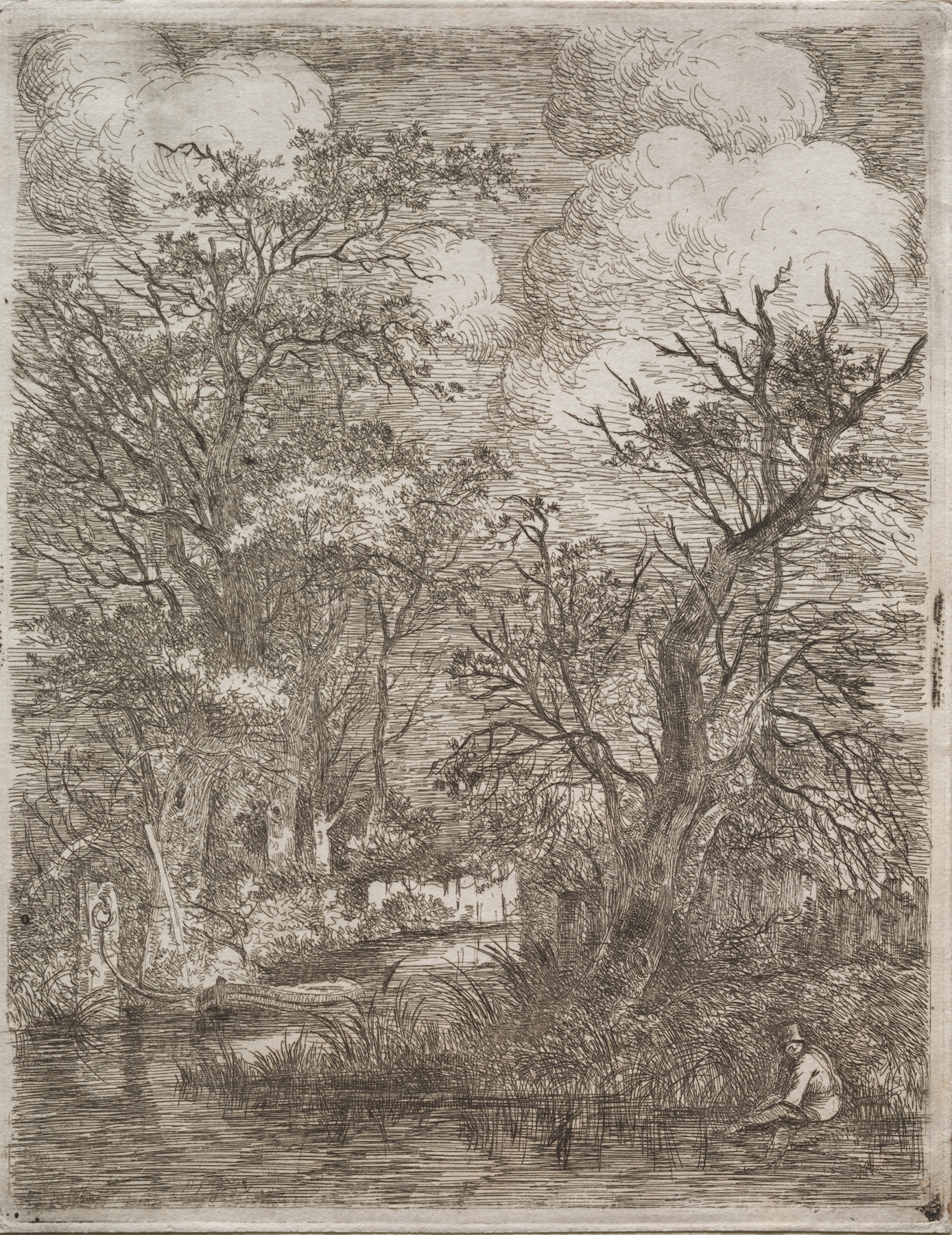
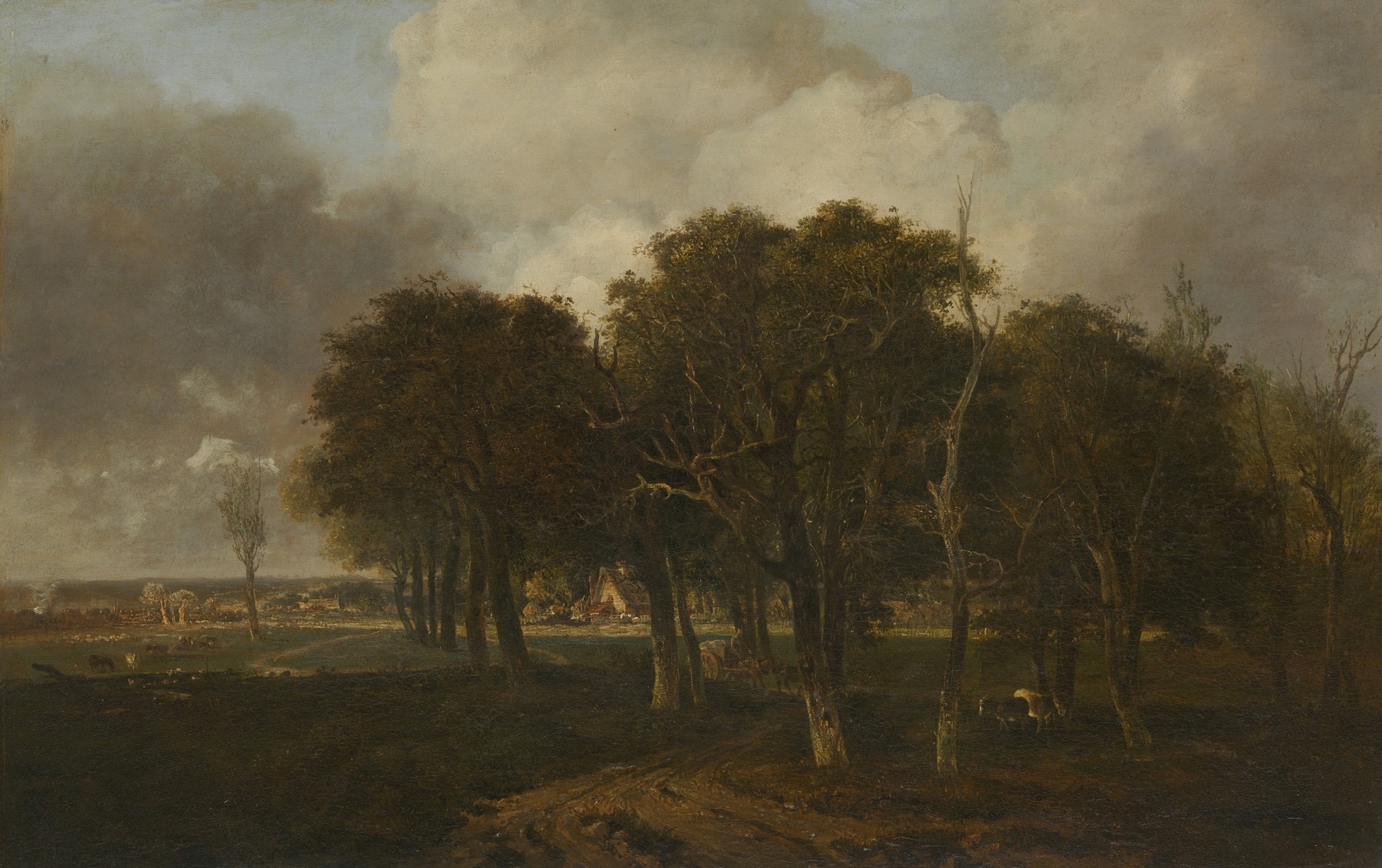
The horizon stretches into a serene sky, punctuated with wispy clouds that seem to cradle the day, adding a tranquil backdrop to the foreground's rich details. Delve deeper into the contrast between the bustling human figures and the serene landscape. Notice how the workers, caught in their daily toil, seem both part of and separate from their surroundings. This juxtaposition evokes a sense of harmony and coexistence between man and nature, yet underscores the tension of mortality against the timelessness of the natural world.
The gentle river reflects not just the scenery but also the essence of life flowing onward, suggesting the persistence of beauty despite human struggles. In 1813, John Crome created this piece in the heart of Norwich, England, amid a burgeoning interest in landscape painting that sought to heighten the emotional connection between viewers and their environments. This period marked a significant shift in art, influenced by Romantic ideals, where nature was not just a backdrop but a vital character in the narrative of existence, exploring themes of tranquility and the sublime.