Landschaft am Rechtenstein — History & Analysis
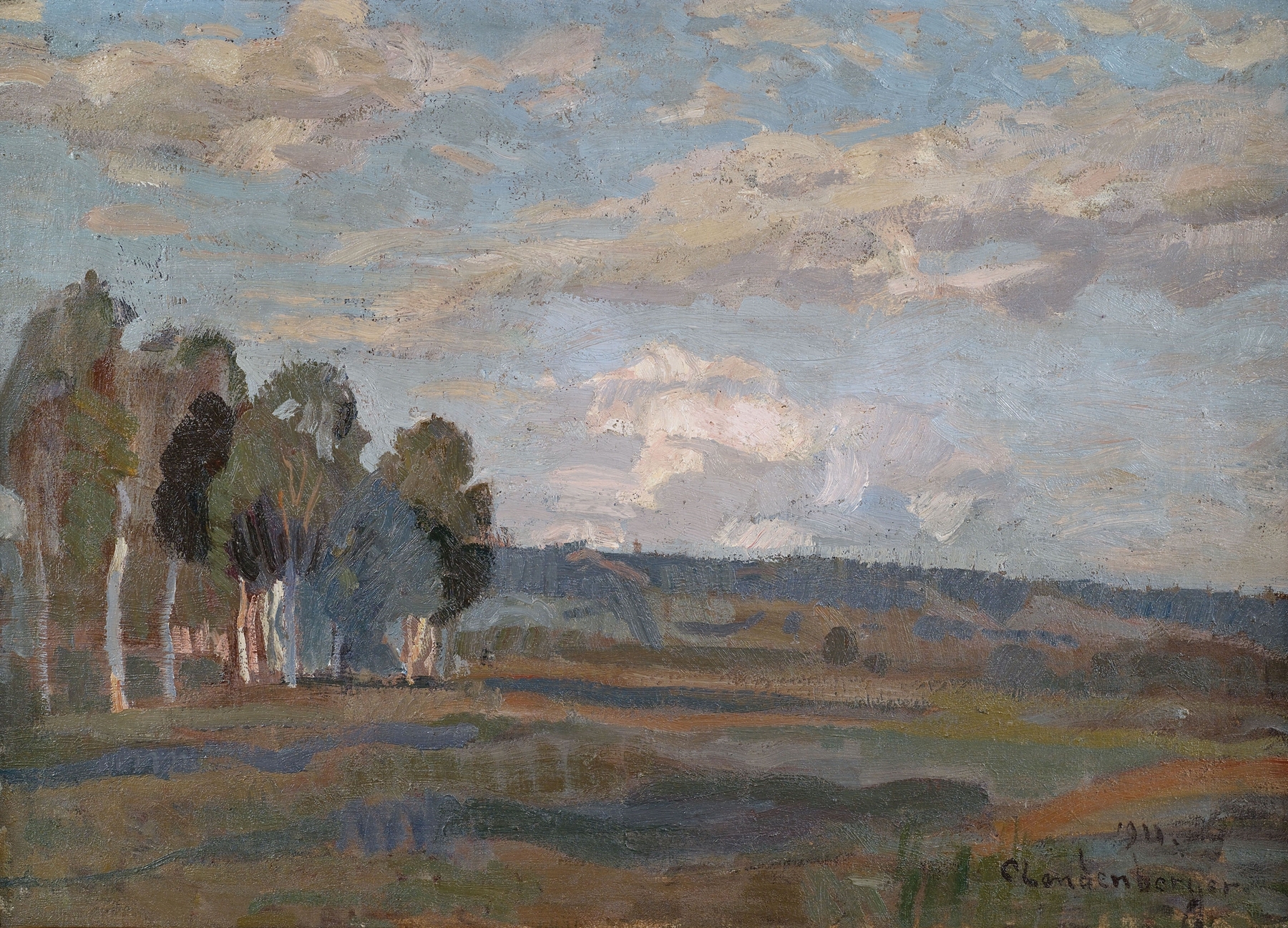
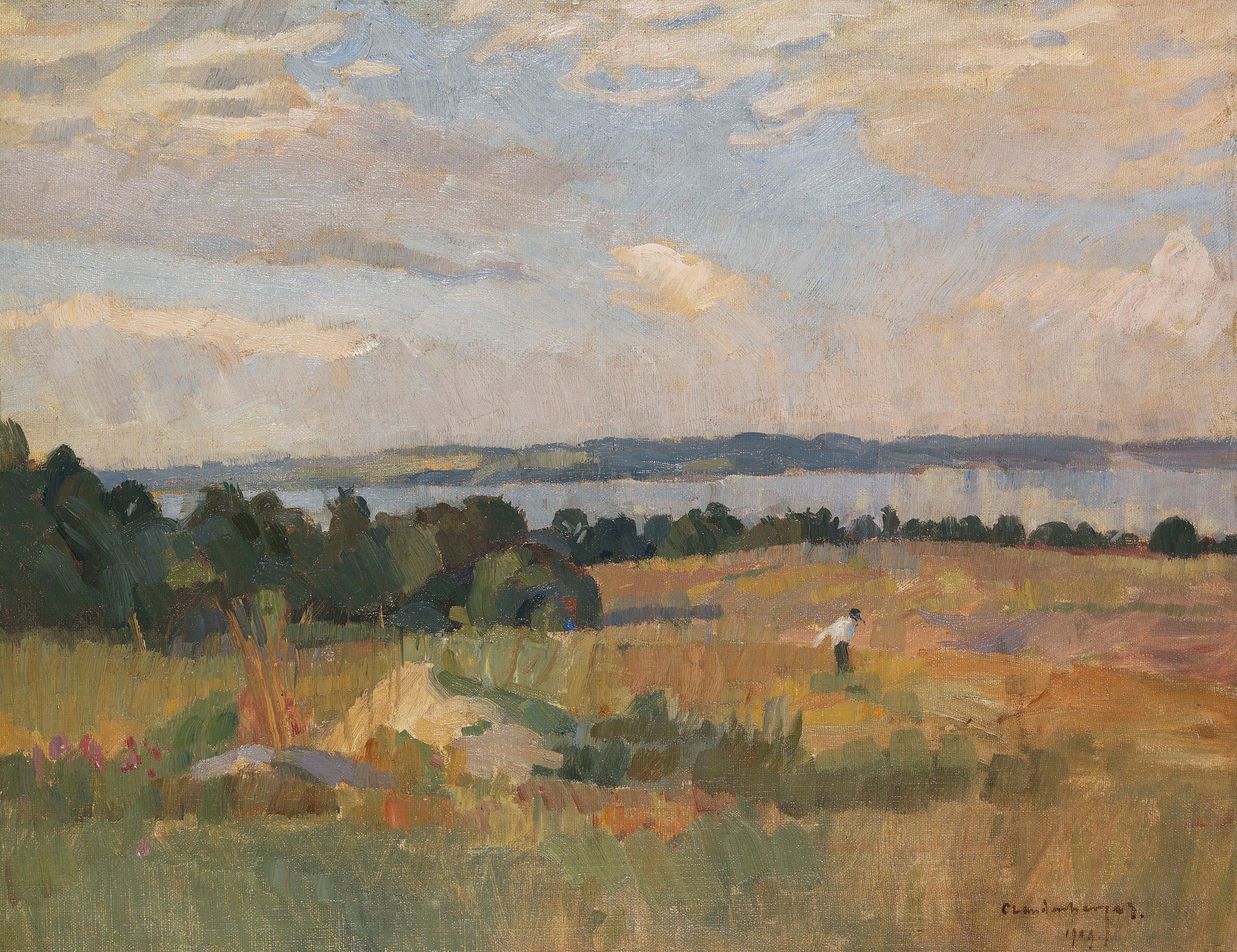
“Every silence here is a confession.” In this tranquil landscape, the delicate balance between nature and stillness reveals a deep, introspective beauty that invites contemplation. Look to the left at the softly undulating hills, their gentle curves cradling a serene valley below. The palette is composed of muted greens and earthy browns, punctuated by dappled sunlight filtering through a canopy of trees. Notice how the artist’s brushstrokes merge seamlessly, creating a sense of harmony that flows through the entire composition.
The horizon line stretches wide, encouraging the viewer's gaze to wander through the idyllic scenery. Yet within this peaceful panorama lies an unspoken tension. The contrast between the lush vegetation and the clear, expansive sky suggests a balance between growth and emptiness. The way the light plays on the foliage hints at fleeting moments and the passage of time, embodying the quiet struggles and joys inherent in both nature and existence.
Each element holds a secret, a whisper of life that resonates in the stillness, urging the viewer to reflect on their own place within this serene tableau. In 1921, Landenberger was navigating the aftermath of World War I, a period marked by both personal and collective recovery. Living in Germany, he sought to reconnect with the land and its inherent beauty during a time of upheaval. This work exemplifies an era where artists turned to nature as a refuge, seeking solace and balance amid chaos, capturing the enduring spirit of the landscape that surrounds them.