Landschaft — History & Analysis
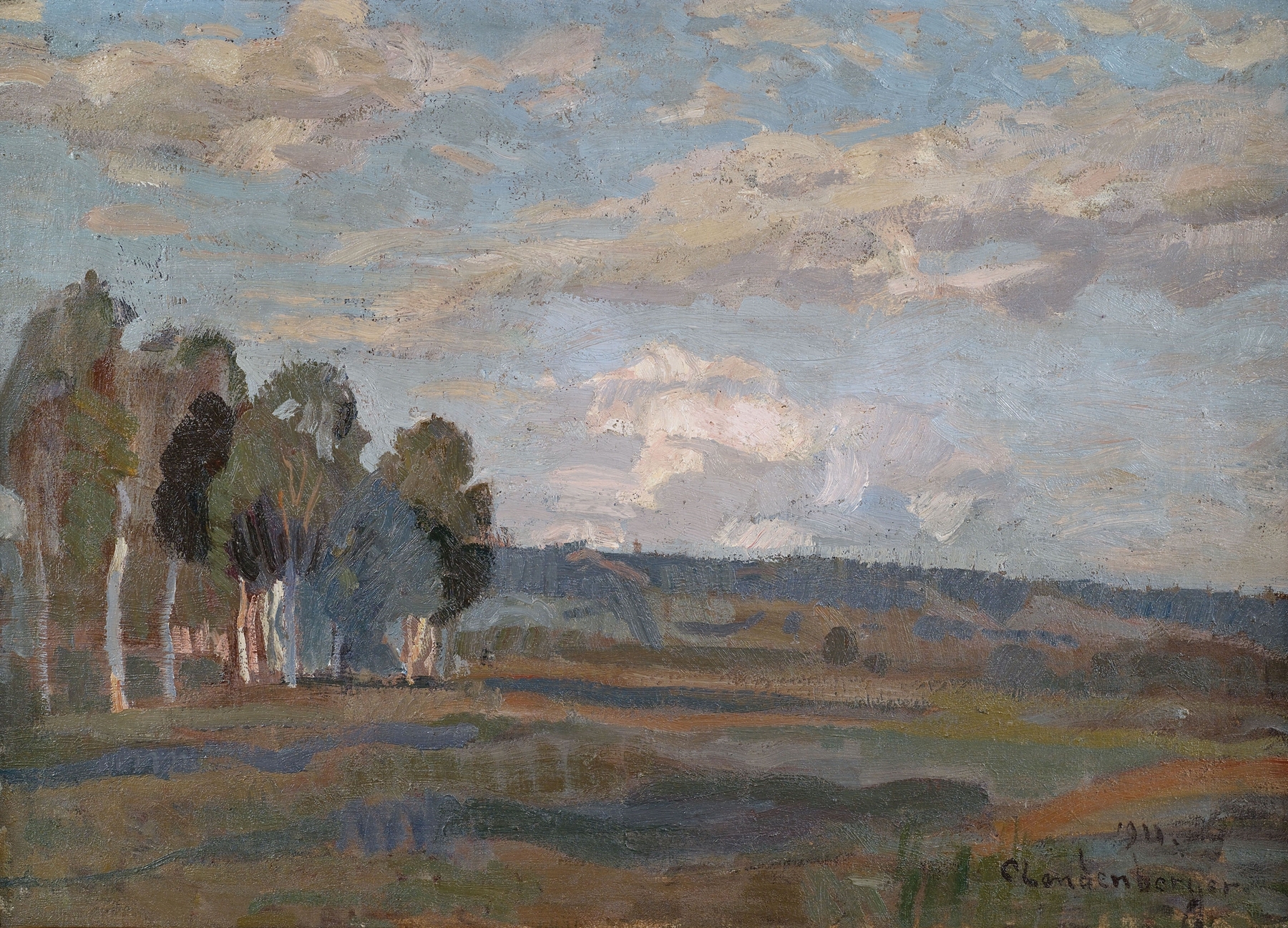
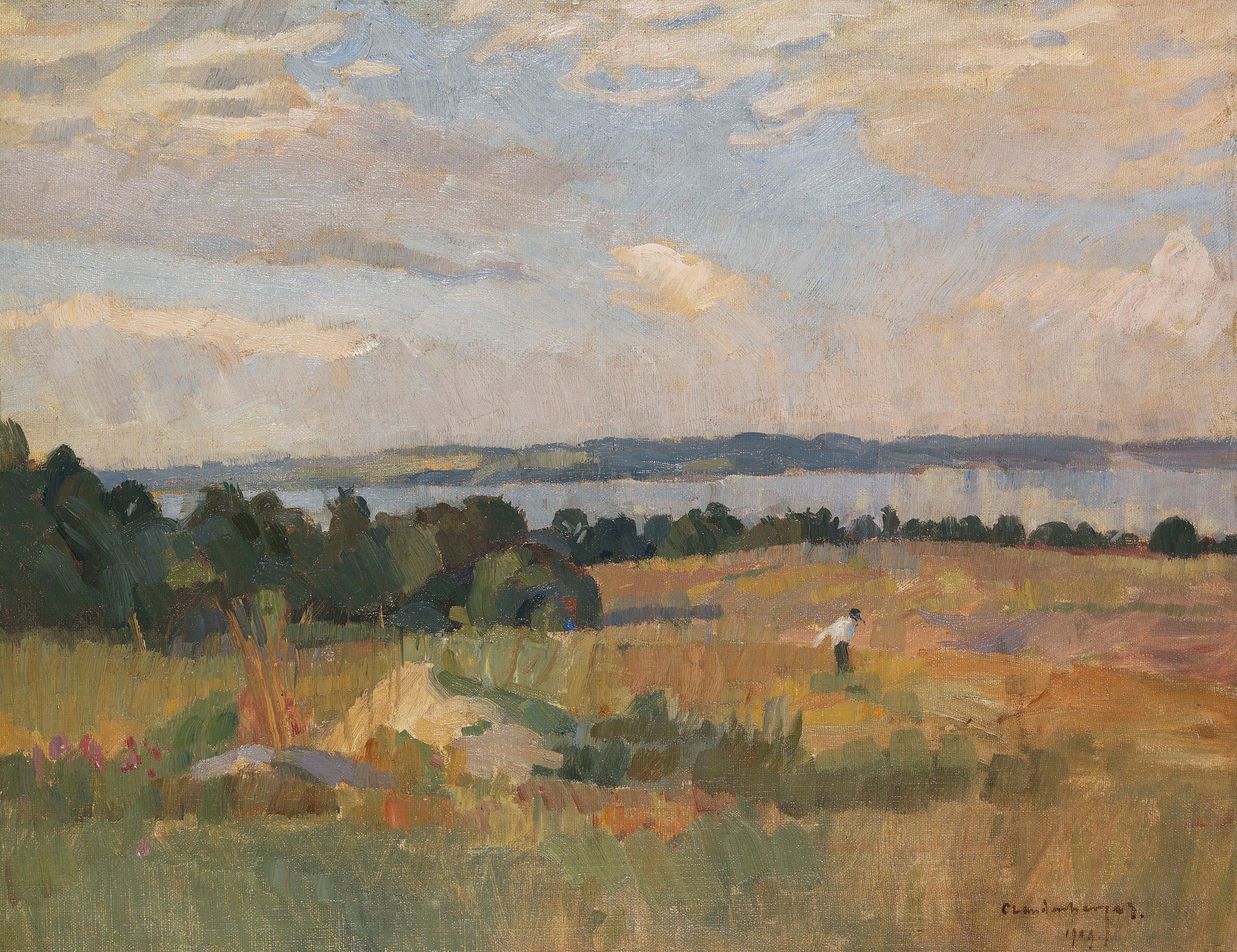
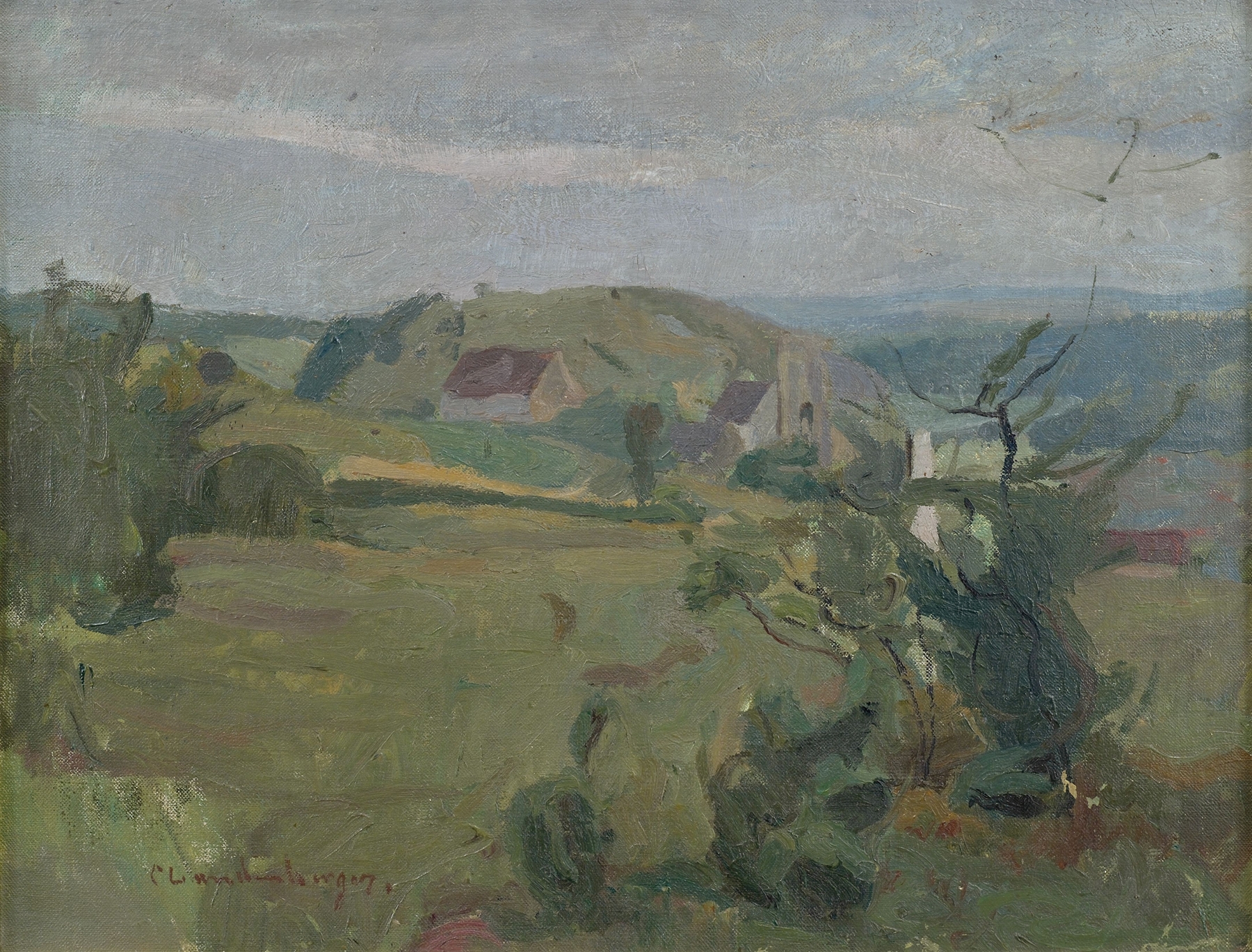
“Between color and silence, truth hides.” In a world on the brink of revolution, art becomes both a refuge and a battlefield. Look to the left at the gentle slopes of the hills, where muted greens blend seamlessly into soft blues, evoking a sense of tranquility amid the chaos. Notice how the delicate brushstrokes create a tapestry of texture across the landscape, making the viewer feel the cool breeze that stirs the stillness. The composition draws the eye through a harmonious palette, guiding thoughts toward the natural cycle of life and the latent tensions of a world poised for change.
Beneath the surface, the landscape vibrates with contradictions—a serene façade masking the turmoil of a society in flux. The seemingly peaceful scene is an echo of a world grappling with the throes of impending conflict, hinting at the emotional weight carried by those who witness both beauty and despair. Each element, from the distant horizon to the quiet foreground, serves as a reminder of the delicate balance between aspiration and reality, urging reflection on the nature of existence itself.
In 1916, Landenberger was deeply influenced by the tumultuous political landscape of Europe during World War I. Living in Switzerland—a neutral country during the conflict—he sought solace in depicting nature, while simultaneously responding to the turbulence surrounding him. This piece reflects a moment in his life where art became a sanctuary, a means of communicating the complex emotions of an era marked by upheaval and transformation.