Launching at Deptford — History & Analysis
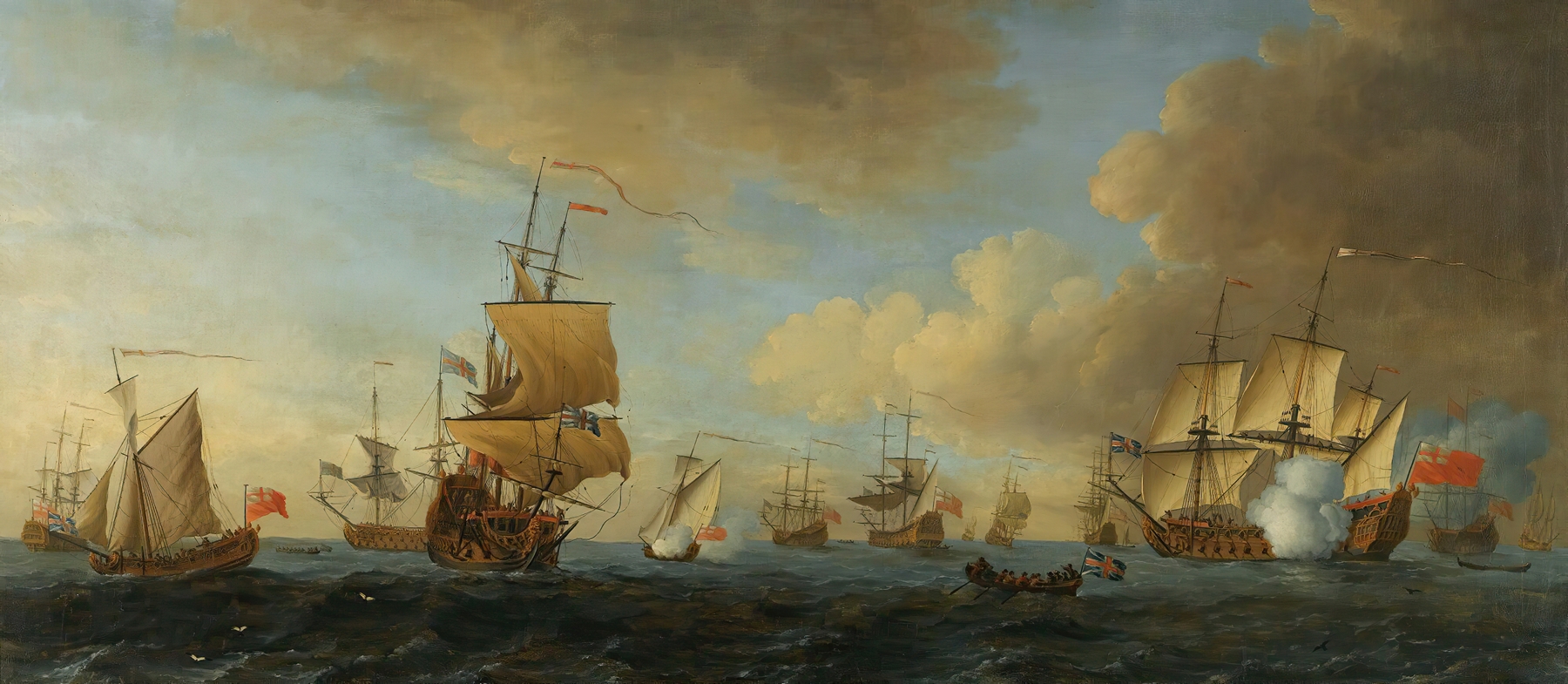
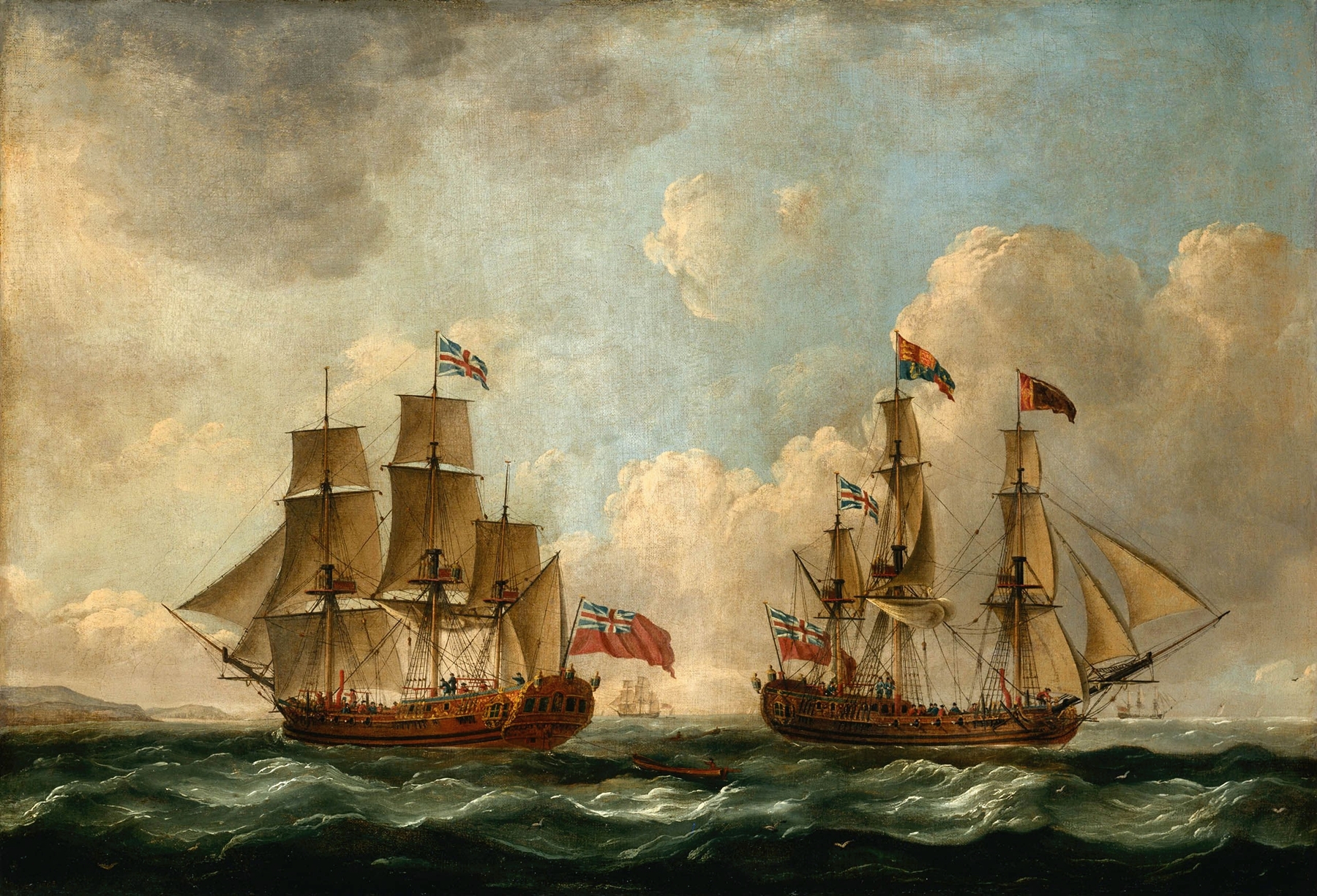
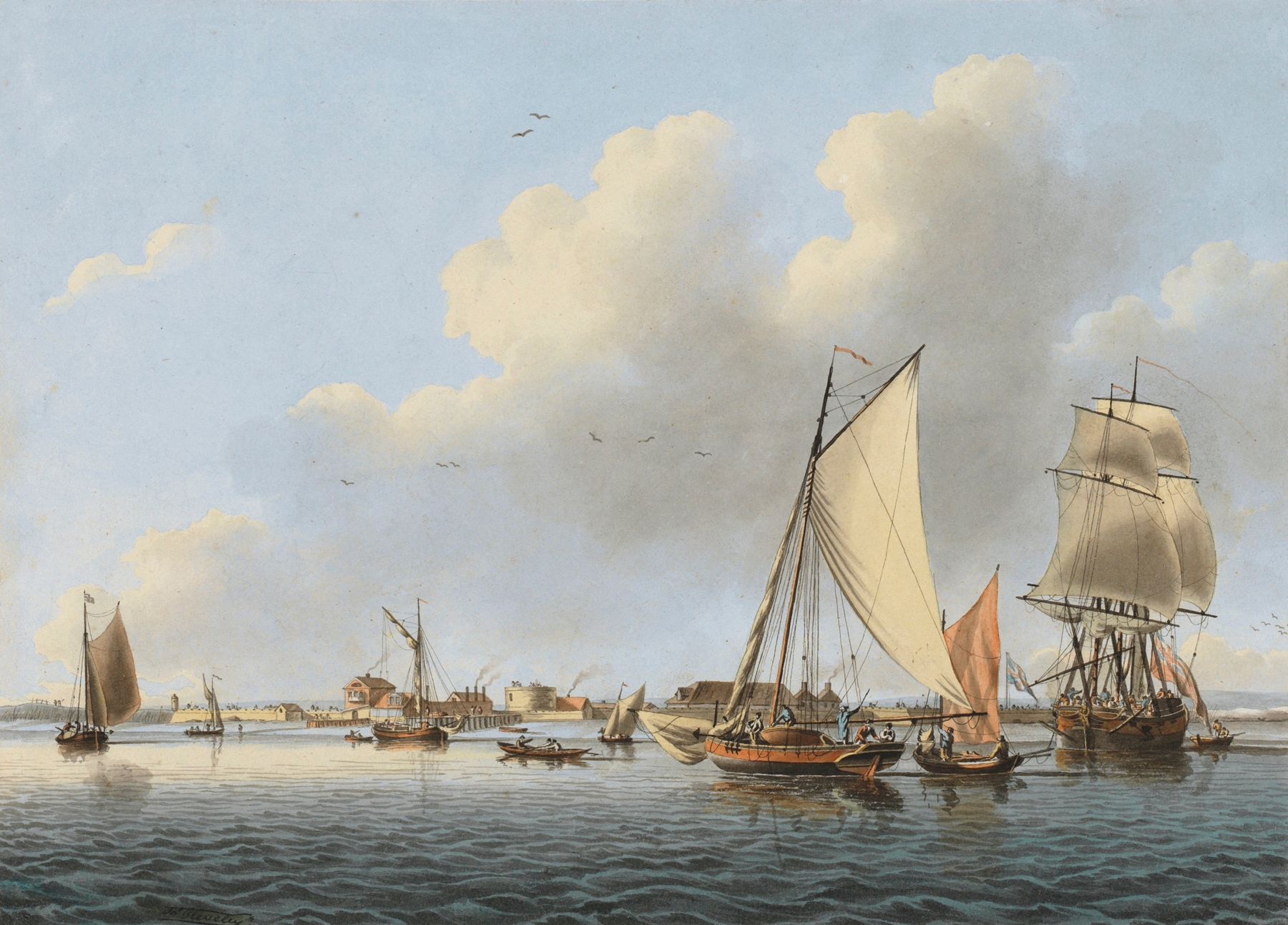
What if silence could speak through light? In Launching at Deptford, the tension between desire and anticipation is palpable, filling the air with an unvoiced yearning that transcends time. Look to the center of the canvas, where a ship, poised for launch, embodies both hope and the unknown. Notice how the sunlight shimmers on the water, illuminating the vessel’s hull while casting elongated shadows that suggest movement soon to come.
The contrast of rich blues and soft earth tones creates a dynamic interplay, drawing your eye to the figures gathered along the shoreline, their postures imbued with a mixture of excitement and apprehension. Emotional undercurrents ripple through the scene, revealing layered meanings. The ship represents not just a vessel, but a gateway to adventure and the aspirations of those watching. Each individual stands frozen in a moment of collective yearning, their gazes fixed on the soon-to-be launched ship, hinting at dreams and desires tied to the sea.
The quiet anticipation in the faces of the crowd contrasts sharply with the dynamic motion suggested by the water, encapsulating a moment where desire hangs delicately in the balance between reality and aspiration. John Cleveley the elder painted during a period when maritime exploration was at the forefront of societal imagination, likely in the late 18th century. Working primarily in England, he captured the vibrant life and bustling activity surrounding docks and ships, reflecting both the spirit of adventure and the economic significance of maritime trade. At this time, such images were not just art; they were a reflection of a burgeoning era of exploration and commerce.