The Peregrine (later renamed the Royal Caroline) in Two Positions off the Coast) — History & Analysis
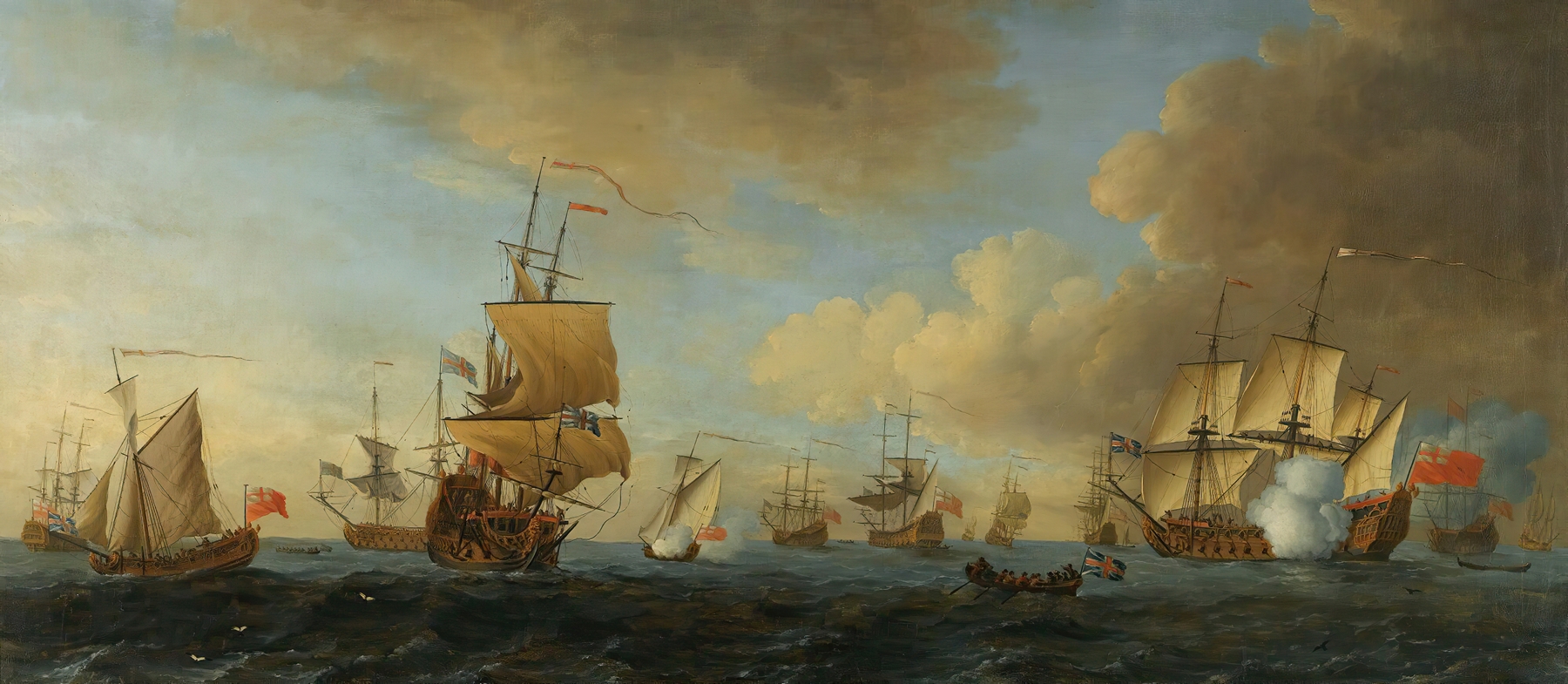
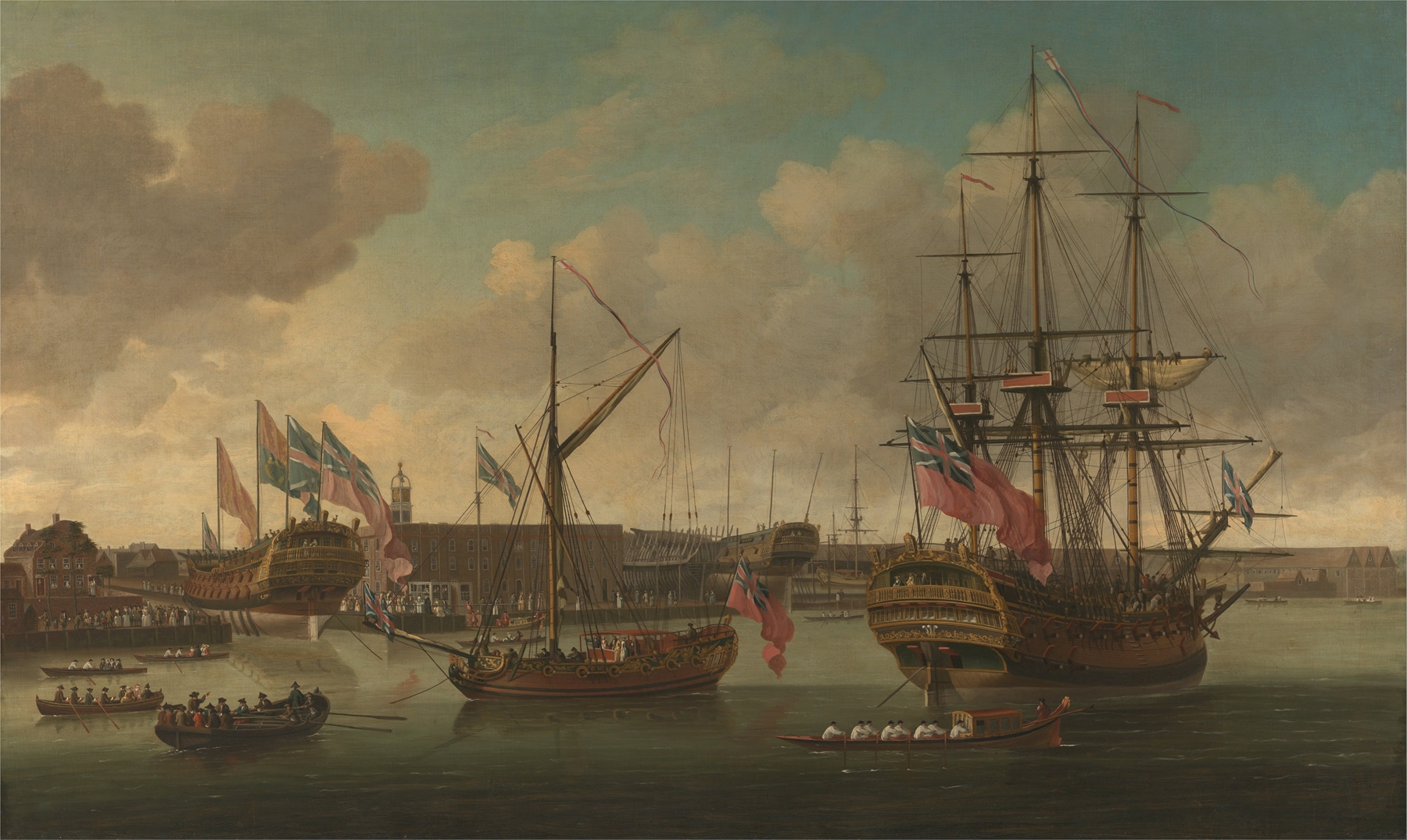
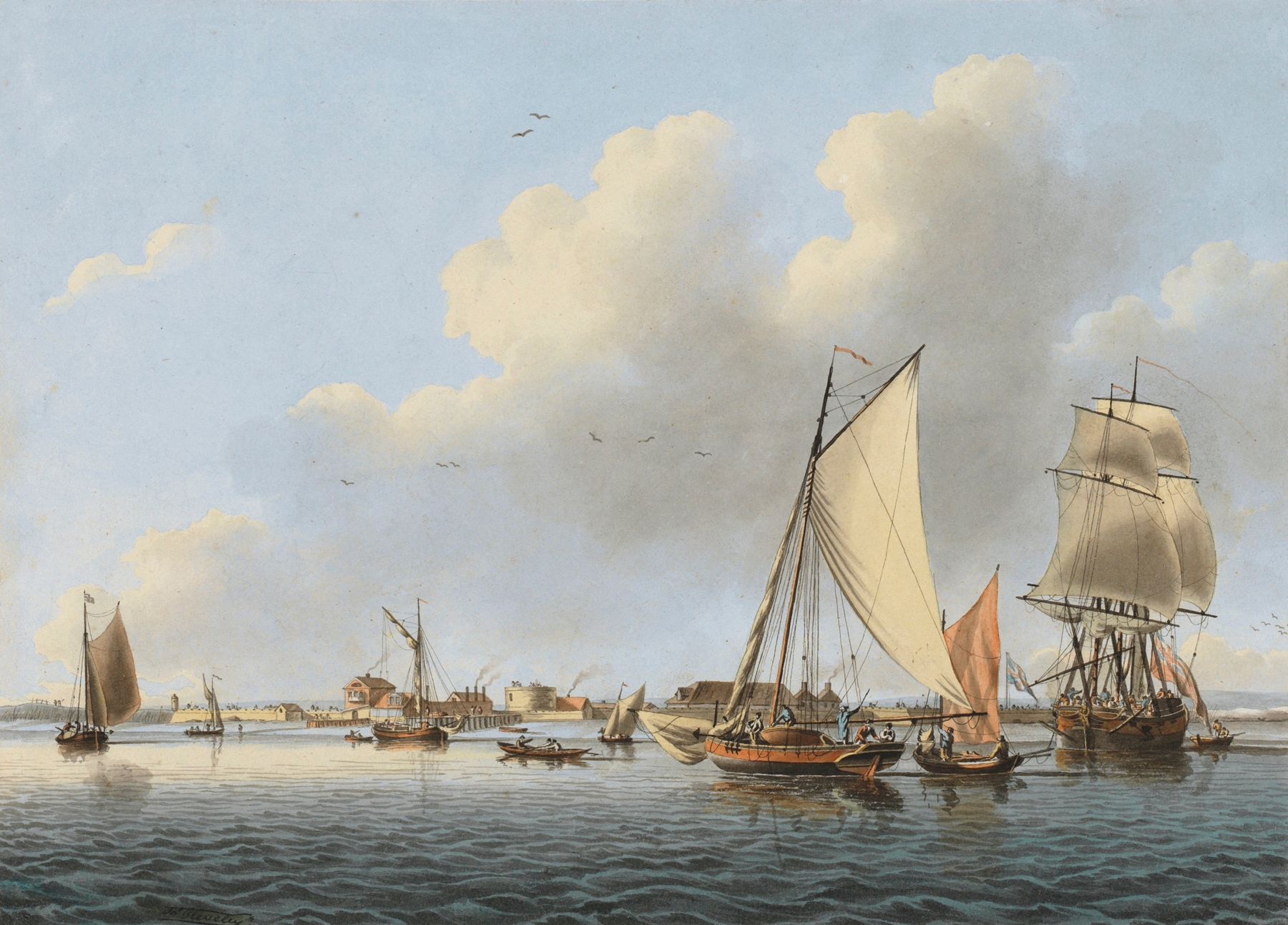
“Every silence here is a confession.” In the delicate space between reality and illusion lies the heart of maritime artistry, where ships become vessels of both beauty and contemplation. Look closely at the foreground, where the majestic Peregrine reveals itself, her sails billowing against a backdrop of tranquil waters. The artist skillfully uses soft blues and greens to render the sea, contrasting with the crisp white sails that catch the play of light. The subtle brushstrokes depict the ripples in the water, creating a mesmerizing dance that draws the viewer's eye toward the horizon, suggesting movement and adventure.
Yet, beneath the surface allure, a profound tension simmers. The two positions of the ship hint at duality: the steadfastness of the vessel juxtaposed against the unpredictable nature of the sea. Each wave may conceal a story, and the painting invites reflection on the transient moments of life, where stability and turmoil can coexist. The absence of human figures underscores an eerie solitude, compelling us to ponder our own journeys and the silent confessions of those who traverse these waters.
John Cleveley the elder painted The Peregrine in 1766 while residing in England, a time when maritime exploration was at its zenith. The artistic community was alive with the influence of naturalism, as artists sought to capture the essence of the world around them. Cleveley’s focus on naval subjects reflected not only personal interest but also the broader cultural fascination with the sea as a symbol of freedom and adventure, yet fraught with danger and uncertainty.