Le Pont d’Austerlitz — History & Analysis
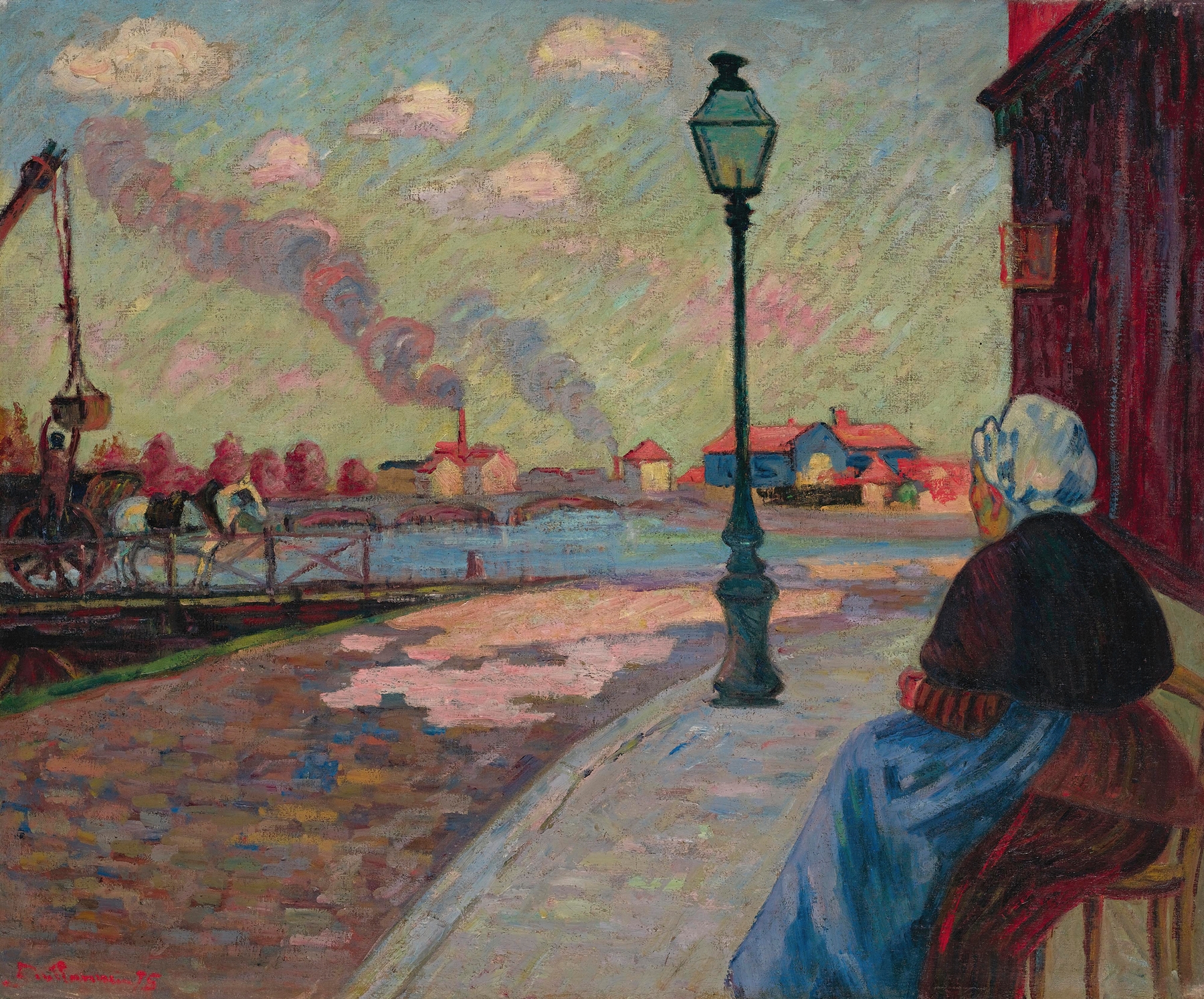
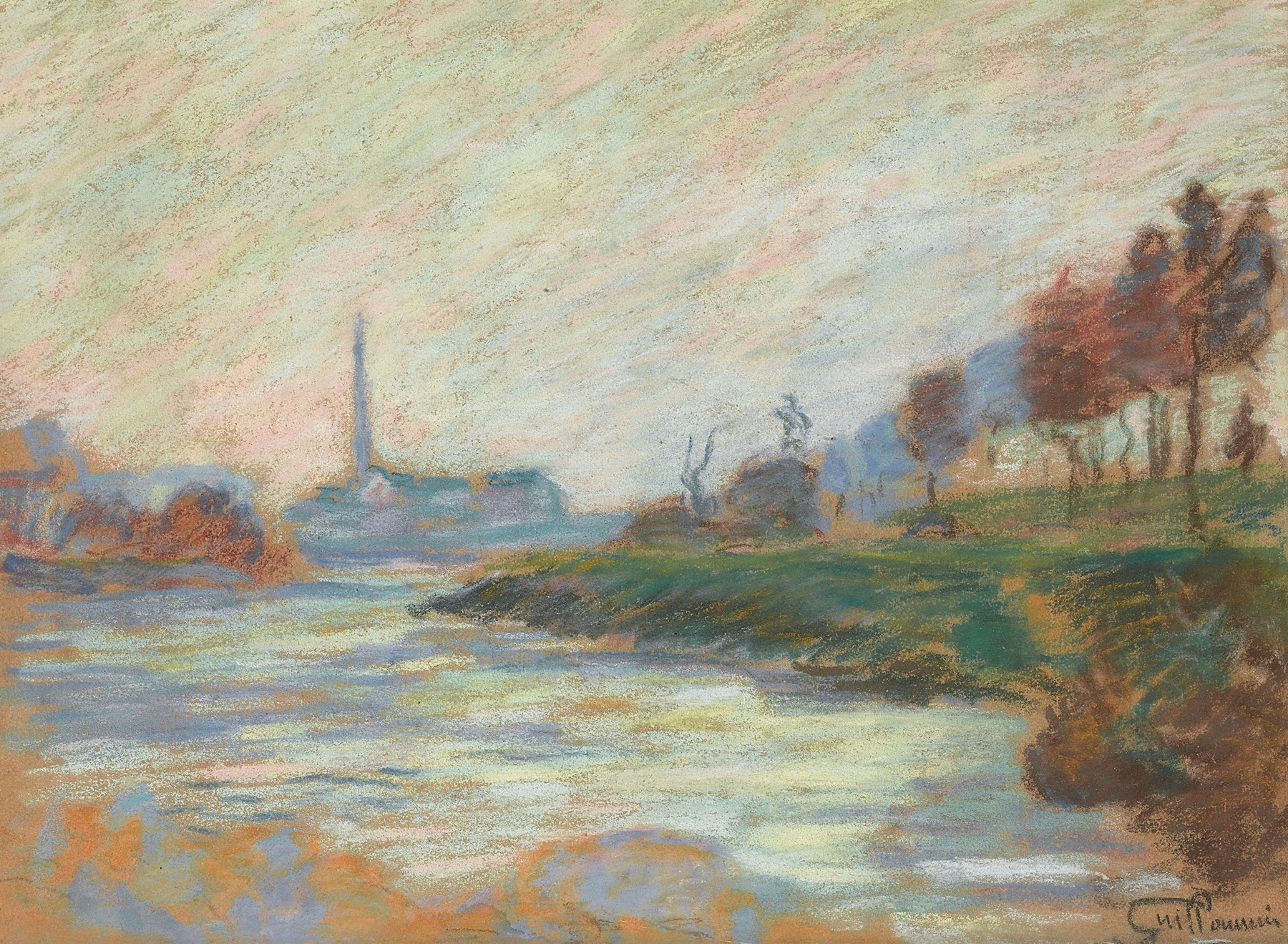
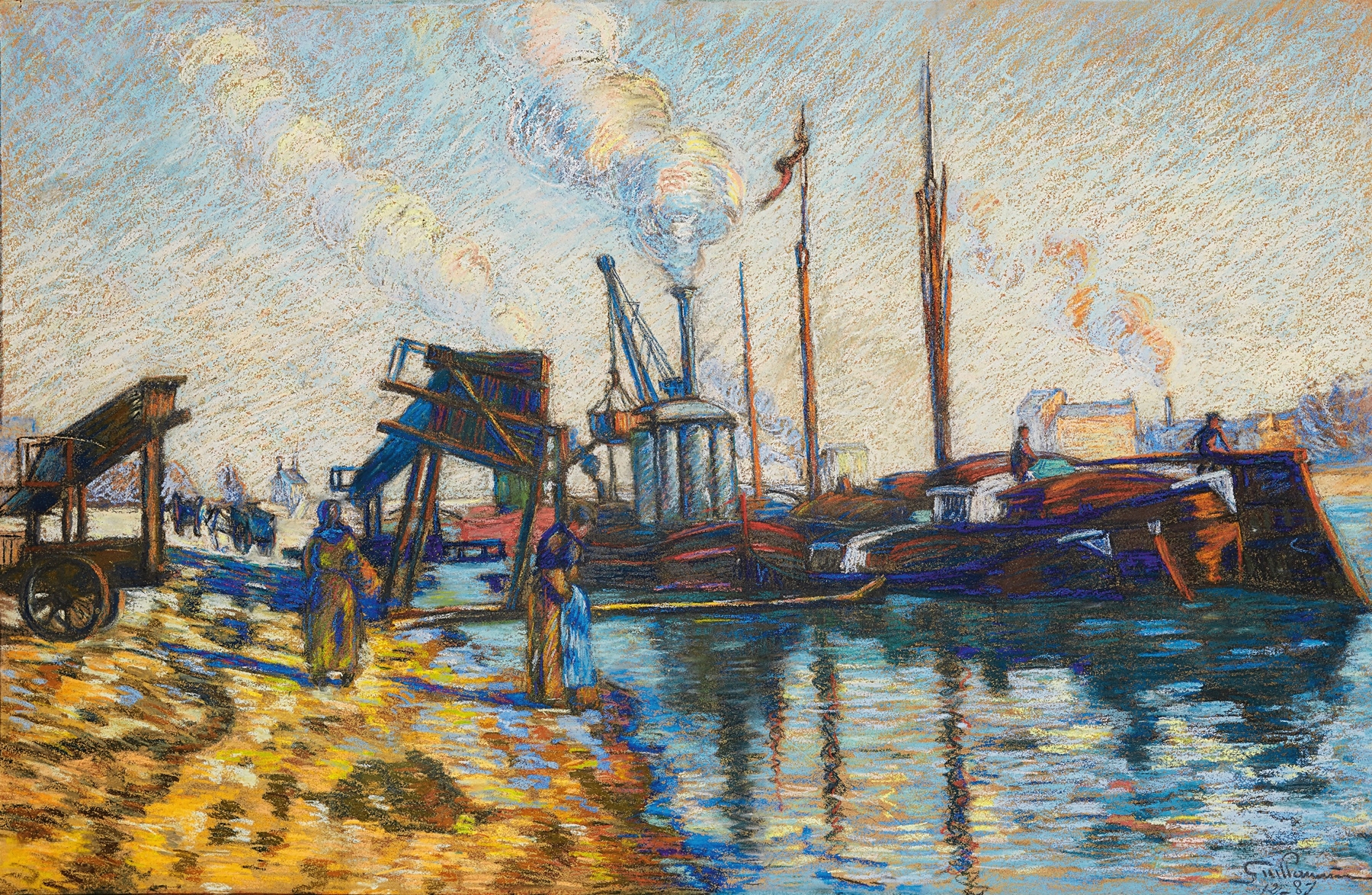
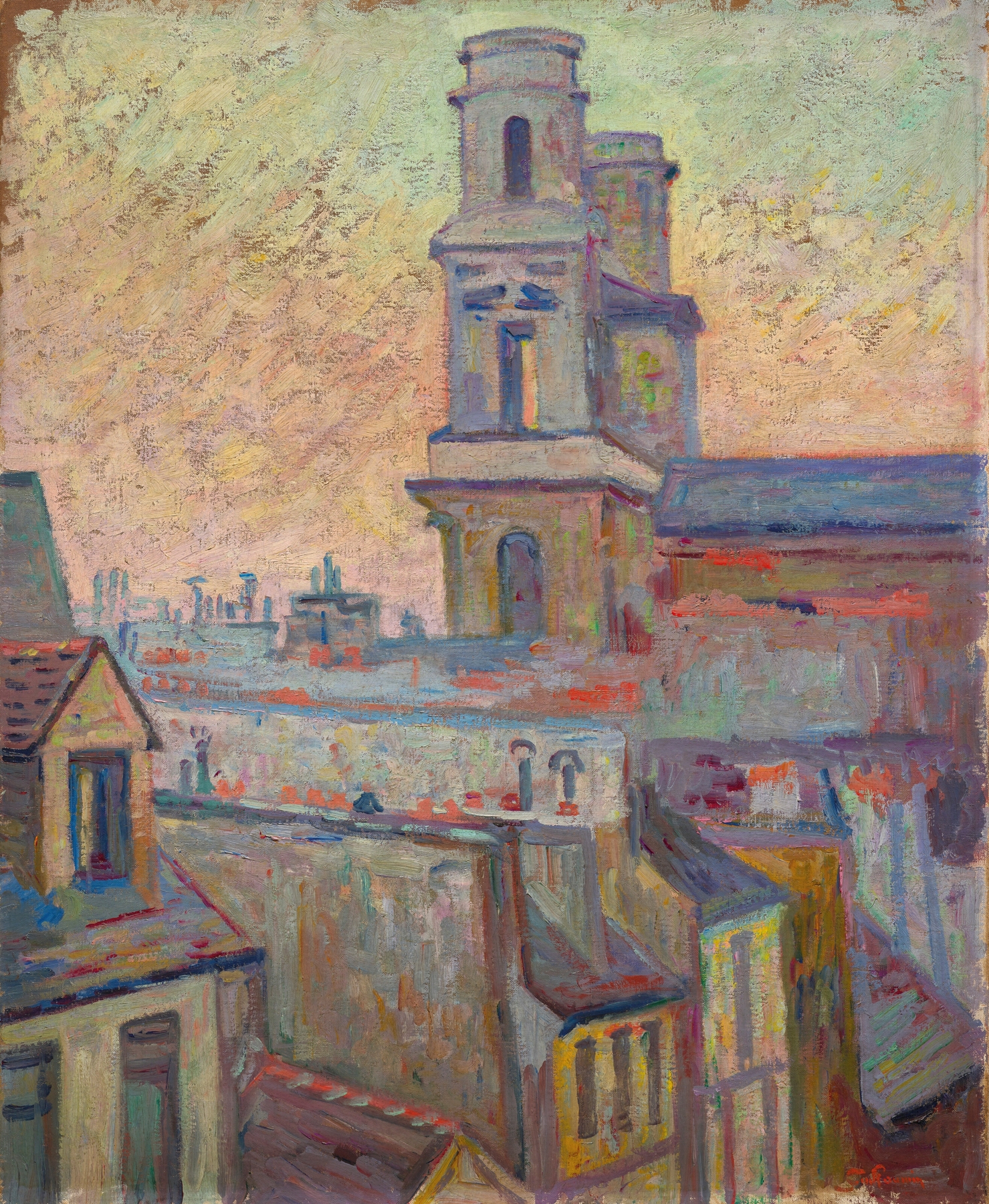
What if silence could speak through light? In Le Pont d’Austerlitz, the canvas whispers stories of longing and loss, encapsulating a moment where shadows become the language of grief. Focus on the water's surface, where muted reflections of the bridge and sky converge in a delicate dance. The bold brushstrokes create a sense of movement, while the cool, somber palette evokes a melancholic atmosphere.
Notice how the light filters through the clouds, illuminating sections of the bridge like fleeting memories, drawing the viewer's gaze toward the horizon where past and present intertwine. These nuances reveal a masterful interplay between emotion and impressionistic technique. Delve deeper, and you’ll uncover the emotional tensions at play. The bridge stands as a metaphor for connection and separation, a gateway to what once was and what remains.
The quiet water, still yet restless, echoes the inner turmoil of loss, inviting contemplation on the passage of time. The stark contrast between the faded colors and the vibrant hues hints at the struggle between memories that fade and those that persist, encapsulating both sorrow and beauty within the same frame. Painted during a tumultuous time between 1915 and 1945, Guillaumin’s work reflects the emotional weight of an artist grappling with personal and collective grief amidst the backdrop of war. Living through the upheaval of two World Wars, he was influenced by the shifting tides of modernity, bringing a sense of poignant introspection to this evocative landscape.