Leibls Wohnhaus — History & Analysis
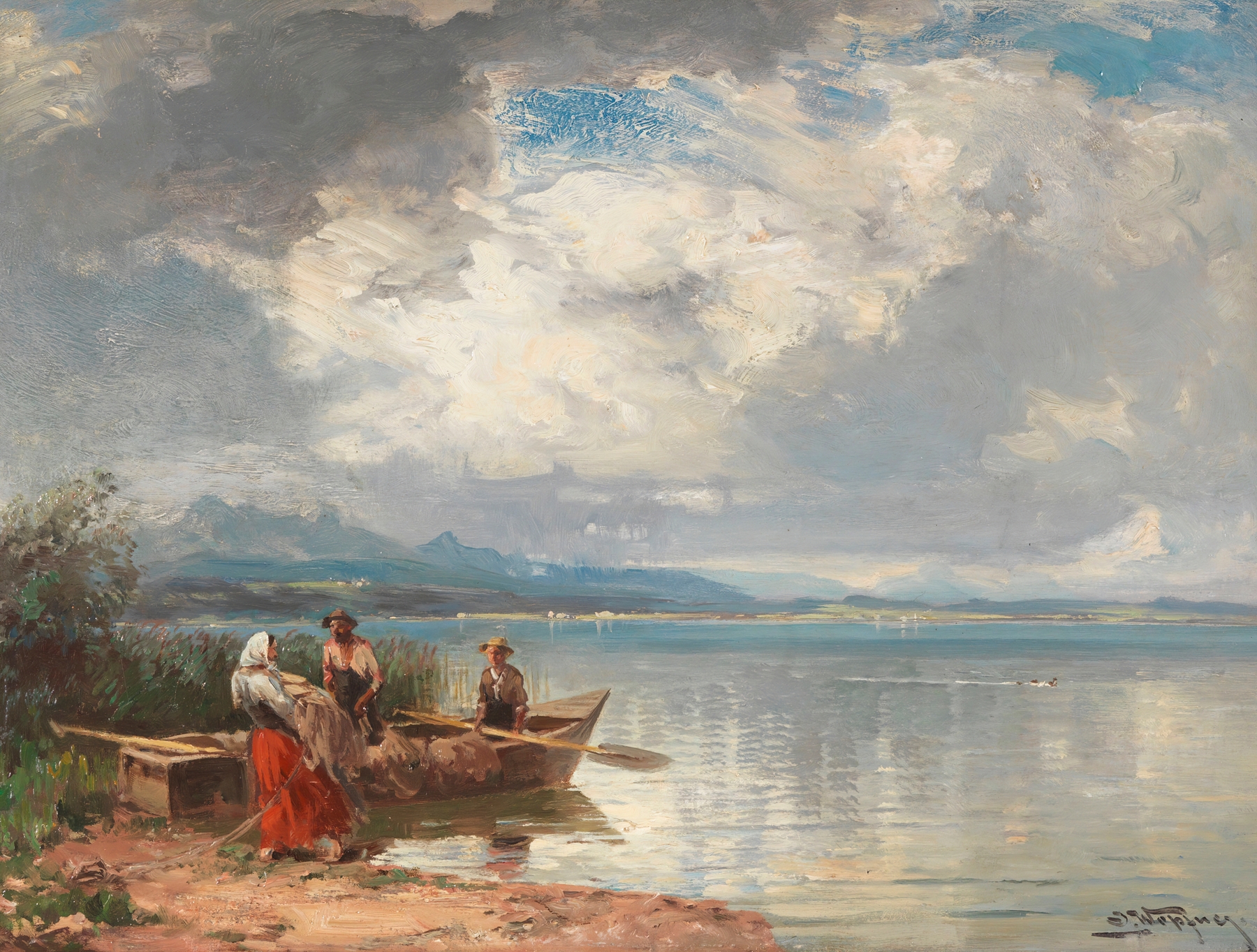
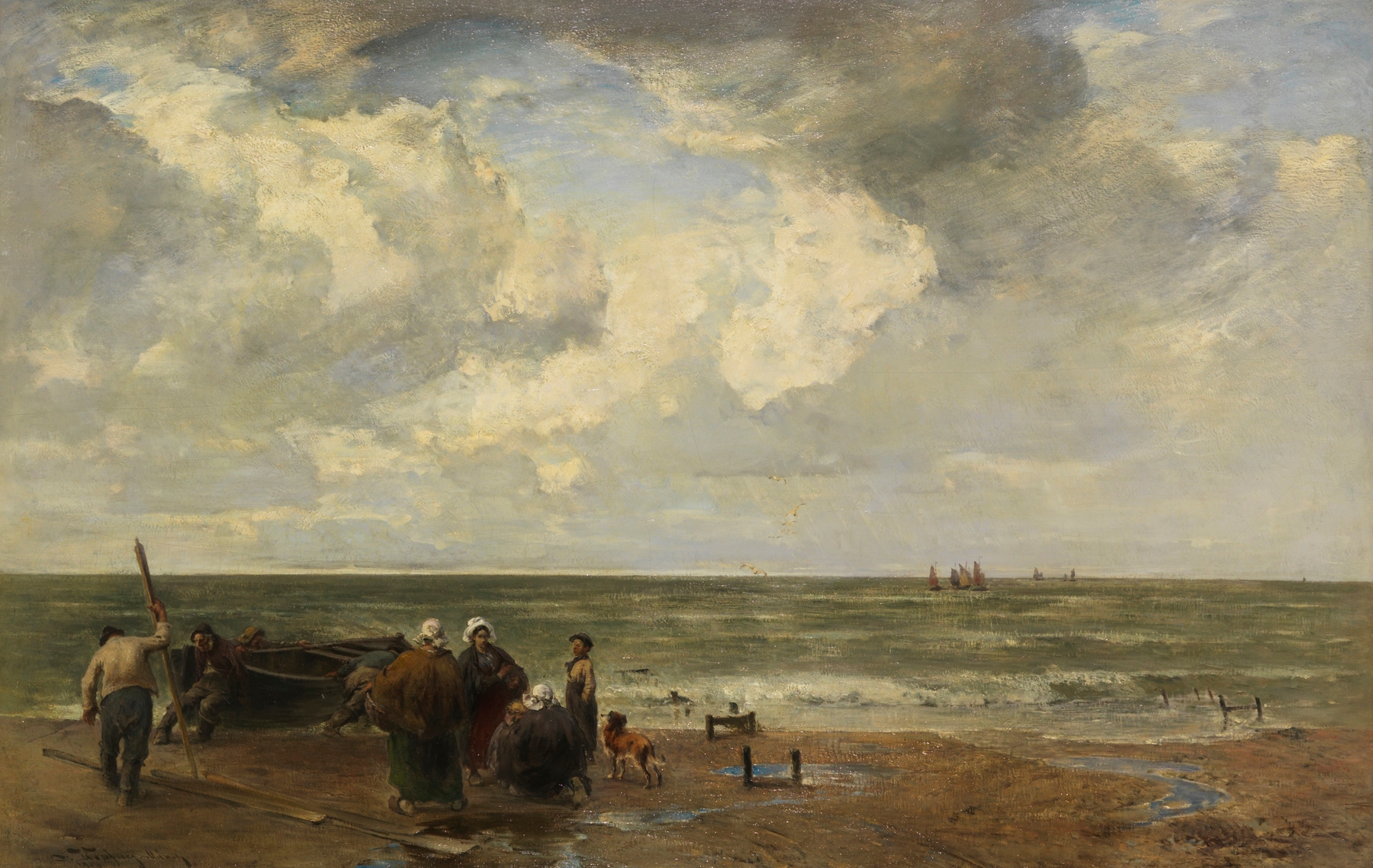
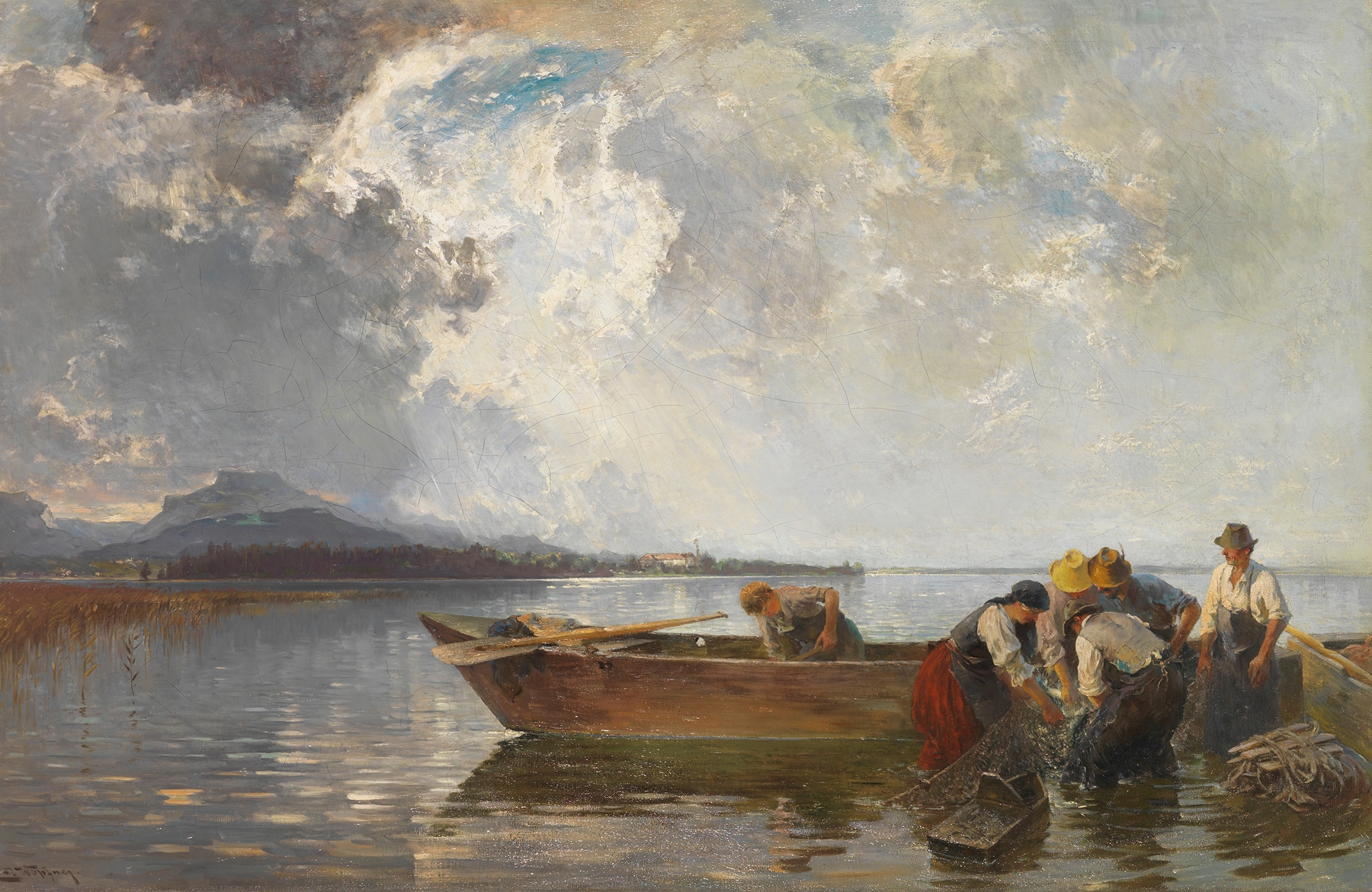
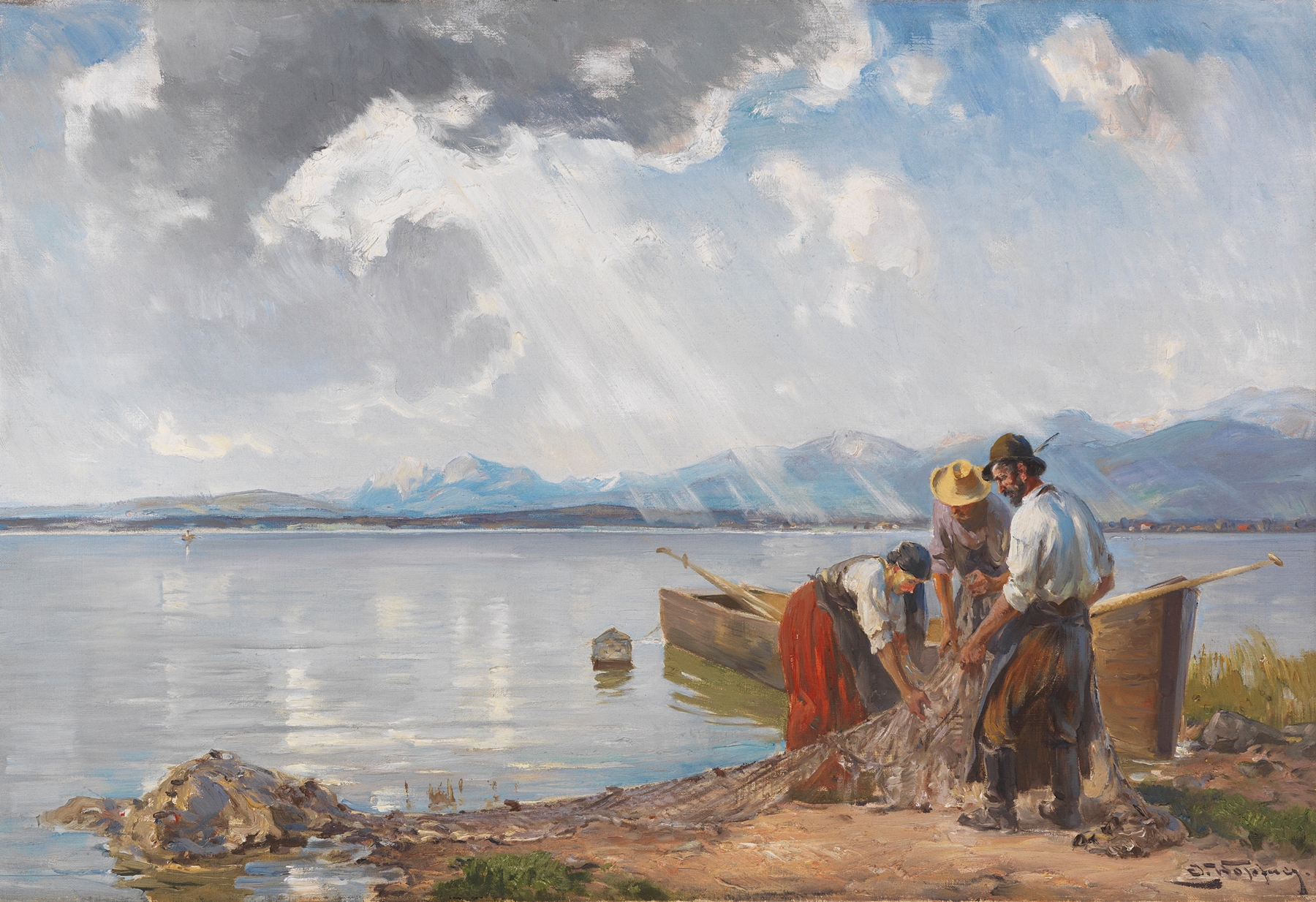
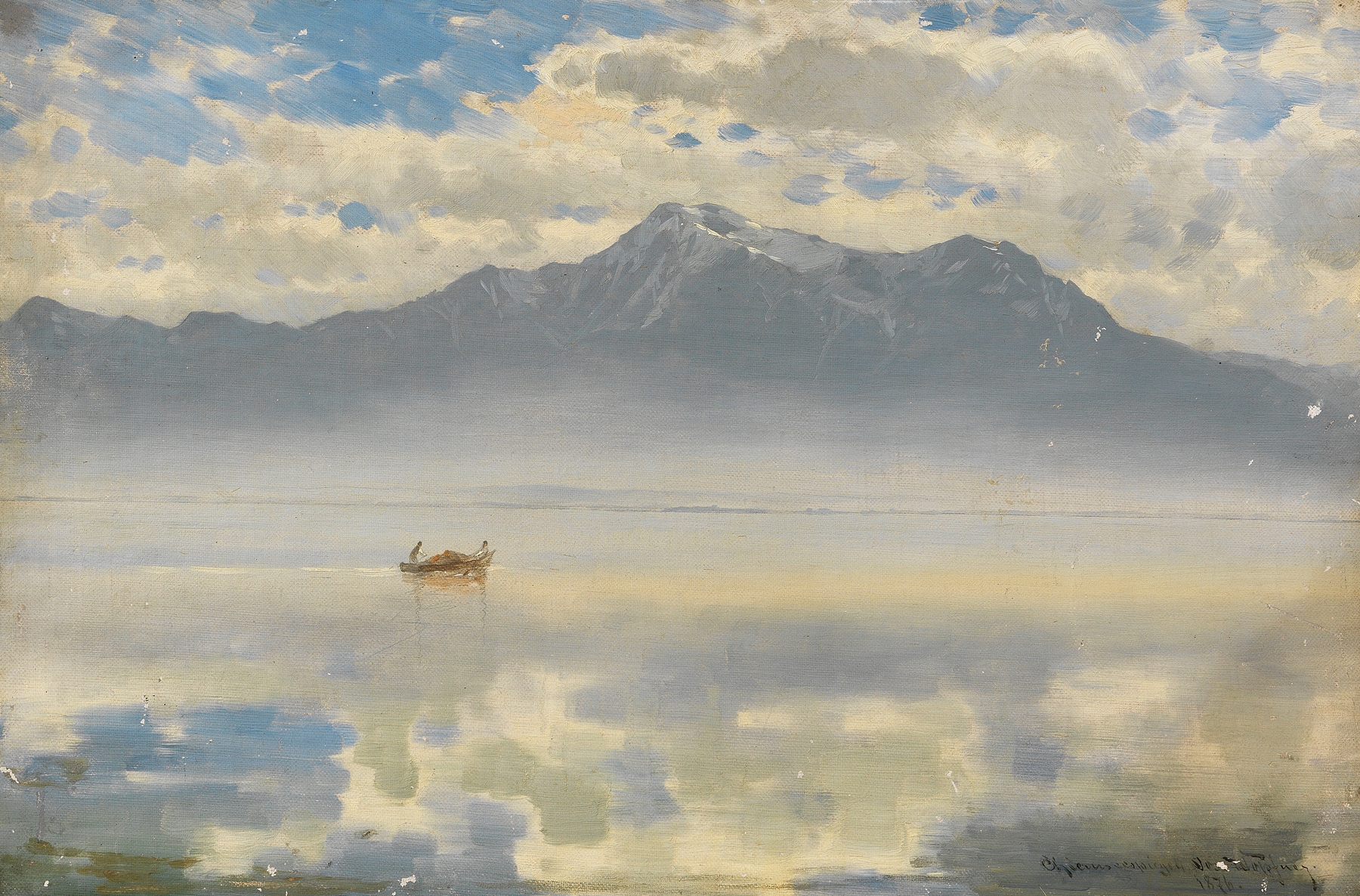
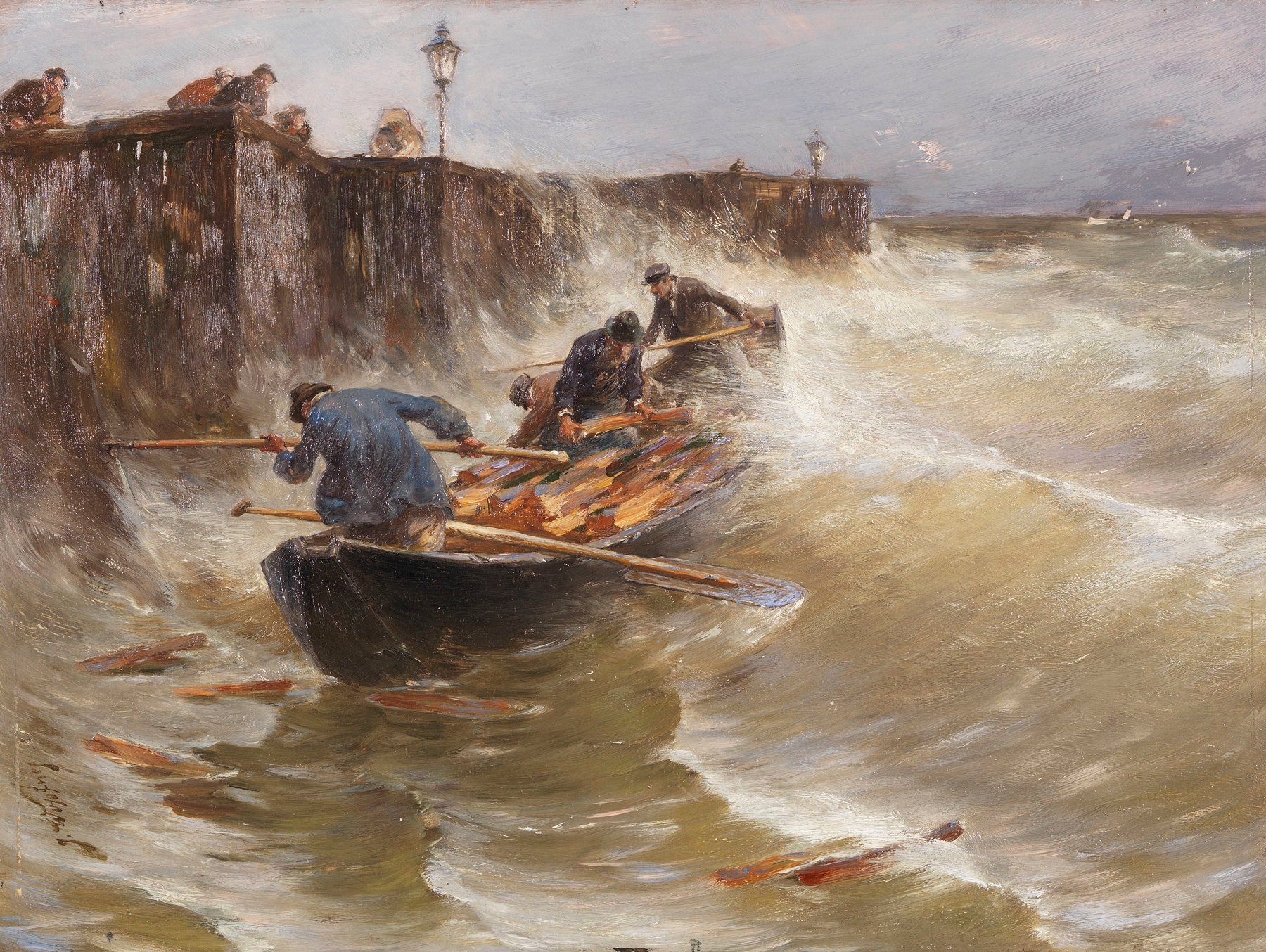
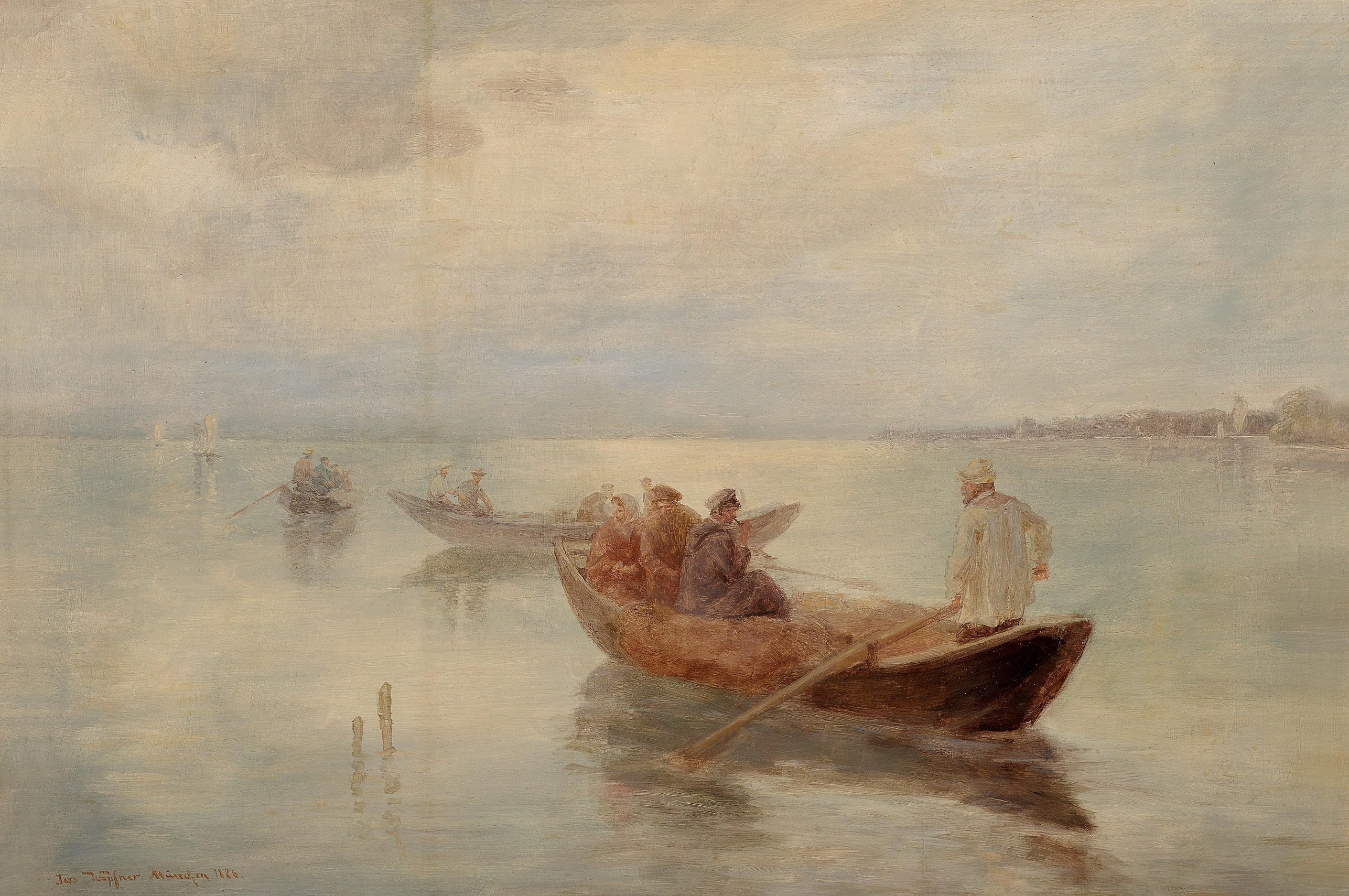
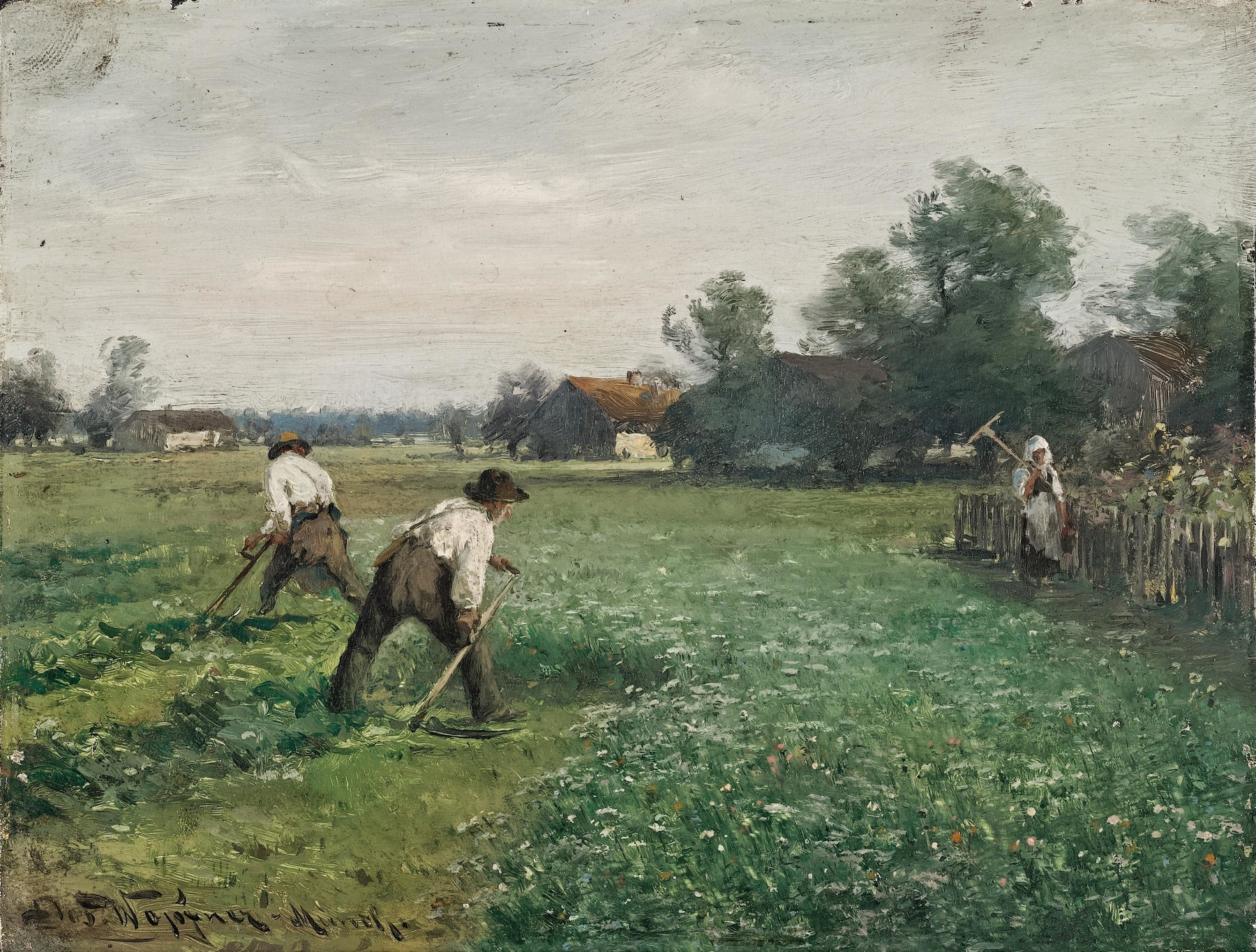
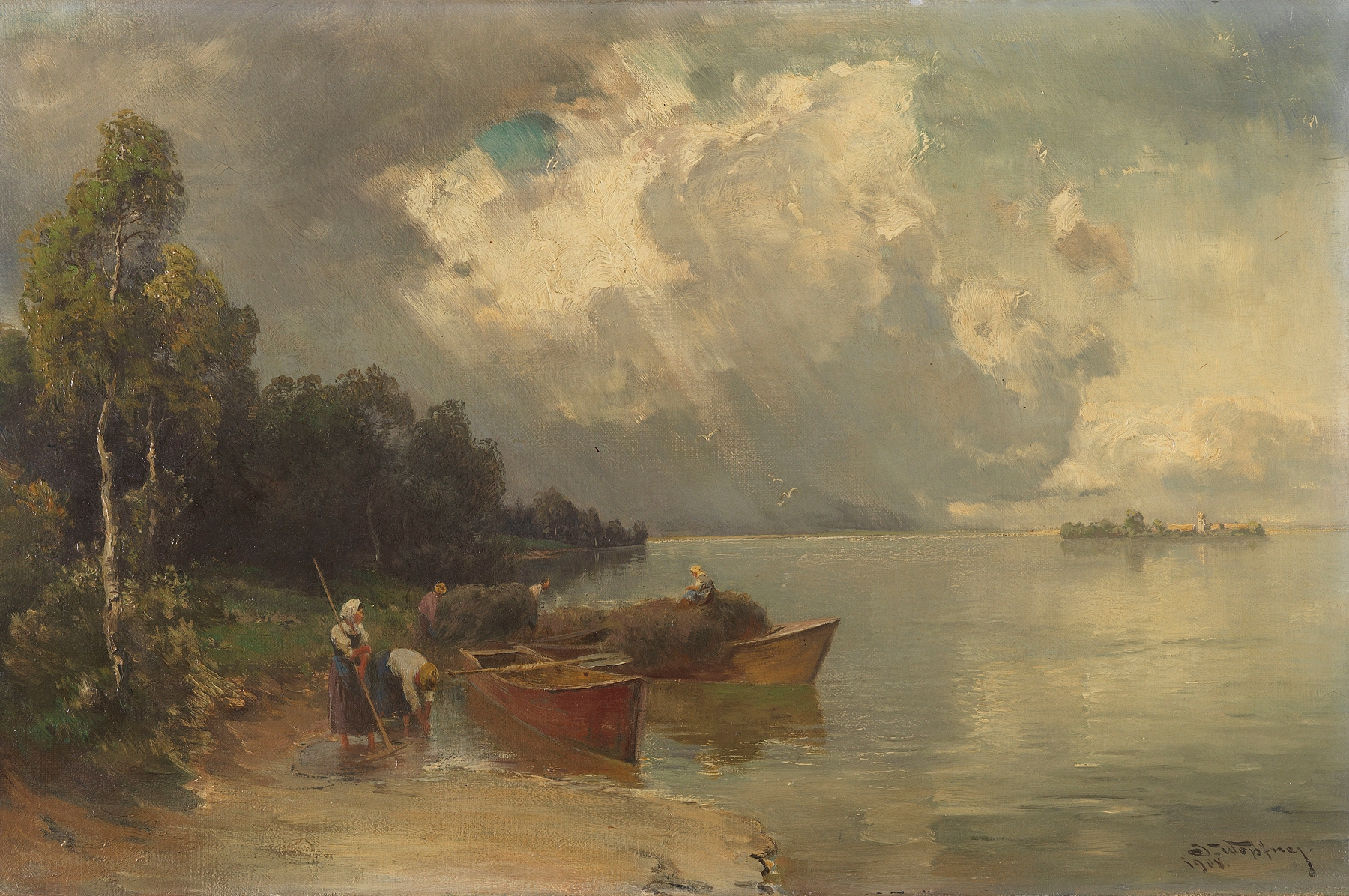
Could a single brushstroke hold eternity? In Leibls Wohnhaus, Joseph Wopfner captures the essence of movement through a seemingly still domestic scene, inviting us to ponder the fleeting nature of life and time. Look to the left at the soft, inviting light that spills from the window, illuminating the details of the house's architecture. Notice how the warm hues of ochre and gold contrast with the cool greens of the garden, creating a vibrant dialogue between the built environment and nature.
The gentle brushwork suggests a sense of life lurking just beneath the surface — one can almost feel the air stirring, the day advancing, as the viewer navigates the composition, drawn into the welcoming embrace of the home. Deeper insights emerge as you perceive the subtle tension between the solidity of the building and the ephemeral quality of light. The shadows play along the façade, hinting at the passage of time, while the foliage surrounding the house sways in silent anticipation, as if it's caught in a moment of stillness. This juxtaposition of stability and movement evokes a profound sense of nostalgia, reminding us of the ever-present dance between permanence and transience.
Created in 1871 in Munich, Wopfner painted during a time when the German art scene was grappling with the complexities of modernity. The industrial revolution was reshaping the landscape, and artists sought to capture the intersection of tradition and change. Wopfner's work reflects this evolution, as he infused a personal touch into the representation of ordinary life, allowing viewers to connect deeply with the serenity and dynamism of their own surroundings.