Ludwig Hofelich – The Wellhorn and the Wetterhorn — History & Analysis
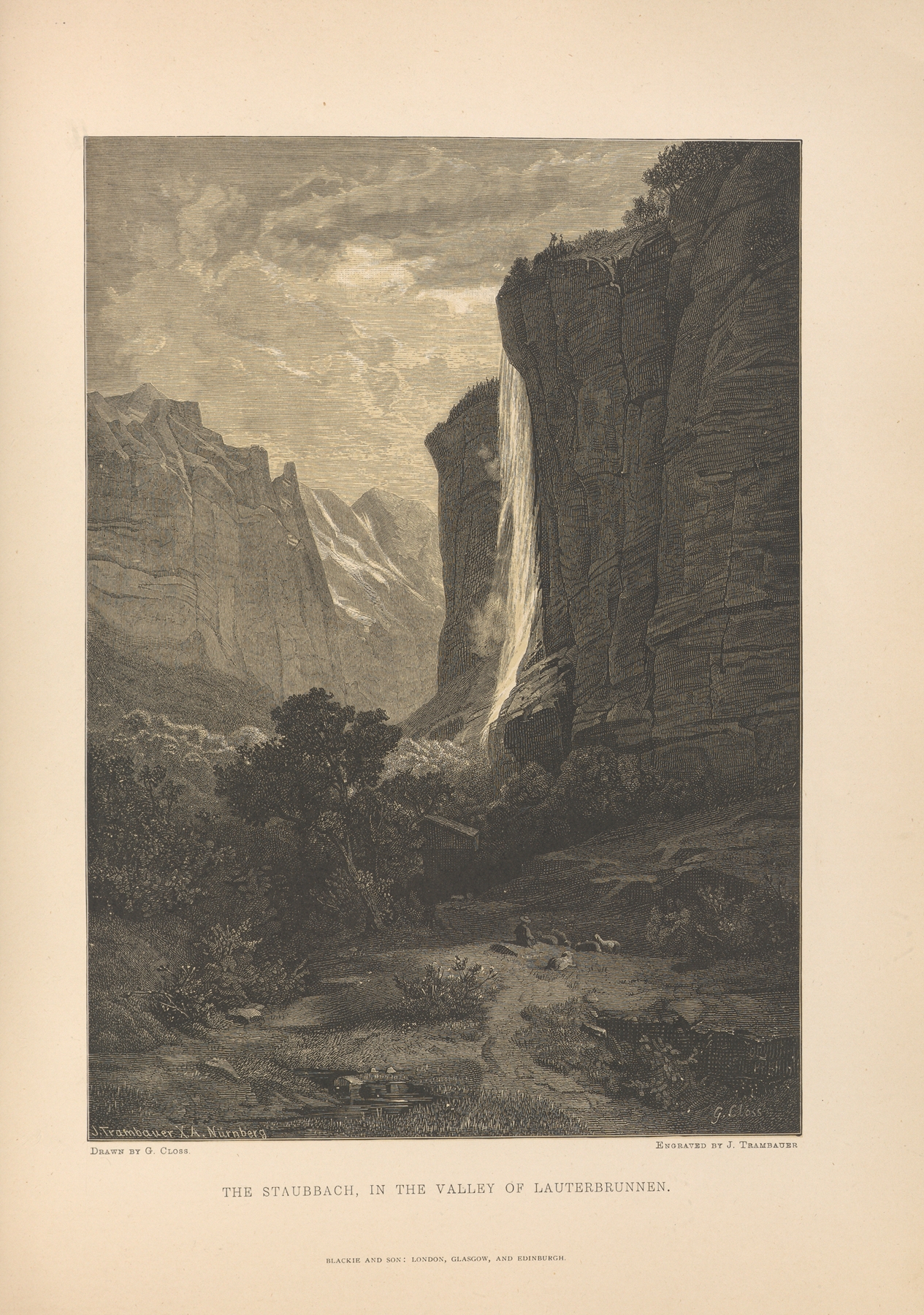
“Art reveals the soul when the world turns away.” In this solitary embrace of nature, the landscape mirrors the artist's obsession with capturing the sublime. The peaks stand tall and imposing, yet their majesty holds a whisper of vulnerability, suggesting that even the grandest creations hold secrets waiting to be unveiled. Look to the left where the rugged silhouette of the Wetterhorn rises sharply against a gradient of twilight colors. The lower slopes are painted in deep greens, contrasting with the ethereal blues and whites of the snow-capped summit. The meticulous brushwork reveals the undulating textures of the rocky terrain, leading the eye toward where earth meets sky.
In this composition, light dances playfully, highlighting the contrasts between shadow and illumination, and inviting the viewer into a moment suspended in time. Yet beneath the surface lies a deeper tension. The starkness of the mountains contrasts with the serene lake below, a mirror that reflects both the beauty and the harshness of nature. The delicate interplay of light on water evokes a quiet sense of introspection, suggesting a dialogue between the serene and the tumultuous.
This duality echoes the artist's own internal struggles and aspirations, revealing an intimate connection between creator and creation. In 1881, Theodor Gsell Fels painted this work while grappling with the influences of the Romantic movement, where nature was both a source of inspiration and a realm of conflict. Living in Switzerland, he sought to encapsulate the profound emotional weight of the alpine landscape, a task that resonated deeply with both his personal narrative and the broader artistic trends of his time. The work stands as a testament to the obsession that drives artists to delve into the depths of their surroundings, revealing the soul of the world they inhabit.