Lézardrieux, voilier à quai — History & Analysis
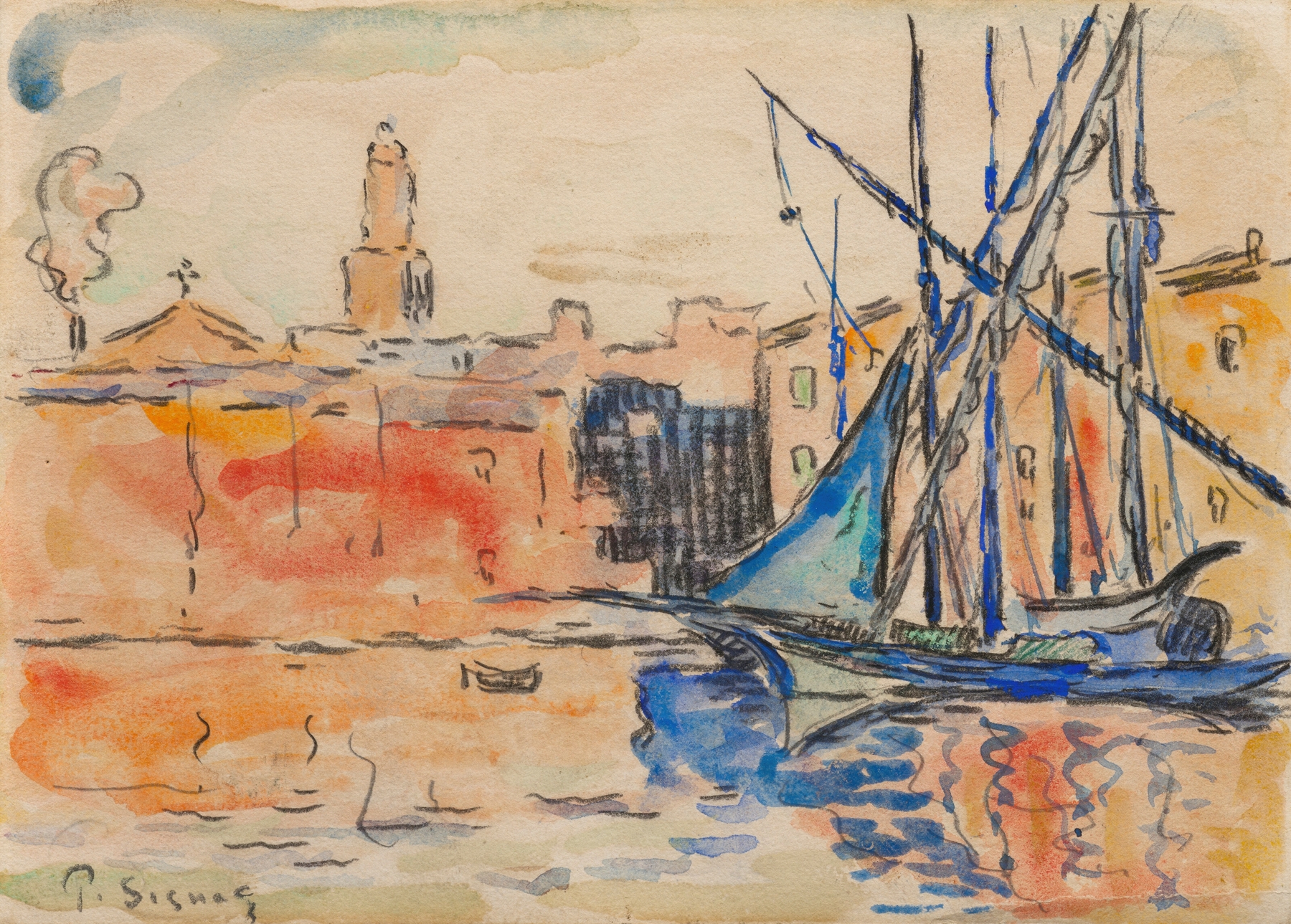
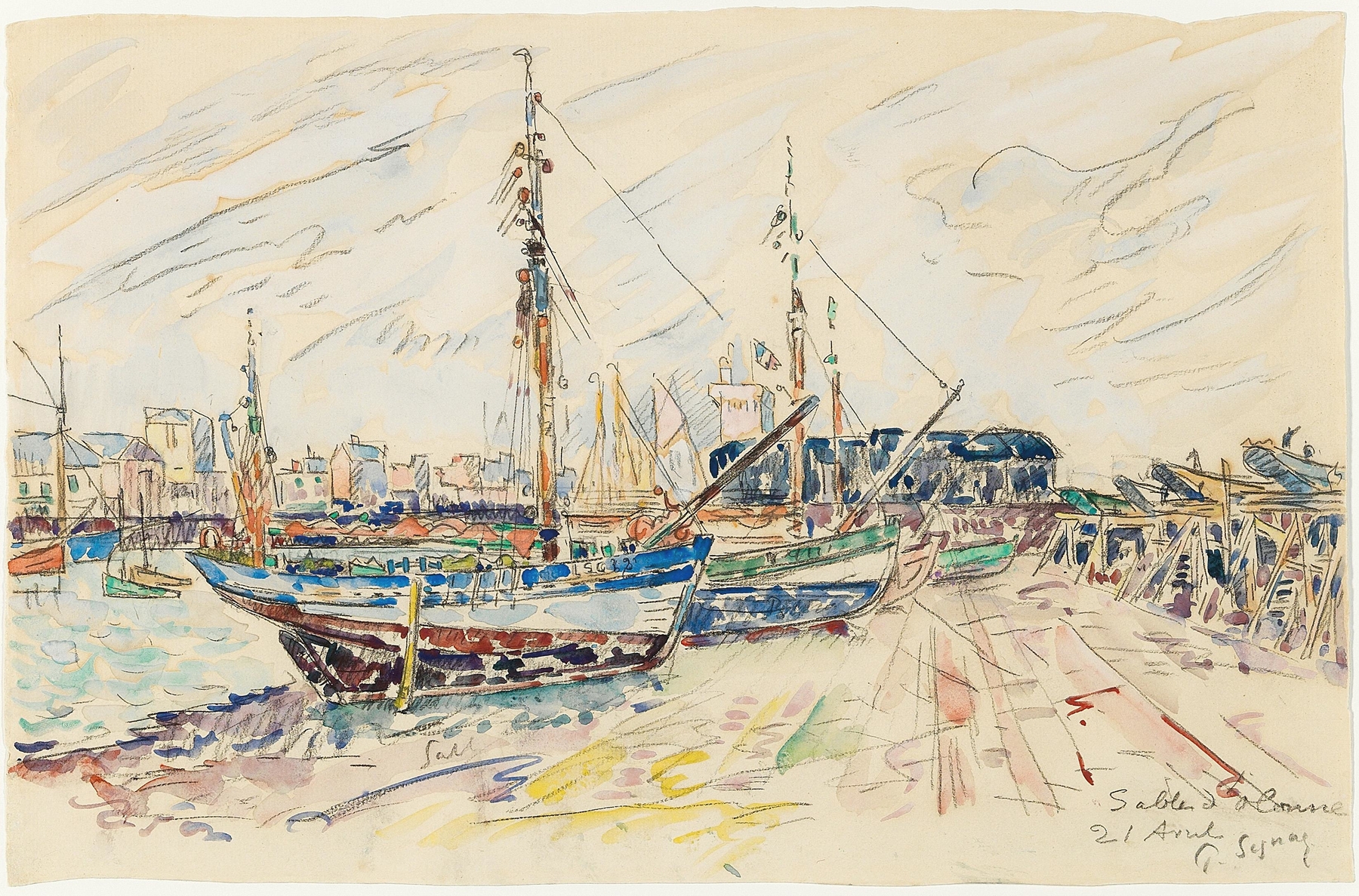
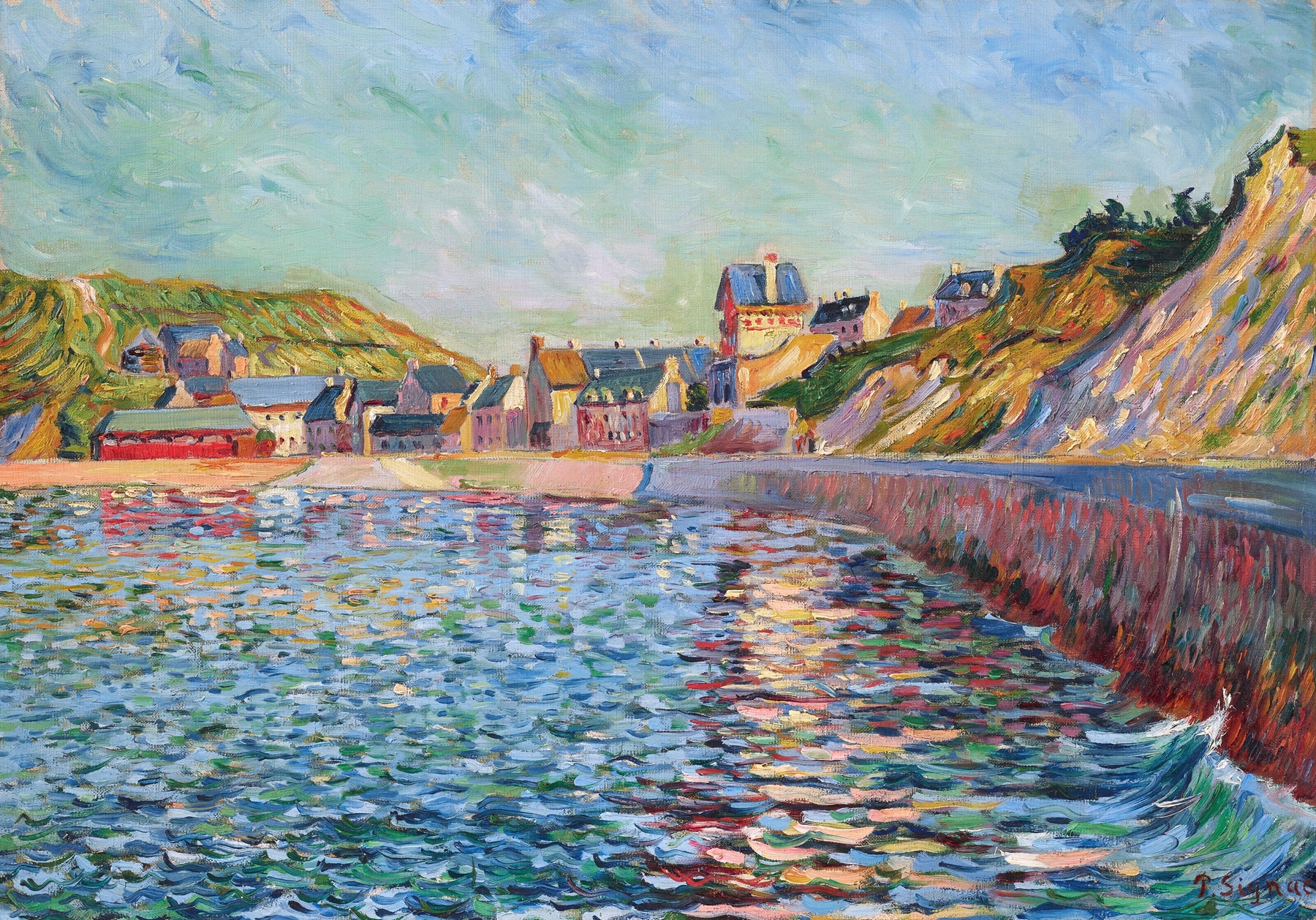
“Sometimes beauty is just pain, disguised in gold.” The shimmering hues of a quiet harbor can evoke both ecstasy and melancholy, revealing layers of emotion beneath the surface. Look to the foreground of the canvas, where the sailboat rests gracefully at dock. The vibrant strokes of color pulse with life—the reds, blues, and yellows collide and dance, capturing the fleeting essence of a serene moment. Notice how the light reflects off the water, creating a bridge between sky and sea, while the loose, expressive brushwork offers a sense of movement, suggesting a gentle breeze that stirs the air just out of view.
Yet, within this tranquil scene lies a more profound narrative. The juxtaposition of the buoyant colors against the stillness of the moored vessel highlights a tension between vitality and stasis. The boat, a symbol of adventure and freedom, is momentarily confined, evoking a sense of longing; it is tethered yet dreaming of the open sea. Each color vibrates with emotional depth, leaving the viewer to ponder the complexities of joy and yearning.
In 1925, at his studio in Paris, Paul Signac created Lézardrieux, voilier à quai during a period marked by personal reflection and the evolution of post-Impressionism. As the world outside brimmed with the innovations of modernity, he sought solace in the beauty of nature and the sea, capturing a moment that resonates with the heartbeat of existence. This work stands as a testament to his dedication to color theory and his unique vision, merging the immediacy of life with the timelessness of art.