Majolica, Lake Como — History & Analysis
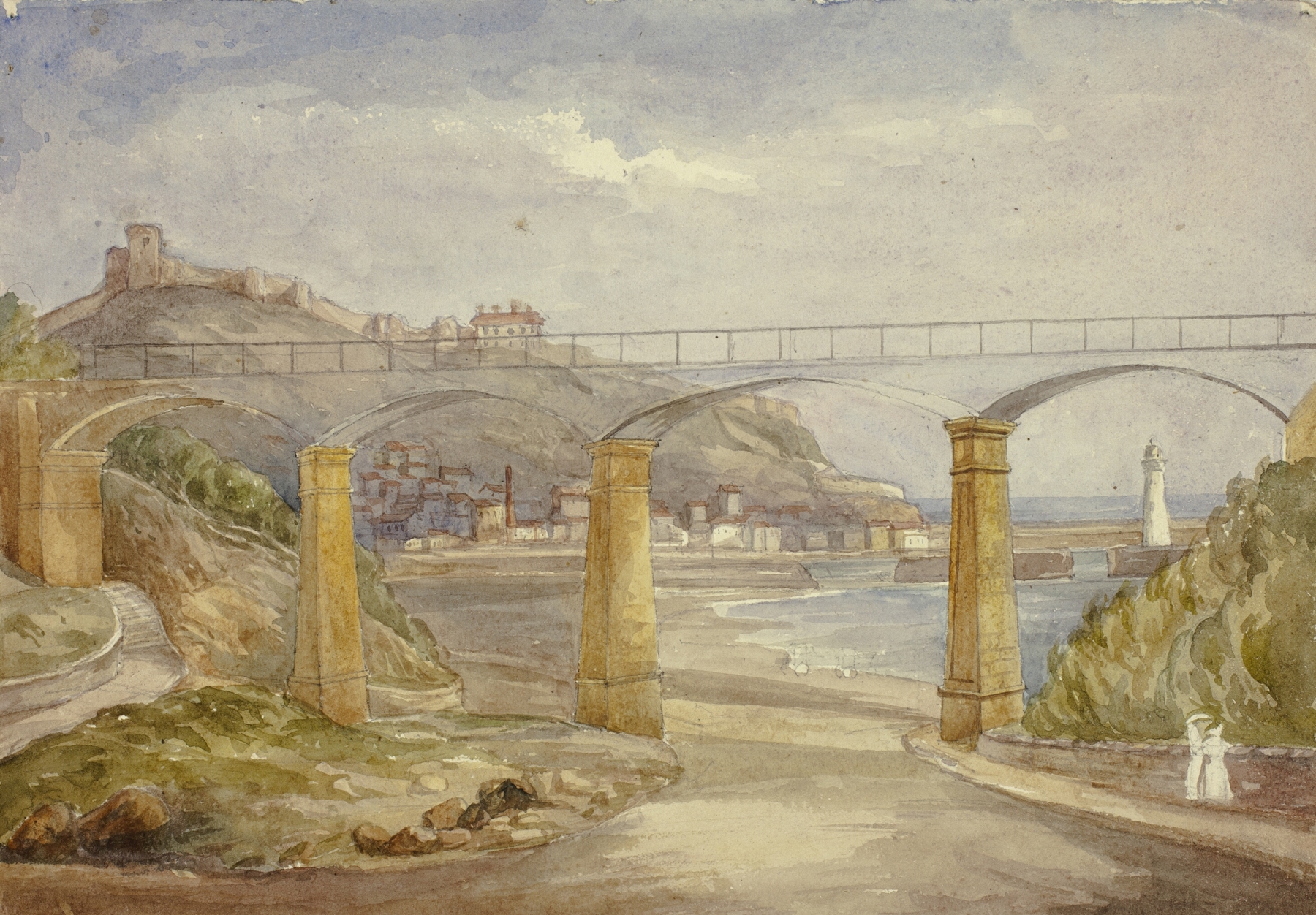
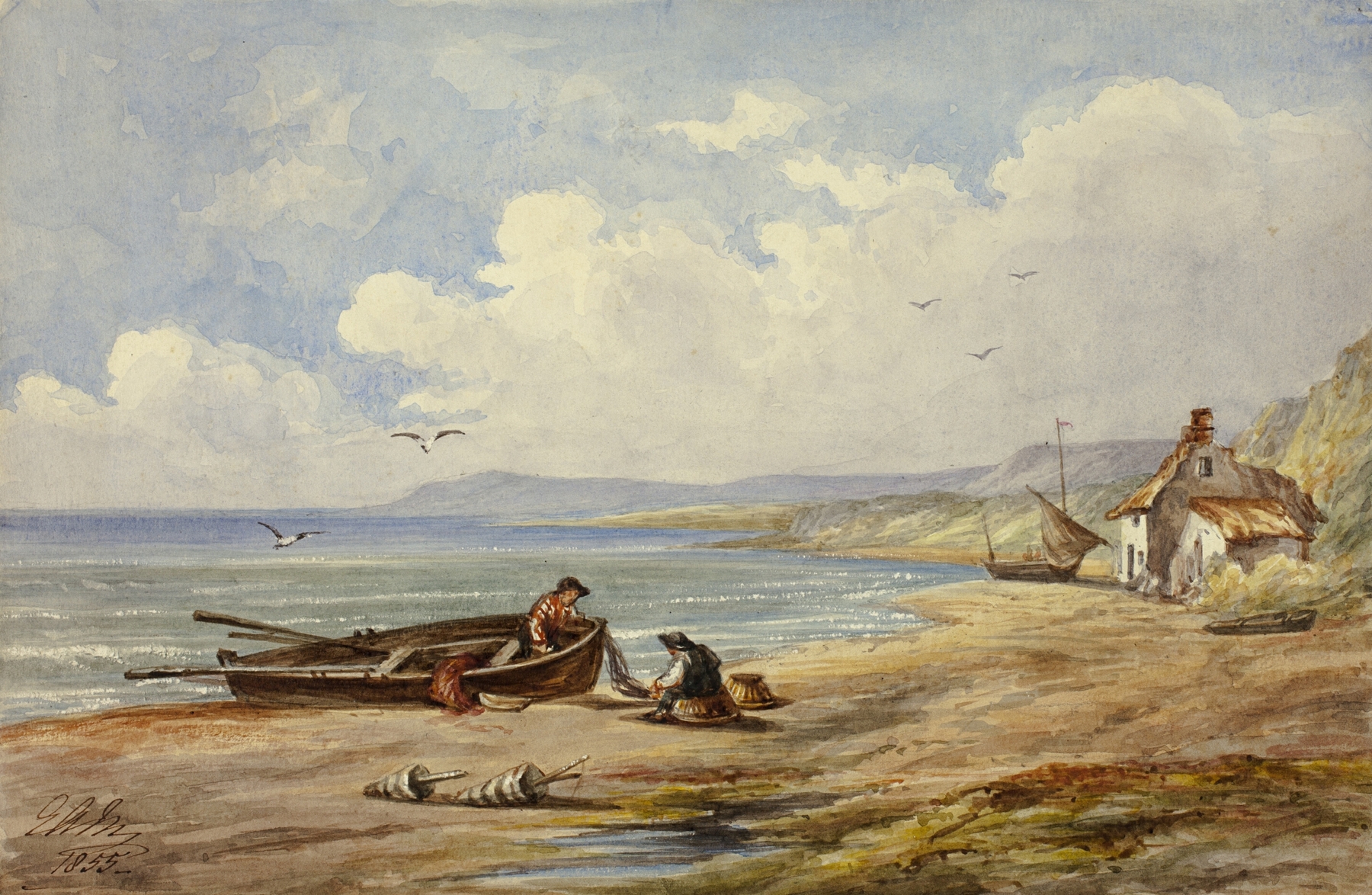
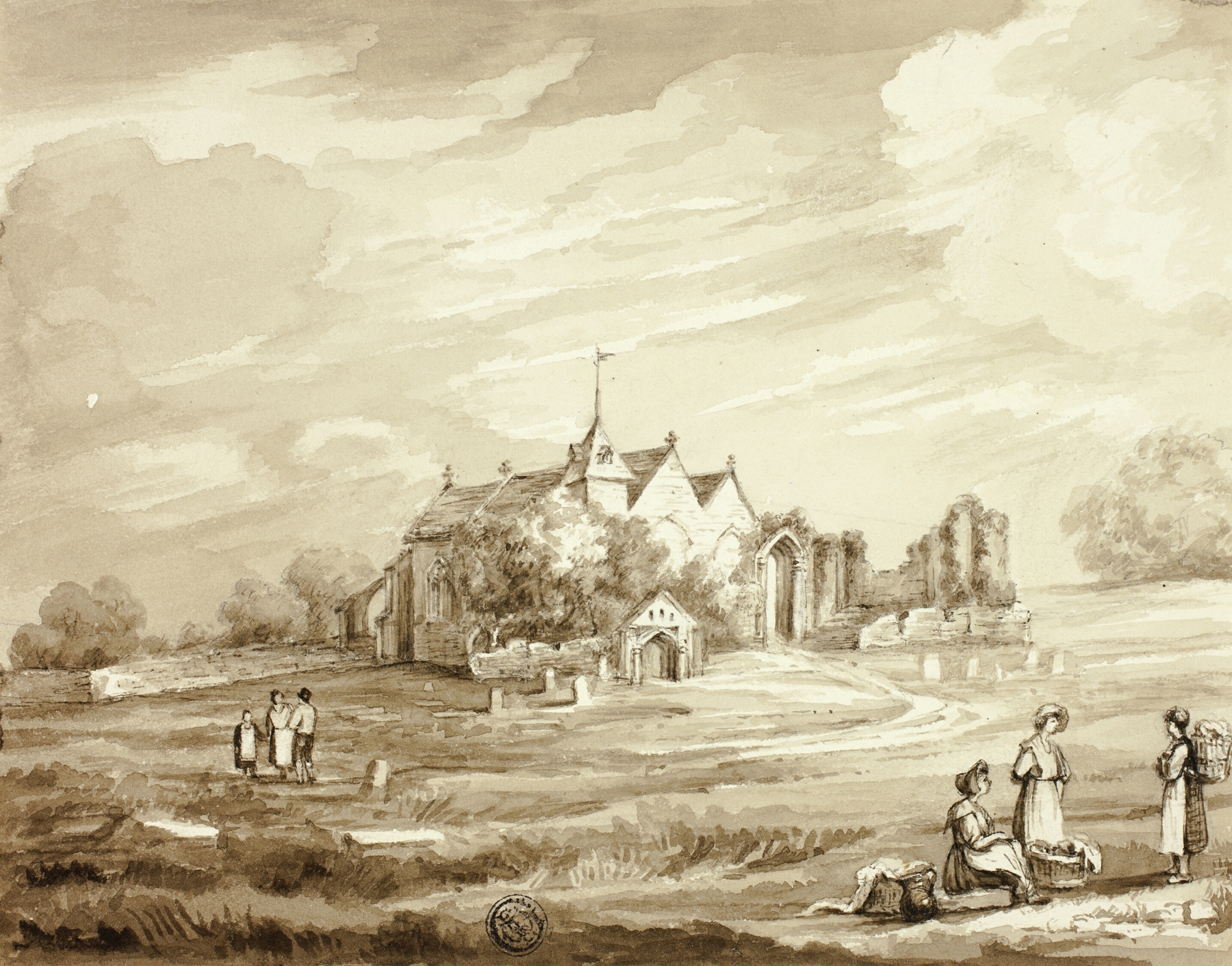
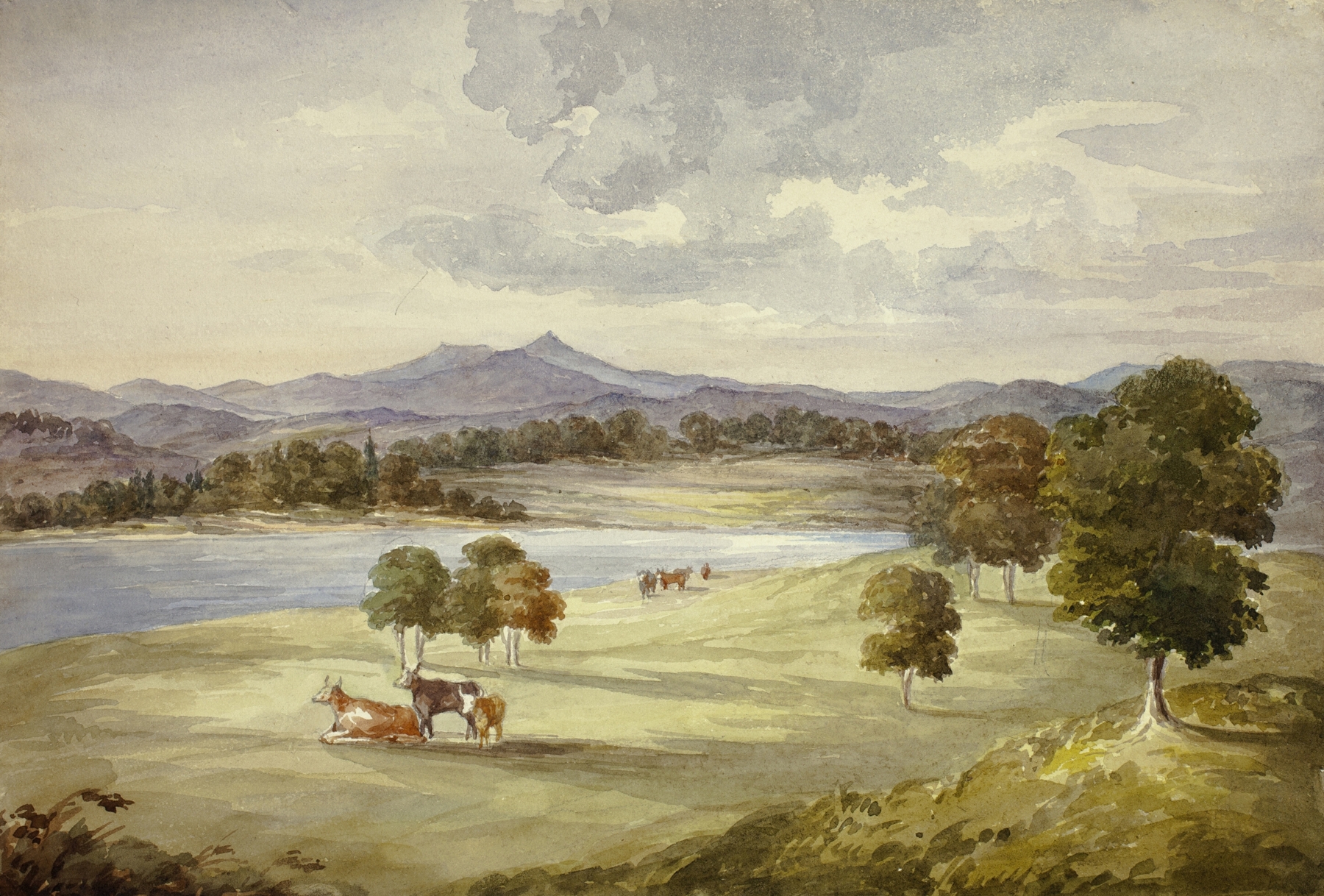
“To paint is to remember what time wants us to forget.” In an age awash with noise, silence becomes a canvas upon which memories linger softly, evoking the essence of fleeting moments. Focus your gaze on the intricate patterns that dance across the glistening surface of the pottery, where vibrant blues and earthy reds converge. Notice how the fluid shapes create a sense of motion, drawing you into the tranquil landscape of Lake Como encapsulated within the Majolica. The deliberate brushstrokes breathe life into the ceramic, each curve and line whispering secrets of the past while underlining the delicate interplay of light and shadow.
In the subtleties of the scene, one can perceive a juxtaposition between stillness and the tumultuous passage of time. The harmony of colors alludes to the serenity of nature, yet the meticulous detailing speaks to the artist's struggle against the ephemeral quality of existence. This work implores the viewer to ponder the silence that surrounds each instance captured, a poignant reminder that beauty exists even in quietude.
In 1841, Elizabeth Murray painted this piece during her time in Italy, a country burgeoning with artistic inspiration. As a woman artist in a male-dominated field, she faced significant challenges, yet her experiences amidst the picturesque landscapes of Europe fueled her creativity. The burgeoning Romantic movement informed her work, as she sought to encapsulate not only the visual beauty of the world but also the emotional resonance it inspired.