Men-of-War and a Sloop — History & Analysis
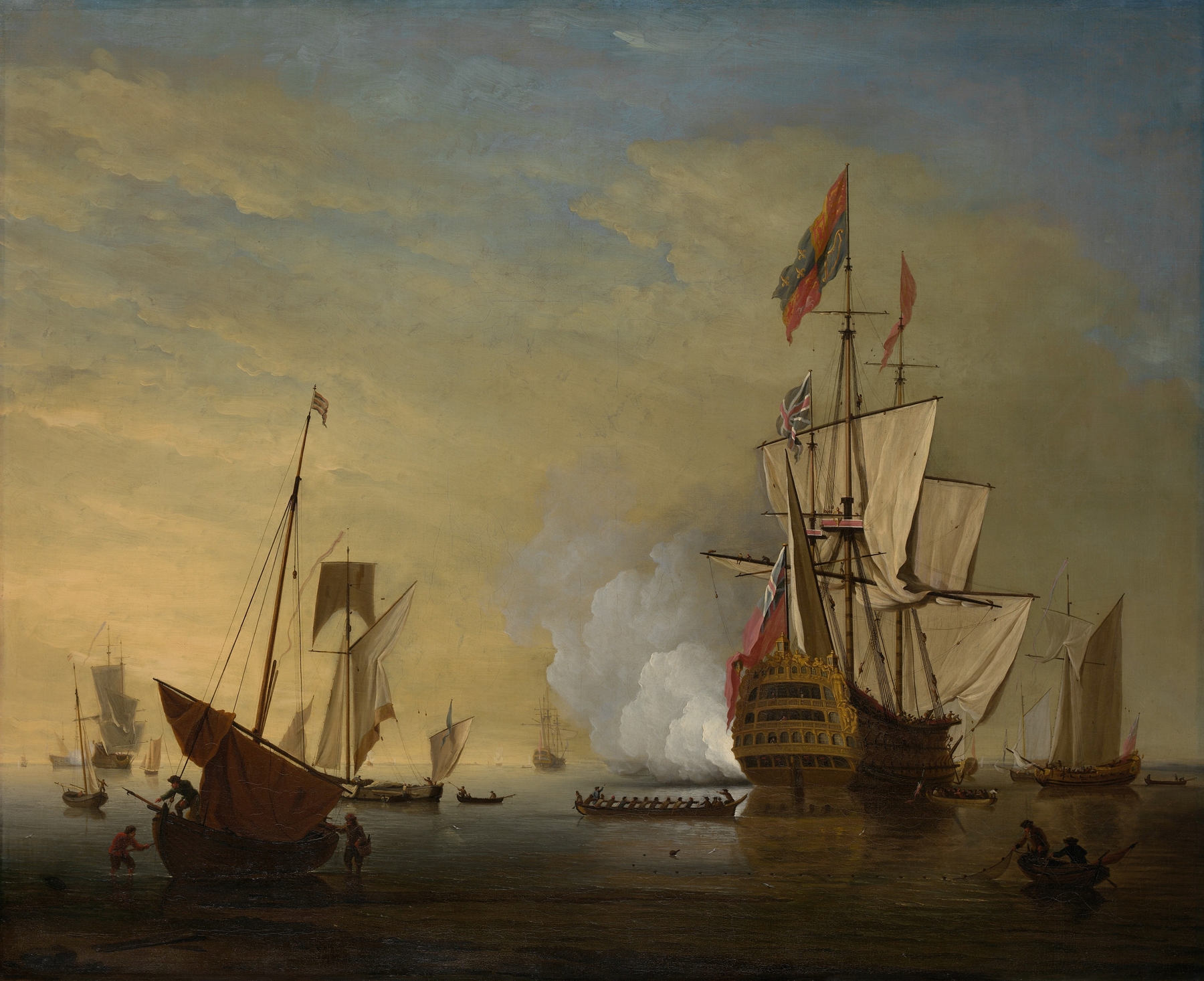
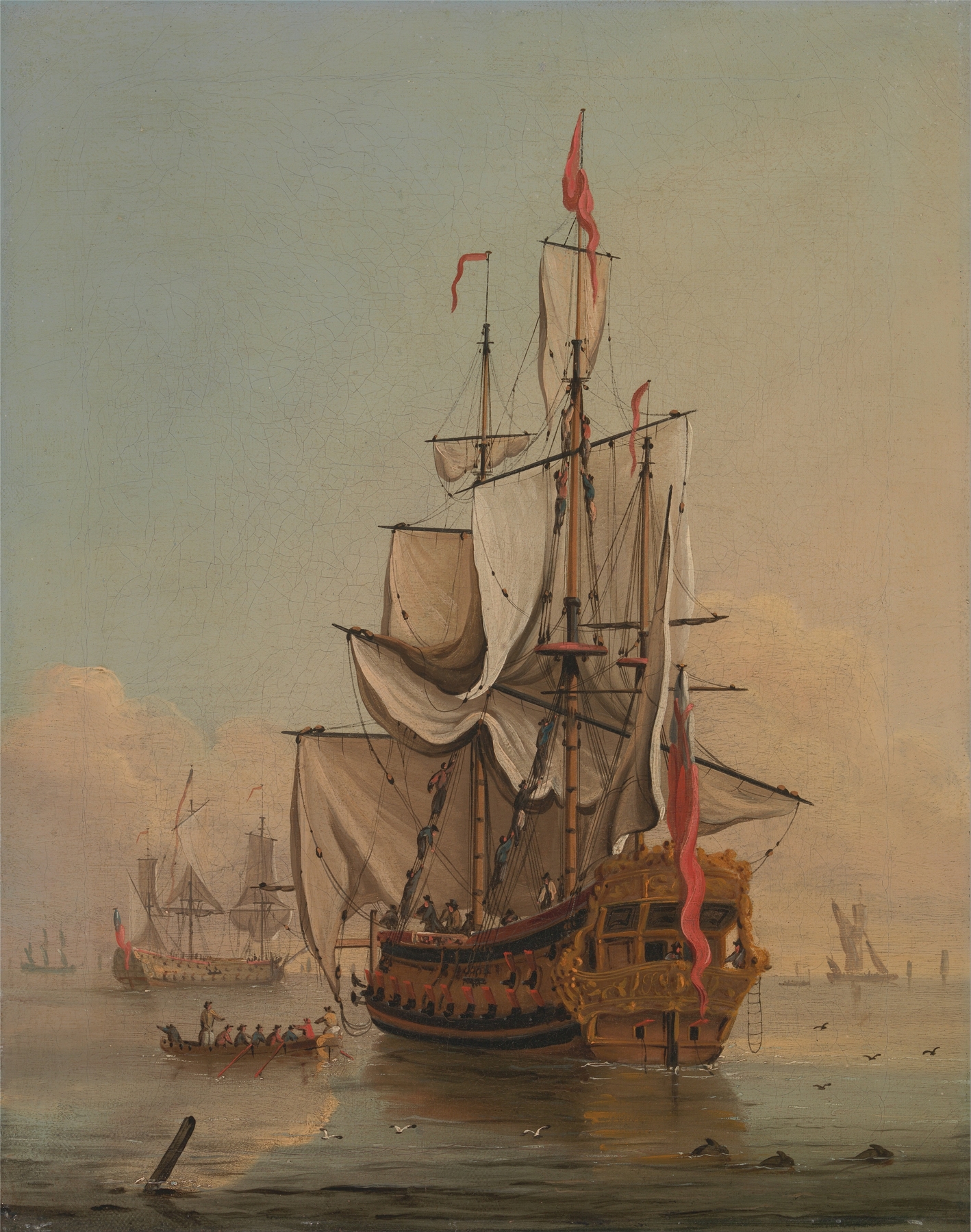
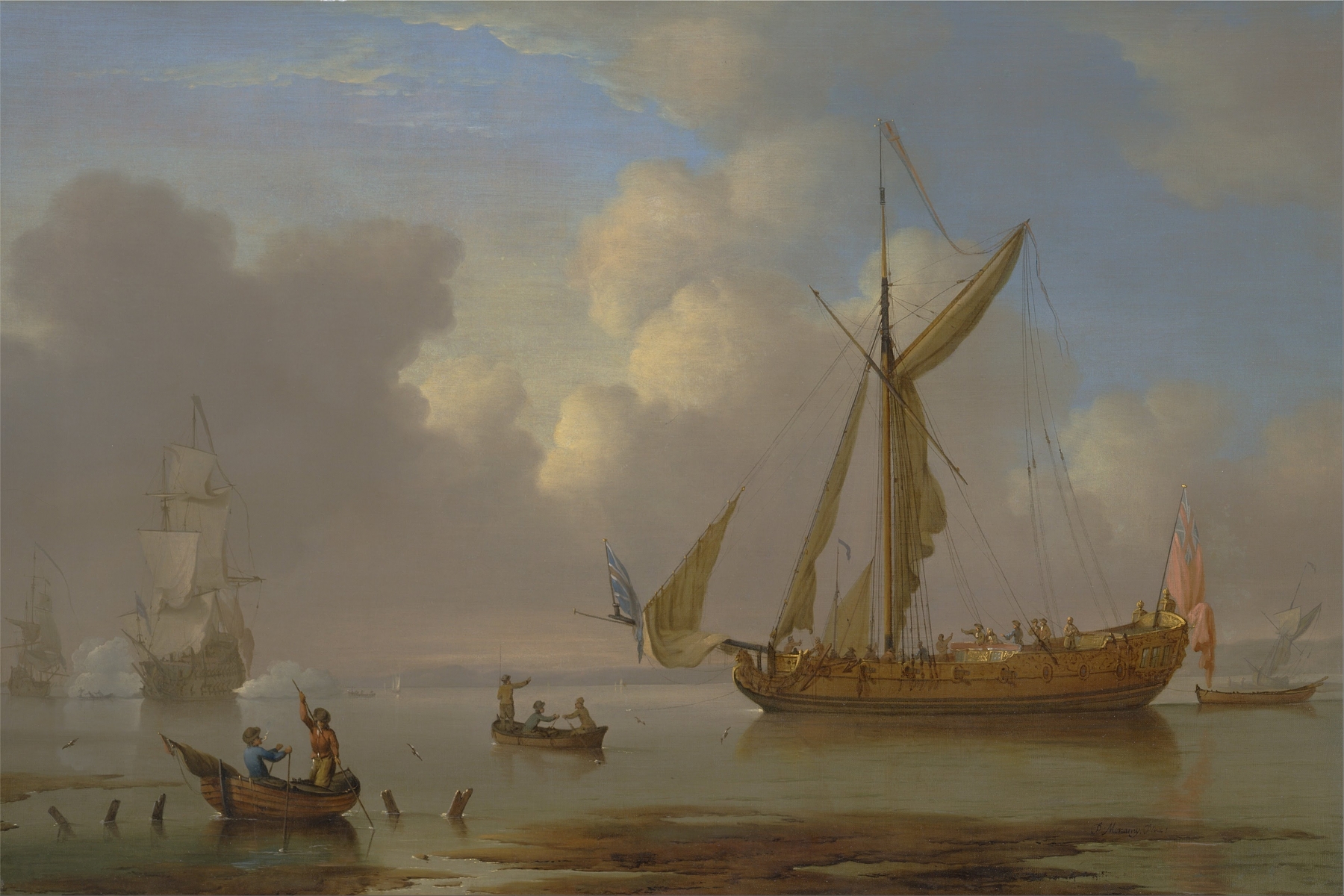
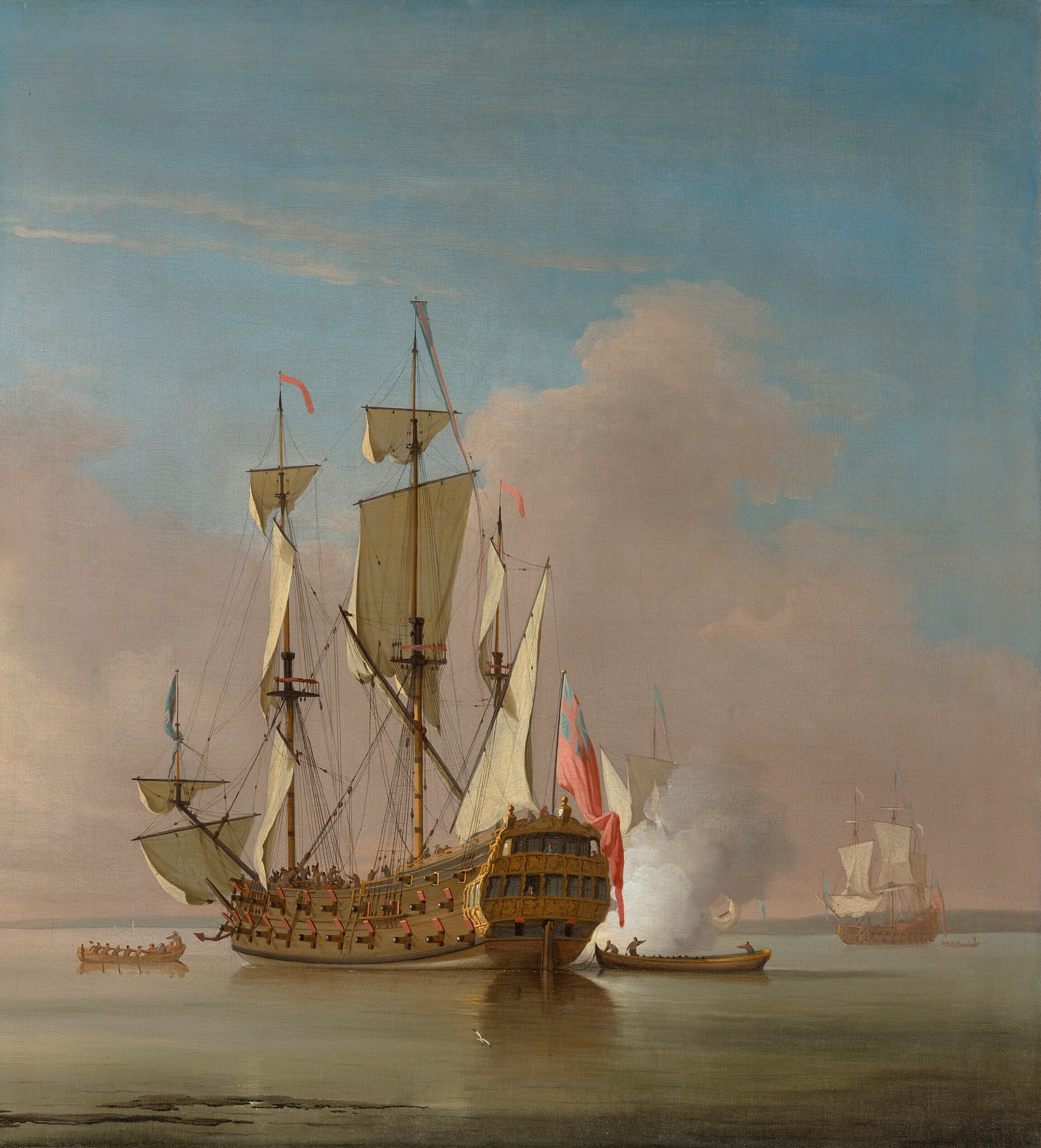
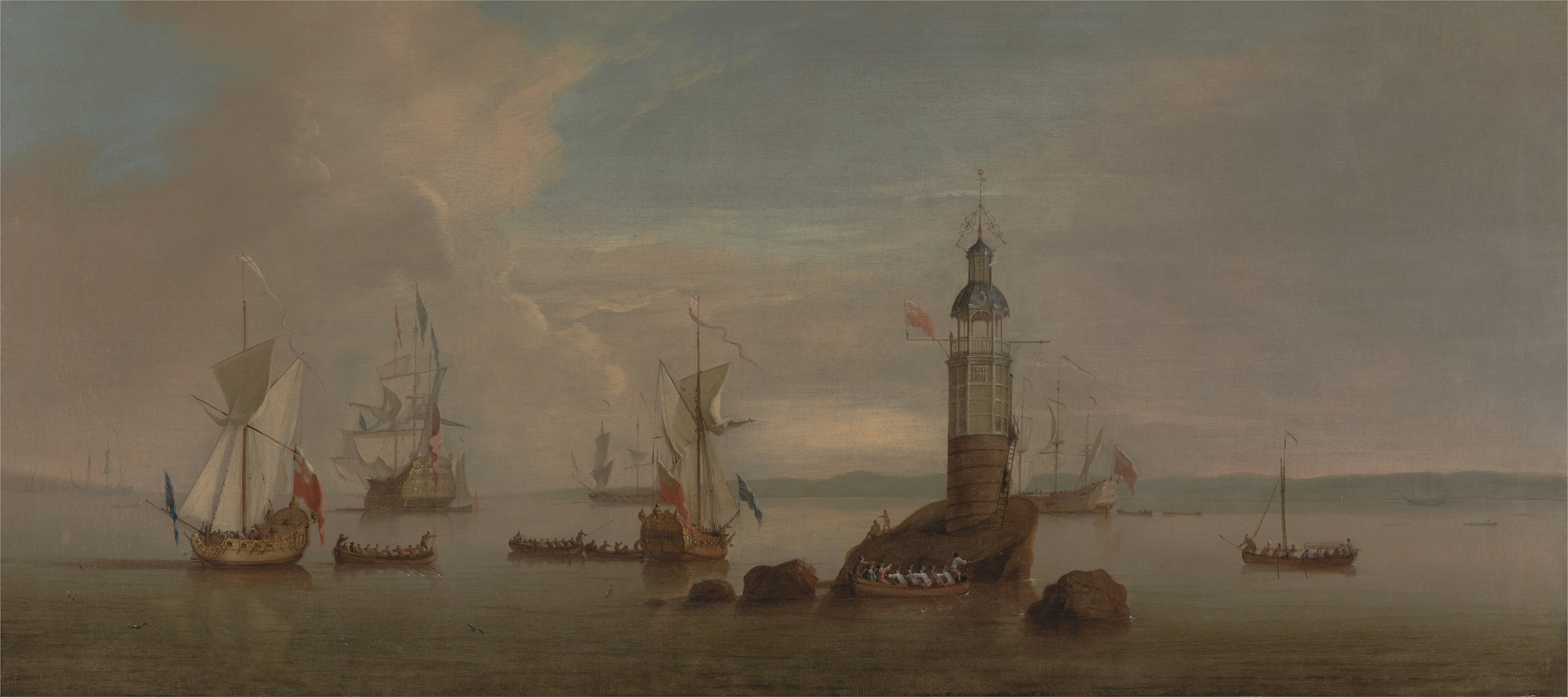
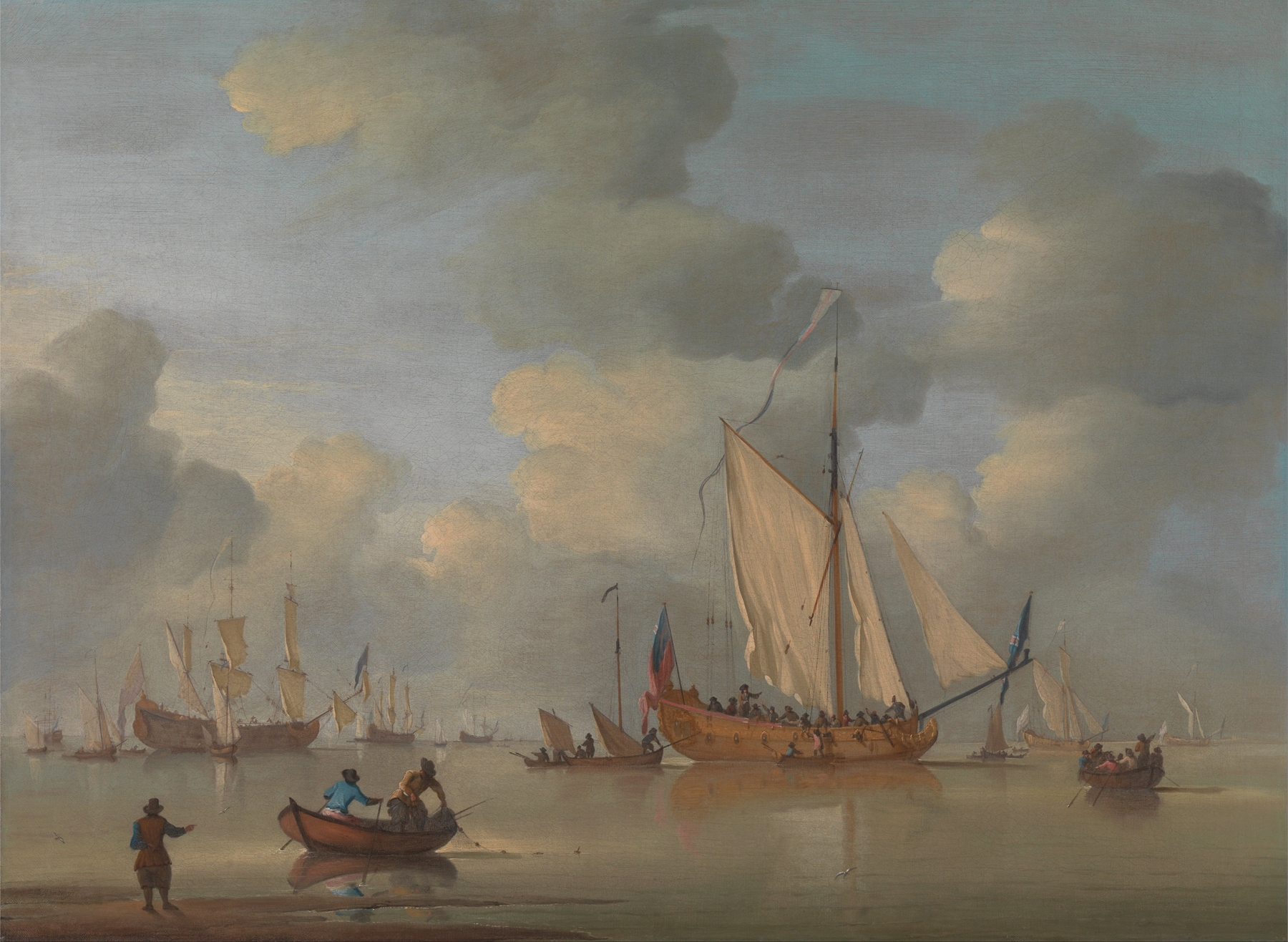
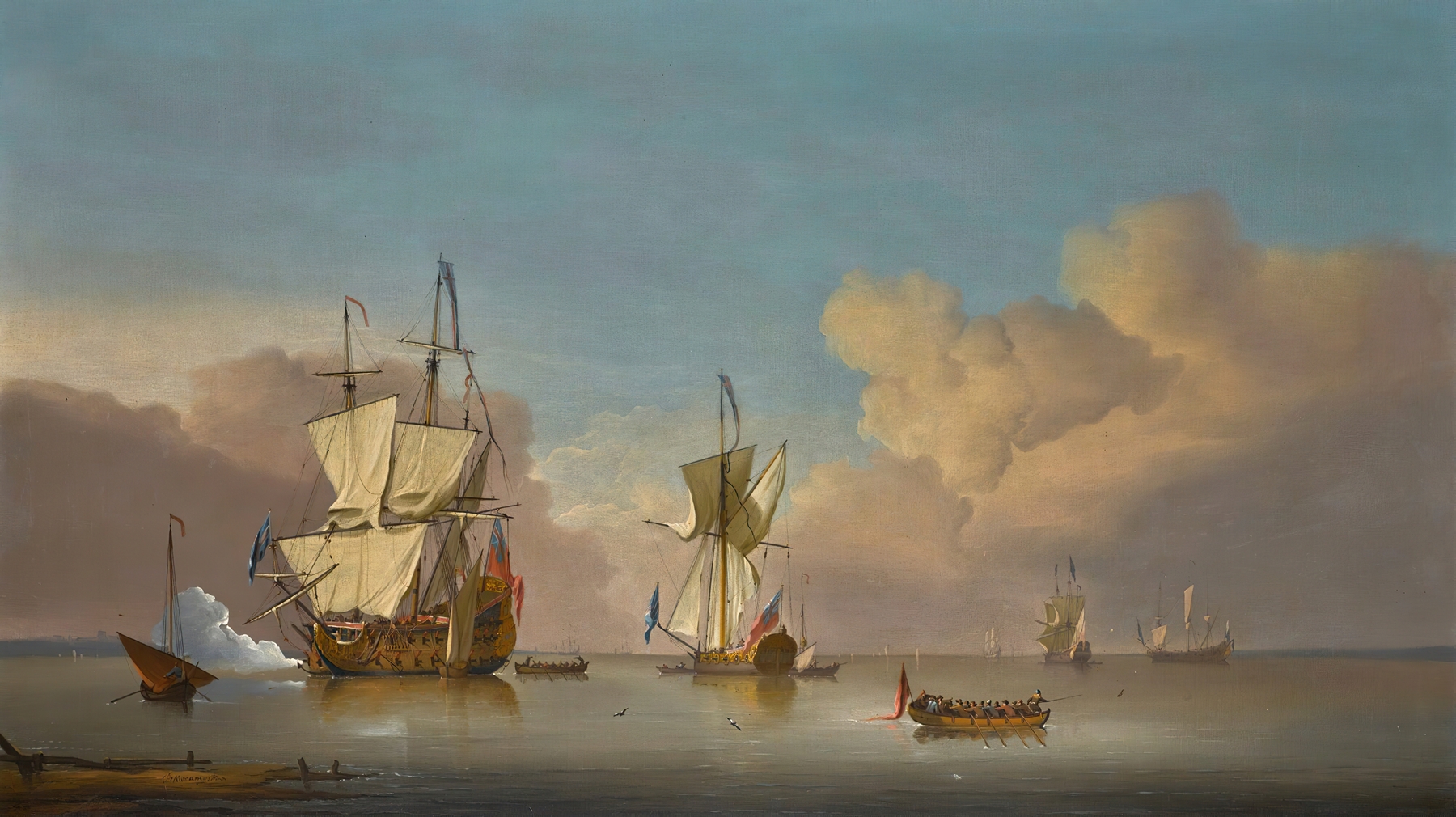
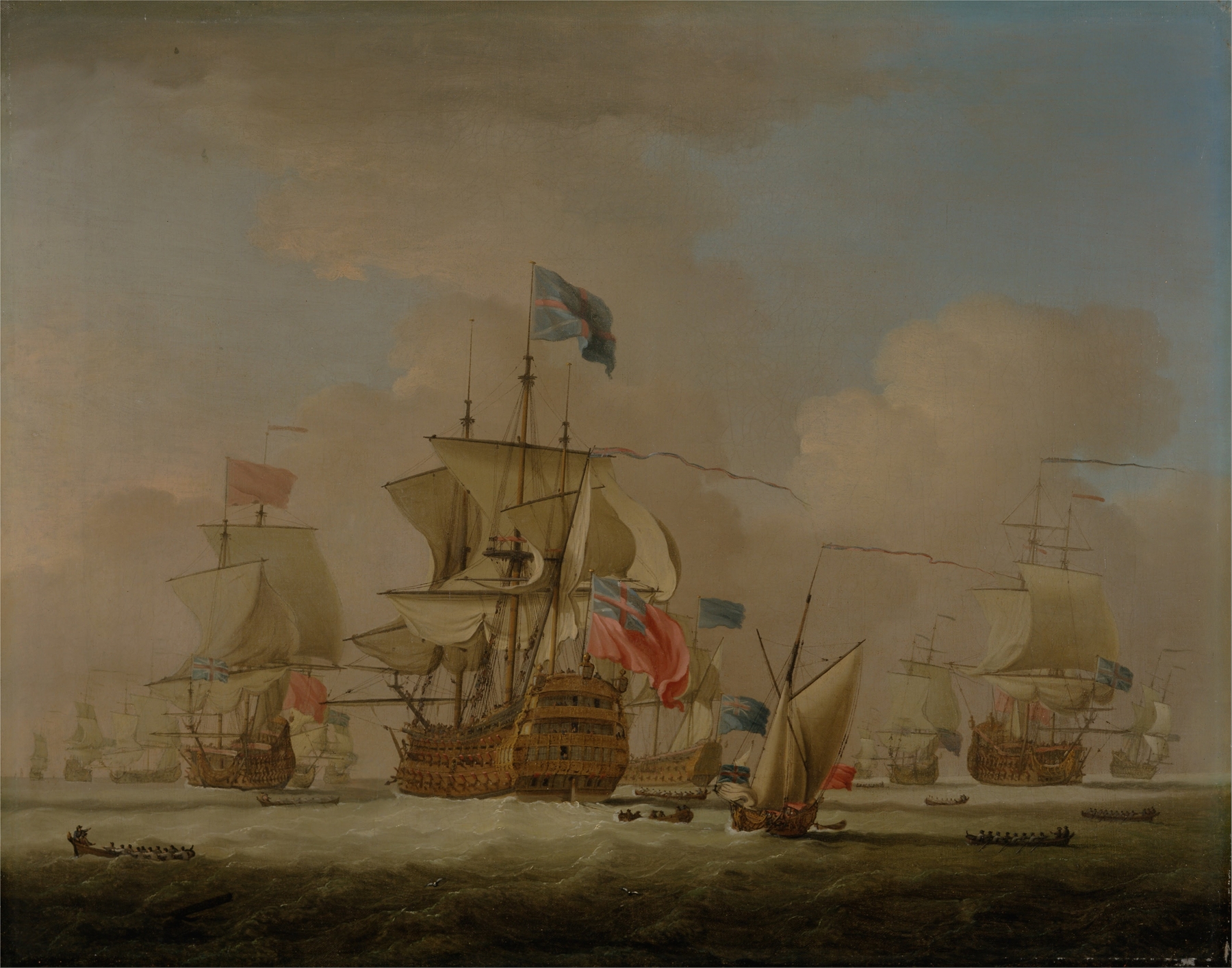
Who listens when art speaks of silence? In Men-of-War and a Sloop, emptiness resonates in the spaces between the ships, evoking a haunting stillness amidst the drama of the sea. Look to the horizon where the sweeping waves meet the canvas, their rhythmic motion captured in shades of deep blue and gentle white. The meticulous detail of the ships, with their billowing sails, immediately draws your eye, contrasting against the vast, tranquil expanse of sky.
Notice how the light plays upon the water’s surface, illuminating the finely painted rigging and the subtle textures of the hulls, creating a sense of vibrant life within the confines of the frame. Yet, it is the emptiness that tells a deeper story. The absence of crew members aboard the vessels suggests isolation, hinting at an uncharted tension between man and nature. In the distance, the faint outlines of other ships blur into the horizon, evoking feelings of longing and solitude, while the sloop, seemingly adrift, stands as a metaphor for vulnerability against the might of the sea.
The painting captures not just the physical aspects of maritime life but the emotional undercurrents that accompany it. Peter Monamy painted Men-of-War and a Sloop between 1720 and 1730, during a time when naval power was pivotal in Britain’s expansion. At this point in his career, Monamy had established himself as a leading maritime artist, influenced by the growing interest in naval battles and the dynamics of ocean life. His works reflect both the grandeur of the naval fleet and the deeper introspections of isolation that accompany such vastness.