The Opening of the First Eddystone Lighthouse in 1698 — History & Analysis
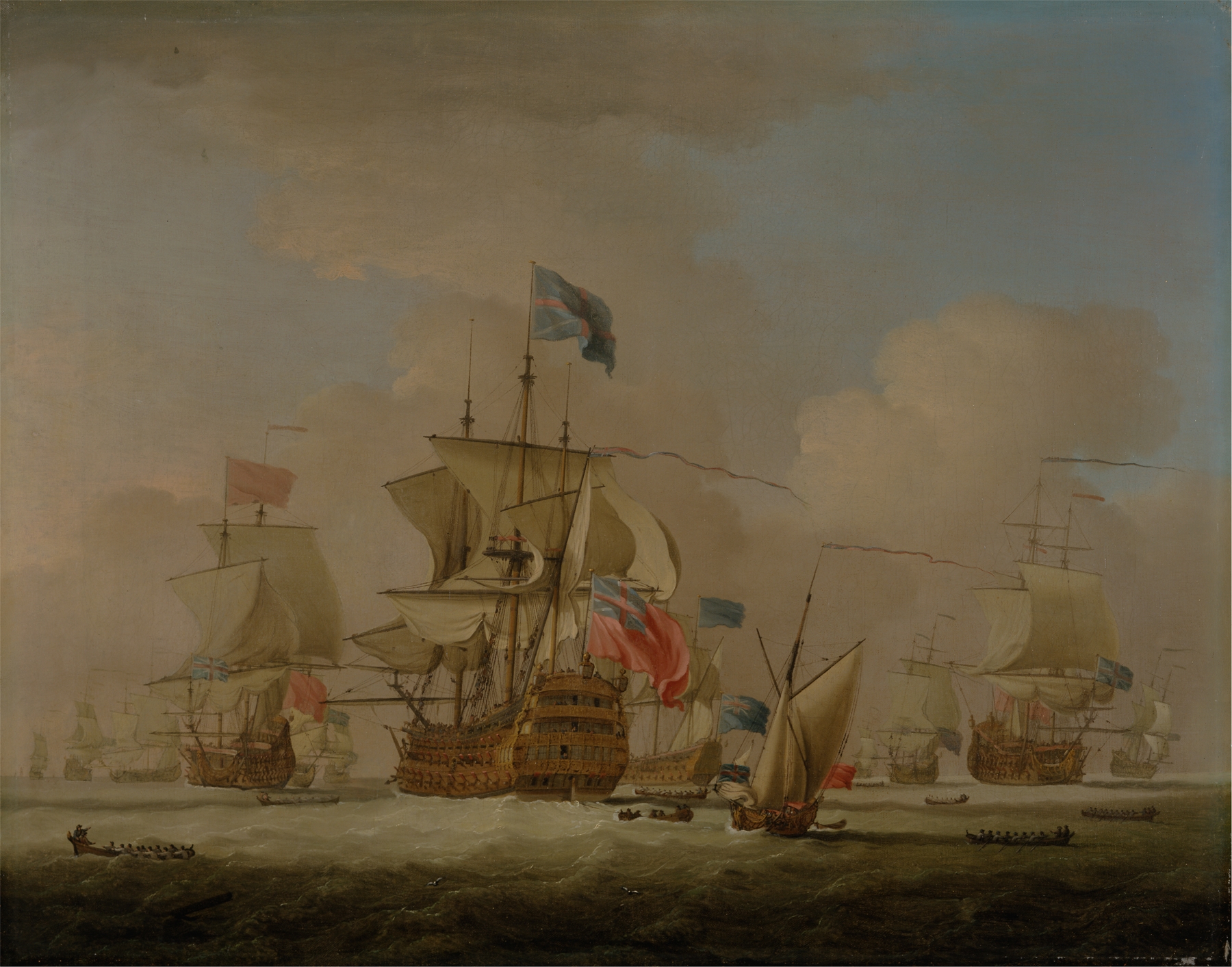
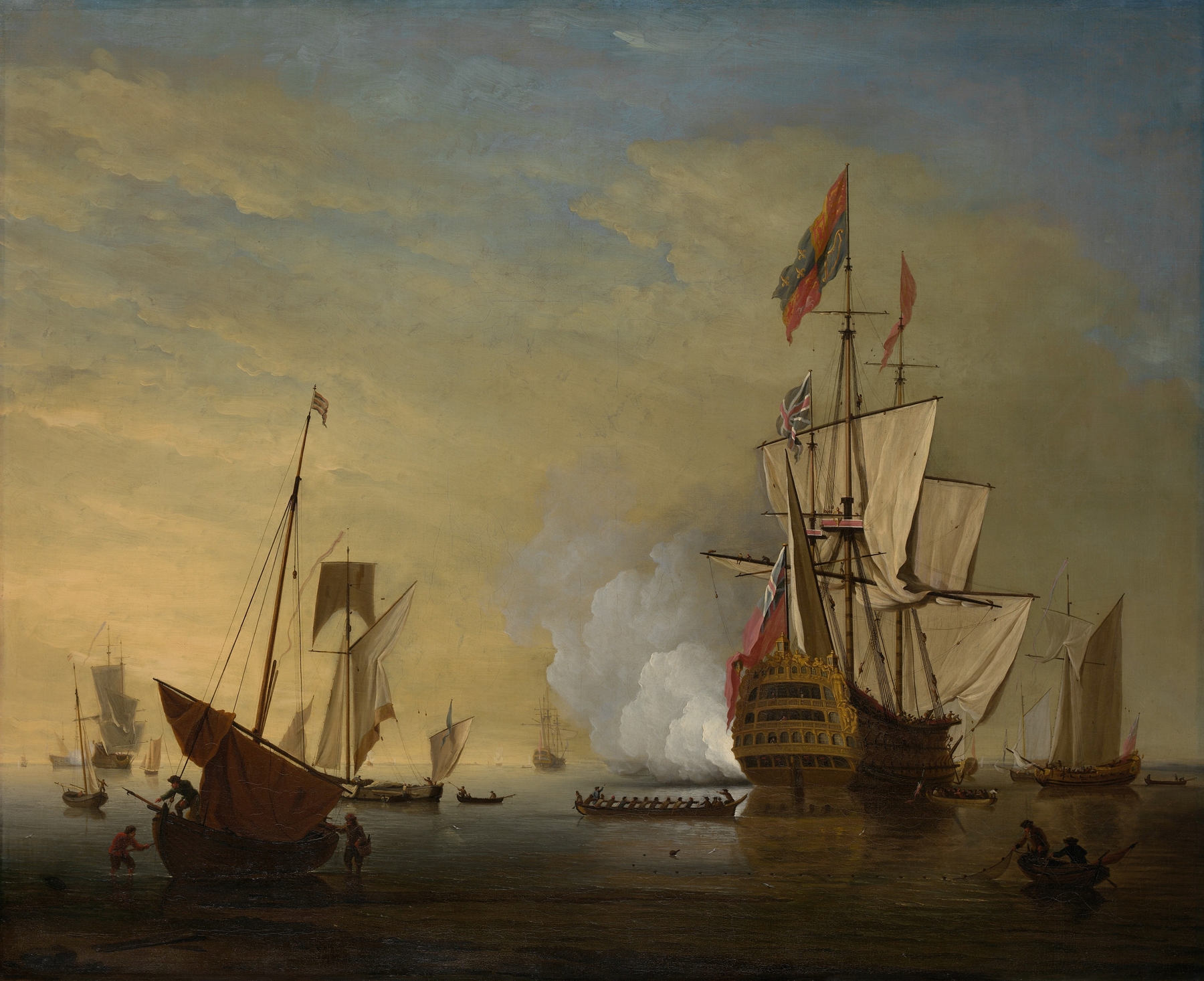
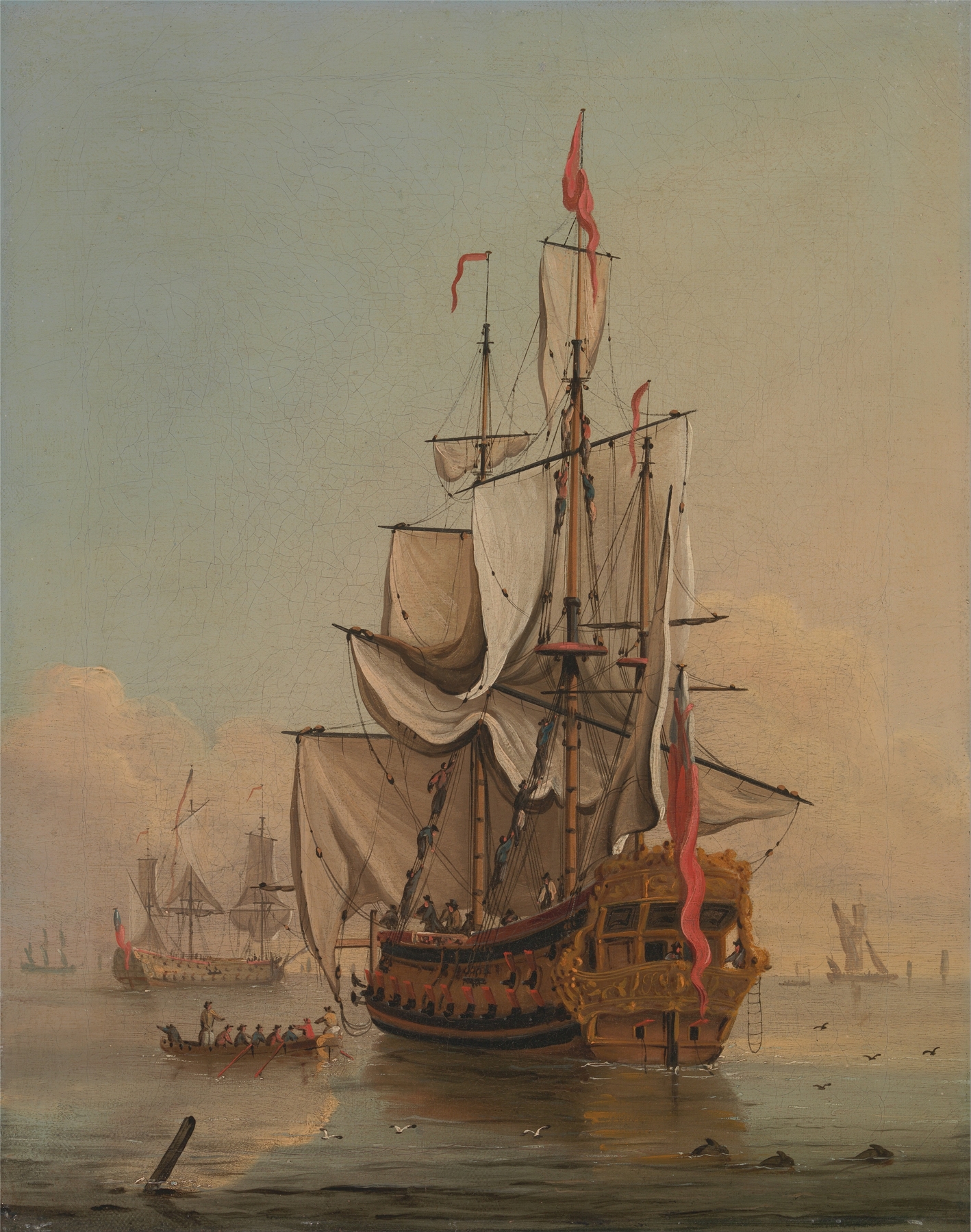
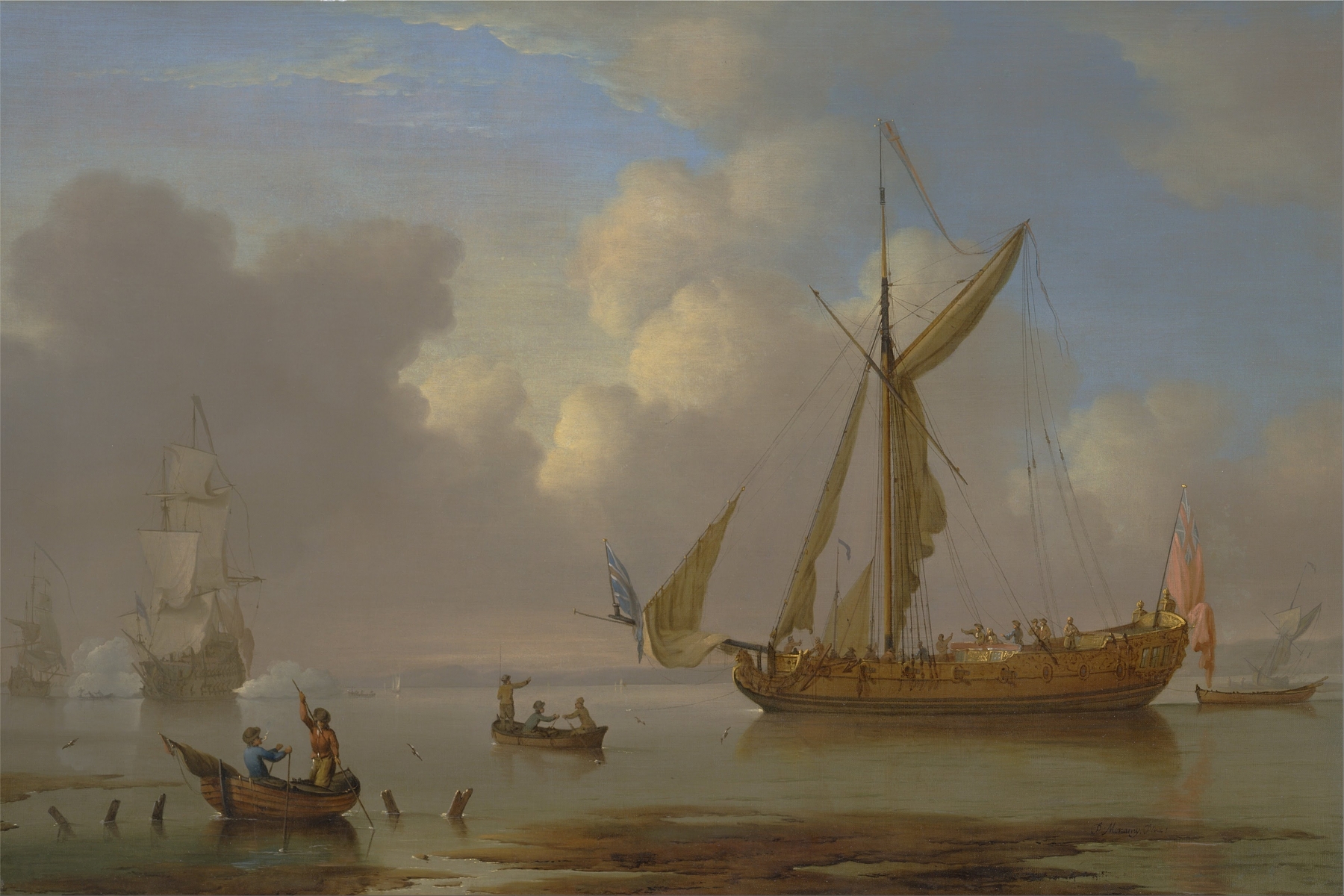
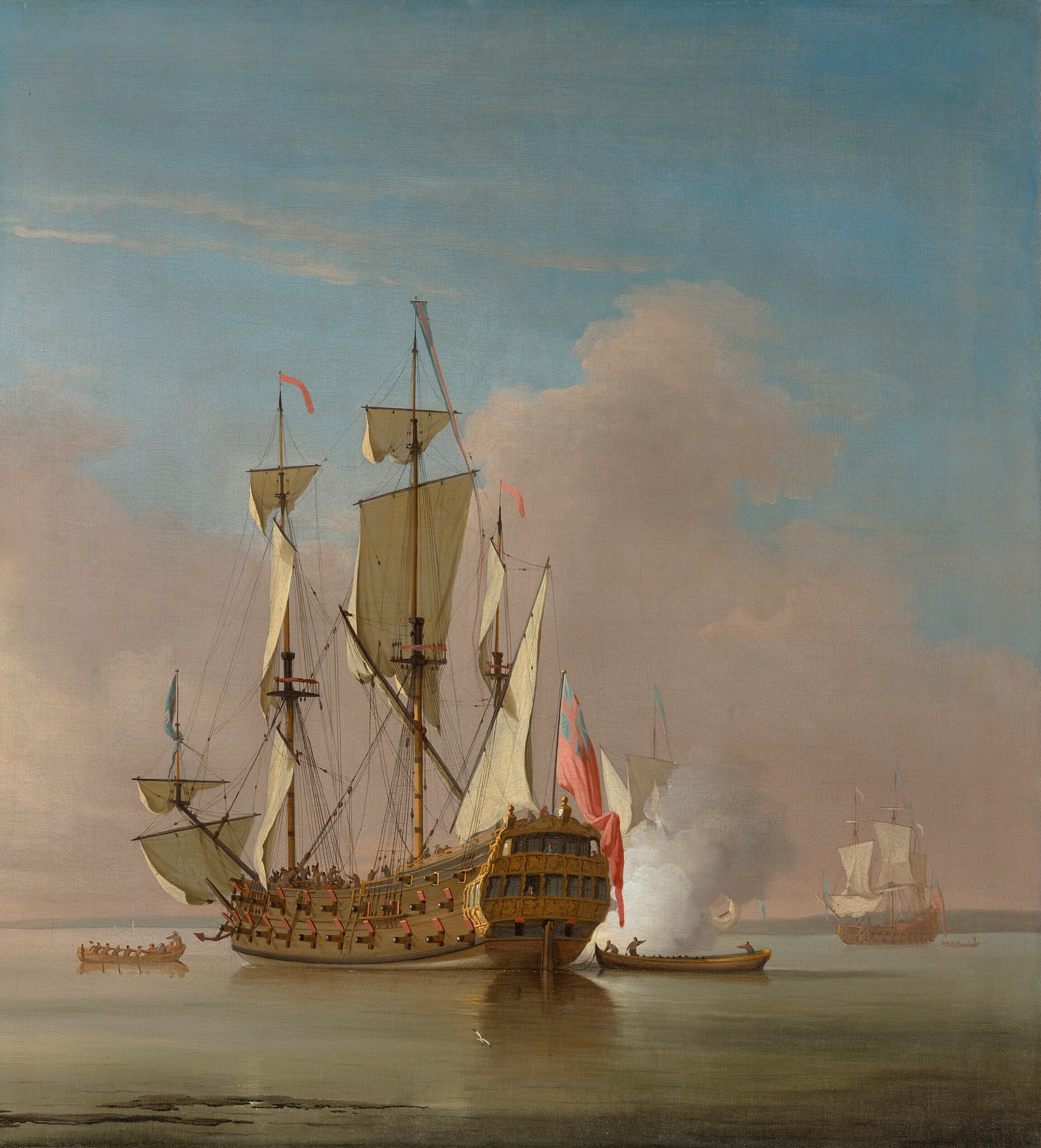
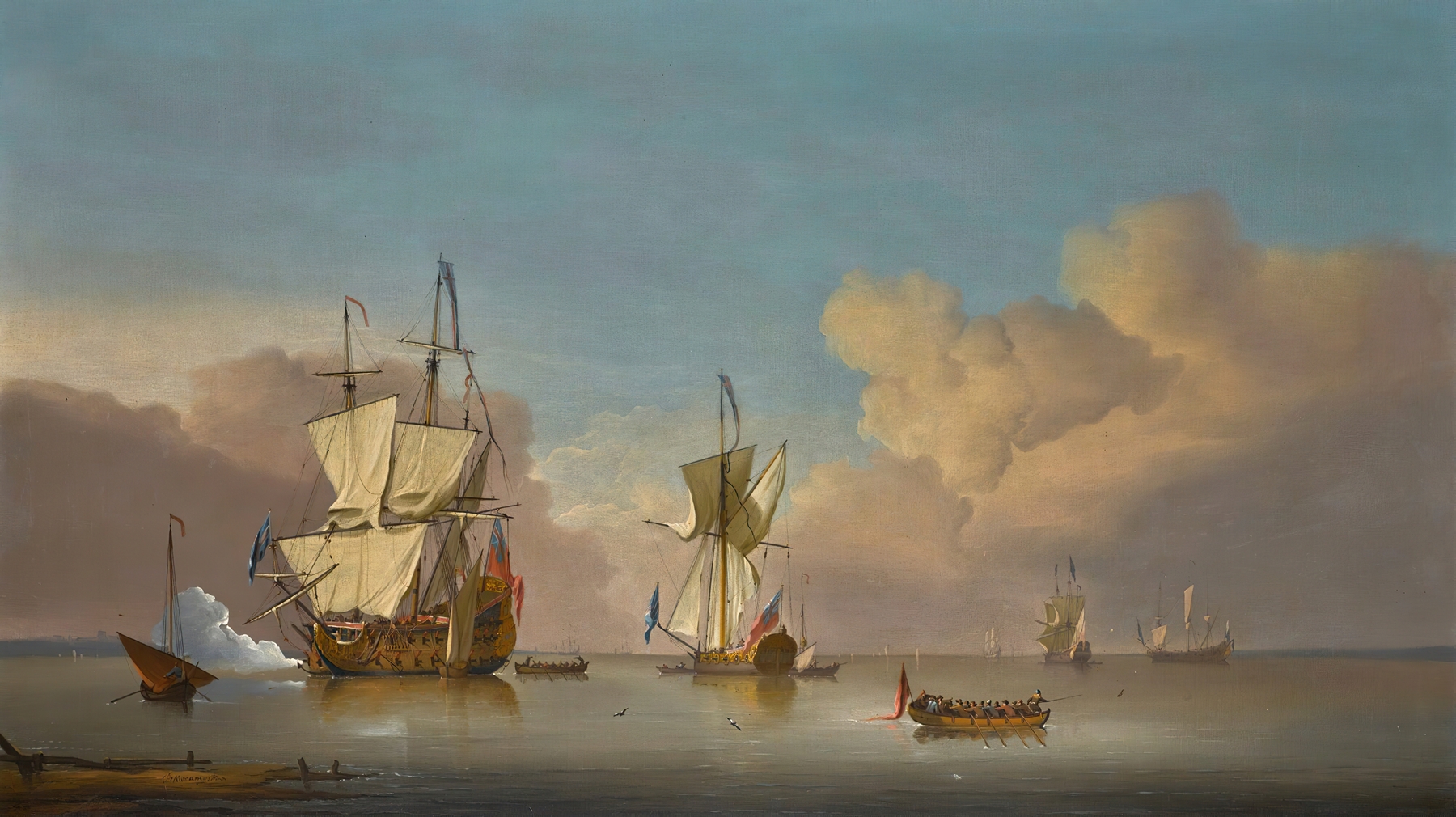
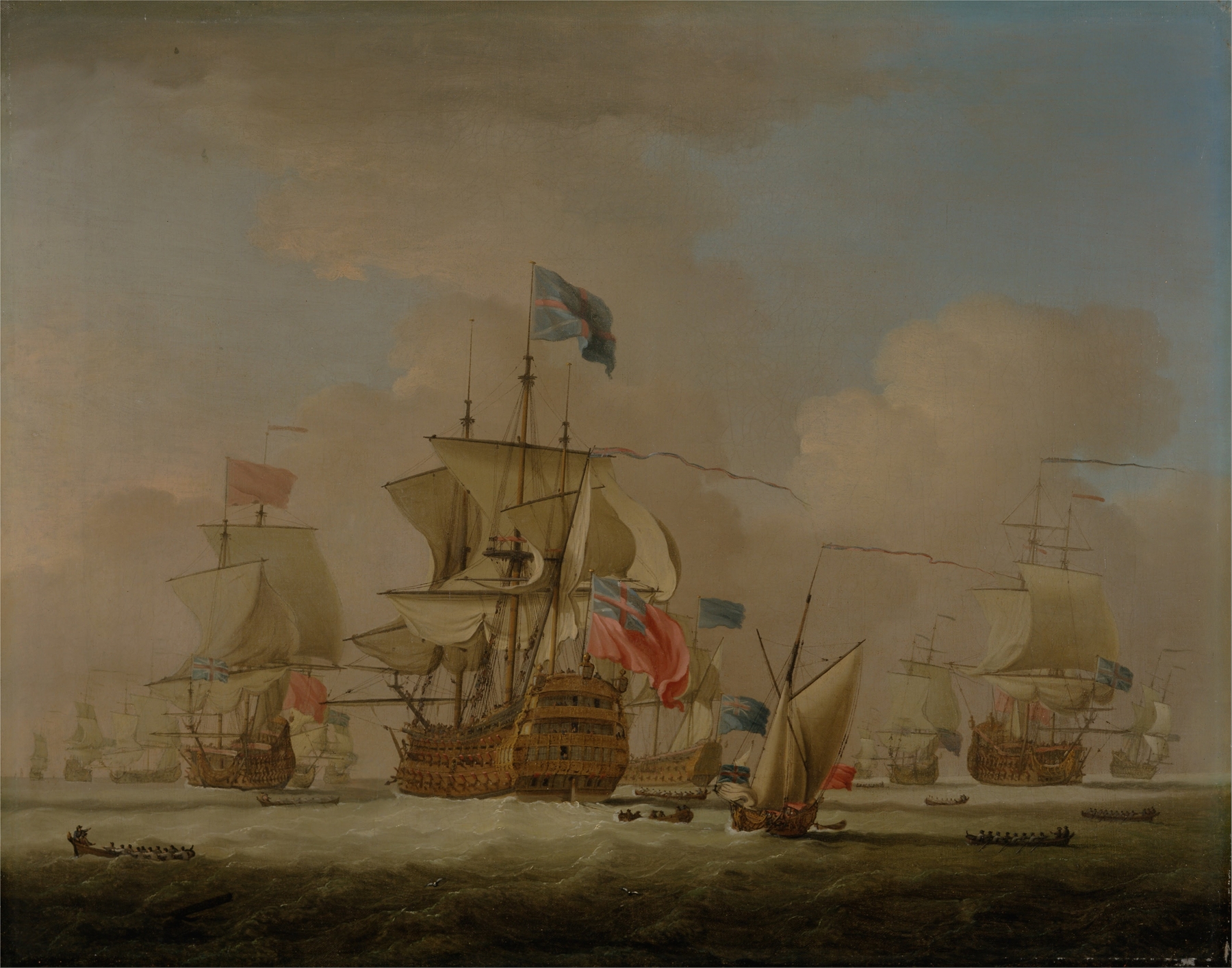
Who listens when art speaks of silence? The haunting absence of the human touch reverberates through time, capturing the ephemeral nature of existence and the weight of what has been lost. Look closely at the smooth expanse of the water, where delicate waves ripple gently against the sturdy silhouette of the lighthouse. Notice how Monamy employs rich, muted tones—deep blues and soft grays—to evoke a sense of tranquility that contrasts with the imposing structure standing sentinel against the horizon.
The lighthouse embodies resilience, yet the surrounding emptiness hints at the isolation that accompanies such steadfastness. It calls to mind the countless mariners who would have relied on its beacon, now unobserved. Delve deeper into the contrasts of the piece; the interplay between light and shadow tells a story of both hope and despair. The lighthouse, a beacon of guidance, stands resolute amidst an expanse of solitude, evoking feelings of yearning for connection long lost to the sea.
The stillness of the water mirrors the stillness of memory, suggesting a reflection on the past and the lives affected by the turbulent waves that once threatened their journeys. Created during a time when maritime navigation was critical, the artist crafted this work likely while reflecting on the era’s advancements in lighthouse technology. Monamy's artistry flourished in 18th century England, where he was influenced by the burgeoning interest in documenting maritime life and the sublime beauty of the sea. This painting stands as a testament to both innovation and the solitude of those who depend on such monumental structures, echoing the loss of personal connections in the vast world.