A ship on fire at night — History & Analysis
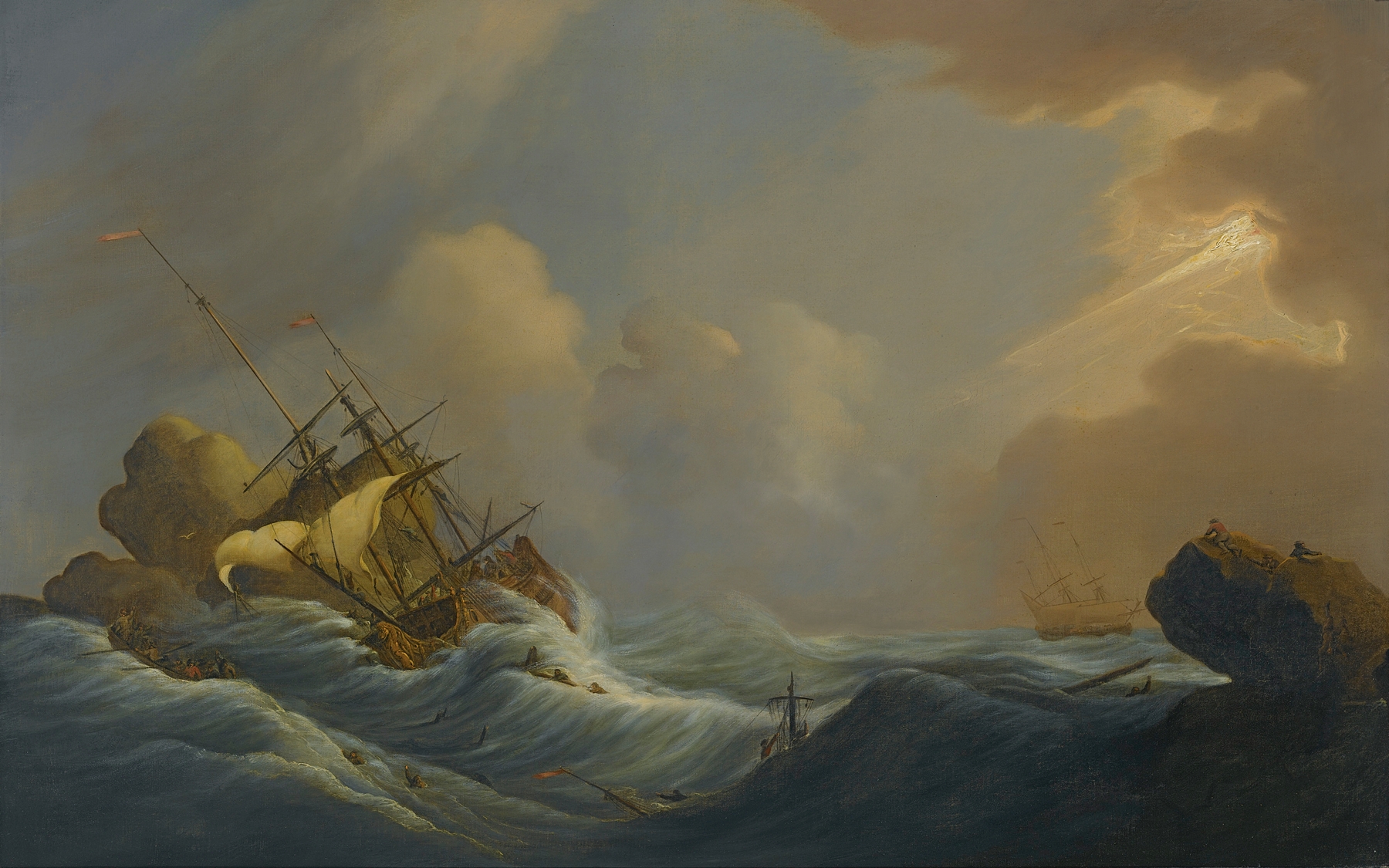
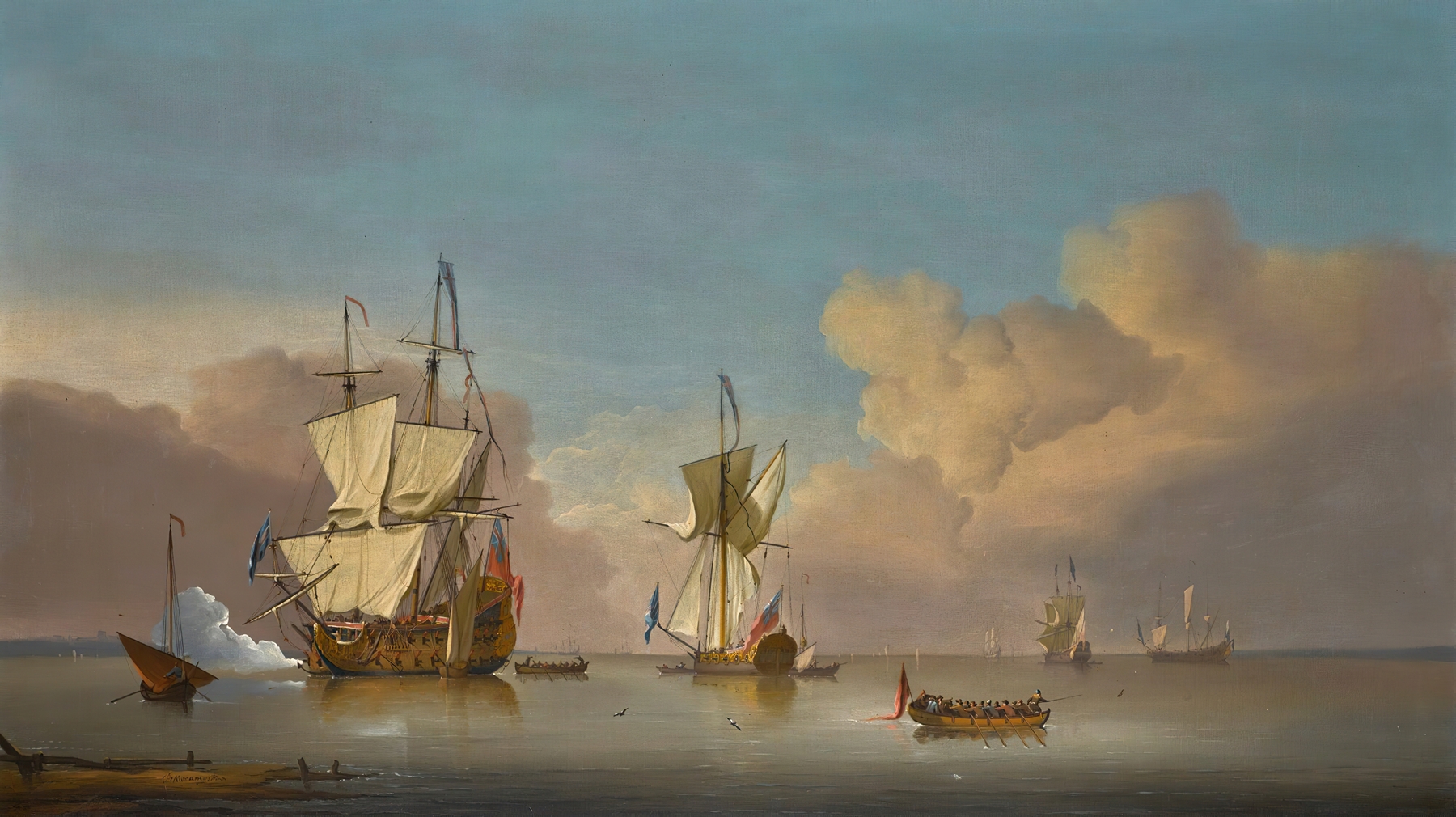
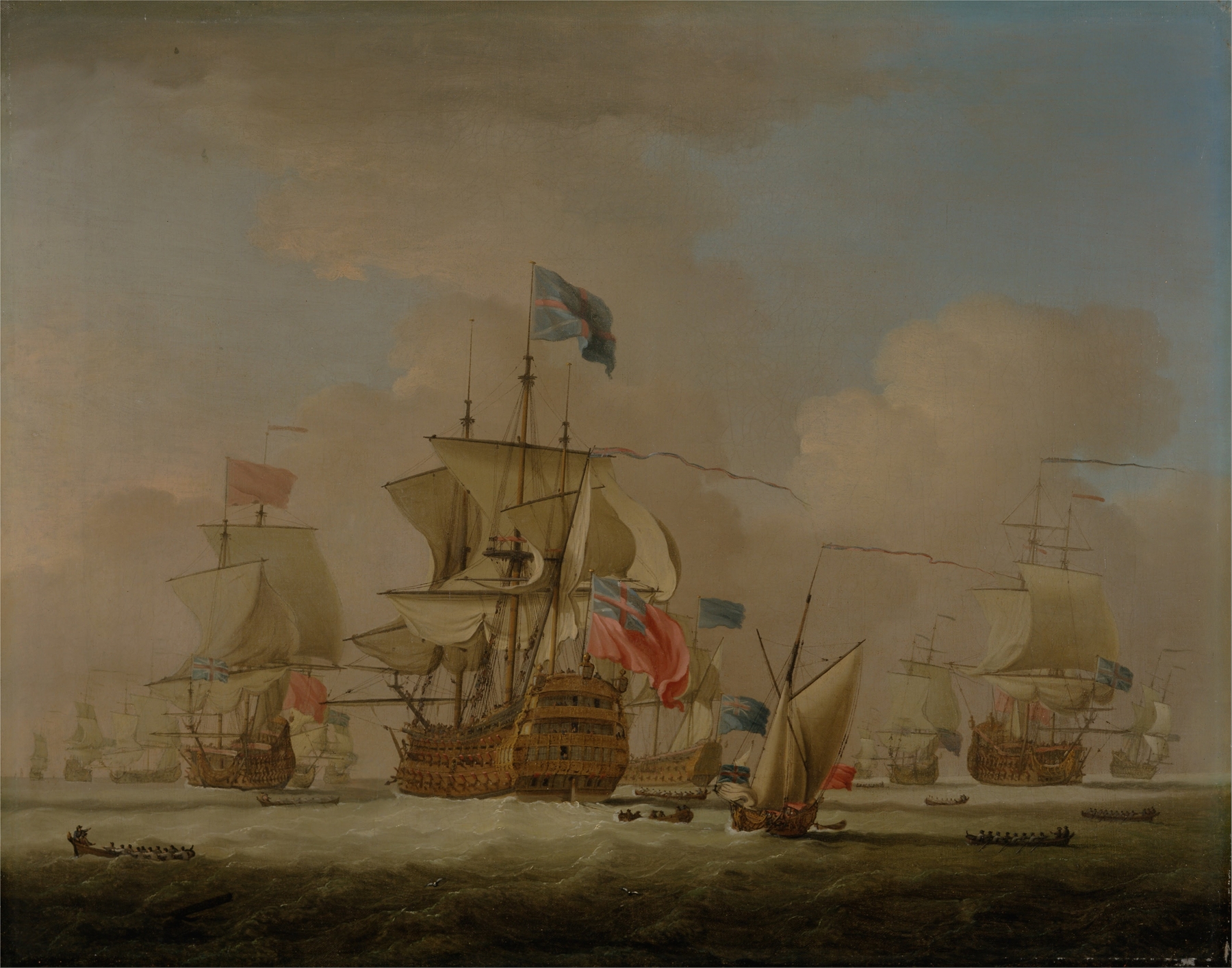
Could a single brushstroke hold eternity? In the flickering chaos of flame and shadow, A Ship on Fire at Night captures a moment where time seems suspended, leaving us breathless in its wake. Look to the center of the canvas, where the ship erupts in a cascade of orange and yellow flames, the light illuminating the surrounding waves. Notice the contrast between the fiery glow and the inky depths of the sea, where darkness swells ominously, each brushstroke evoking a sense of both danger and beauty.
The swirling clouds above, painted with a turbulent finesse, seem almost alive, as if echoing the turmoil below. Within this tempest lies a profound exploration of contrast; the devastation of fire juxtaposed with the vastness of night. Here, the ship becomes a symbol of human ambition and vulnerability, swallowed by the elemental forces of nature. The flickering light dances on the water, mirroring fleeting moments in life—celebrating both our triumphs and fragility.
Each detail invites contemplation of the human spirit in the face of chaos, igniting a lasting awe. Created during a time when maritime themes captivated the art world, Monamy painted this work amidst the early 18th century, an era marked by both exploration and peril on the seas. The artist's focus on sea battles and sailing vessels reflected the realities of his time, as nations vied for dominance over the oceans. Though the date of this piece remains unknown, it speaks to a moment when the power of nature was both feared and revered, echoing a collective consciousness that resonates even today.