Misty Weather — History & Analysis
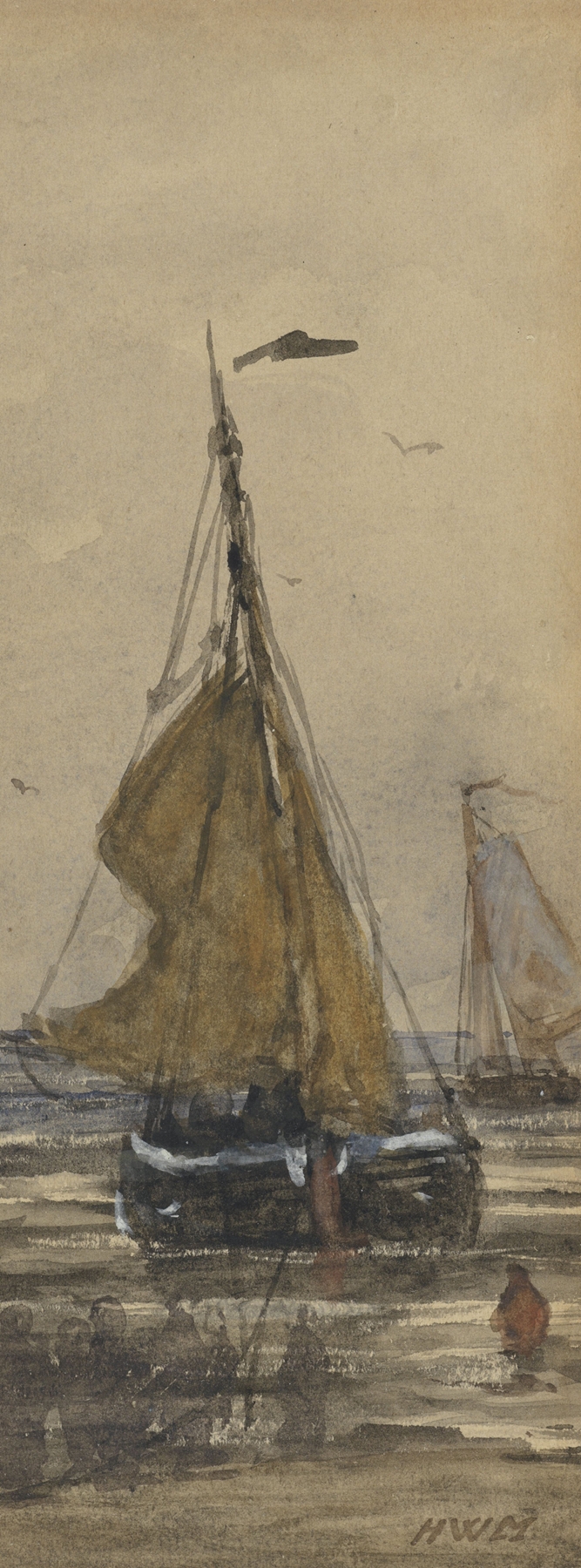
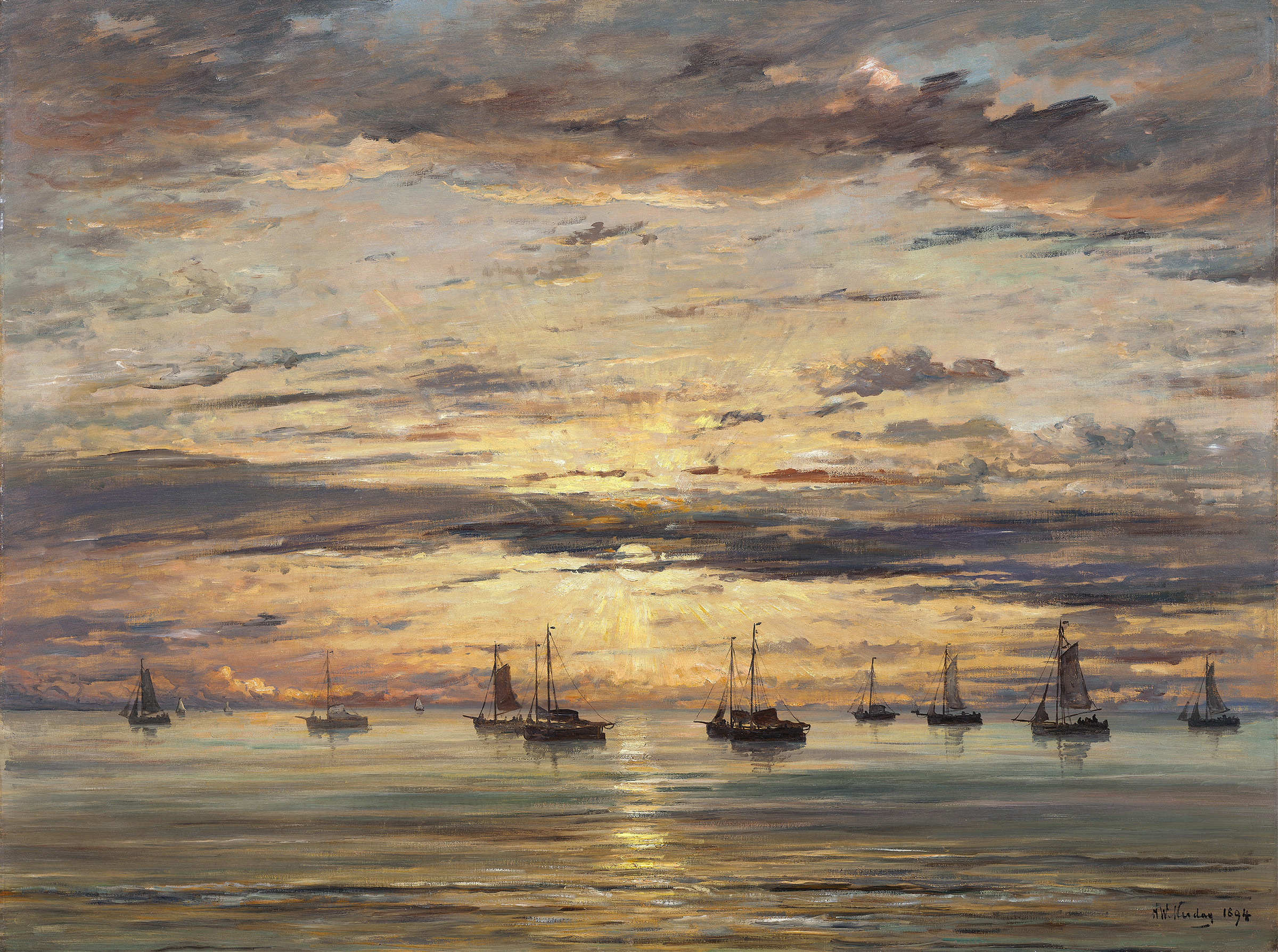
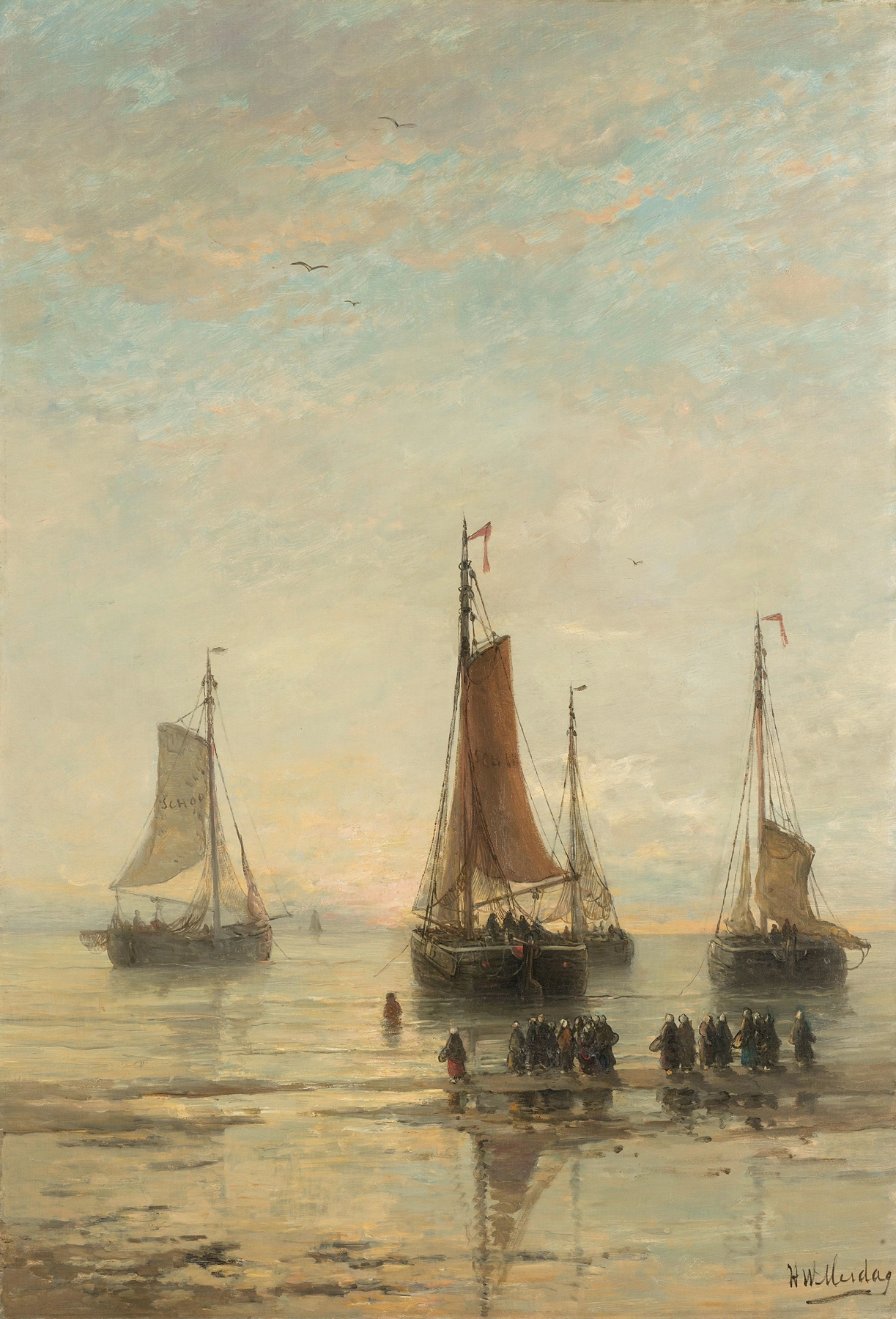
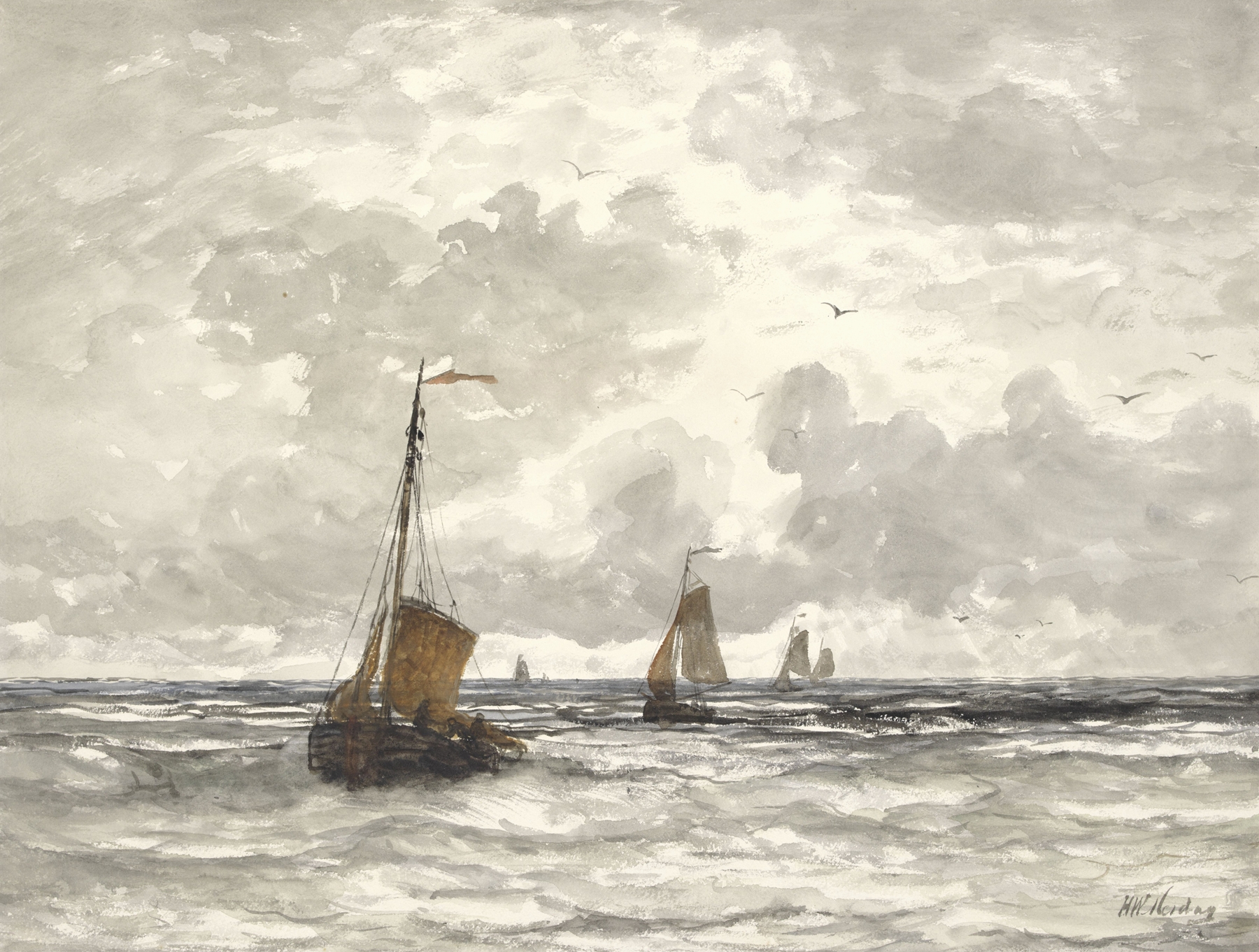
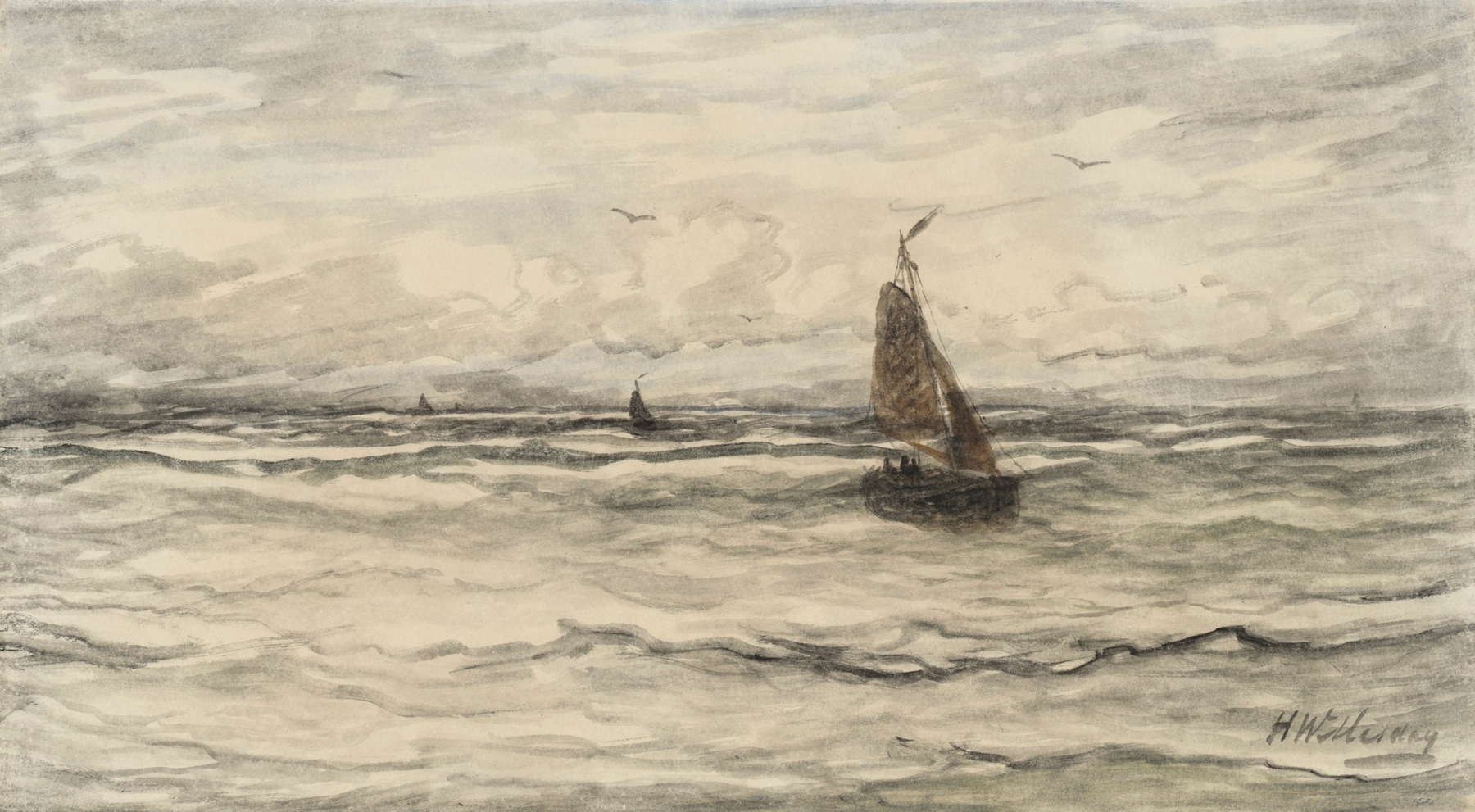
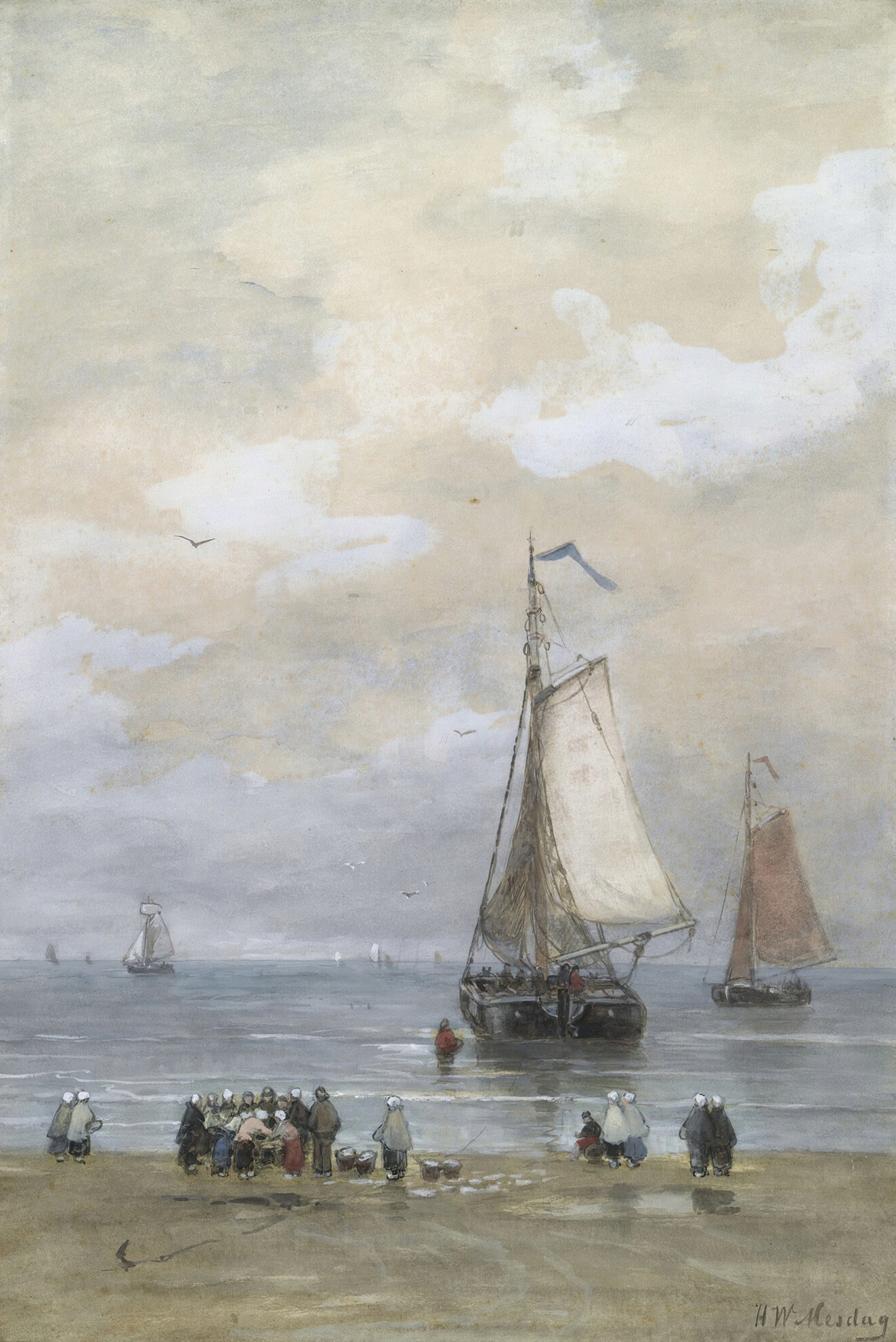
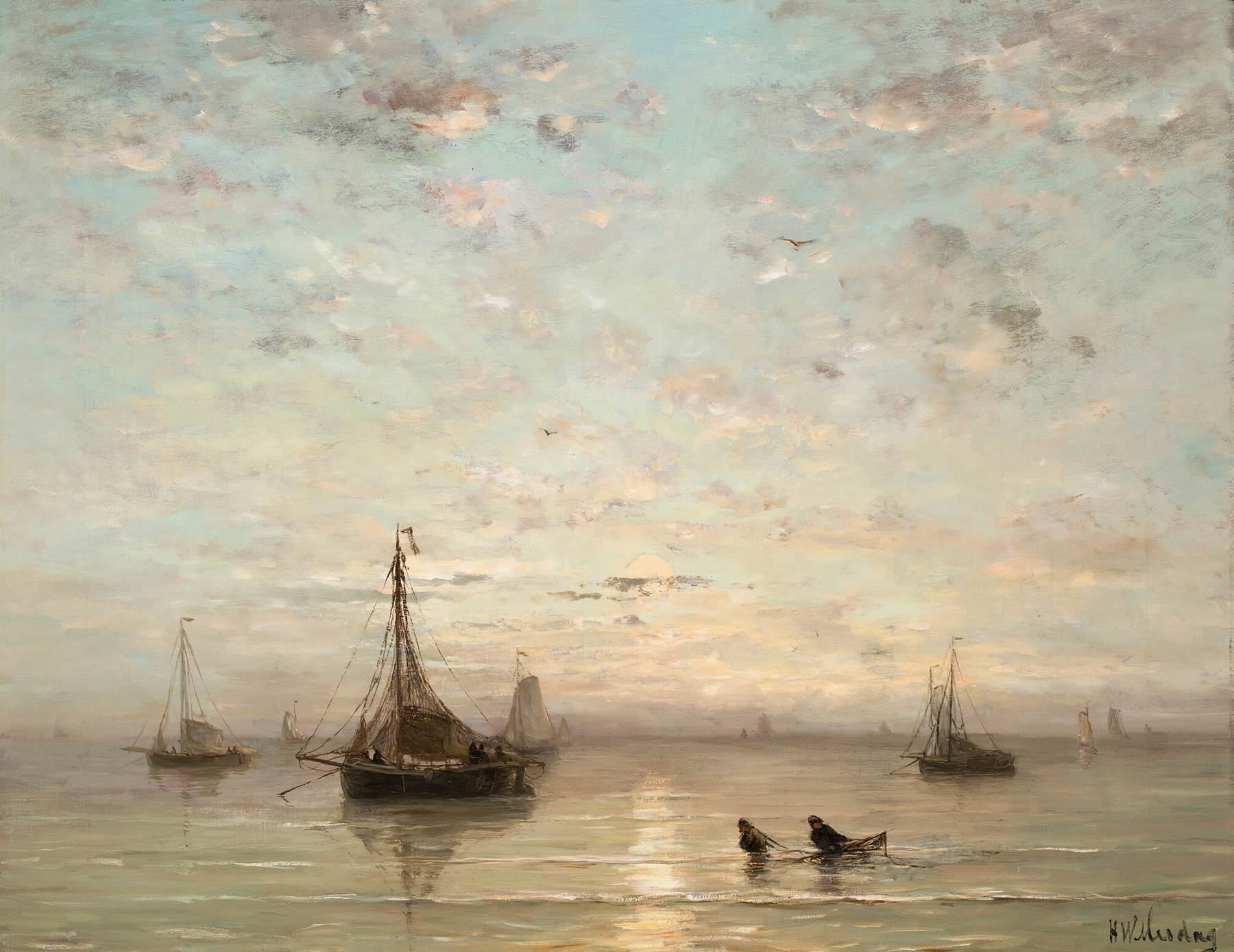
“Art reveals the soul when the world turns away.” In Misty Weather, the artist captures not only an atmospheric landscape but also the profound human experience lurking beneath the surface of tranquility. Look to the foreground, where soft, muted hues of gray and blue blend seamlessly, evoking the melancholy of a foggy day. The horizon blurs into ambiguity, inviting the viewer's gaze to wander beyond the visible into the unknown. Notice how the faint silhouettes of distant ships emerge like ghostly apparitions, their forms softened by the mist—each one a reminder of the unseen dangers at sea, the violence that nature can unleash at any moment.
Delve deeper into the painting, and you’ll uncover a tension between peace and chaos. The calm waters appear deceptive, masking the tumultuous energy that swirls just beneath the surface. Each brushstroke conveys a duality; the gentle waves suggest serenity, yet their undulating movement hints at an impending storm. The atmosphere is thick with a sense of foreboding, as if history itself echoes through the haze, warning us of the fragility of this moment.
In 1896, while painting Misty Weather, Mesdag was living in The Hague, amidst a thriving art scene that celebrated realism and impressionism. His own life was marked by a dedication to marine painting, yet he faced the challenge of capturing elusive elements like atmosphere and light. This particular work reflects not only his artistic mastery but also the broader currents of change in society, where the tension between nature's beauty and its ferocity was becoming increasingly evident.