Mondaufgang am Thunersee — History & Analysis
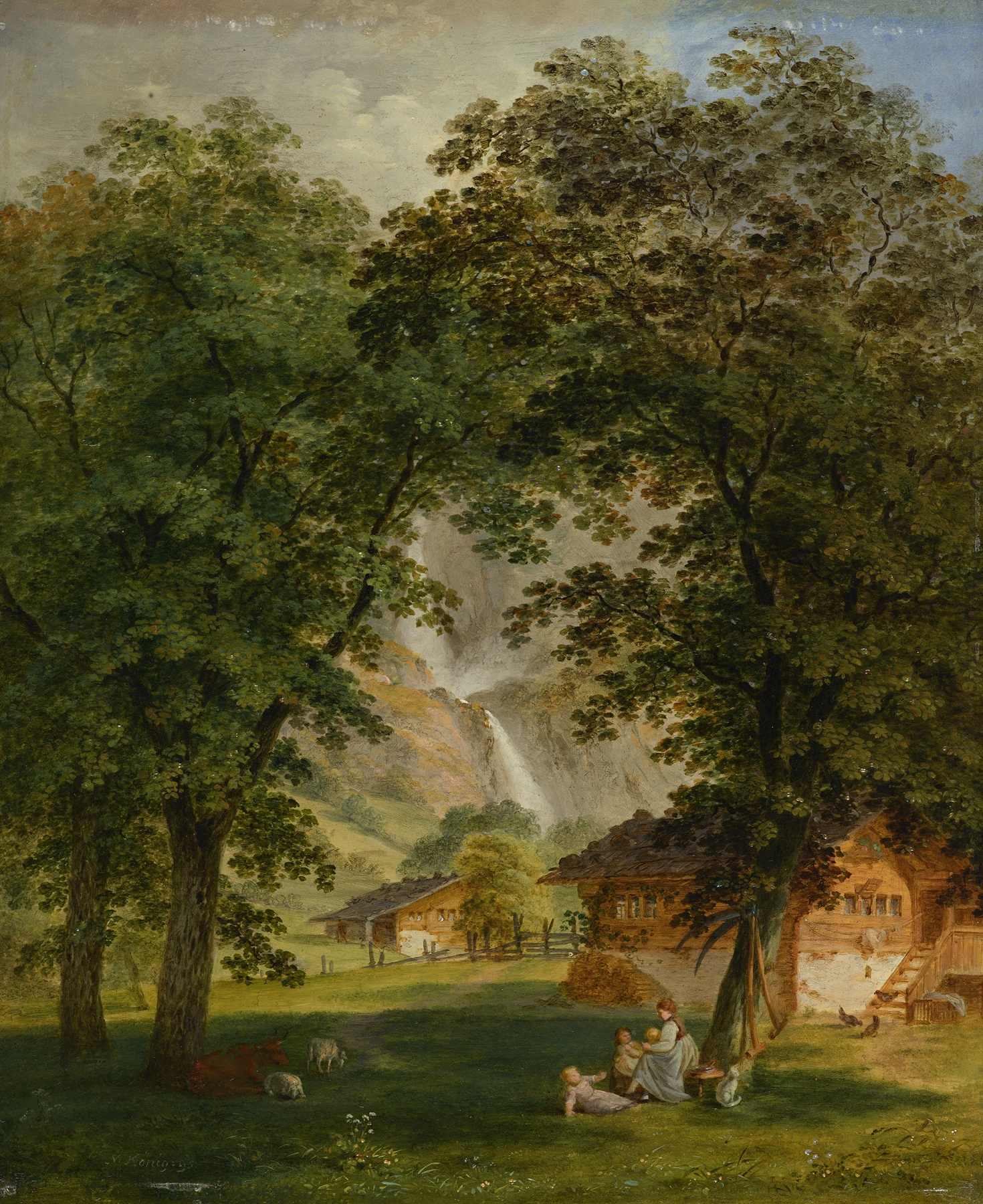
Could beauty survive in a century of chaos? In the tumult of the early 20th century, as darkness loomed over Europe, the tranquil splendor of a moonrise emerged like a silent rebellion. Look to the center, where the luminous orb hangs low in the sky, casting a gentle silver glow across the rippling waters of Thunersee. The soft blending of blues and whites creates a serene atmosphere, contrasting with the harsh realities of the time.
Notice the delicate strokes that depict the trees framing the lake, their forms dark yet peaceful, anchoring the viewer in this moment of harmony amidst uncertainty. Beneath the tranquil surface lies a profound tension. The stillness of the landscape belies the chaos of a world grappling with war and upheaval. The moon, a symbol of hope and constancy, contrasts with the turbulent waters, suggesting resilience in the face of turmoil.
Each brushstroke conveys both the fragility and the enduring beauty of nature, inviting contemplation on the balance between despair and serenity. Franz Niklaus König created this piece between 1915 and 1945, a period marked by the devastating impacts of World War I and the rise of totalitarian regimes. Working in Switzerland, König found solace in his surroundings, channeling his emotional response to the external chaos into his art. This painting serves as a testament to his ability to find beauty in a world yearning for peace, reflecting a timeless struggle between light and darkness.