Monument Mountain, Berkshires — History & Analysis
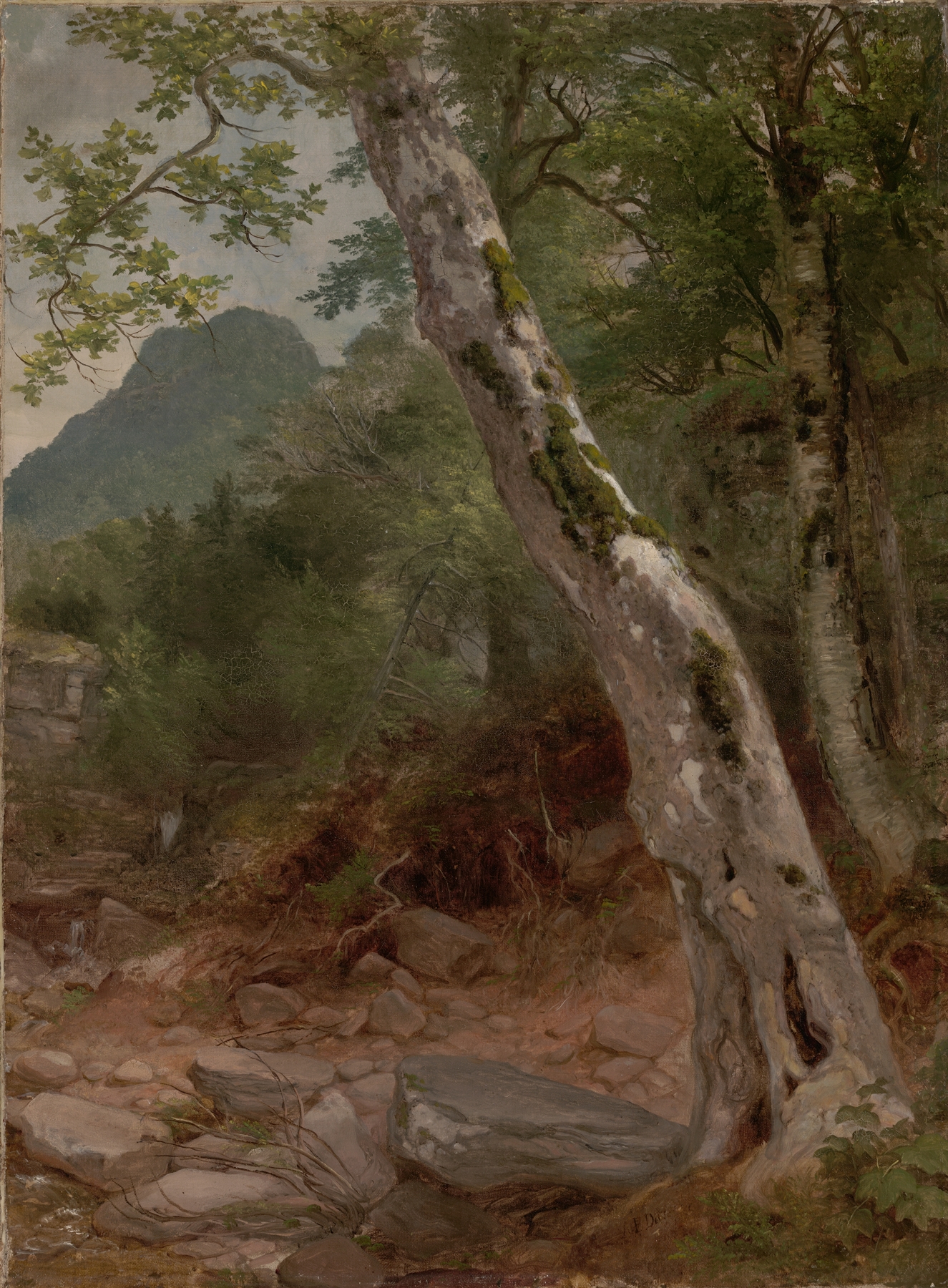
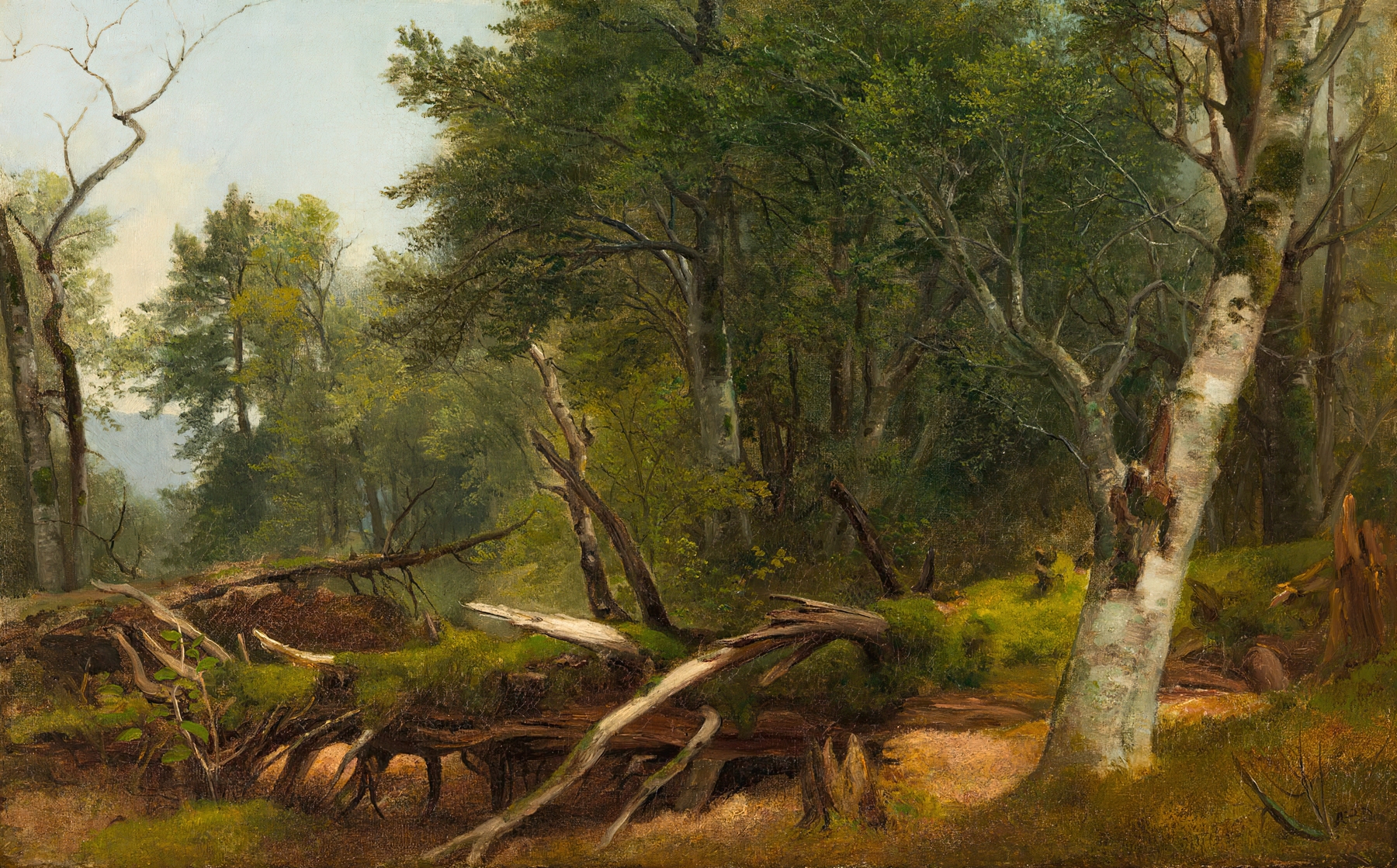
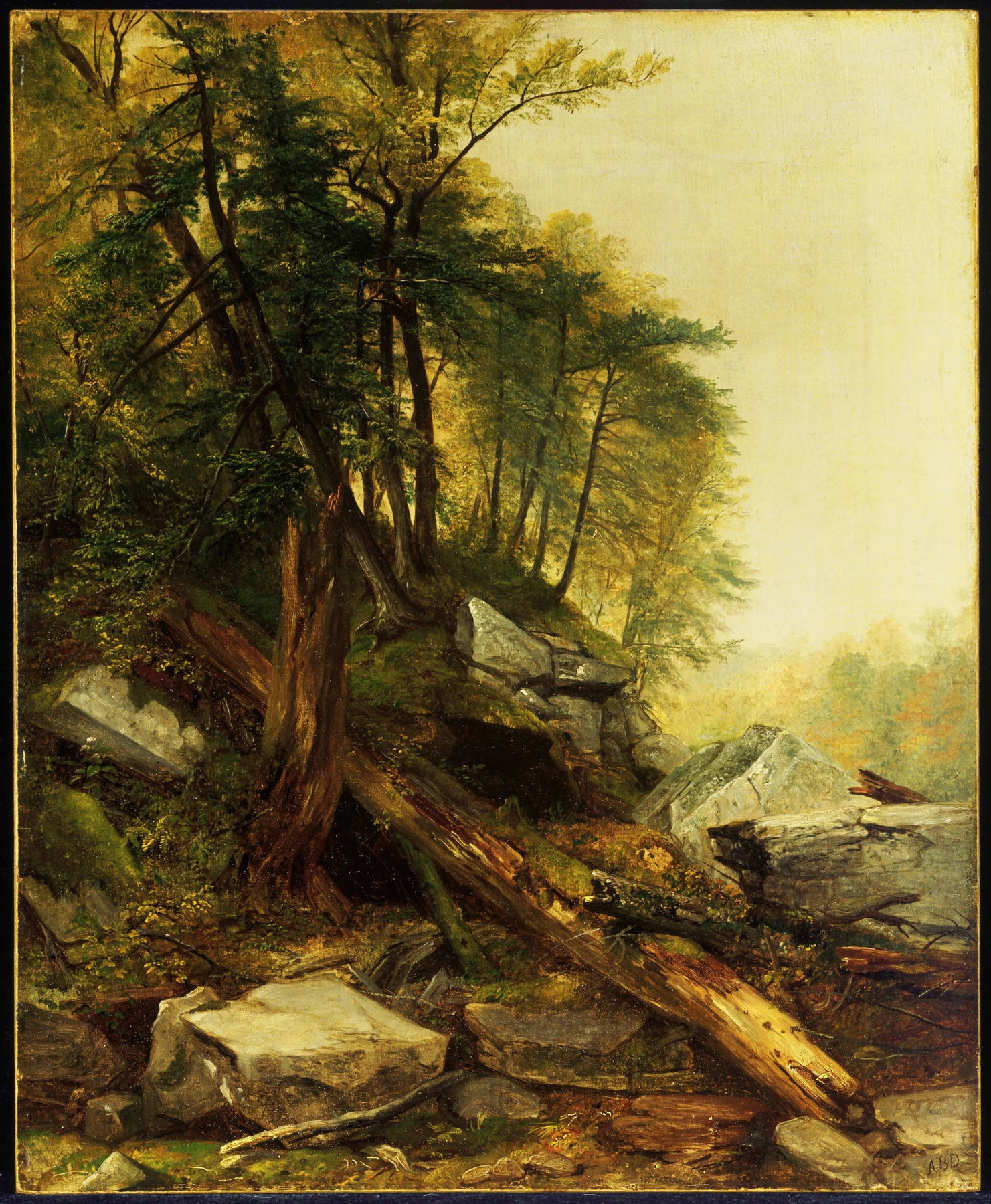
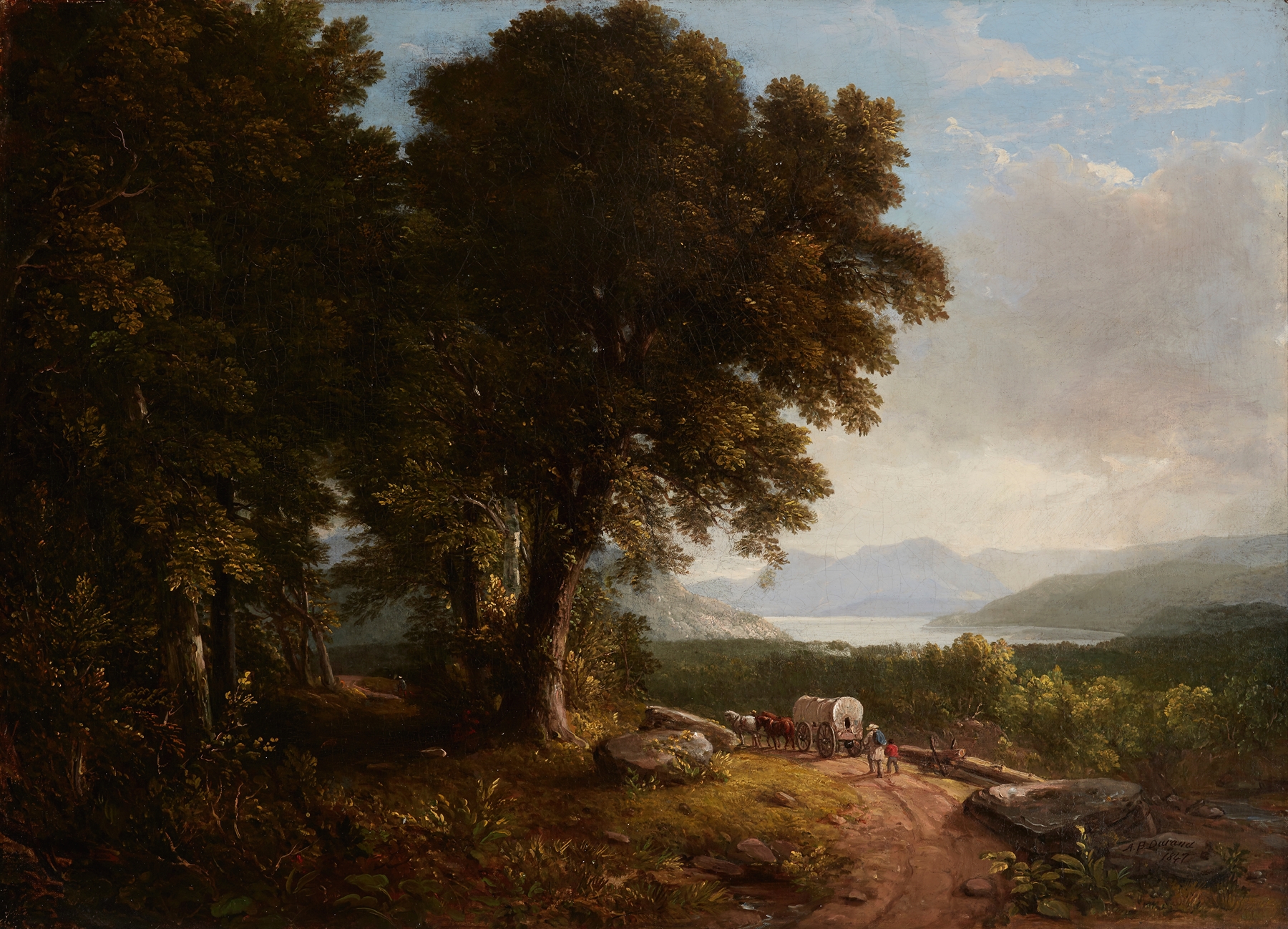
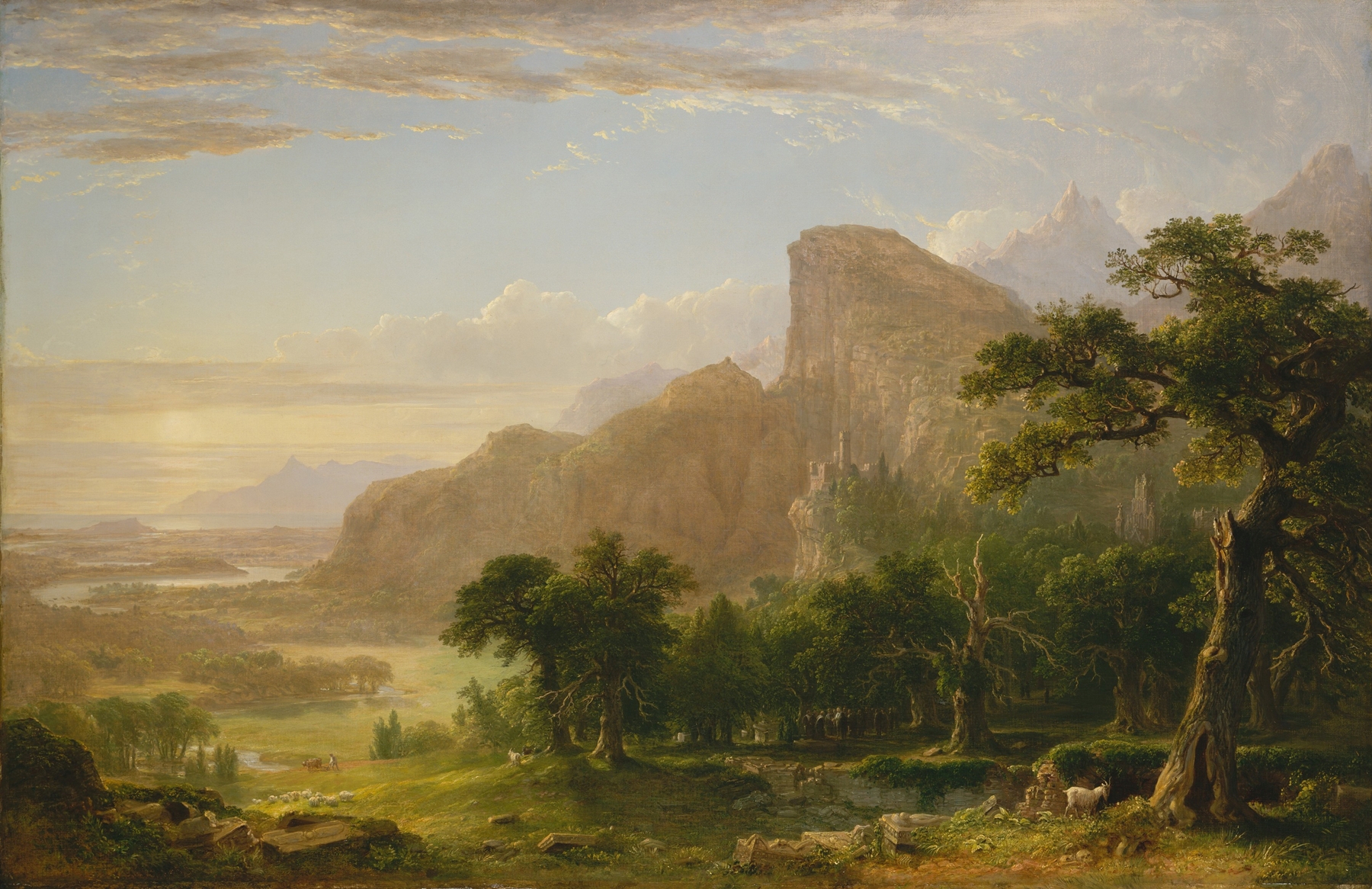
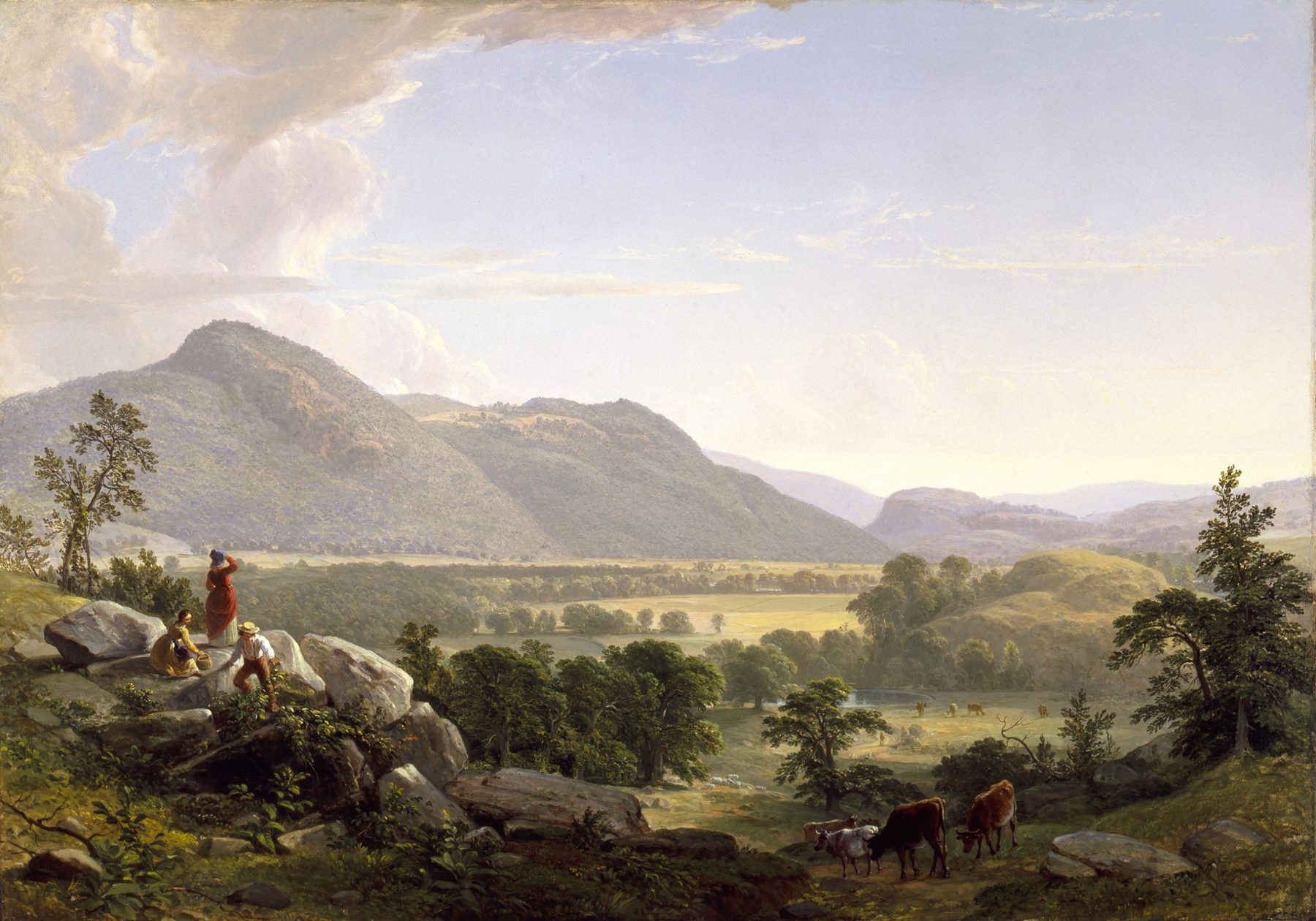
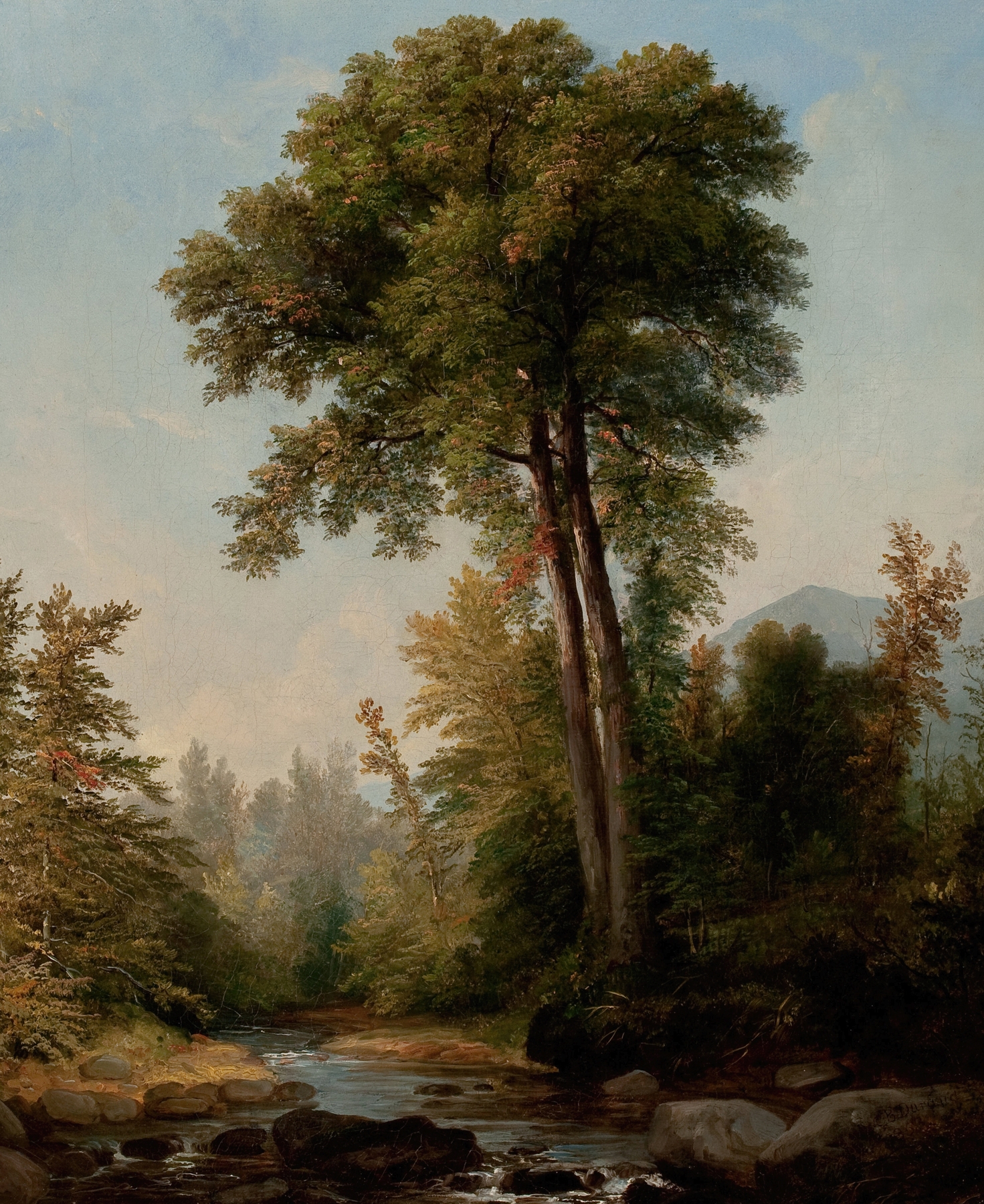
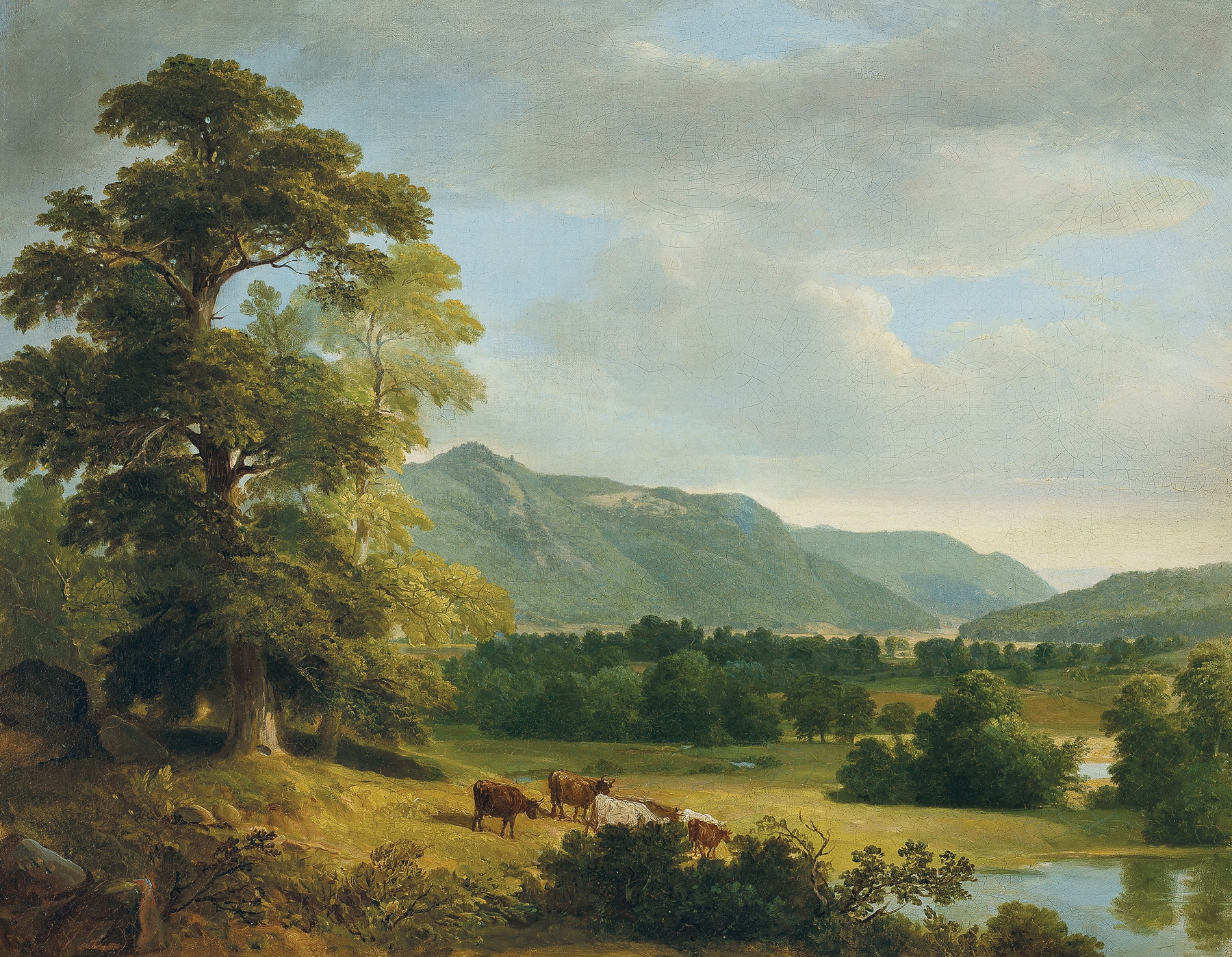
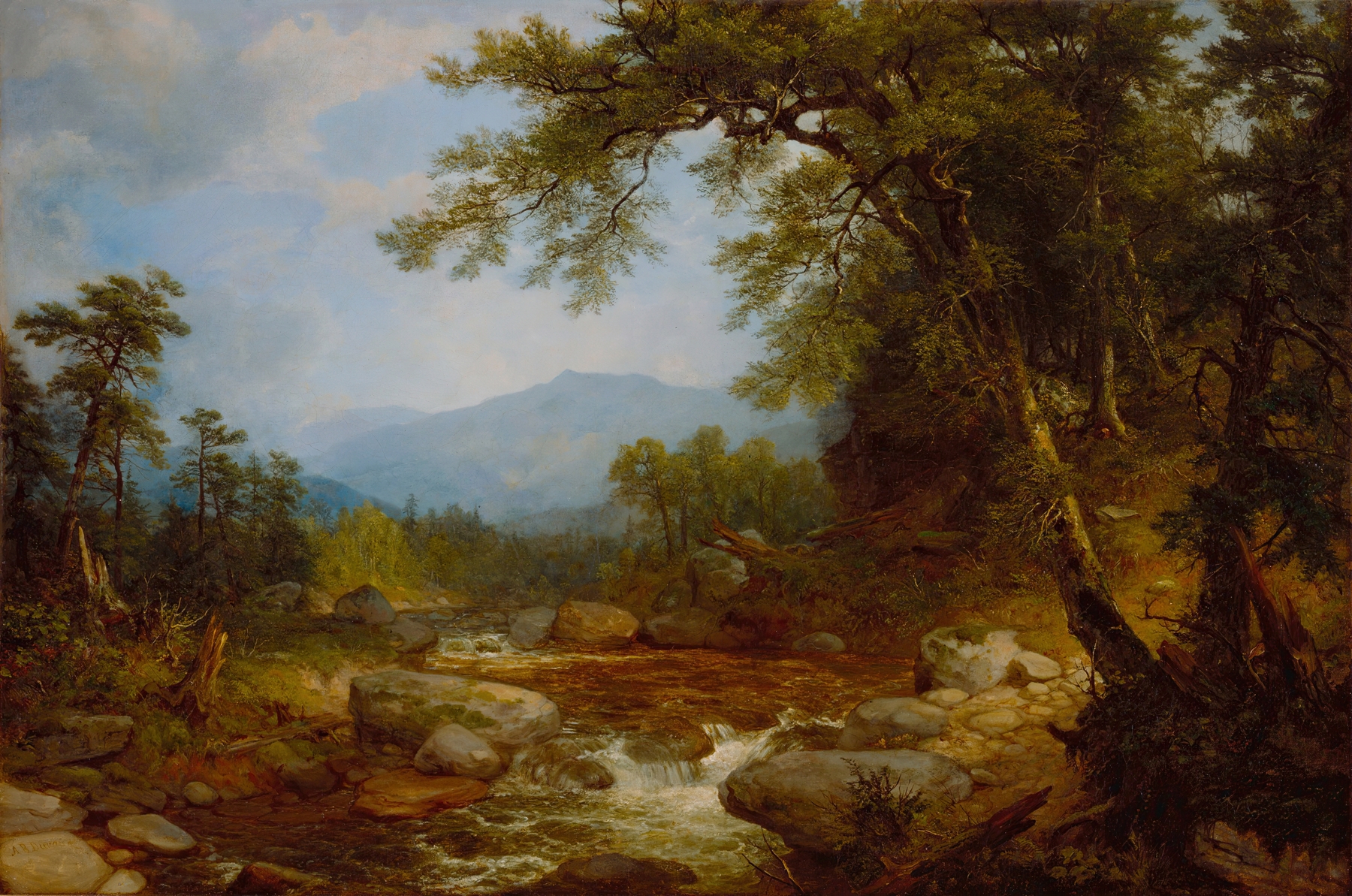
Did the painter know this moment would outlive them? In Monument Mountain, Berkshires, a world unfurls beneath the gaze of towering peaks, a timeless witness to the fleeting essence of life and madness. The sprawling landscape invites contemplation, yet it also evokes unease, hinting at the chaotic dance between nature’s beauty and humanity’s ephemeral existence. Focus your attention on the dramatic interplay of light and shadow across the rugged terrain. Look to the left at the intricate foliage, lush greens contrasting with the rocky outcrops.
Each brushstroke reveals Durand’s mastery of detail, where the dappled sunlight creates a shimmering effect and breathes life into the underbrush. The composition draws the eye upward, where the craggy cliffs reach toward the vast sky, suggesting both ambition and the weight of the unknown. Beneath the surface, this artwork pulsates with dualities: the serene beauty of nature versus the underlying chaos of human emotion. The mountain looms large, a symbol of solitude, perhaps reflecting the artist's own struggles with the madness of existence. Quietly, the landscape embraces the viewer, inviting them to confront their fears, while simultaneously offering solace in the permanence of the natural world.
It is a contemplation of the sublime, where tranquility and turmoil coexist in haunting harmony. Created in the early 1850s, during a period of burgeoning American Romanticism, Durand's Monument Mountain reflects a deepening appreciation for the American landscape. Residing in the Berkshires, he was influenced by the transcendentalists, who emphasized the connection between nature and the human spirit. This painting emerged amidst his pursuit of capturing the beauty and grandeur of the American wilderness, a testament to a changing world still grappling with its identity.