Mountainous Landscape at Tivoli — History & Analysis
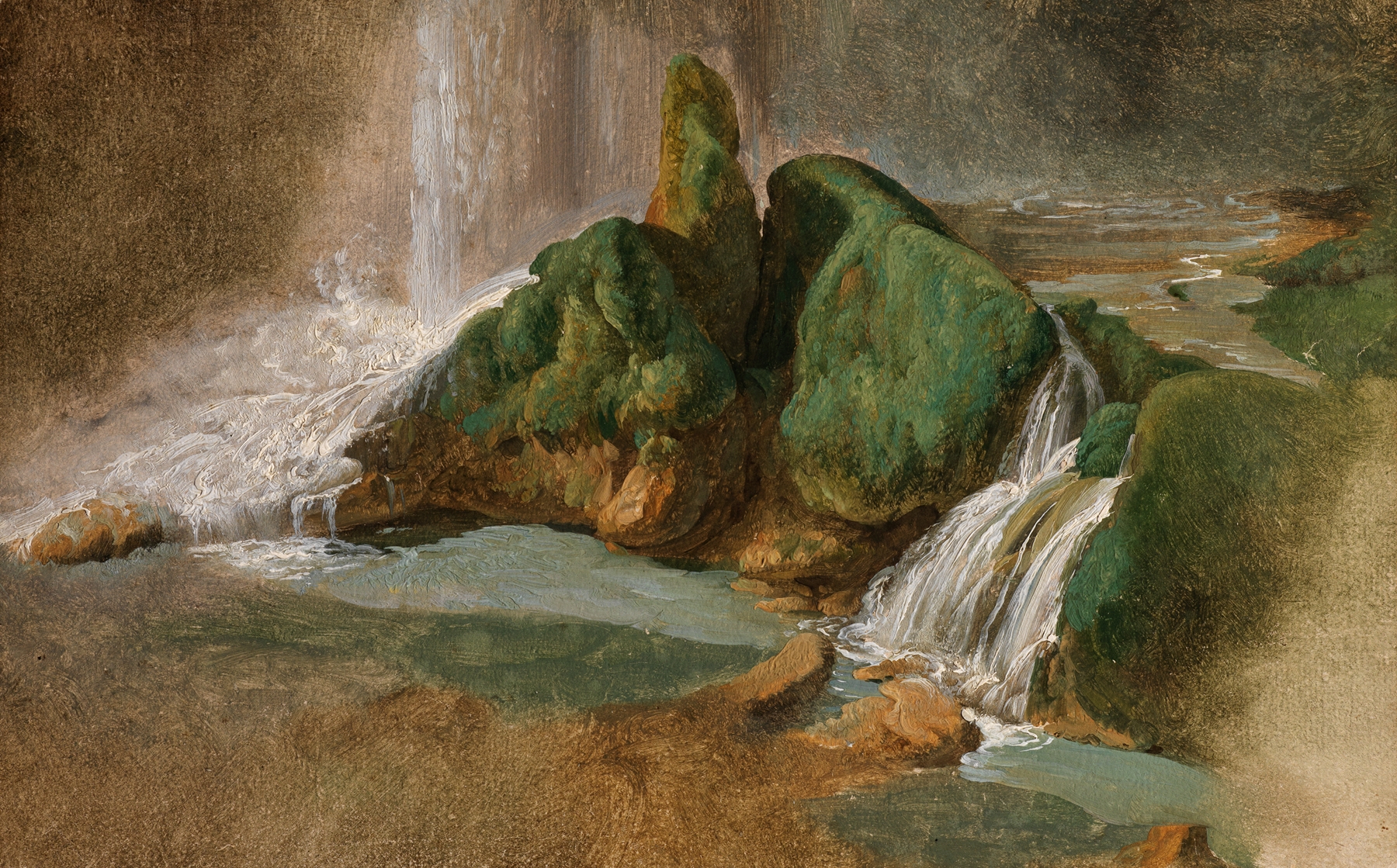
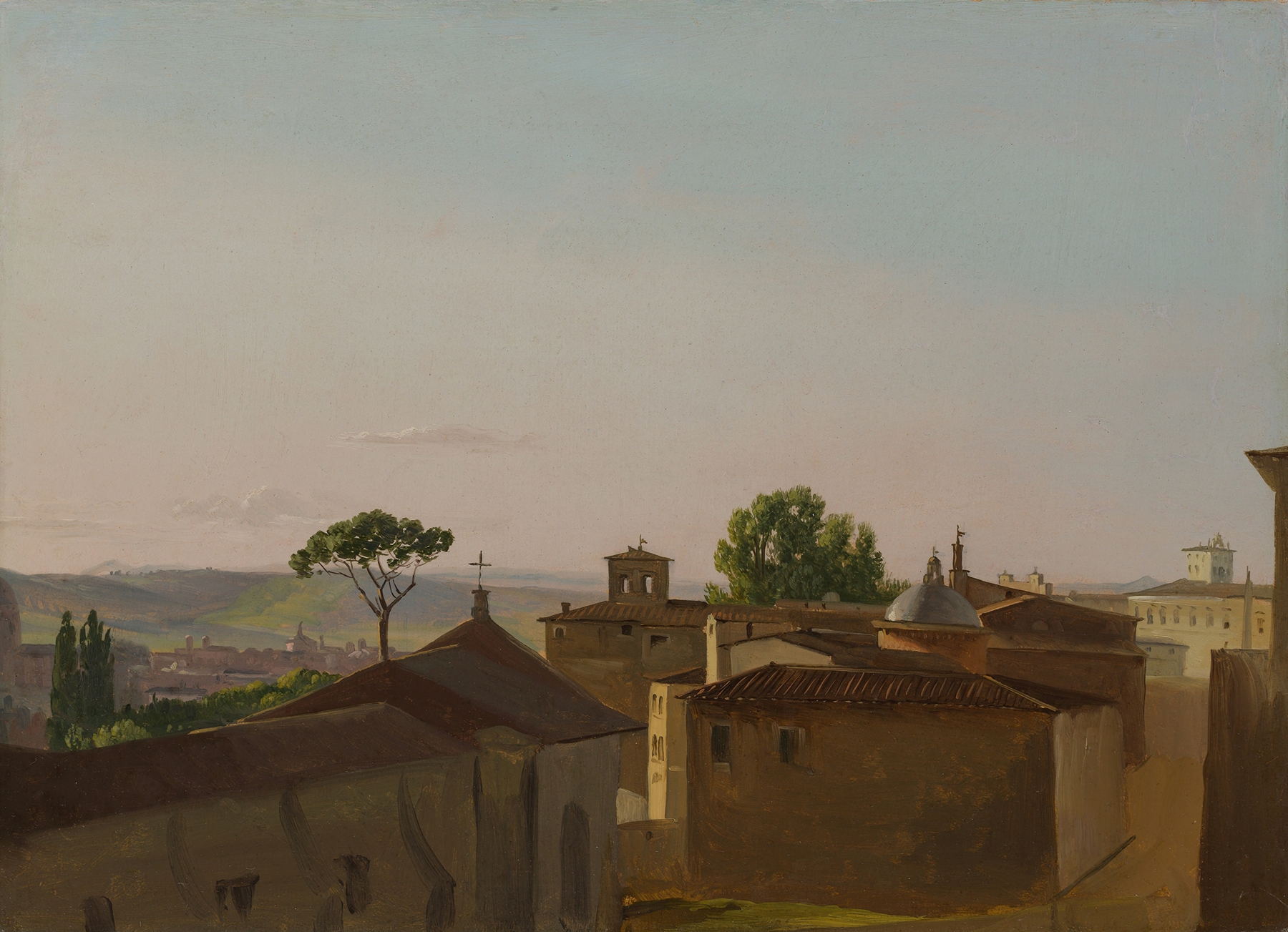
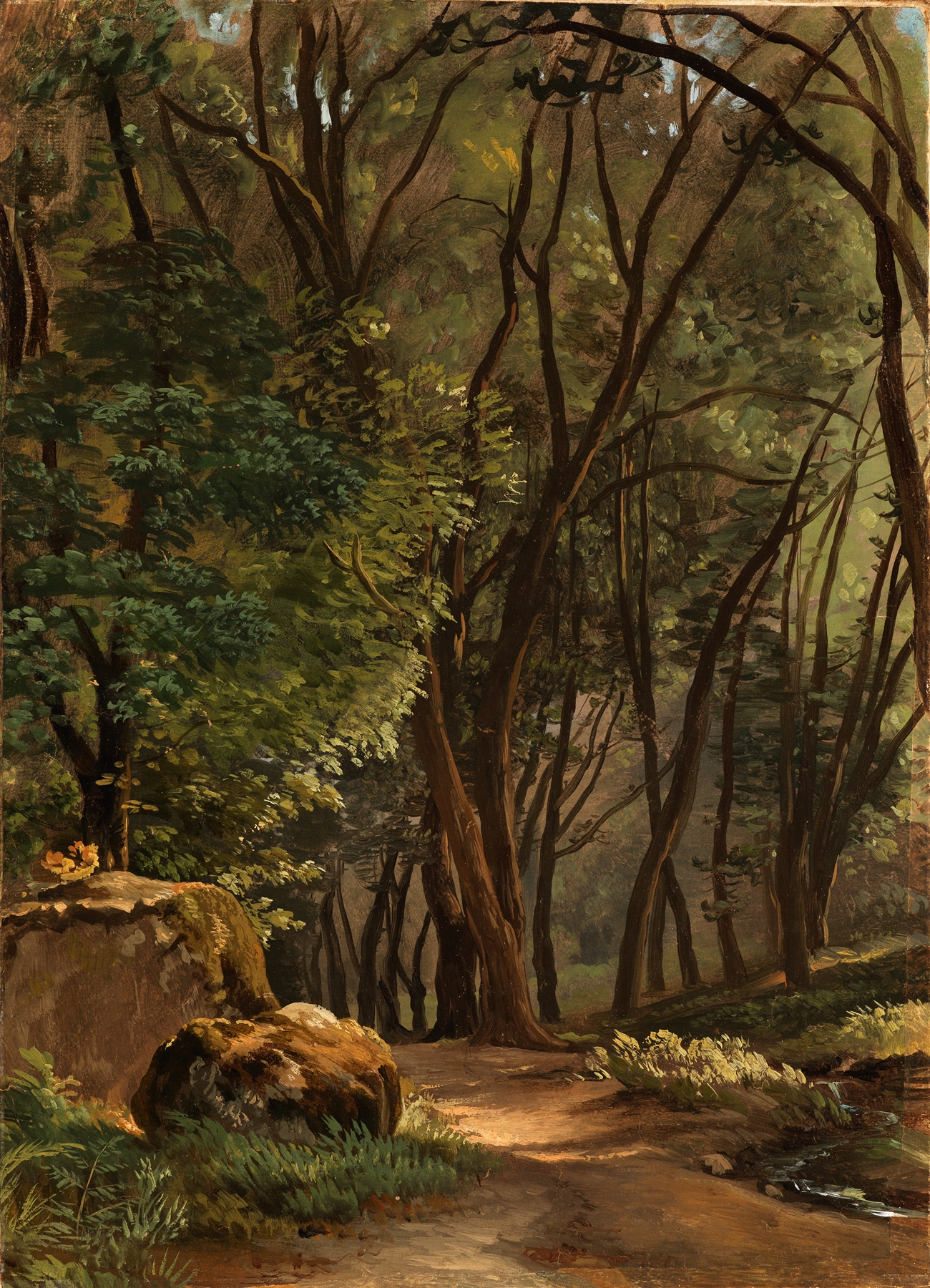
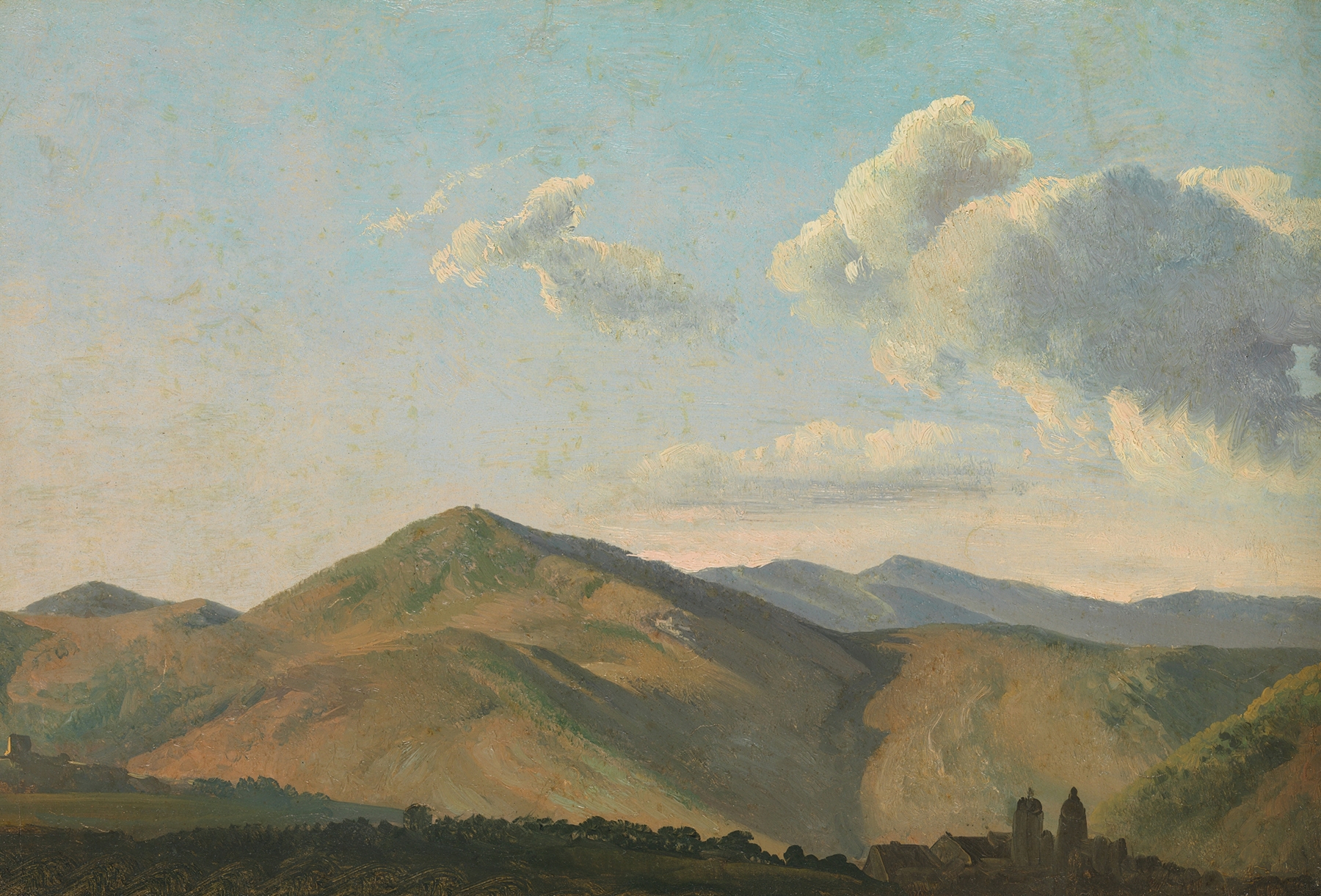
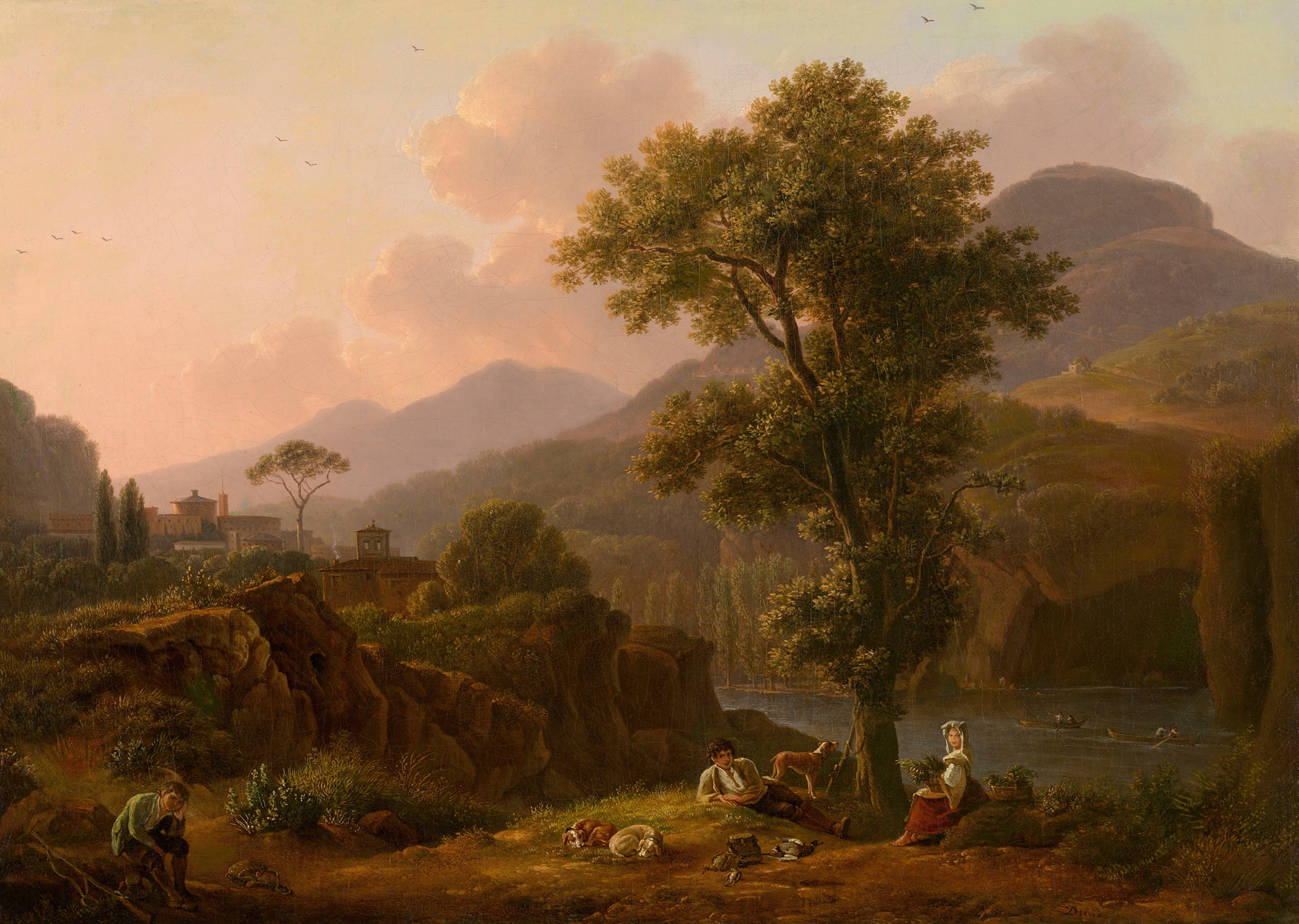
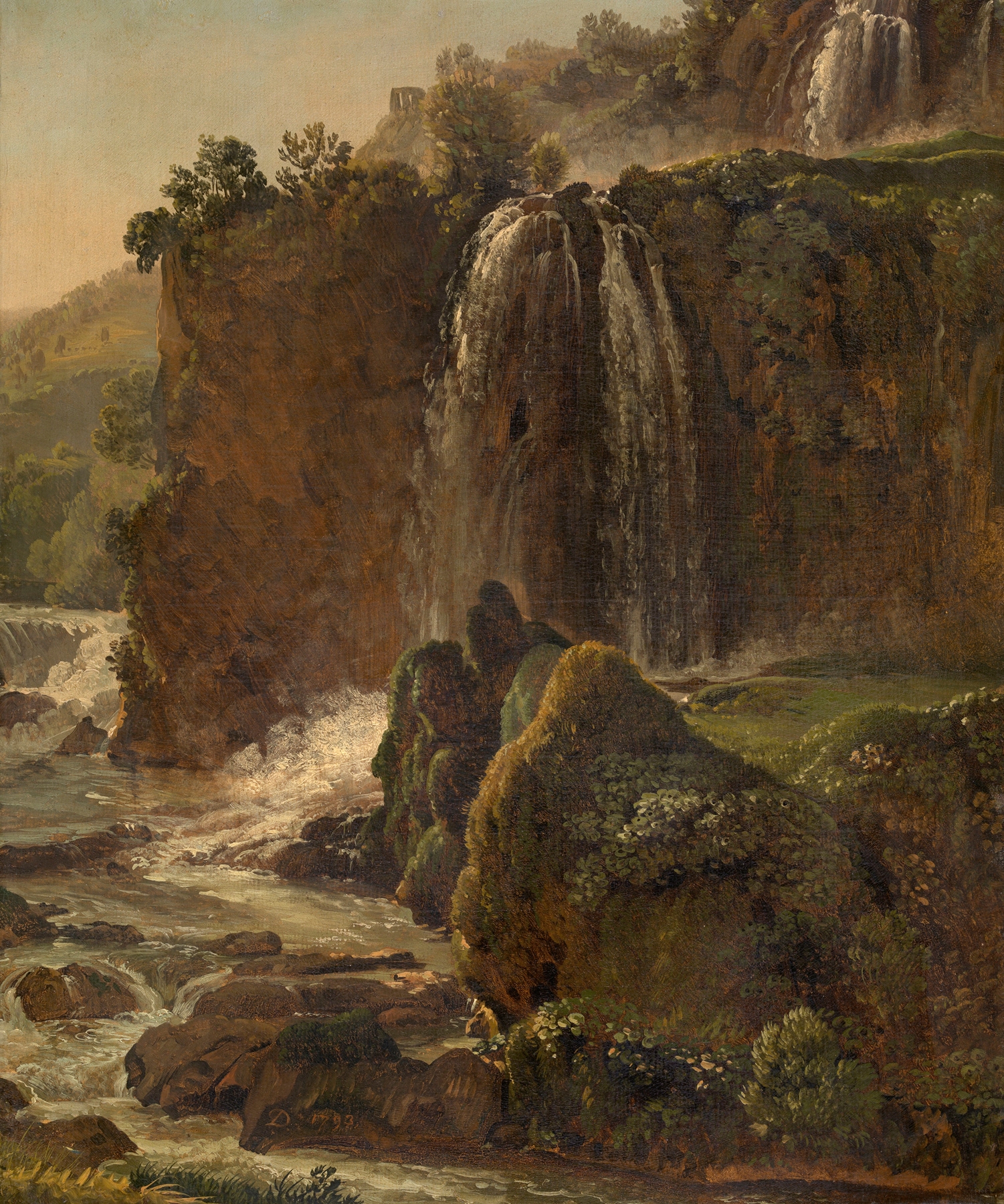
“Sometimes beauty is just pain, disguised in gold.” The passage of time weaves through nature, shaping landscapes into silent witnesses of our existence. In Simon Denis's Mountainous Landscape at Tivoli, the interplay between light and shadow captures the essence of this transformation—an eternal dance between tranquility and turmoil. Look to the horizon, where rolling hills cascade under a soft, golden light. The warm hues blend seamlessly with the cool greens and browns, guiding your gaze toward the distant waterfalls that tumble down the rugged cliffs.
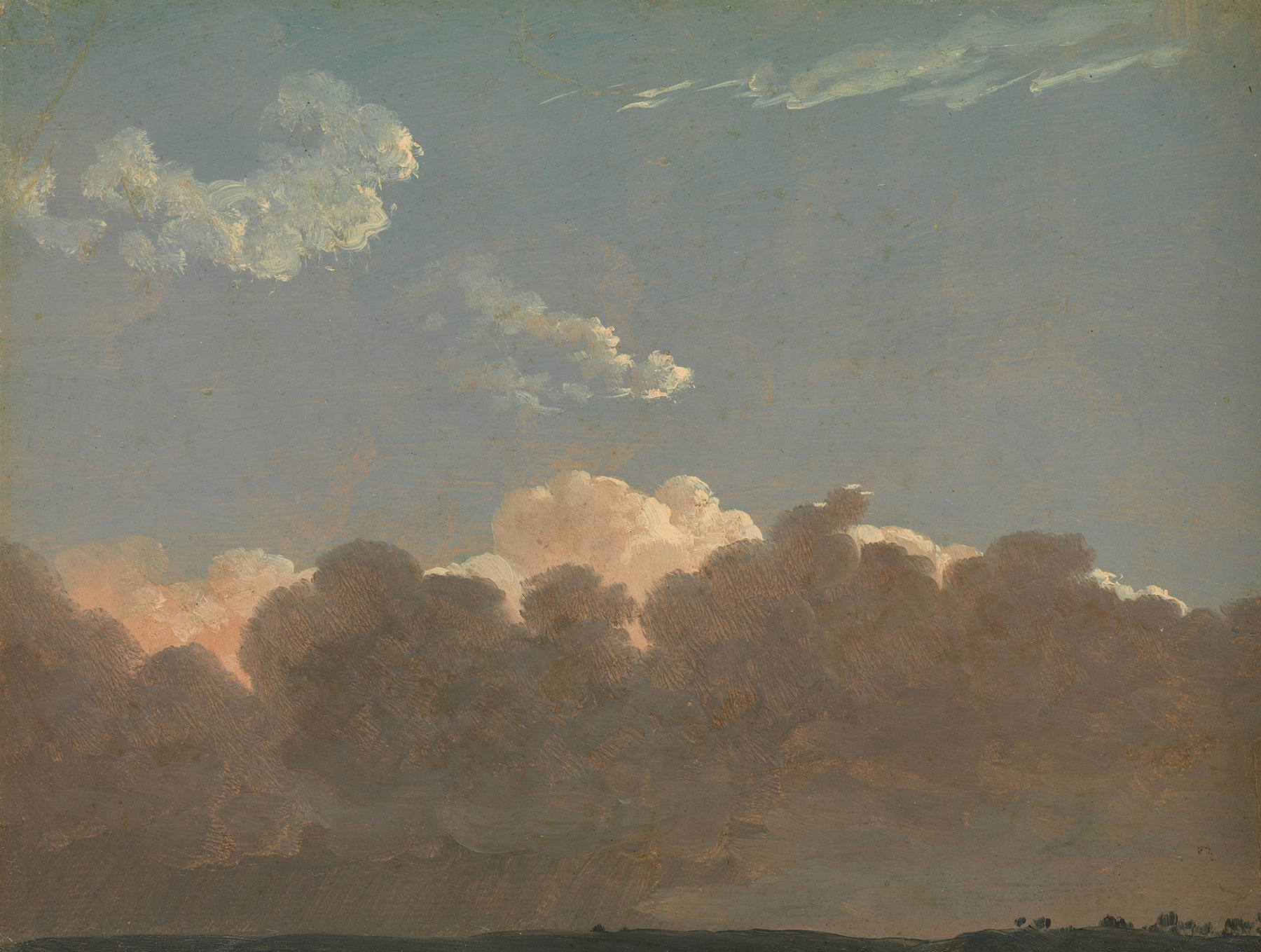
Notice how the detail in the foreground, with its rough-hewn rocks and fragile wildflowers, contrasts beautifully with the smoothness of the sky, reflecting a harmony that exists within the chaos of nature. Beyond the picturesque vistas lies a deeper narrative. The juxtaposition of the robust mountain range against the delicate flora speaks to the resilience of life amid adversity. Each brushstroke reveals not just the physical beauty of Tivoli but the emotional weight of experiencing time itself—fleeting yet eternal, serene yet filled with underlying tension.
The viewer is invited to meditate on their own place within this landscape, questioning what beauty might be hiding beneath the surface. During the years between 1786 and 1797, Simon Denis created this work while living in France, amidst a rich cultural tapestry that included the rise of Romanticism. His focus on nature aligns with the growing movement toward exploring emotional depth and individuality in art. This painting stands as a testament to the transformative power of the natural world, capturing the delicate balance between pain and beauty that defines our fleeting experiences.