In der Neptunsgrotte bei Tivoli — History & Analysis
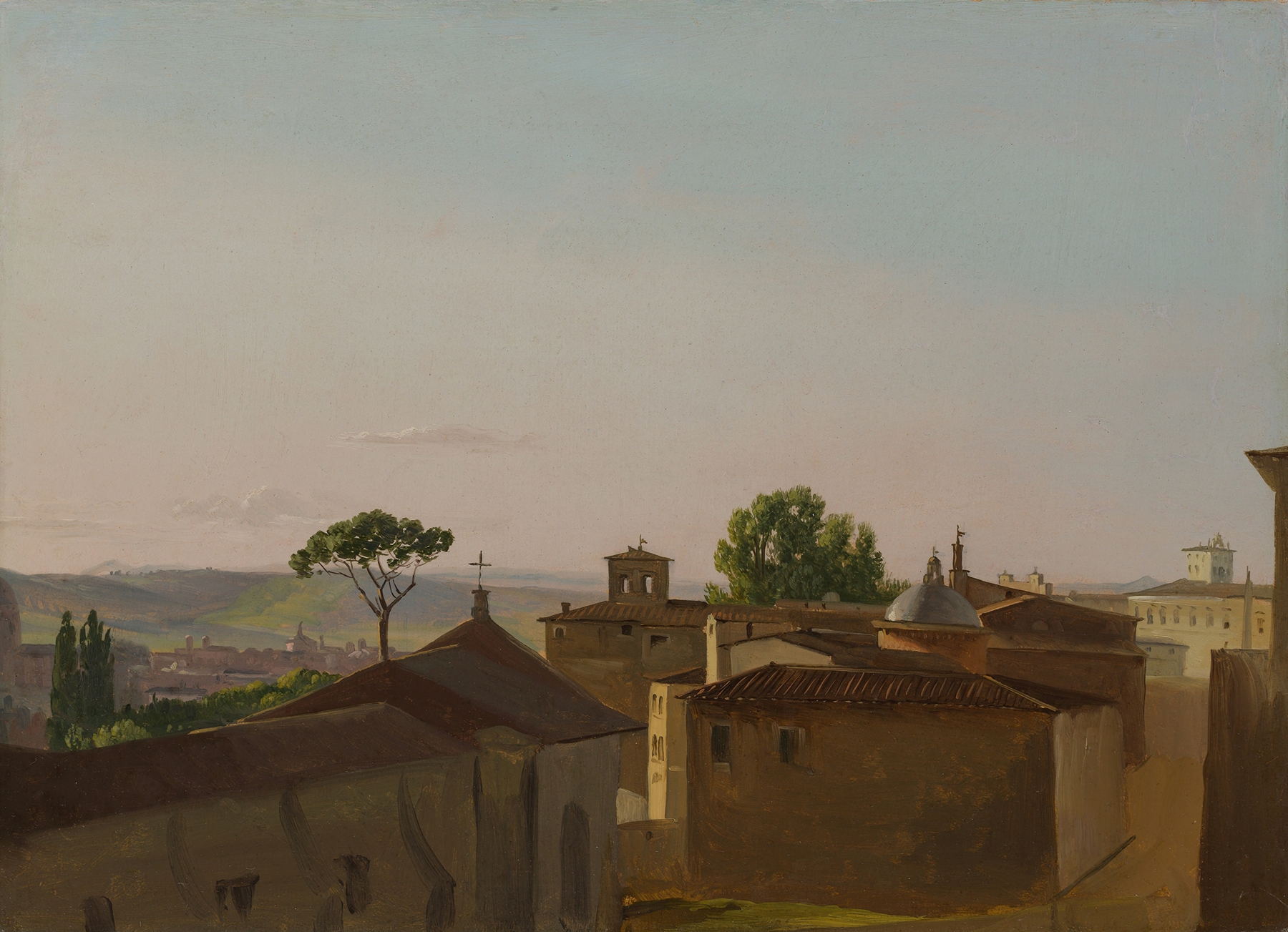
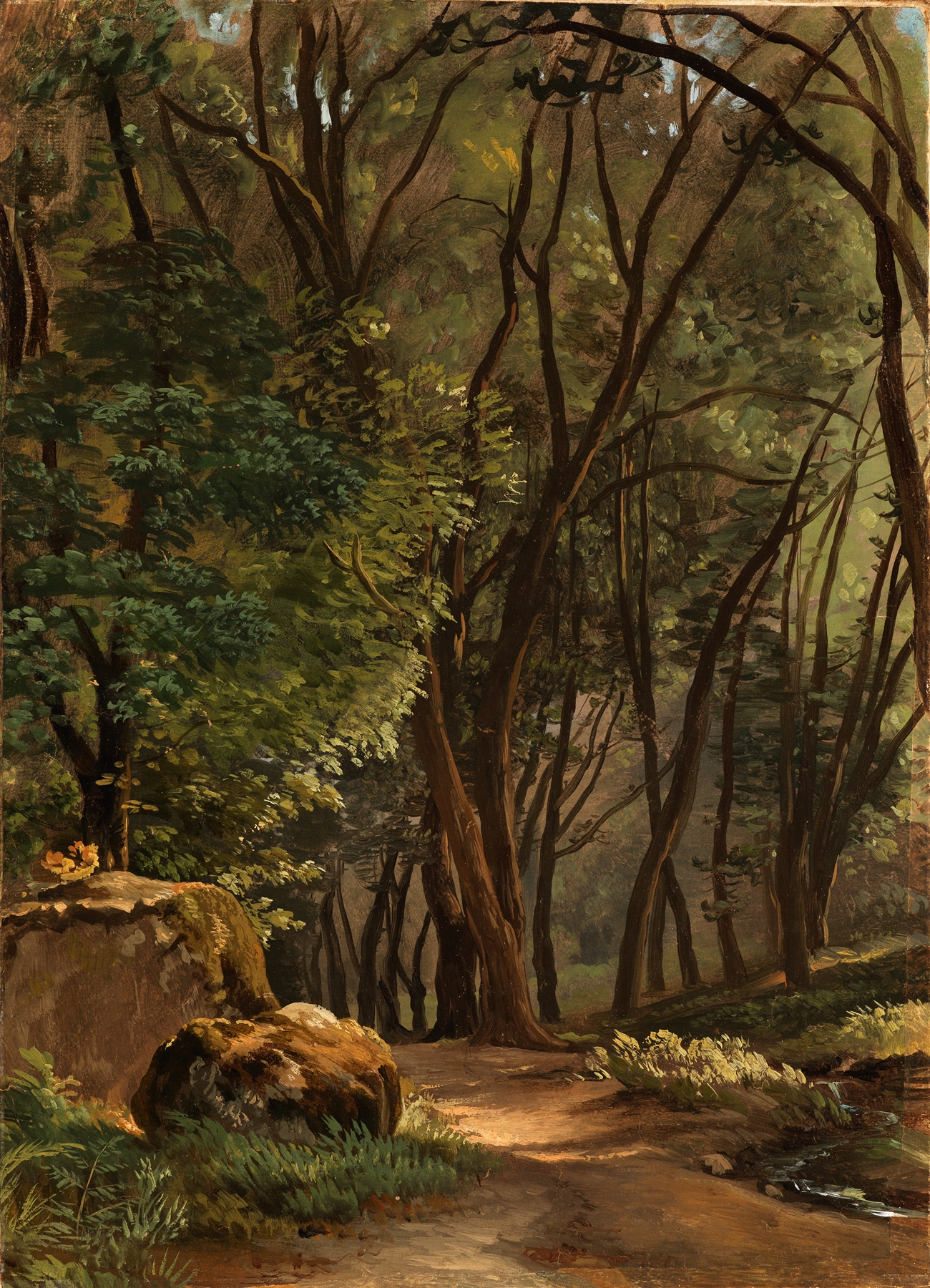
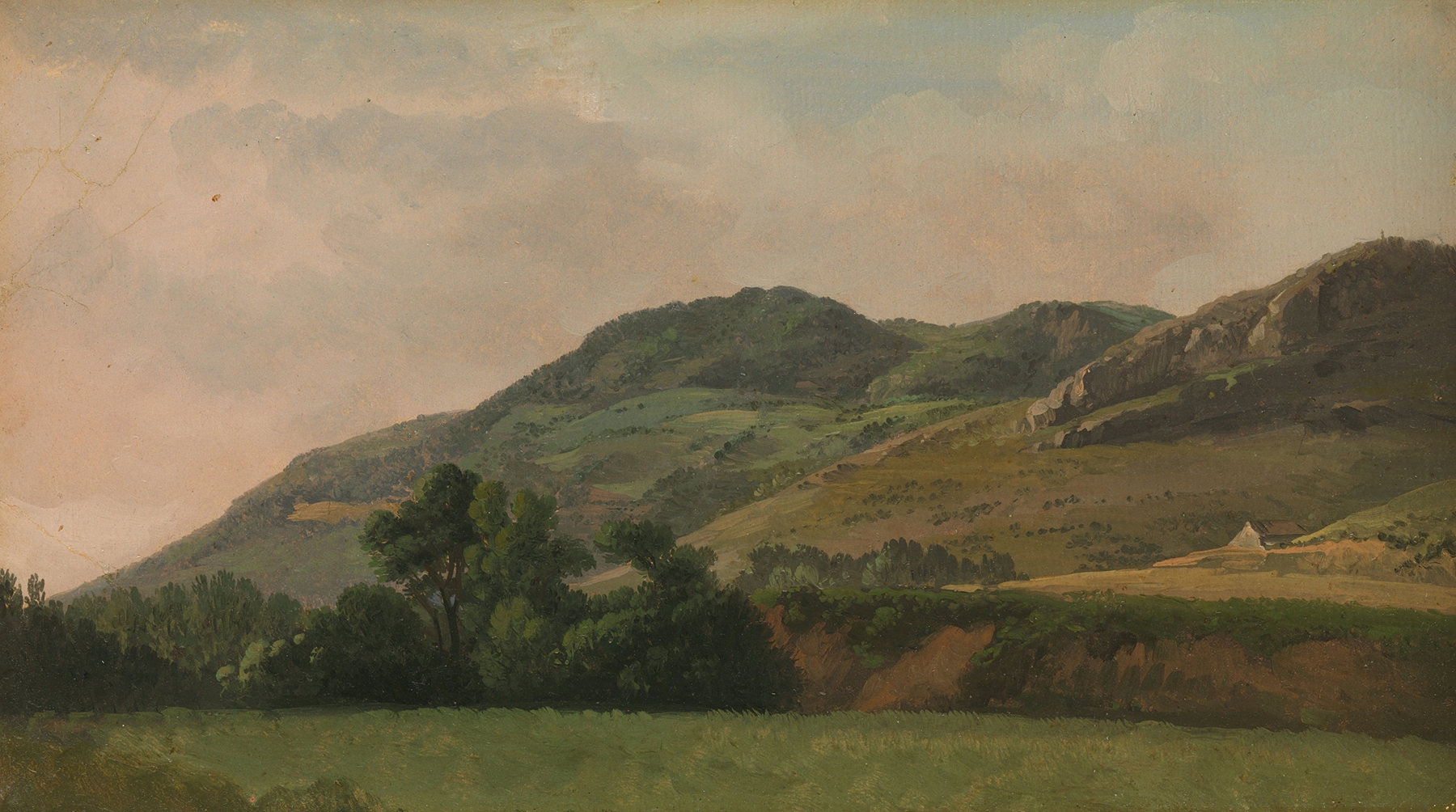
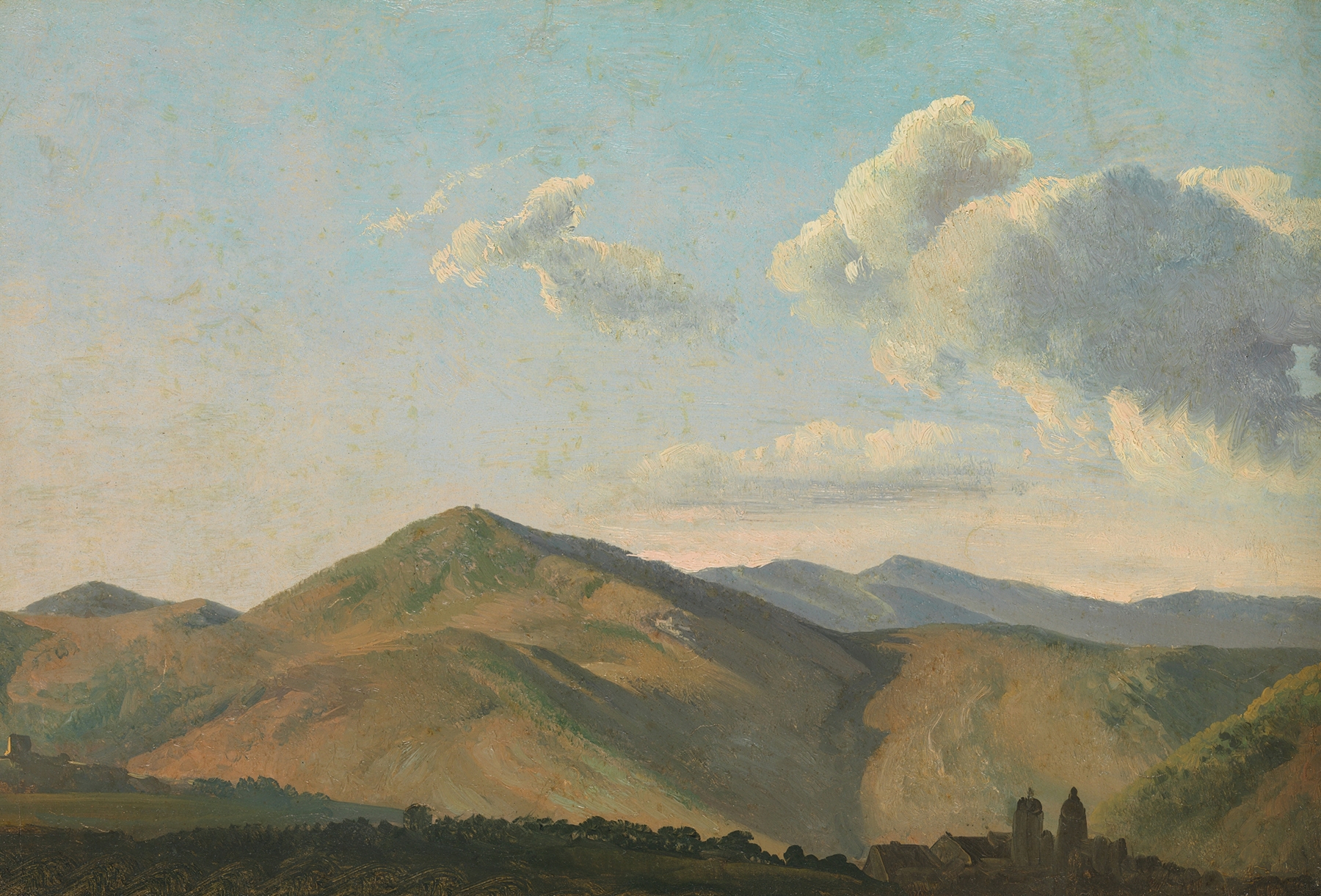
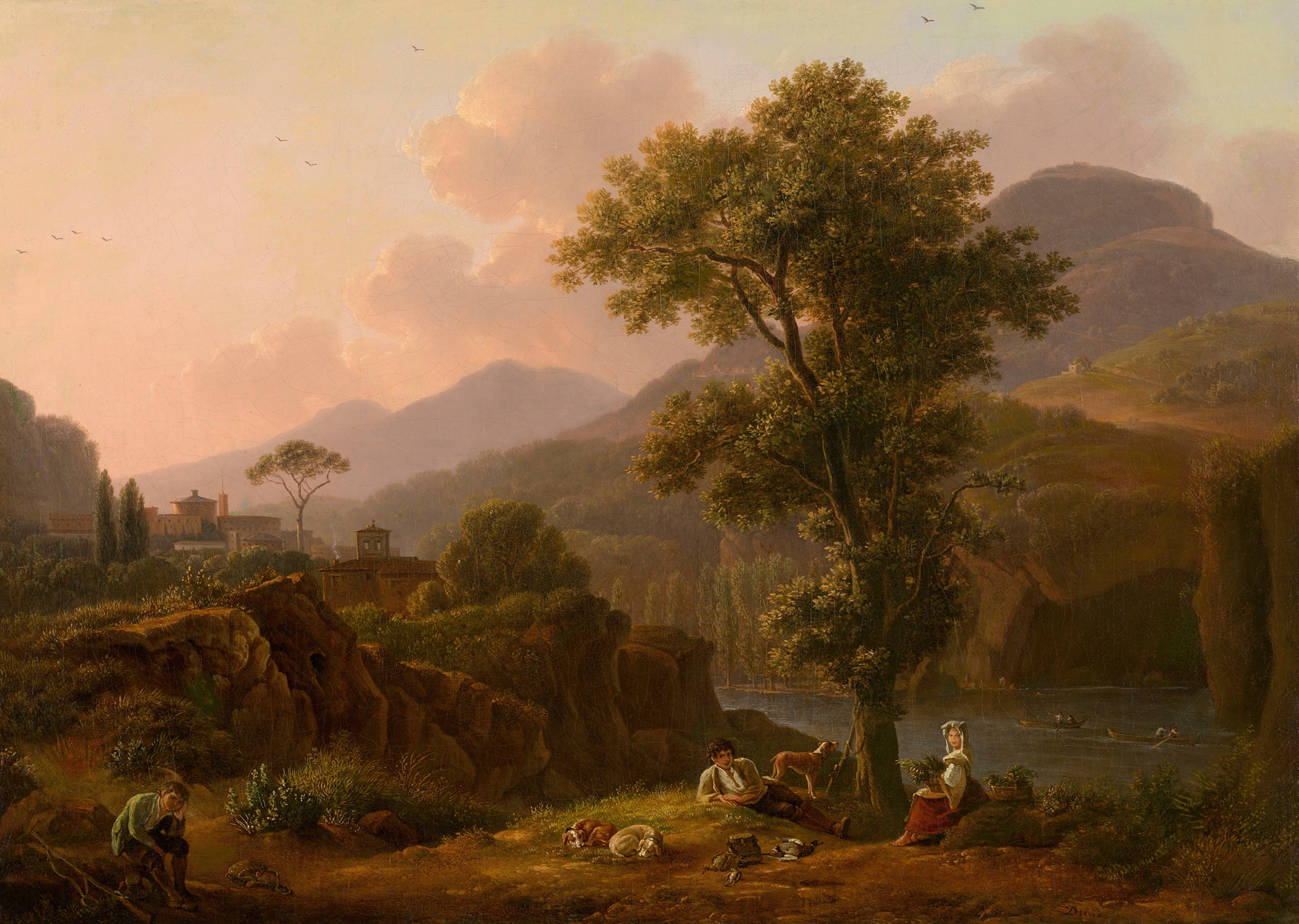
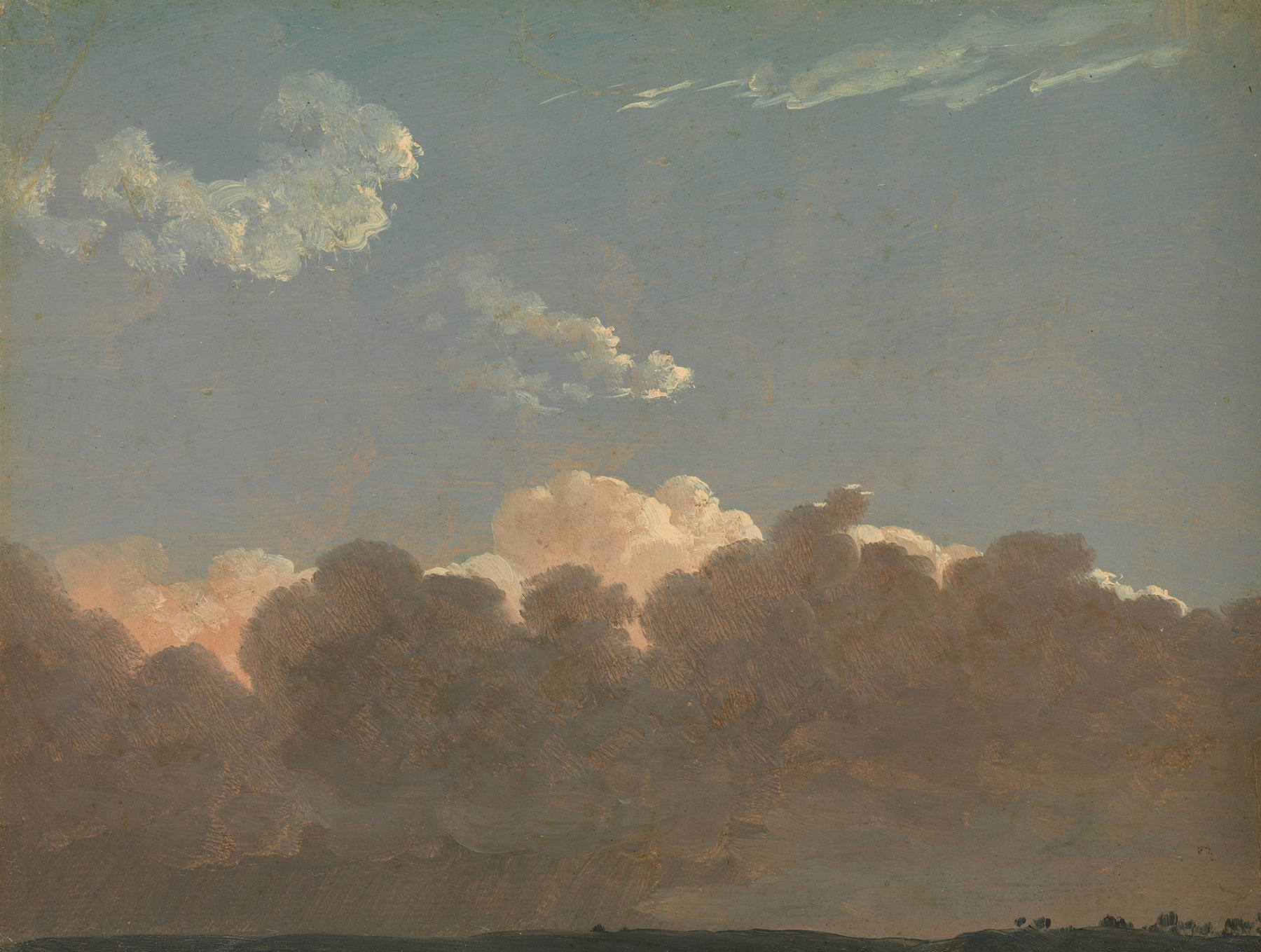
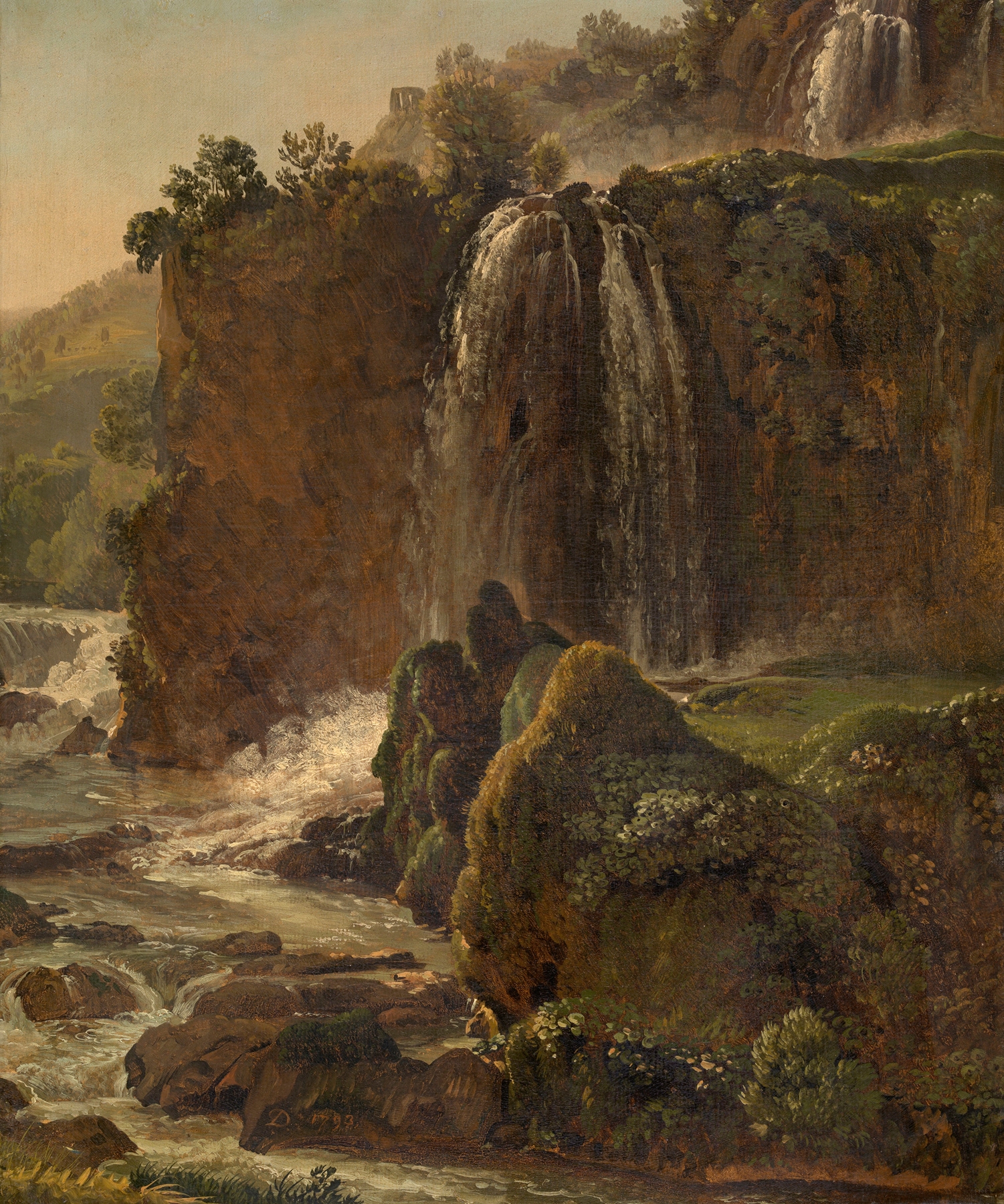
Where does light end, and longing begin? In the interplay of nature and artistry, the boundaries blur, revealing deeper truths. To appreciate In der Neptunsgrotte bei Tivoli, focus on the vibrant cascade of light filtering through the rocky crevices. The intricate play of shadows and highlights draws your gaze toward the majestic group of figures nestled beneath the ethereal glow. Notice how the artist employs a palette rich in greens and blues, evoking the lushness of the grotto and the tranquility of water.
The fine detail in the texture of the rocks and flowing water invites you into this serene realm, where nature and humanity intertwine seamlessly. As you delve deeper, consider the emotional resonance of solitude amidst the gathering. The figures, seemingly lost in contemplation, express a profound sense of longing. Their poses and gestures convey a yearning for connection with the divine, as the natural light dances upon their forms, signifying hope and revelation.
The contrast between the coolness of the grotto's shadowy depths and the warm embrace of sunlight evokes the eternal tension between despair and aspiration, subtly guiding the viewer towards introspection. Simon Denis created this piece in 1790 while living in France, amidst the turbulence of the Revolution. Known for his romantic landscapes, he became a prominent figure in the artistic exploration of nature's beauty during a time when art sought to reflect emotional depth and the sublime. This work, rooted in the tradition of the Grand Tour, captures the enchanting allure of Italian scenery, inviting viewers to reflect on their own journey through life and art.