View on the Quirinal Hill, Rome — History & Analysis
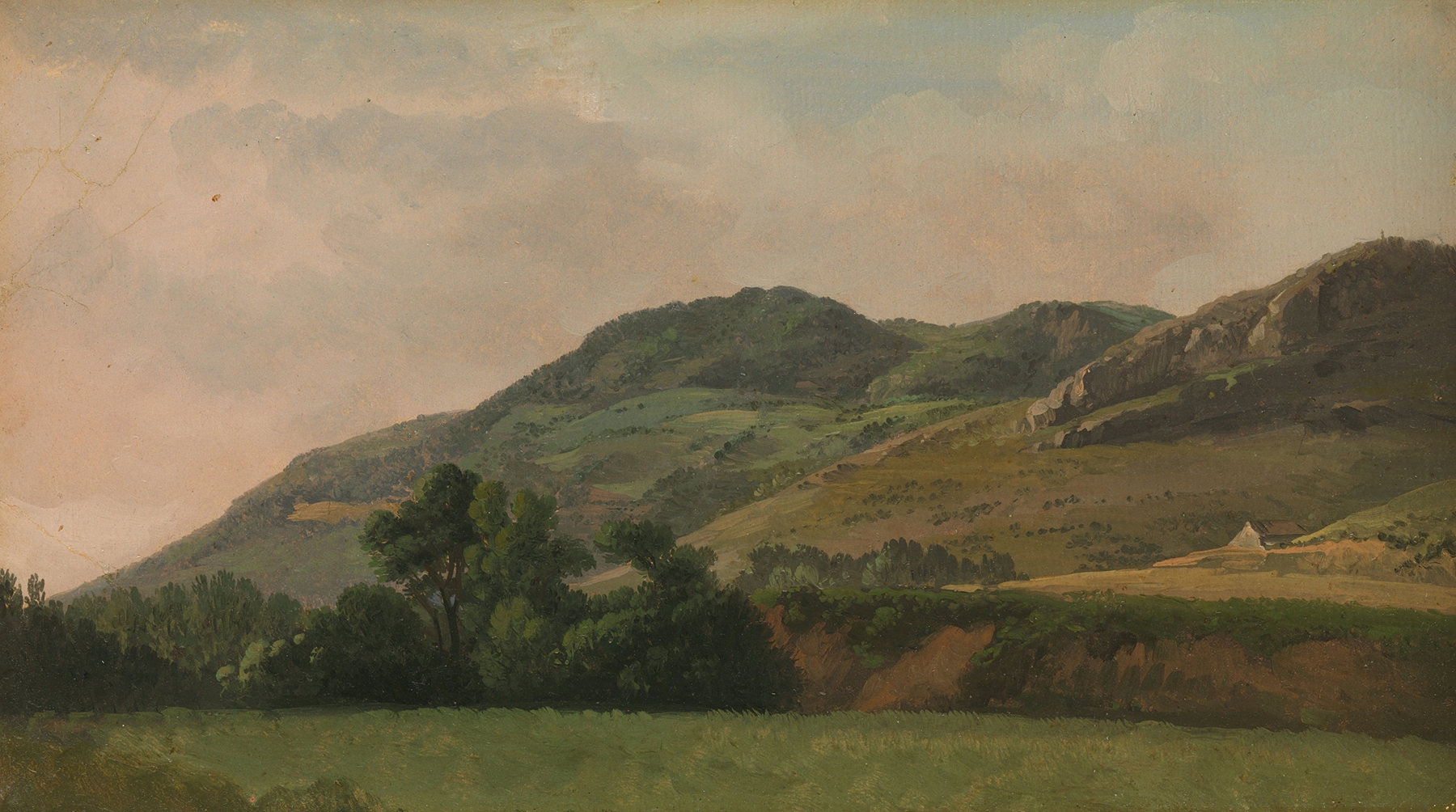
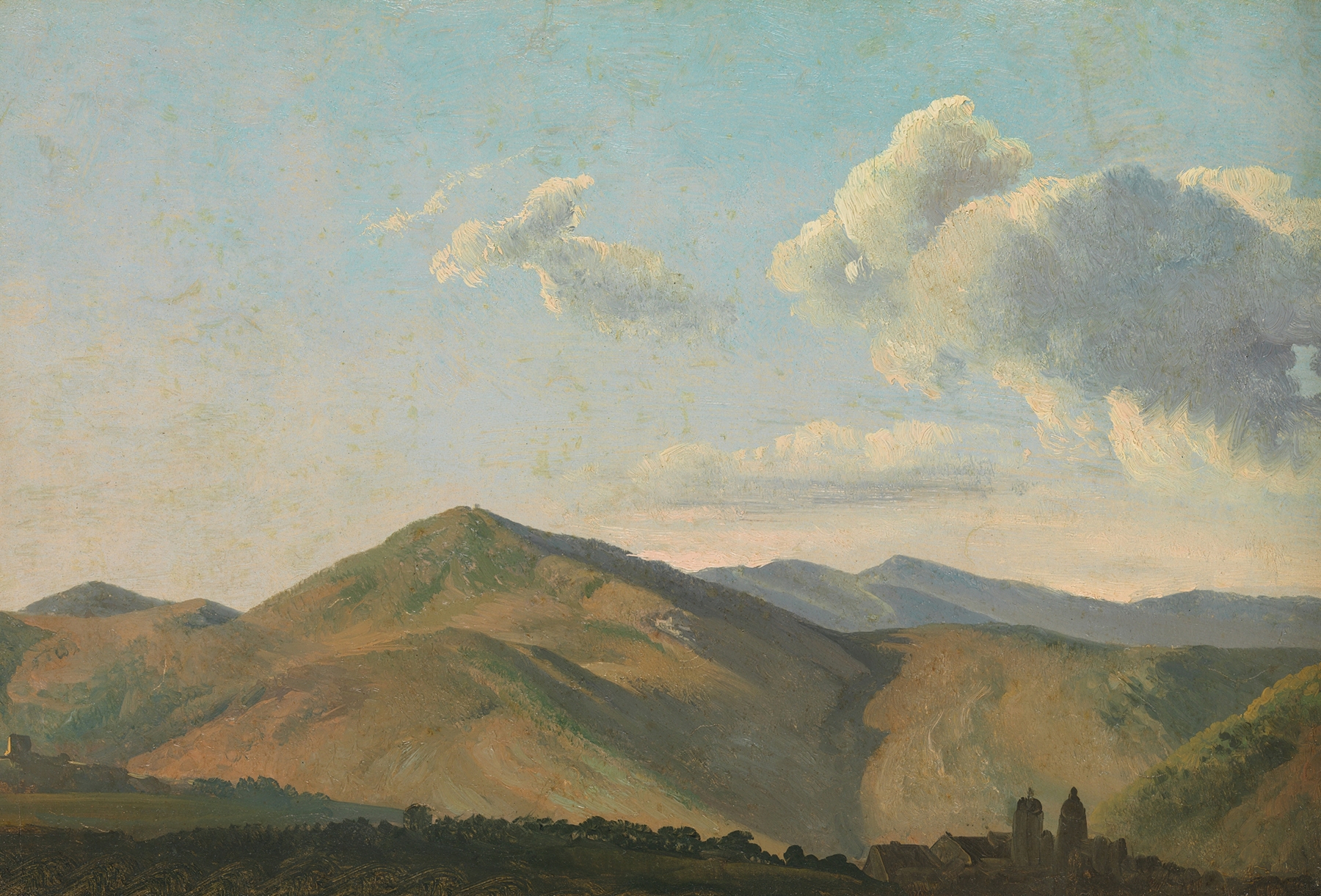
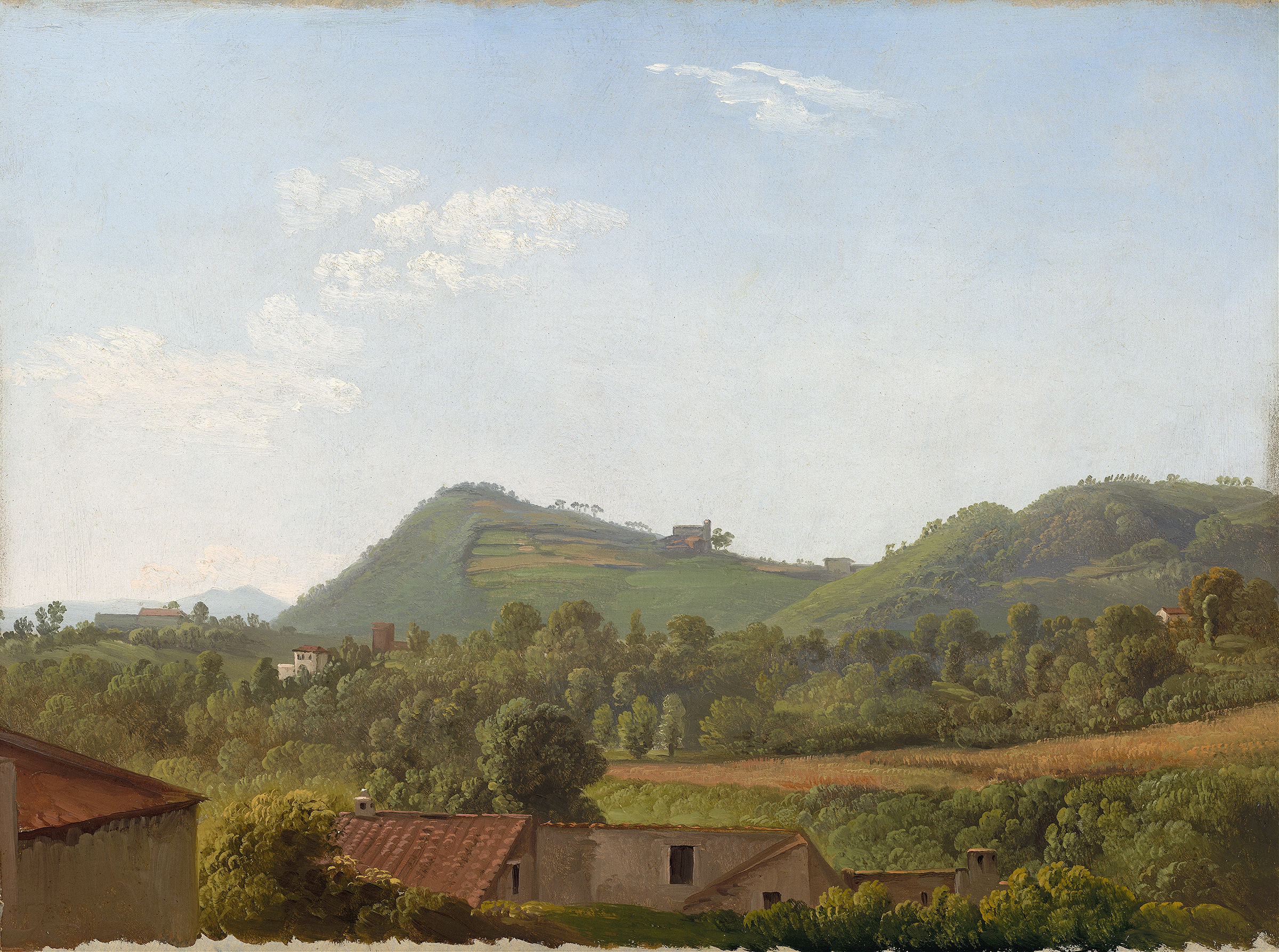
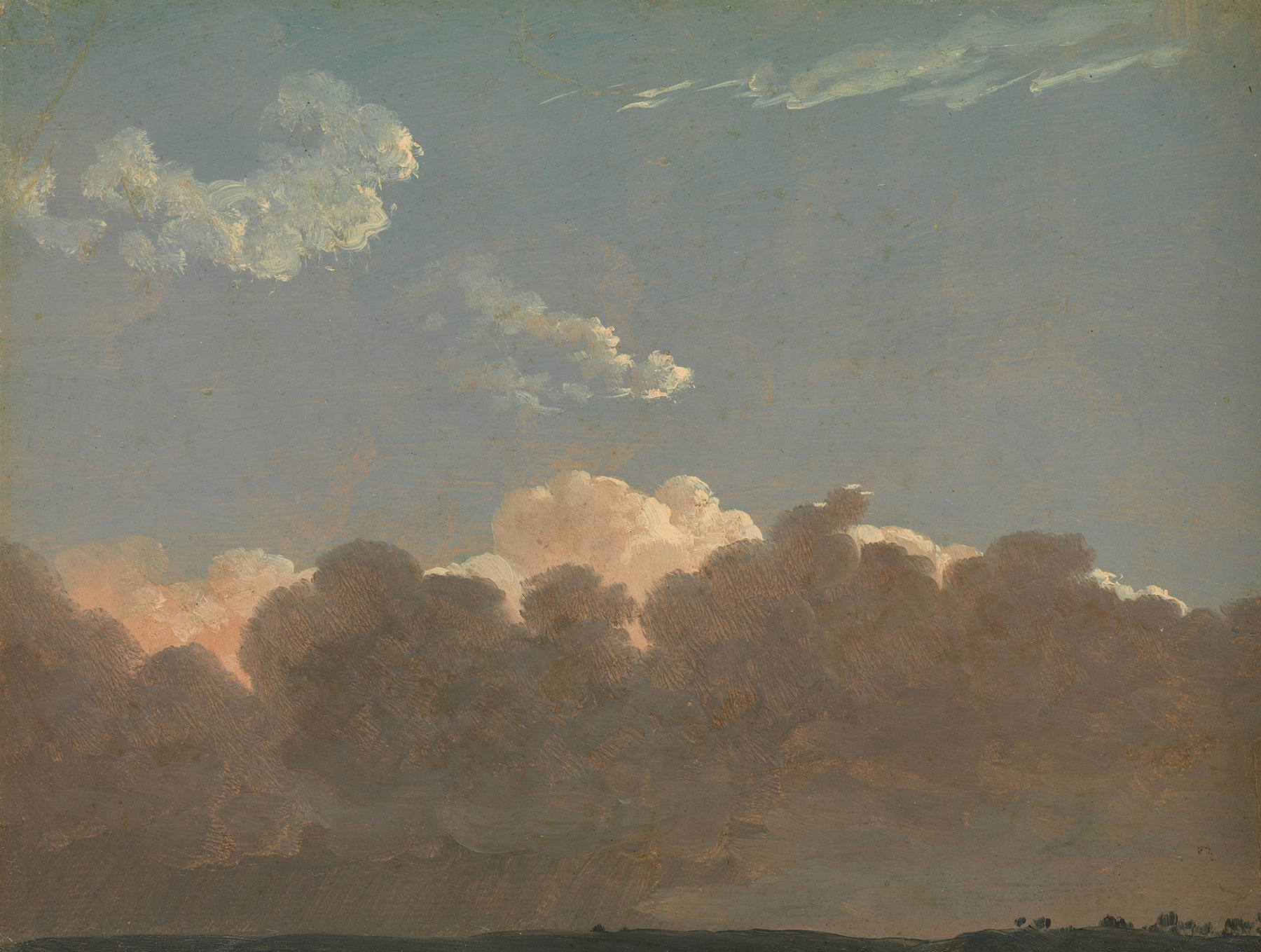
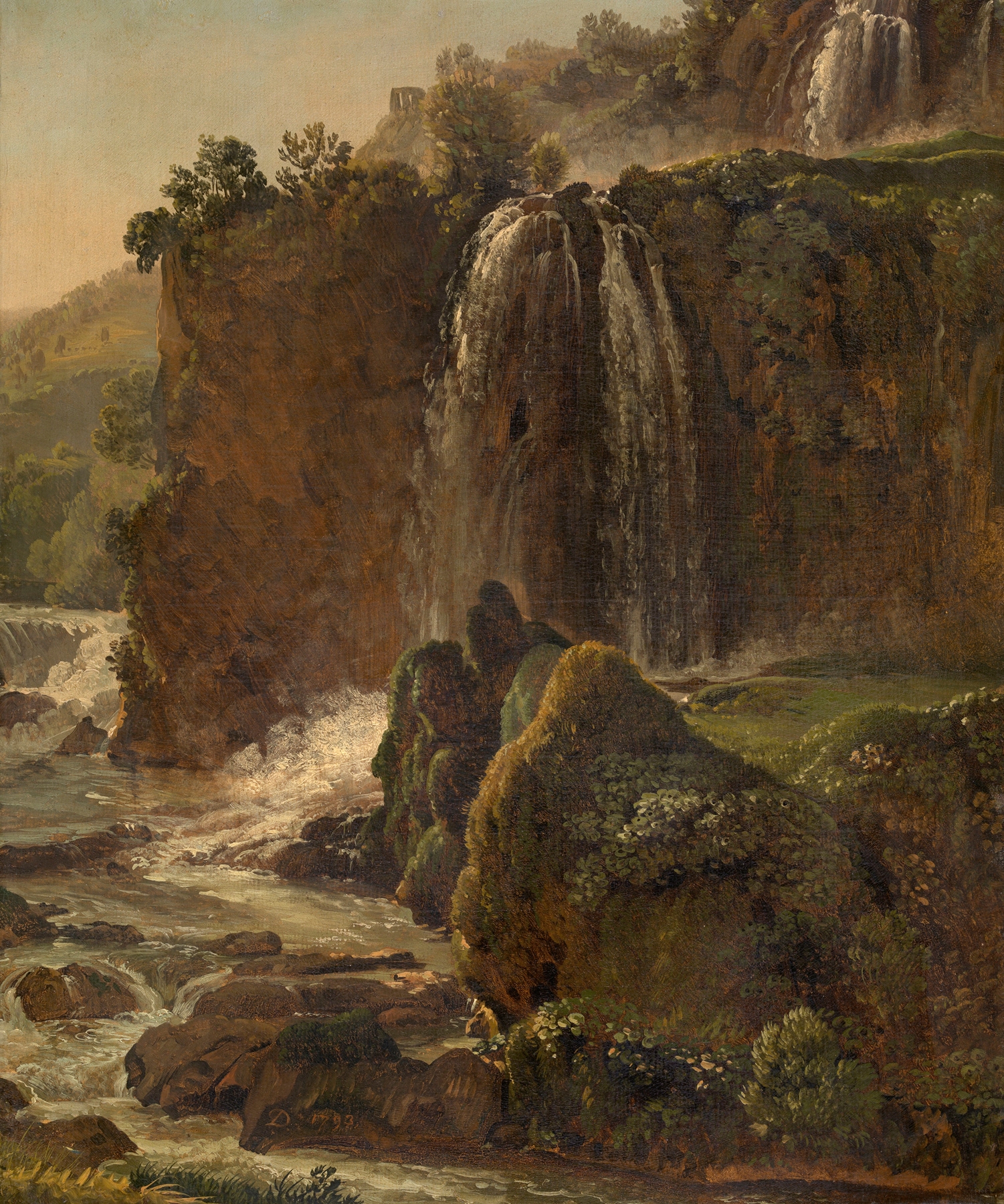
Did the painter know this moment would outlive them? The sublime beauty of the Quirinal Hill, captured with a reverence that transforms mere observation into a celebration. In this work, awe resonates through the gentle folds of the landscape and the whispers of history embedded in its every brushstroke. Look to the left where the sun casts a golden hue over the ancient architecture, illuminating the delicate features of the buildings nestled against the hill. Your gaze then drifts across the lush greenery, a vibrant contrast to the serene blue sky.
Notice how the artist employs soft pastels, blending expertly to evoke a dreamlike quality, while the carefully chosen vantage point invites viewers to immerse themselves in the tranquil scene. Delve deeper into the painting's essence, and you’ll uncover its emotional layers. The juxtaposition of the tranquil hill against the distant, bustling city evokes a sense of peace amidst the chaos of urban life. The light filtering through the trees speaks of fleeting moments, suggesting that nature is eternal while human endeavors are ephemeral.
Each element, from the shadows to the sunlight, reflects a quiet harmony that invites reflection on the passage of time. Simon Denis painted this work in 1800 during his time in Rome, a city pulsing with artistic energy and cultural revival. At this juncture, Europe was undergoing profound changes, both politically and artistically, moving towards Romanticism. Denis, deeply inspired by his surroundings, sought to capture both the beauty and the transient nature of life, positioning himself within a larger movement that celebrated the sublime in everyday scenes.