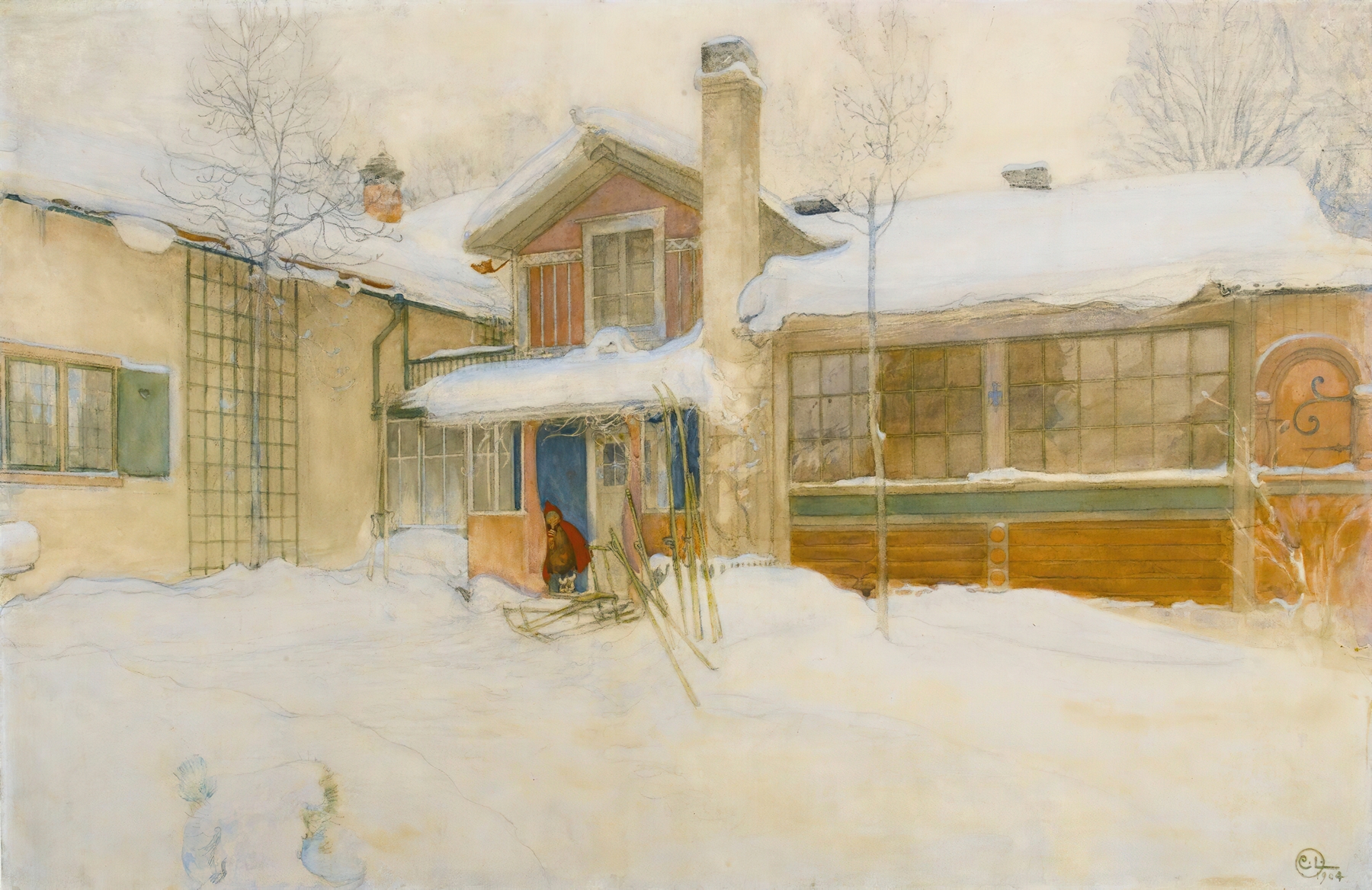
My Country Cottage In Winter, Sundborn — History & Analysis
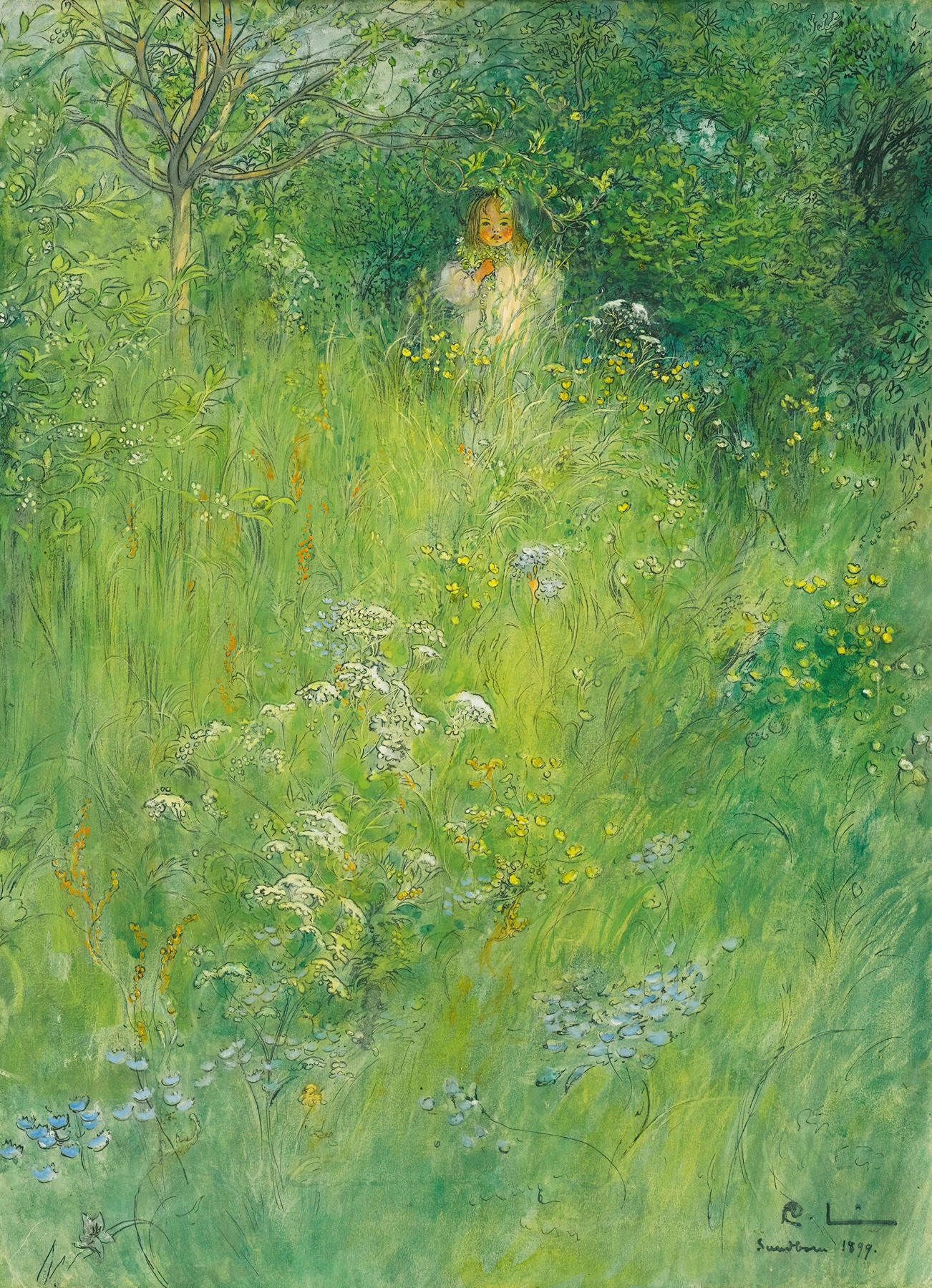
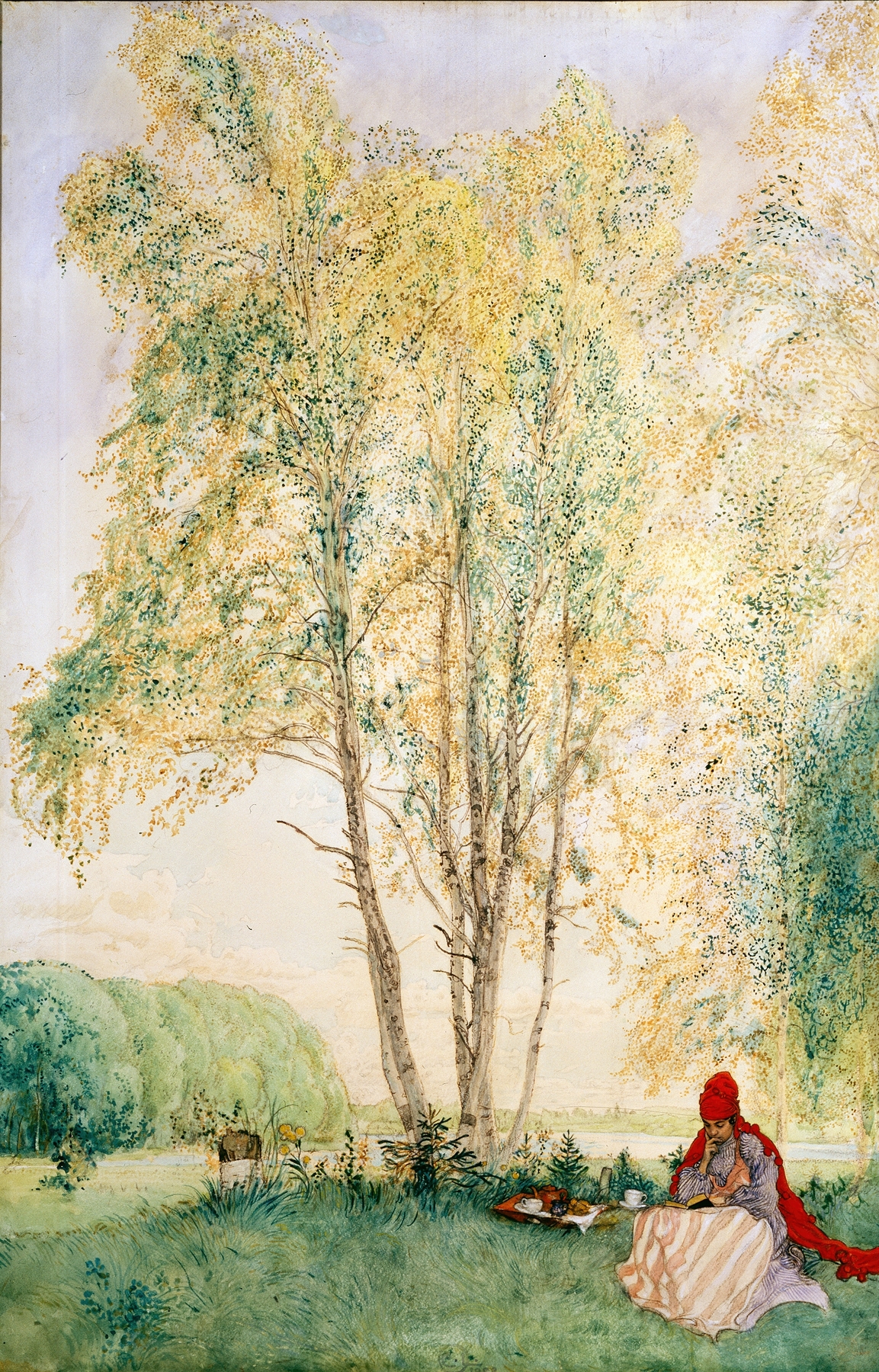
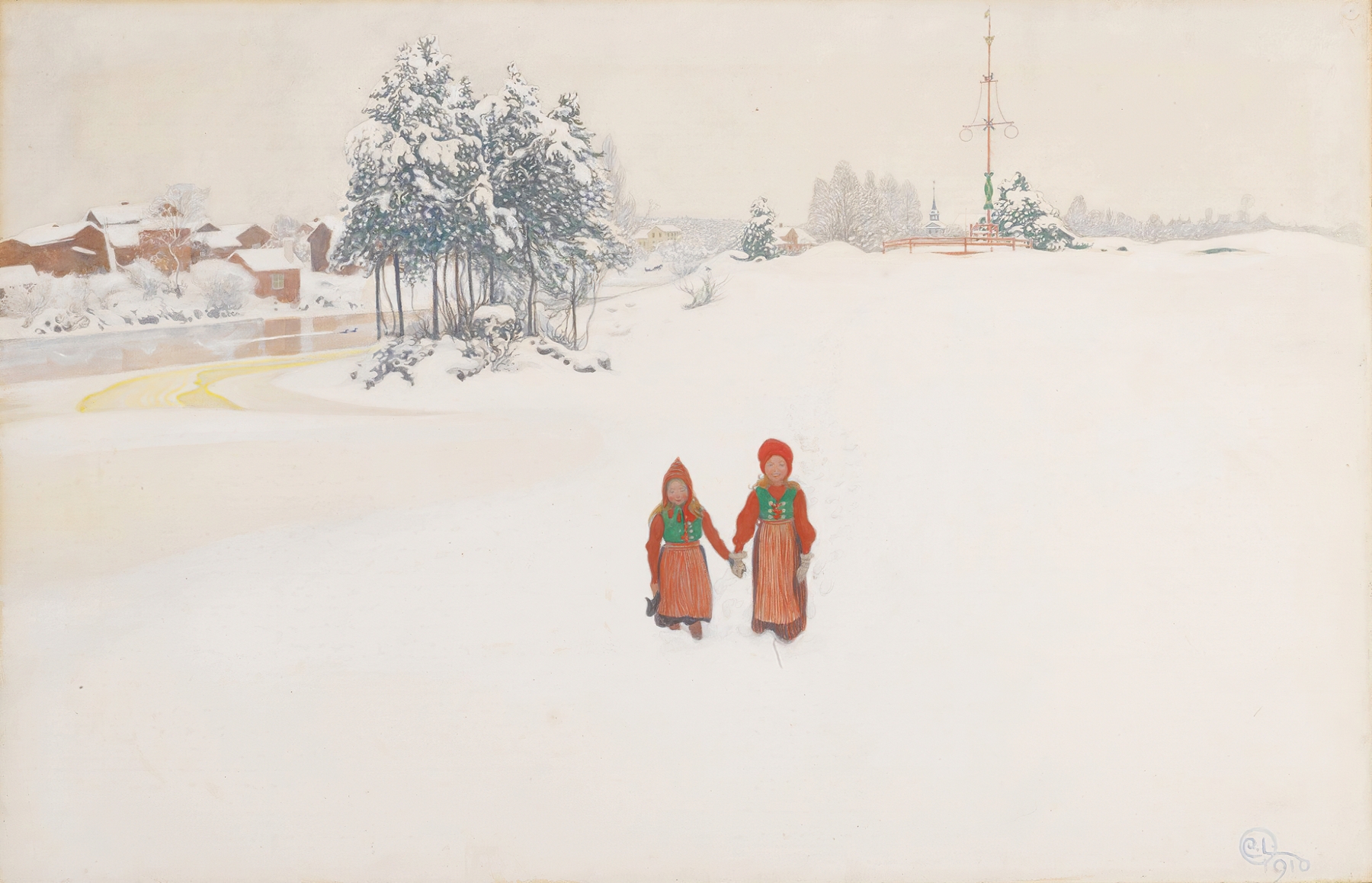
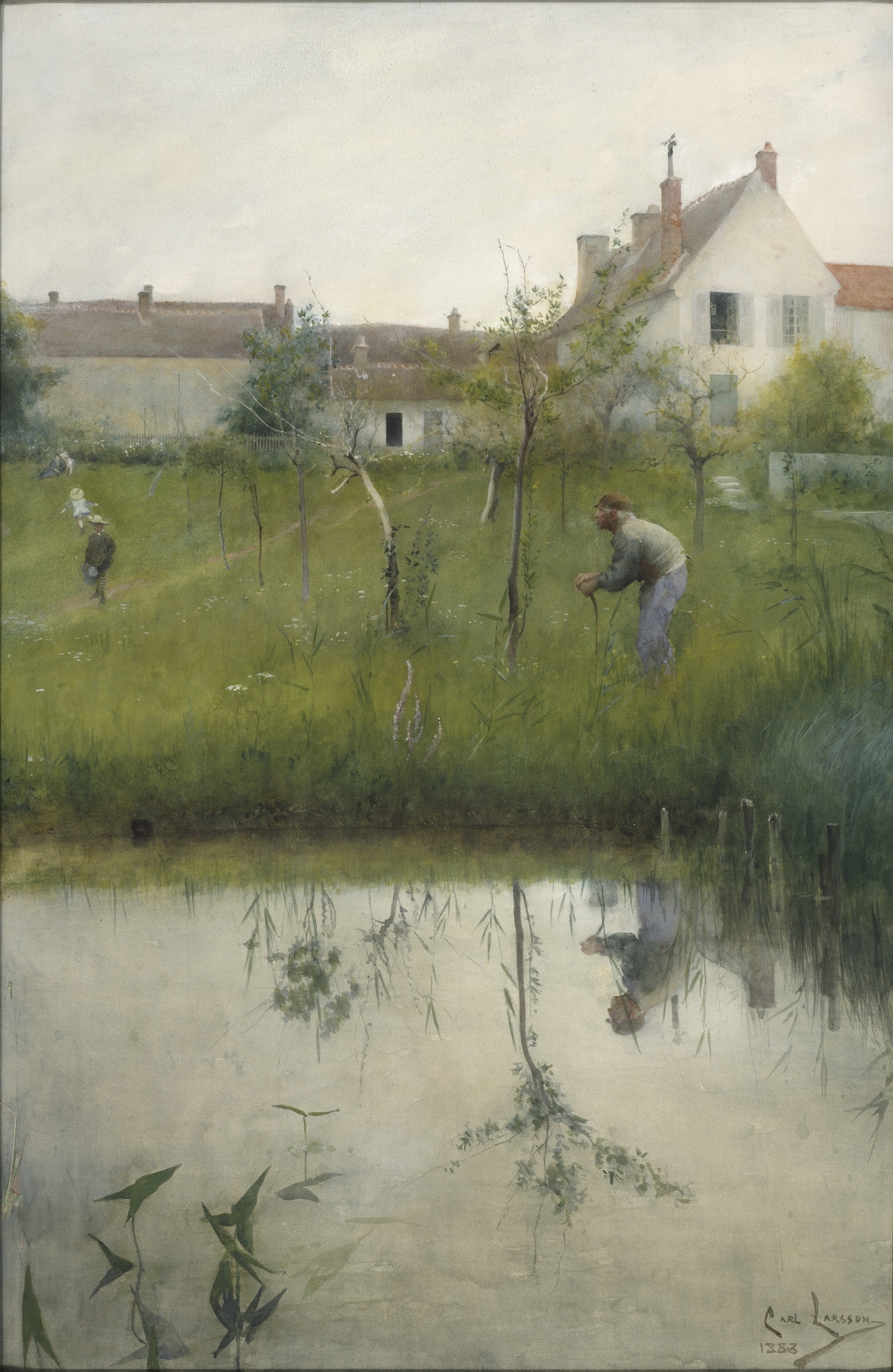
“Art reveals the soul when the world turns away.” In the stillness of a wintery day, a story unfolds within the confines of a cottage where every brushstroke holds a whisper of longing and reflection. As the world outside grows cold and silent, the warmth of home becomes both a sanctuary and a bittersweet reminder of fleeting moments. Look to the left at the window where soft light filters through frosted panes, illuminating the delicate patterns of snow beyond. The interior is bathed in muted tones of ochre and cream, evoking a sense of comfort that stands in stark contrast to the bleakness outside. Notice how the careful arrangement of furniture and the subtle details — a vase, a quilt — invite the viewer to step inside and linger in this intimate space. Beneath the surface lies a poignant contrast between the cozy, vibrant life within and the harsh, desolate landscape beyond. Each object, from the half-closed book on the table to the snow-laden branches visible through the window, speaks to the isolation of winter, yet also to the warmth of domesticity that offers refuge from it. This duality embodies a deeper melancholy, perhaps a longing for connection amidst the quiet solitude. Created in 1904 in Sundborn, Sweden, this work reflects *Carl Larsson*'s personal life and artistic evolution during a time when he sought to capture the essence of his family and home. Emerging from the Art Nouveau movement, he was dedicated to depicting the intimate moments of everyday life, contrasting with the chaotic world around him. This poignant piece serves as a testament to his mastery in portraying the interplay between warmth and solitude, simultaneously celebrating and mourning the passage of time.