Naples — History & Analysis
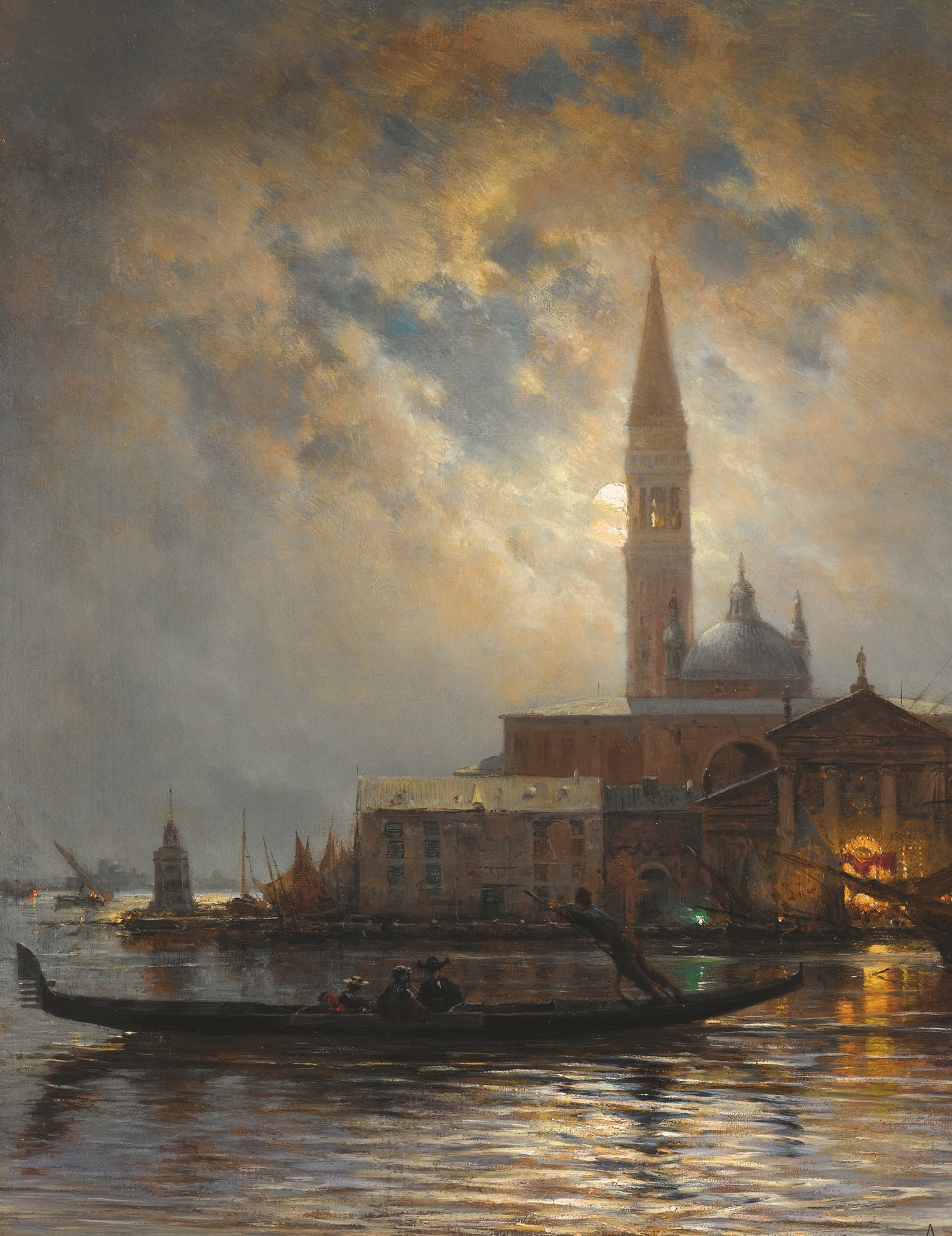
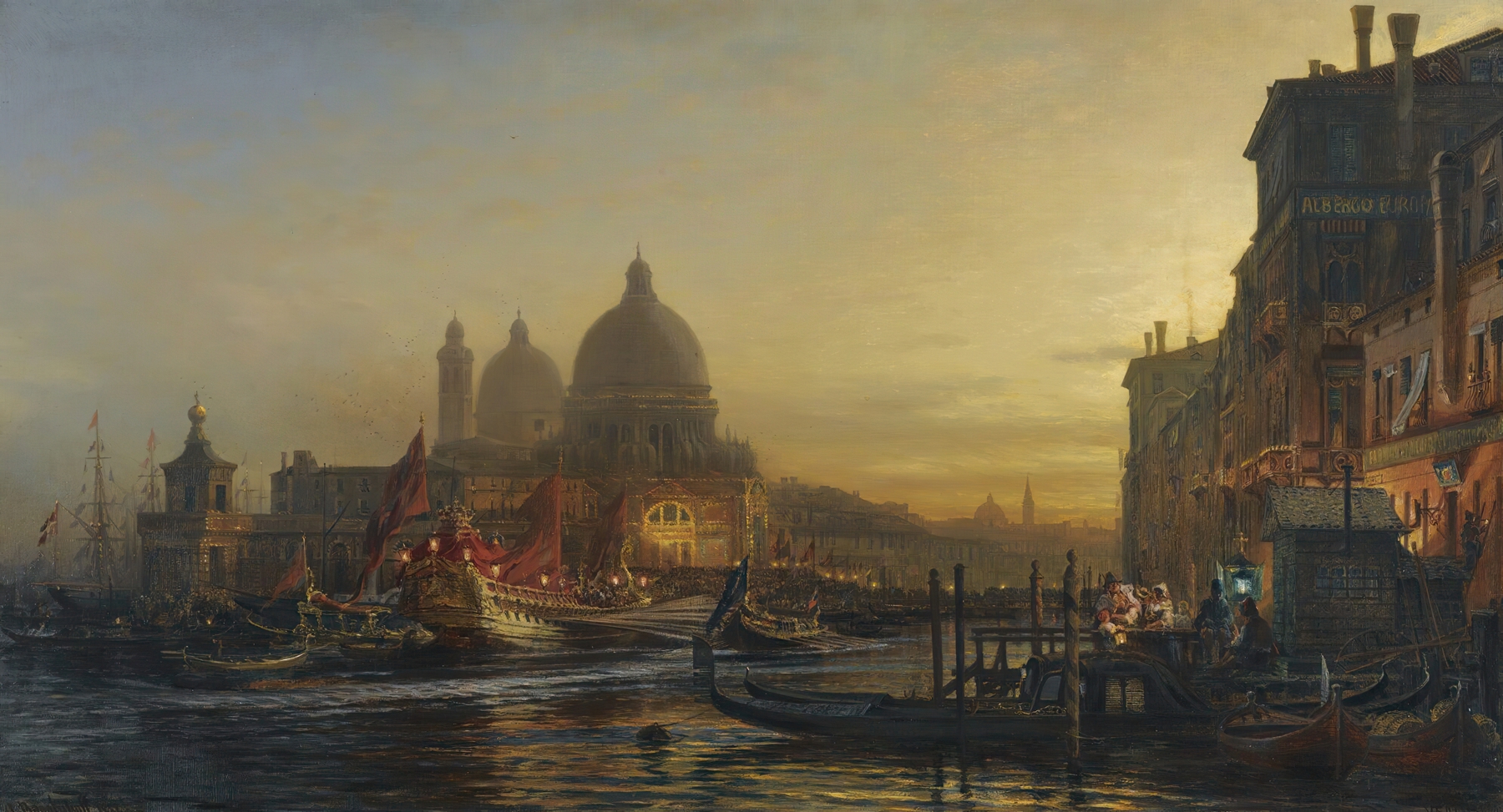
Can beauty exist without sorrow? In Naples, the answer lingers in the muted tones and crumbling facades, whispering of a world both vibrant and faded. Look to the foreground, where remnants of architecture draw your gaze. The worn stone surfaces, softened by time, reveal layers of history beneath a once-vivid facade, accentuated by the gentle play of light. Notice how the sunlight filters through lingering shadows, highlighting patches of color that struggle against the encroaching decay.
The composition is a delicate balance of chaotic brushstrokes and serene vistas, inviting contemplation on the passage of time. Peel back the layers of this scene, and you find a poignant dialogue between life and decay. The juxtaposition of the lively sky against the crumbling buildings mirrors the tension between fleeting beauty and inevitable transience. Each brushstroke captures an emotion, suggesting that within the remnants of grandeur lies the bittersweet essence of nostalgia and longing.
The scene evokes a sense of melancholy, prompting reflections on how beauty can both uplift and burden the soul. Created during a time of personal exploration, the artist painted this work in the late 19th century, a period marked by significant changes in both his life and the art world. Having settled in Italy, he was increasingly influenced by the Italian landscape and the works of the masters around him. This environment shaped his vision, allowing him to convey complex emotions through his portrayal of place, an experience that resonated with many as industrialization began to reshape the world.