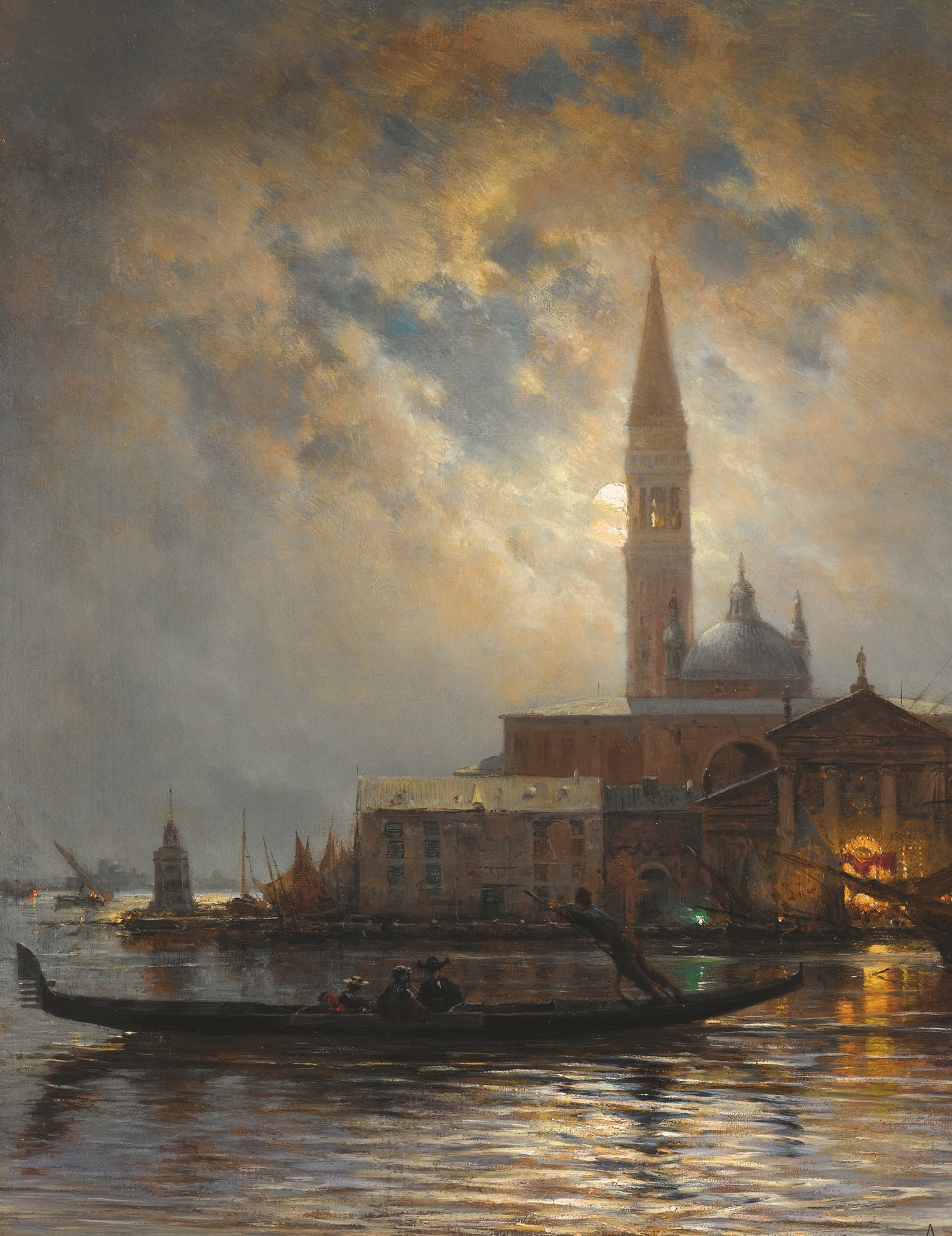
The Eve Of The Celebration, Santa Maria Della Salute, Venice — History & Analysis
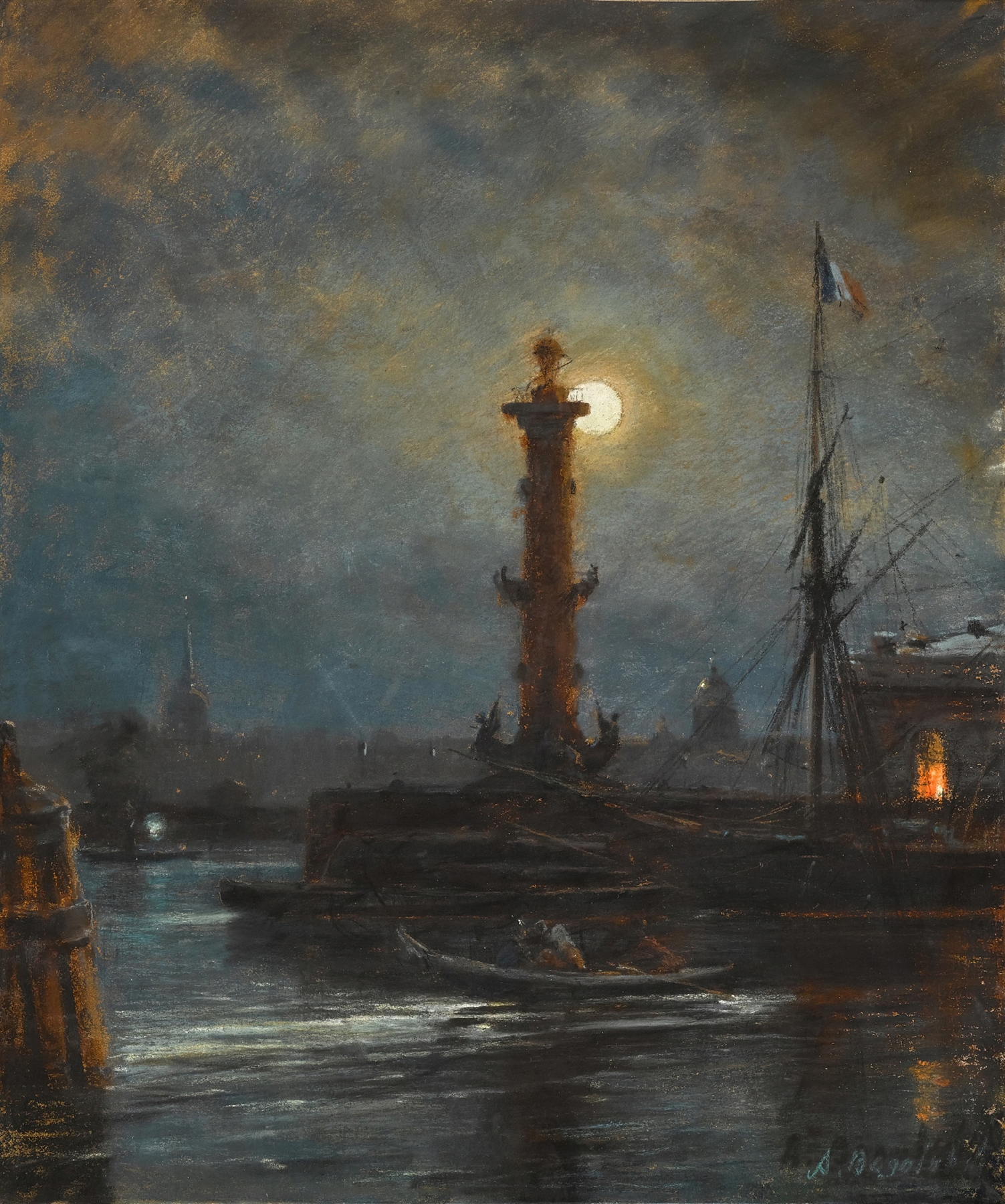
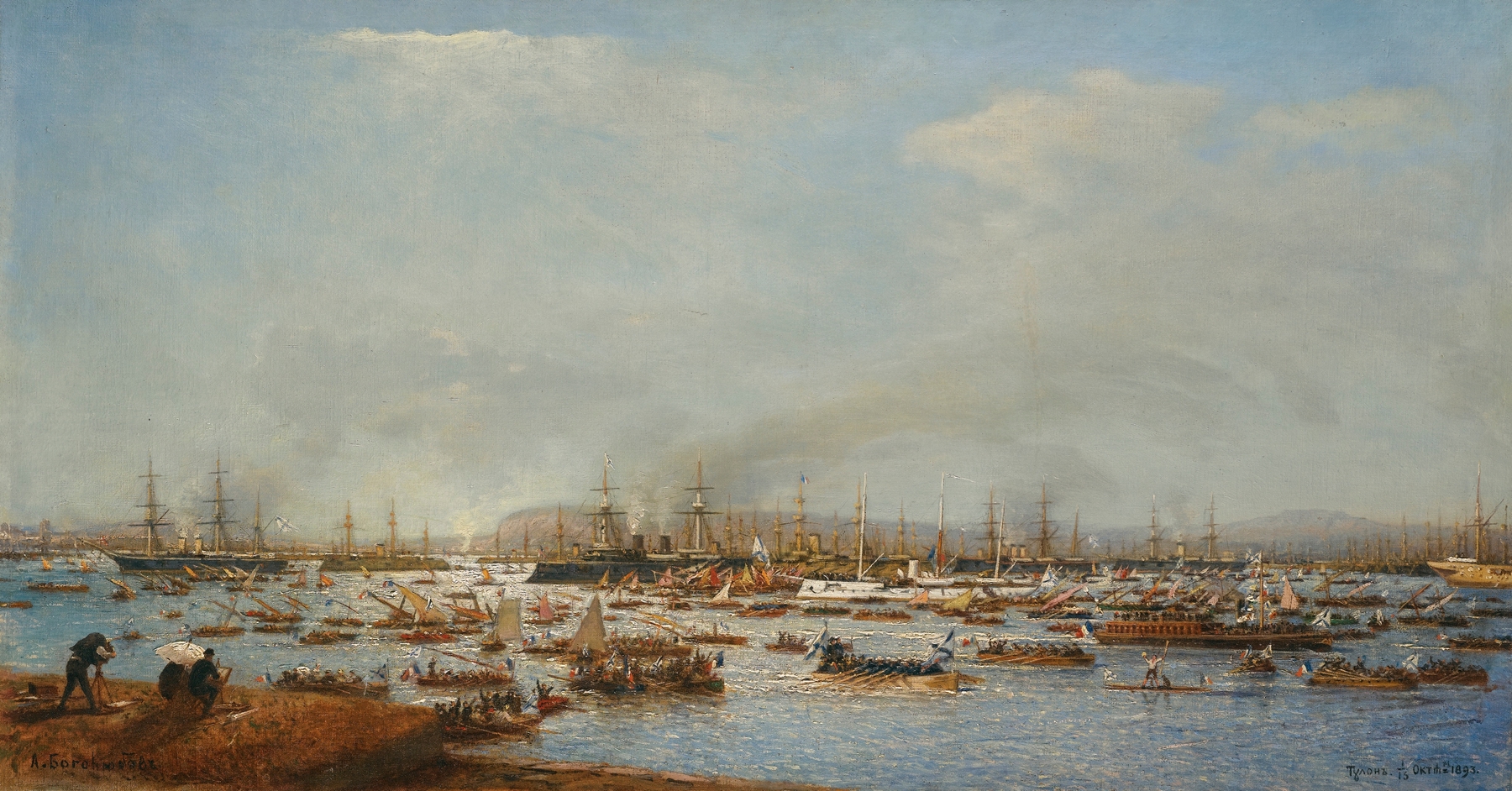
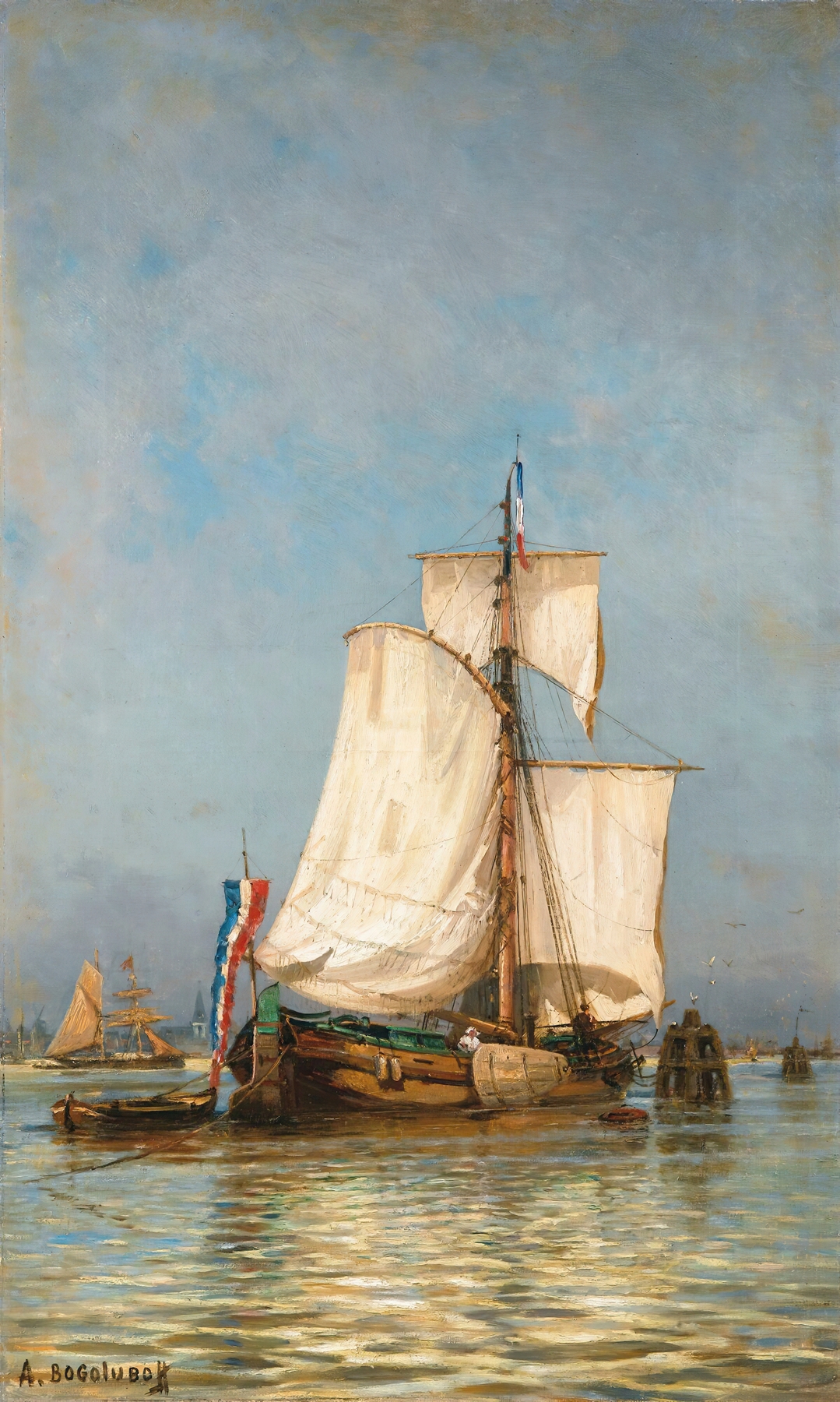
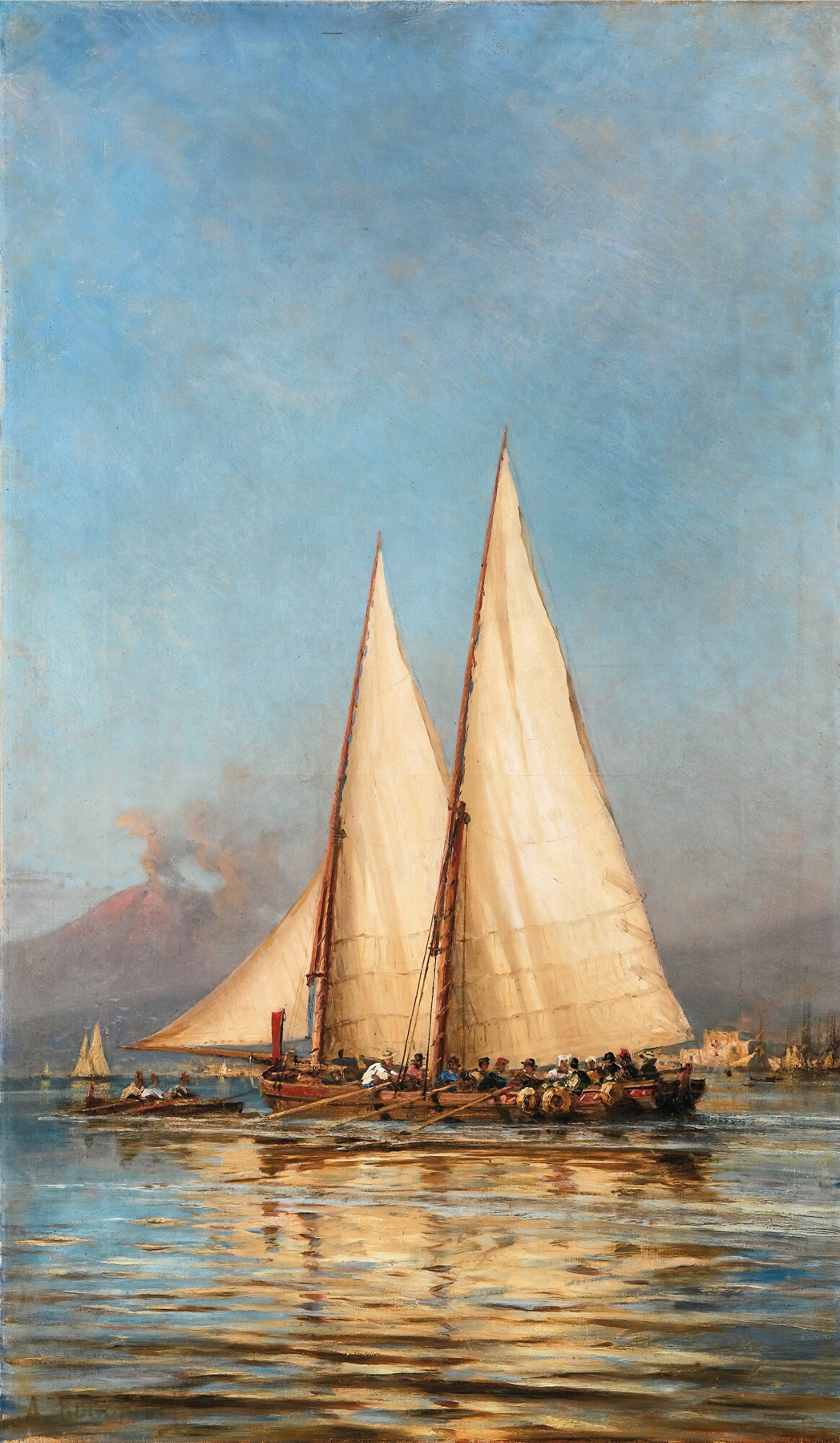
“The canvas doesn’t lie — it simply waits.” In this stillness, we find the promise of rebirth lurking beneath the surface, whispering of celebrations yet to come. Look closely at the gentle strokes that form the warm hues of Venice’s skyline. The fading light of dusk casts a golden warmth upon the church of Santa Maria Della Salute, inviting your gaze to the central dome. Notice how the brushwork captures the play of light on water, transforming the canal into a shimmering pathway of reflections, while the figures of townsfolk blend into the scene, participating in a collective anticipation.
Beneath the surface of this serene moment lies a tension between the sacred and the secular. The church stands as a symbol of hope and renewal, radiating an almost ethereal glow, while the bustling figures hint at the vitality of life and the human spirit. This juxtaposition of the divine and the everyday speaks to a community on the brink of celebration, caught in a fragile yet vibrant interplay of emotion and expectation.
In 1867, Bogolyubov created this work while living in Paris, a time when he was deeply influenced by the artistic movements shaping Europe. He was known for capturing Russian landscapes and cityscapes, but during this period, he also embraced the warmth and beauty of Venice, a city emblematic of artistry and rebirth itself. This painting reflects not just a moment in time but also the artistic dialogue occurring between East and West, as well as the personal rejuvenation that often accompanies a journey into new worlds.