The Dolmabahçe Mosque, Constantinople — History & Analysis
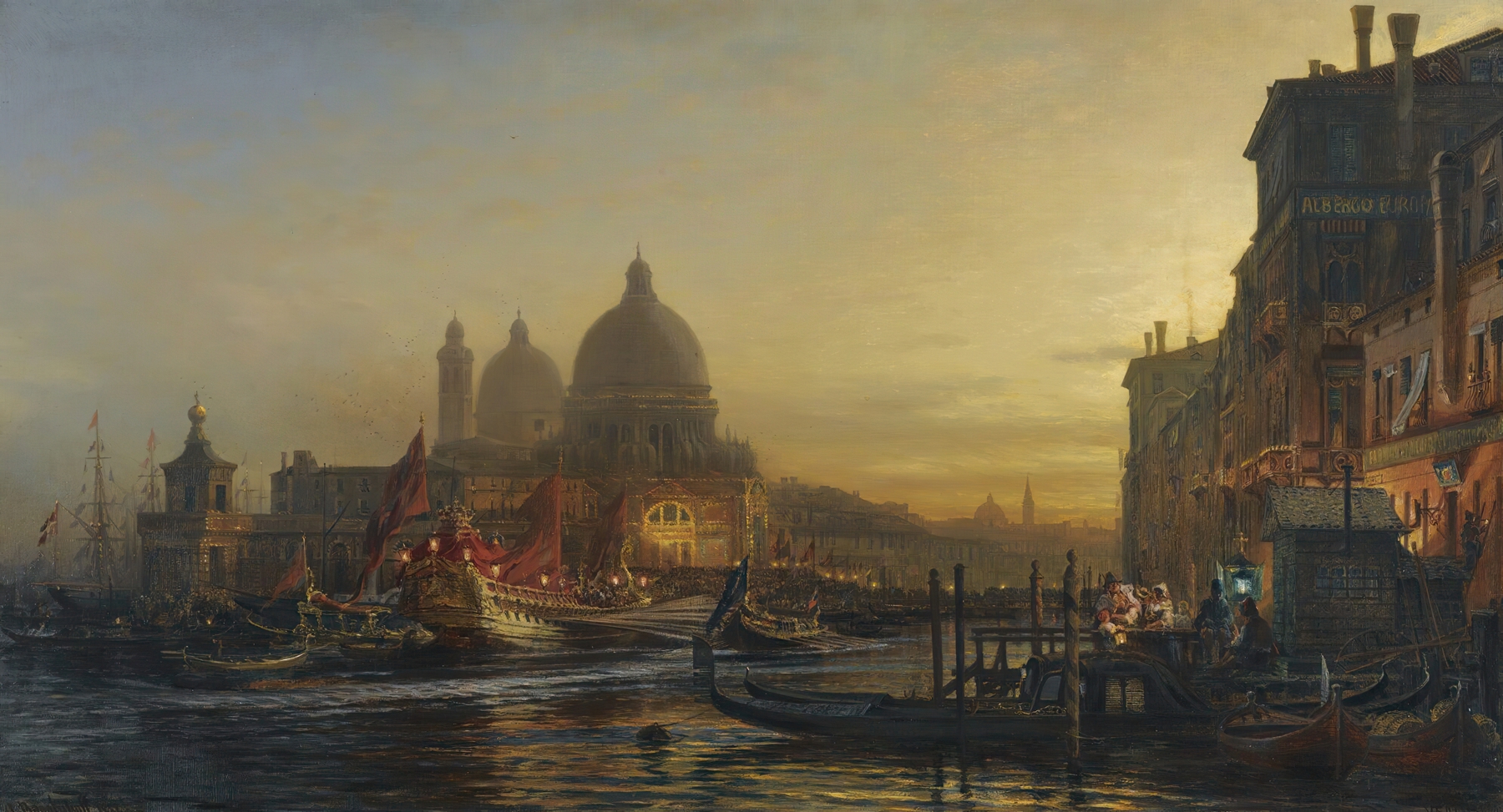
When did color learn to lie? The hues in this painting whisper of both beauty and fragility, inviting contemplation of the world they depict and the truths they may conceal. Look to the vibrant blues and gentle golds that define the structure of the mosque, where intricate details dance across the surface. Notice how the artist has captured the delicate interplay of light and shadow, creating a sense of depth that draws the eye toward the intricate domes and minarets.
The brushwork is both precise and fluid, conveying the ornate architecture while evoking a sense of transience — a moment suspended in time. Beyond its surface beauty, the painting invites a deeper reflection on the cultural and historical significance of the mosque itself. The juxtaposition of light and shadow may symbolize the tension between past and present, while the vibrant colors evoke the fleeting nature of life and faith. Each element contributes to a sense of impermanence, suggesting that beneath the grandeur lies an essence that is both delicate and enduring.
Created during an era marked by significant political and social change in Russia and the broader world, the artist was deeply engaged with themes of identity and heritage. Working during the late 19th century, Bogolyubov navigated a period filled with artistic exploration, where traditional techniques met new influences. His focus on architectural subjects reflects a fascination with the beauty and complexity of cultural landmarks, a celebration of both their physical presence and the stories they encapsulate.