Near Étoile, Provence — History & Analysis
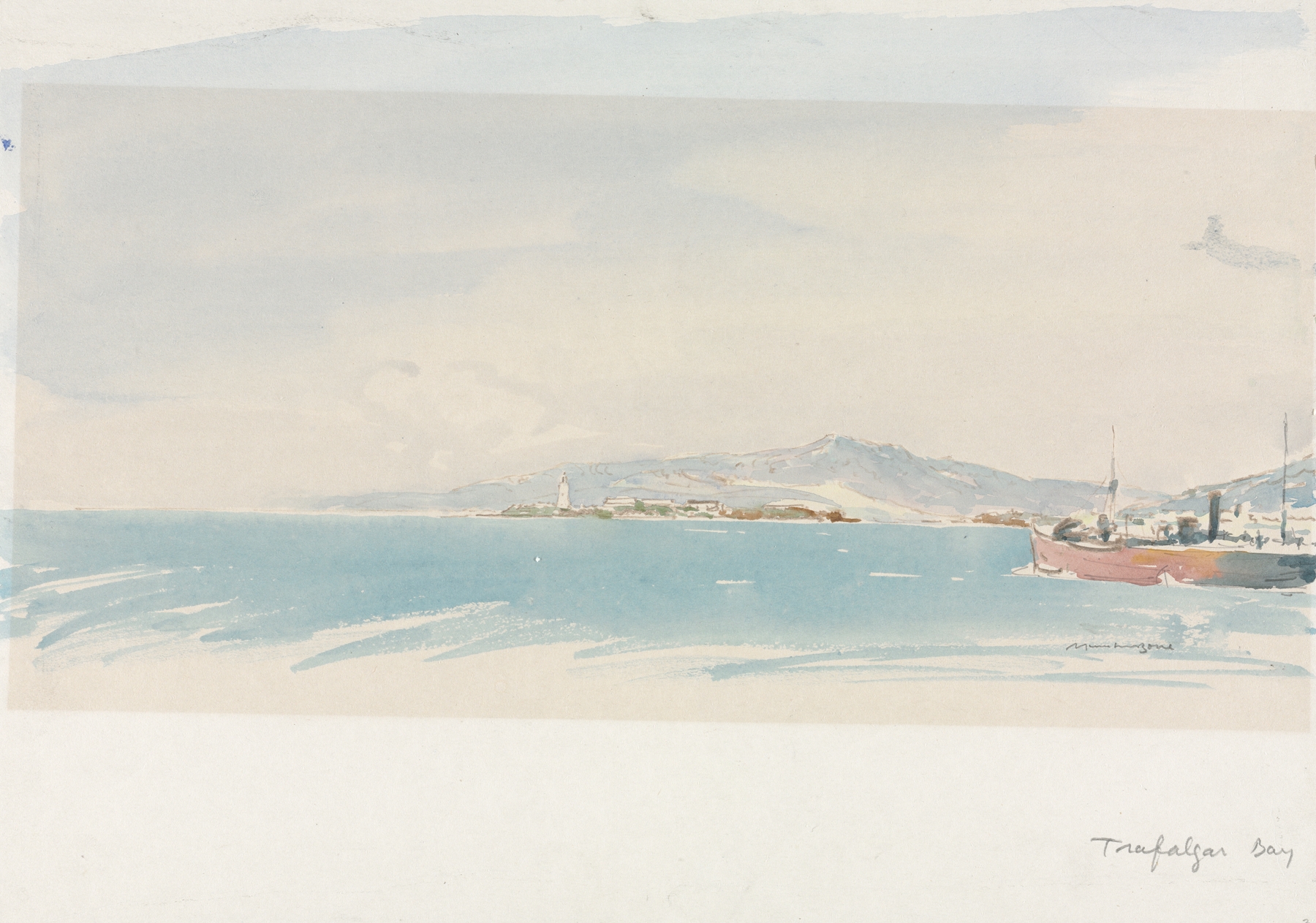
Could a single brushstroke hold eternity? In Near Étoile, Provence, there lies an essence of time captured so subtly that one can almost hear the whispers of the landscape. Look to the center of the canvas where a hazy sky meets gently rolling hills, dappled with an array of soft greens and muted golds. The delicate interplay of light and shadow draws the eye, encouraging a dance across the surface.
Notice how the sun seems to embrace the earth, its warmth bleeding into the colors; every brushstroke feels deliberate, laden with the artist's deep connection to the surrounding nature. The serenity of the scene belies a complexity beneath its surface. The juxtaposition of the robust hills against the ethereal sky suggests a deeper contemplation of permanence versus transience. There’s an air of nostalgia woven through the soft hues, inviting the viewer to reflect on their own experiences with fleeting moments.
This emotional tension between beauty and the passage of time resonates powerfully within each layer of paint. Muirhead Bone created this piece during a time when the art world was shifting dramatically, embracing modernism while still cherishing the Impressionist legacy. Painted around the mid-20th century, the artist was navigating the complexities of his own identity and influence, merging the pastoral charm of Provence with evolving artistic ideals. It was a period of great experimentation, and Bone’s work stands as a testament to the enduring power of nature as both a muse and a moment frozen in time.