Picadilly Circus — History & Analysis
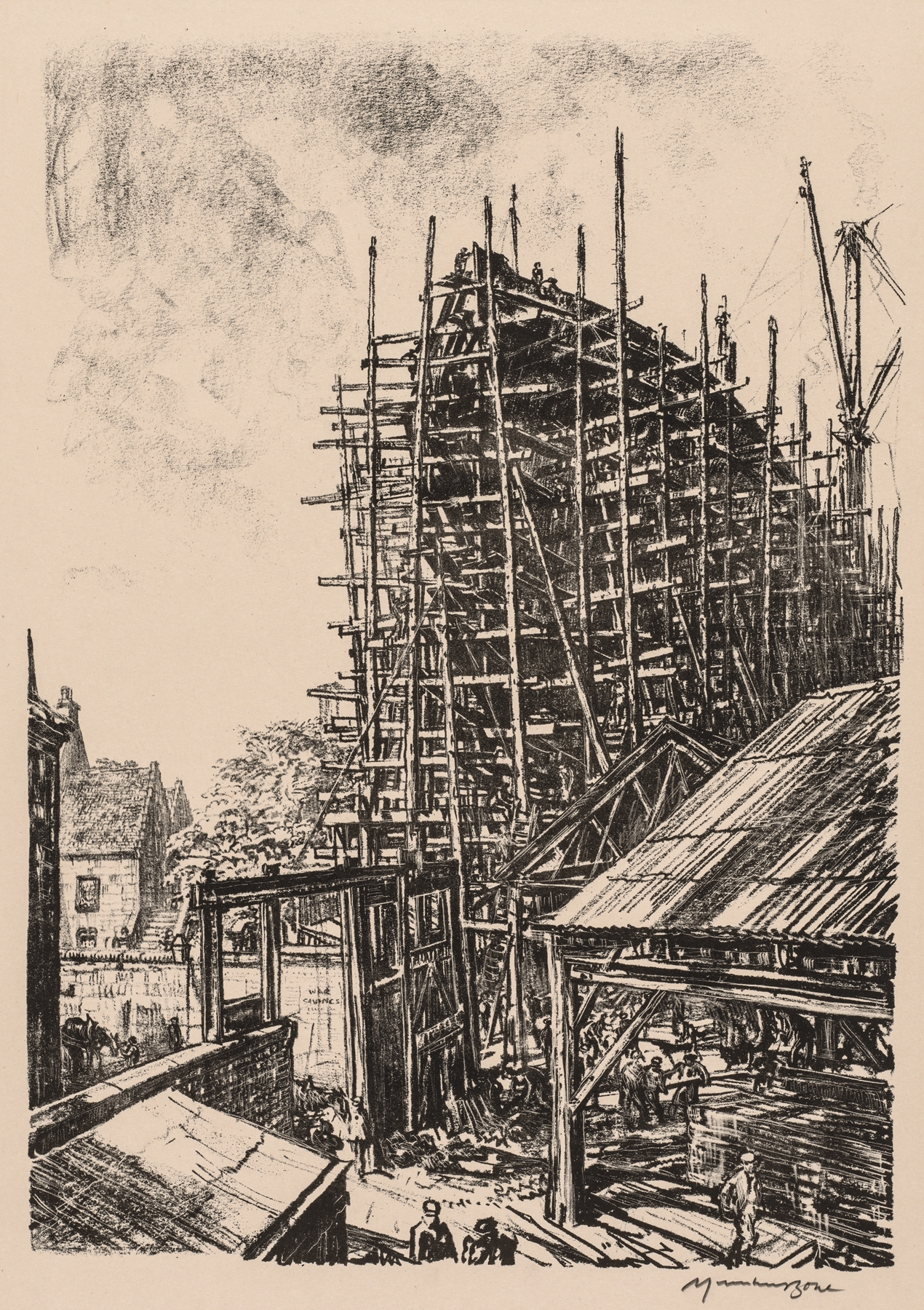
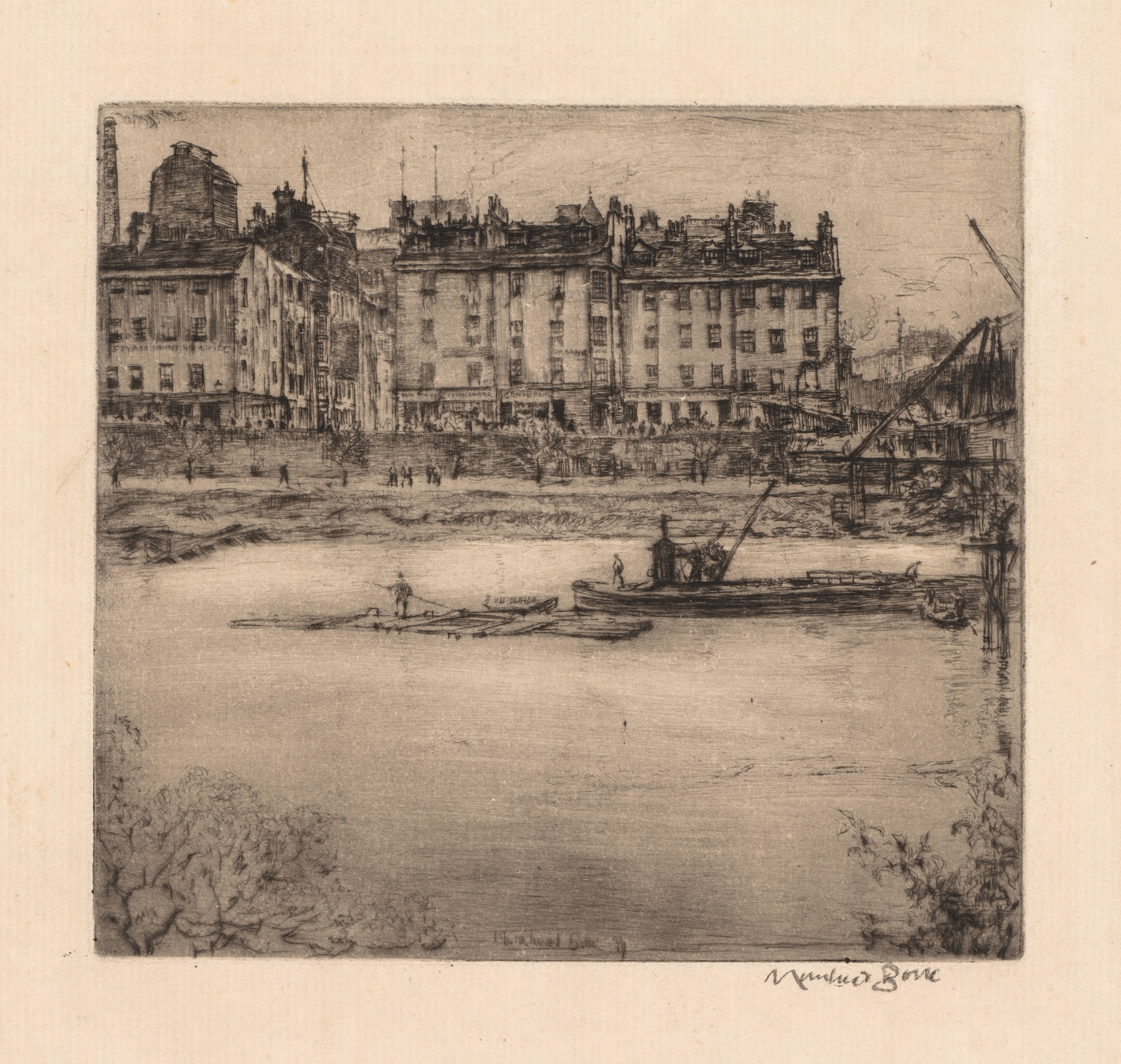
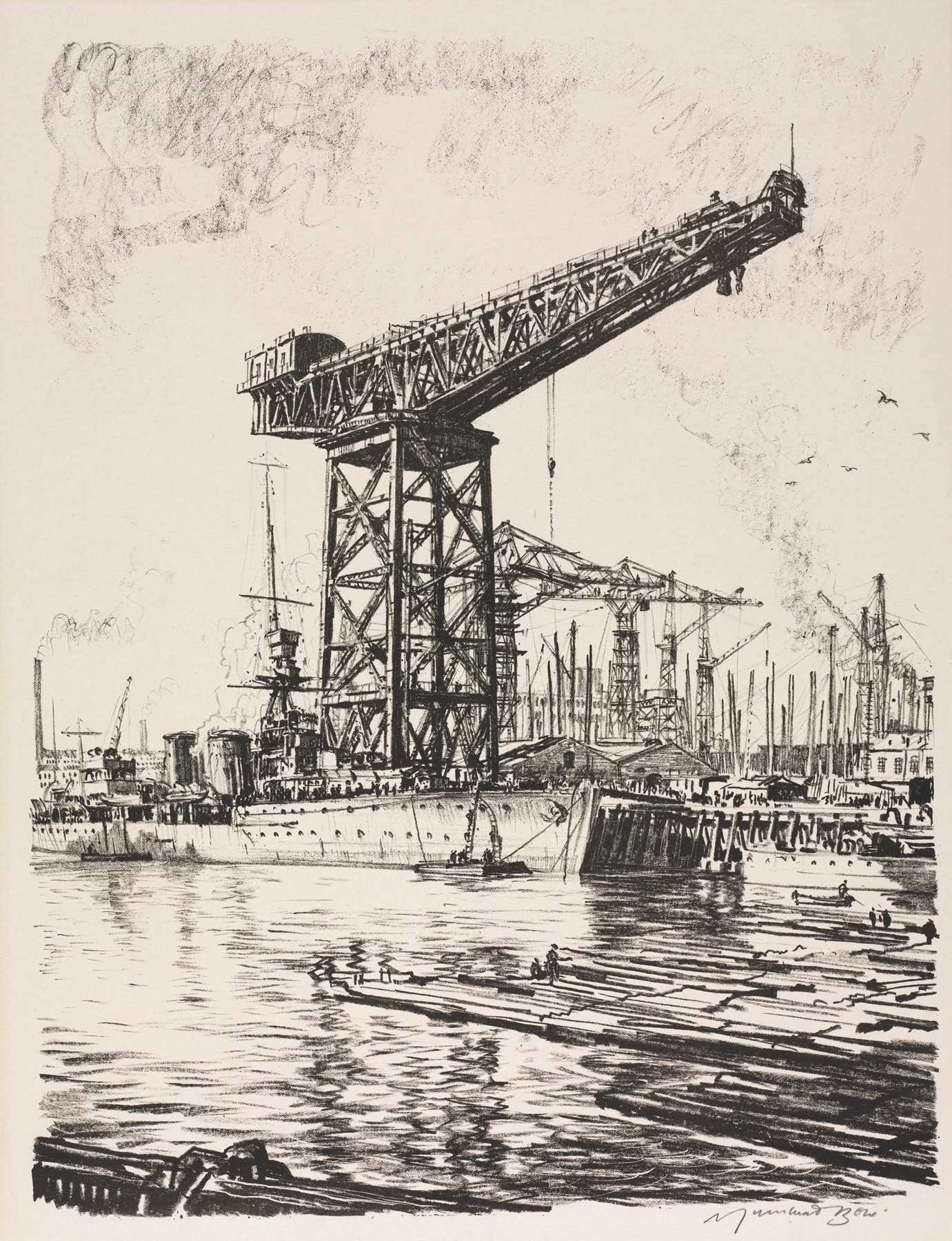
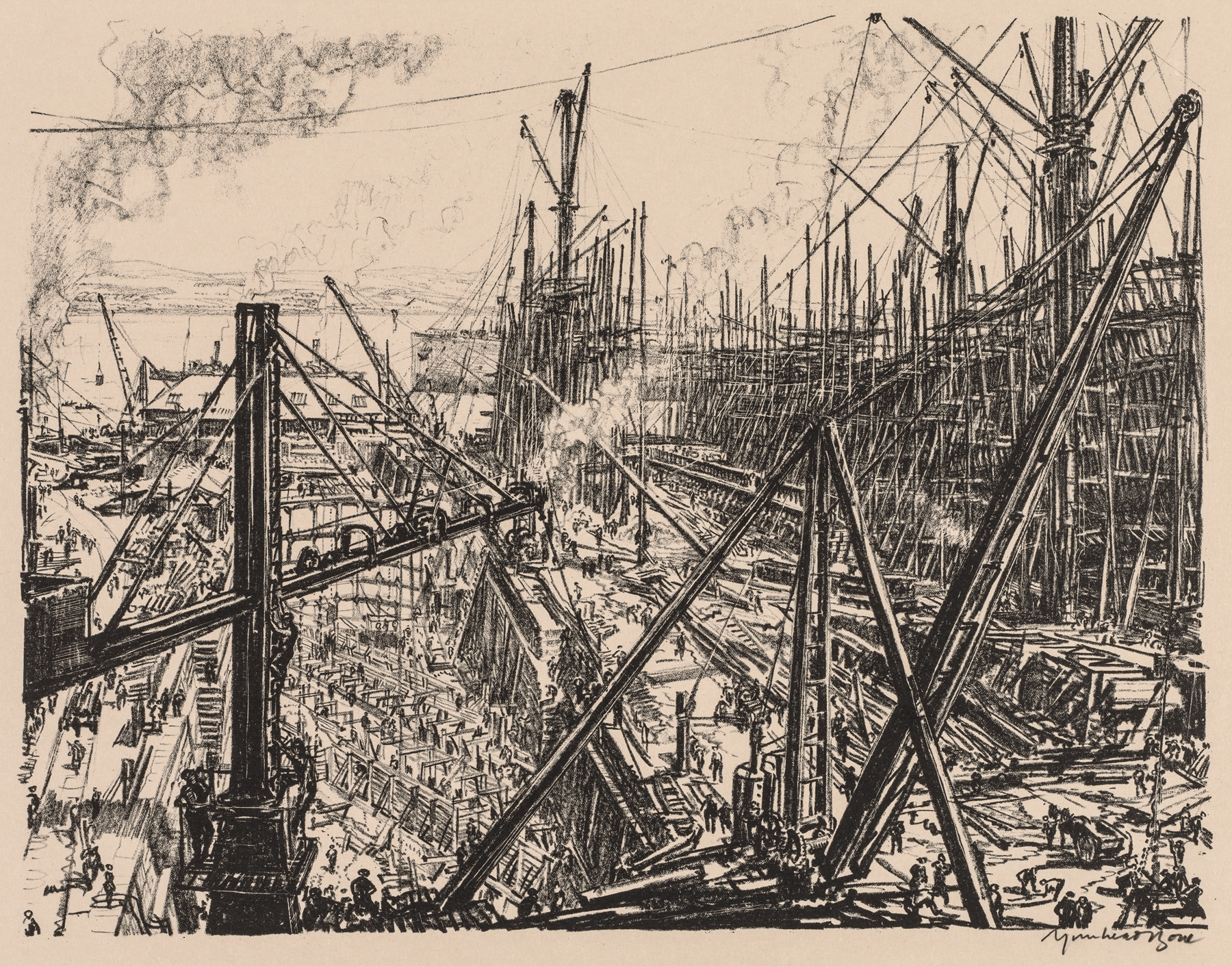
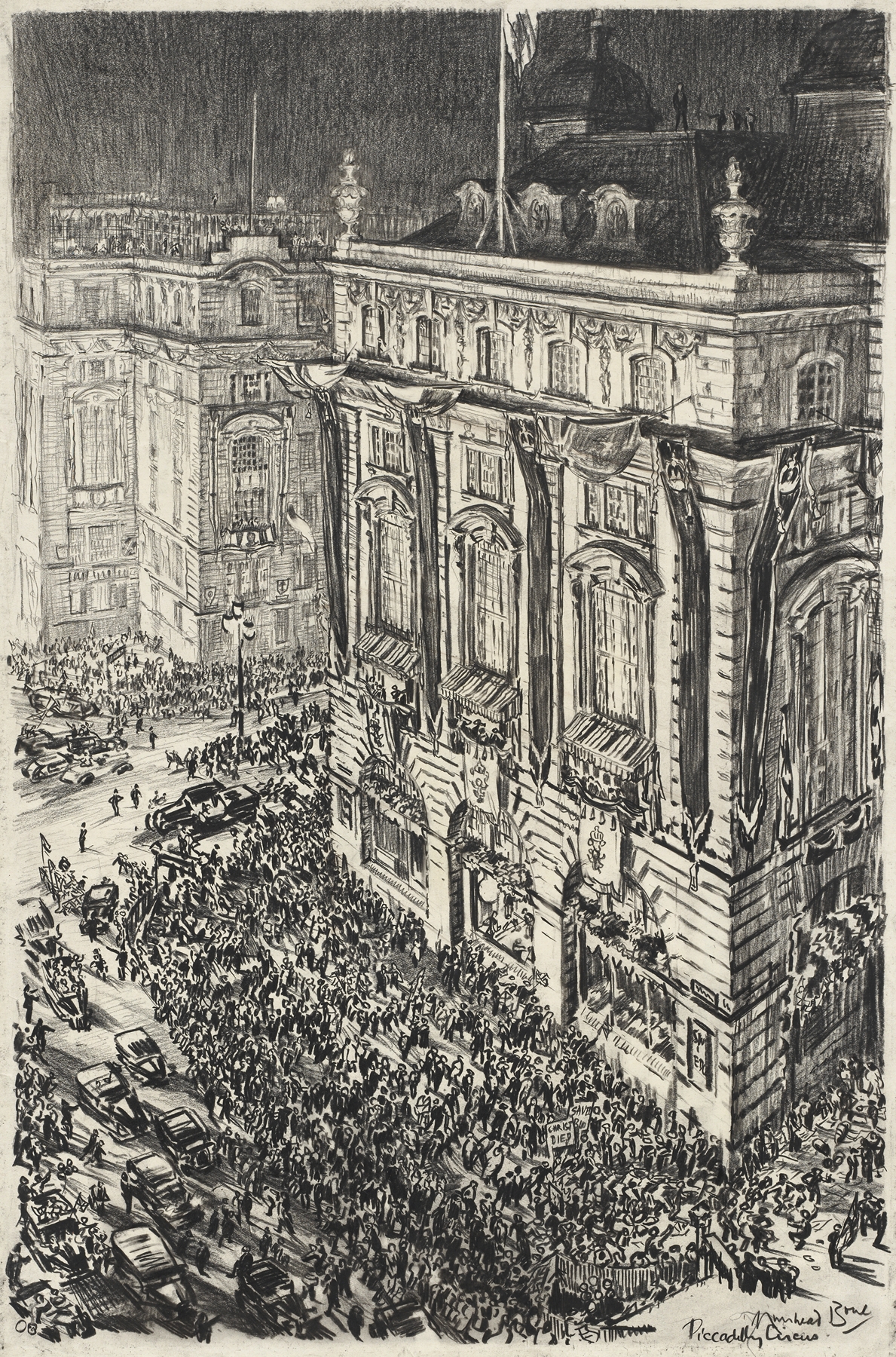
What if silence could speak through light? In the stillness of a bustling city, whispers of change linger in the air, ripe with possibility and revolution. Look to the center where the iconic fountain stands, its form a beacon in the chaos of Piccadilly Circus. Here, the artist captures an electric blend of urban life with masterful strokes of charcoal. The chiaroscuro technique draws the eye to the interplay of shadow and luminescence, allowing the viewer to feel the pulse of the city as day yields to evening.
The bustling figures, though rendered with careful detail, merge into an almost ghostly presence, emphasizing their anonymity amid the vibrant London landscape. Deep beneath the surface, there exists a tension between the depicted motion and the frozen frame. The figures, though alive with energy, seem trapped in their quotidian routines, hinting at a collective yearning for change. The flickering lights, juxtaposed with the darkened streets, serve as a metaphor for hope battling despair, urging the viewer to ponder the transformative power of social upheaval.
This duality encapsulates the spirit of 1915, a time when the world was on the brink of monumental shifts. Muirhead Bone created this work in London during a period of profound social and political turmoil brought about by World War I. As an established printmaker and painter, Bone was deeply influenced by the urban landscape surrounding him, capturing not just the essence of the city but a pivotal moment in history. This artwork reflects his keen observations, blending realism with a burgeoning sense of modernity that resonated within the artistic community and echoed the desire for change.