Nocturne II — History & Analysis
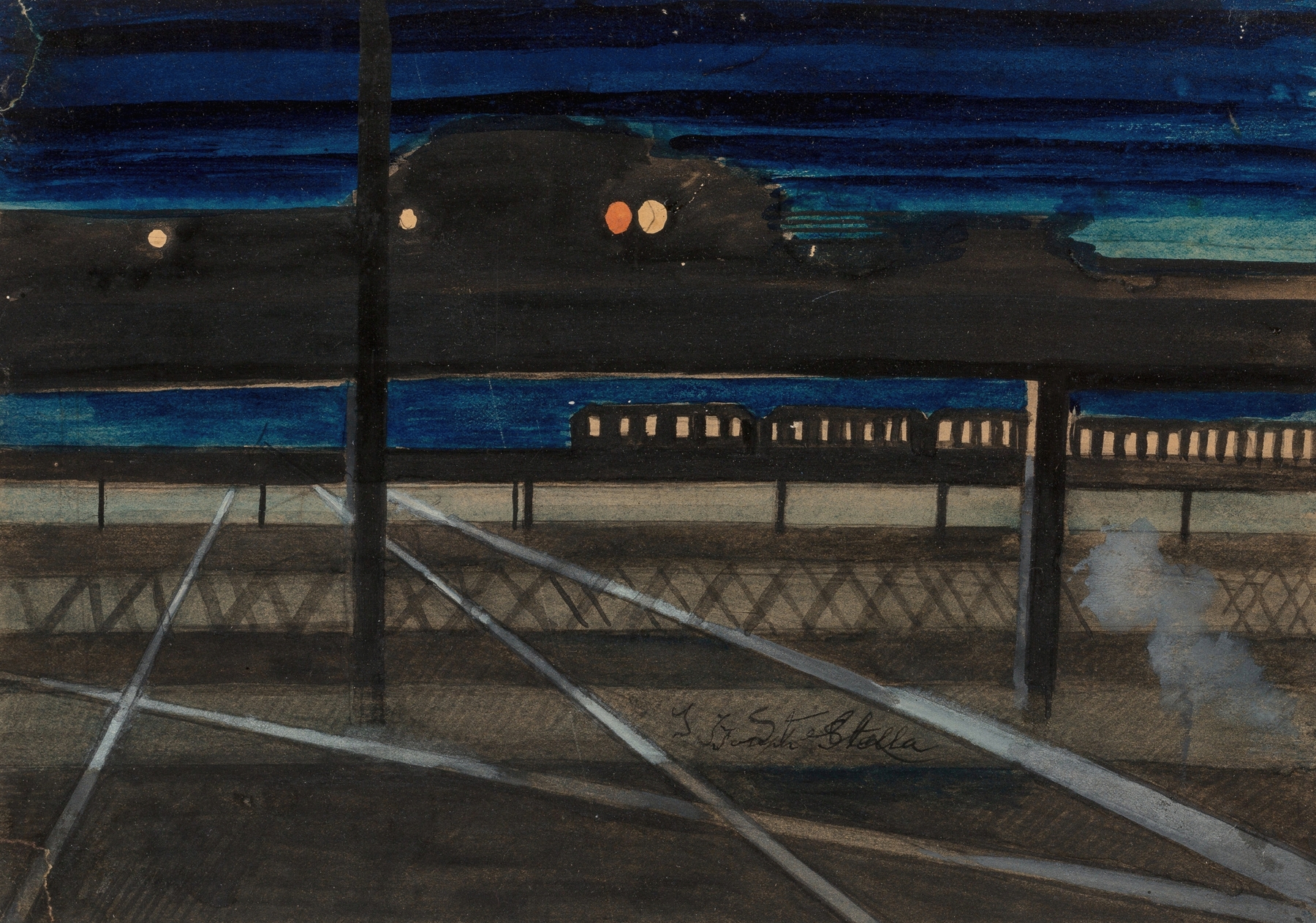
Can beauty exist without sorrow? In Nocturne II, the interplay of light and shadow suggests that the two are inseparable, woven into the very fabric of existence. Look closely at the swirling forms that dominate the canvas, where deep blues and blacks meld with fleeting bursts of silver and white. The eye is drawn first to the luminous orbs that shimmer like stars in a darkened sky, their glow contrasting sharply against the surrounding darkness. Notice how the artist’s brushwork creates a rhythmic flow, transforming the canvas into a dynamic space where movement and tranquility coexist.
The rich colors evoke a sense of mystery, inviting viewers to linger in this dreamlike nocturnal world. Delve deeper, and you'll uncover a tension between chaos and serenity. The vibrant colors pulsate with an energy that suggests the unknown, while the overall composition invites a contemplative stillness. The juxtaposition of warmth and coolness speaks to the emotional landscape of night—where beauty is often shadowed by the weight of solitude.
Each hue reveals layers of feeling, prompting questions about our own perceptions of beauty amidst darker emotions. Created in 1919, Nocturne II emerged during a transformative period for Joseph Stella, who was deeply influenced by his experiences in New York and the broader art movements of the time. After serving in World War I, he embraced the Modernist style, exploring the tension between abstract and representational forms. This work reflects his quest to capture the essence of urban beauty, merging his fascination with the metropolis and the profound emotional undertones that accompany it.