Notre Dame in Winter — History & Analysis
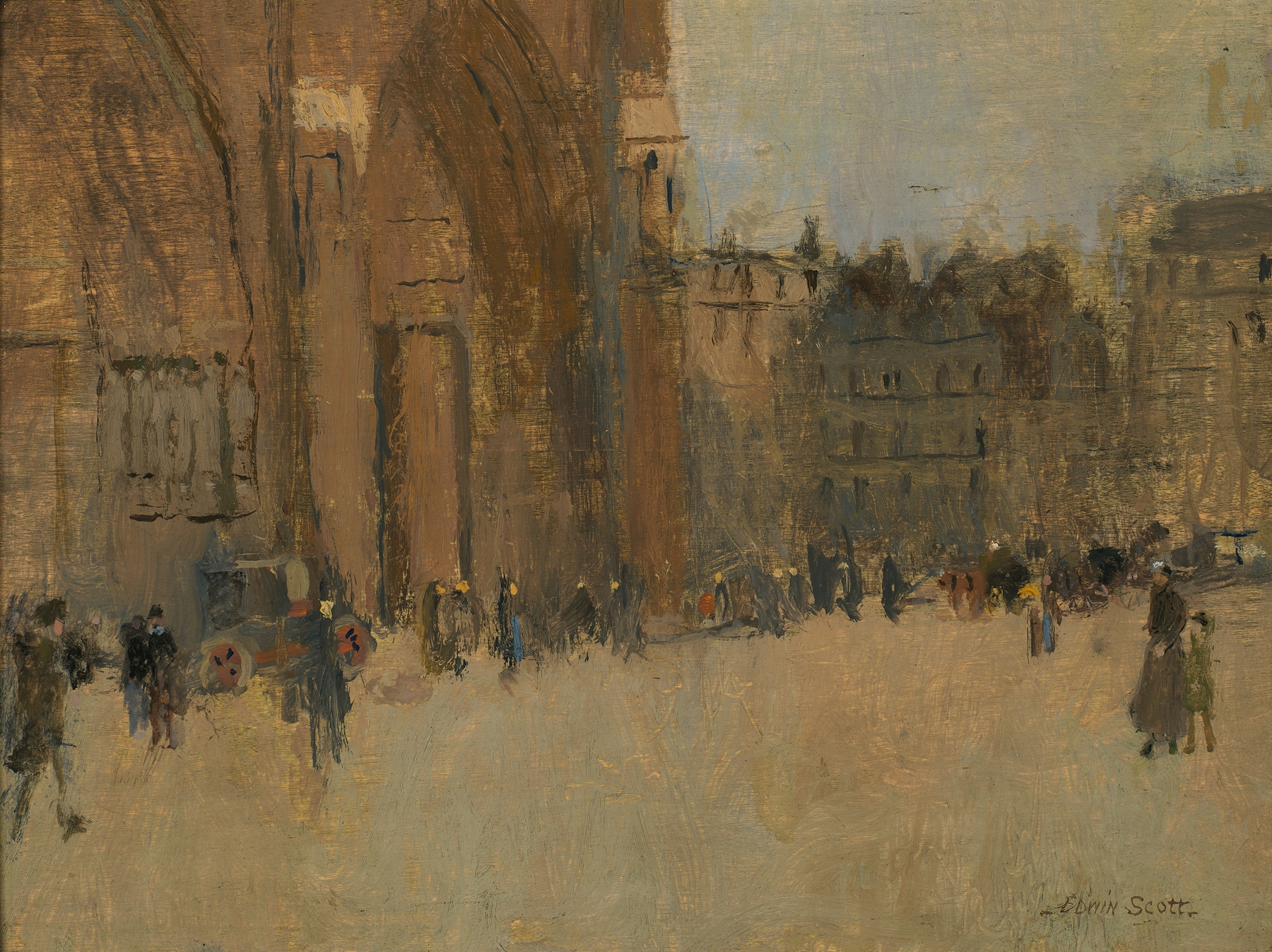
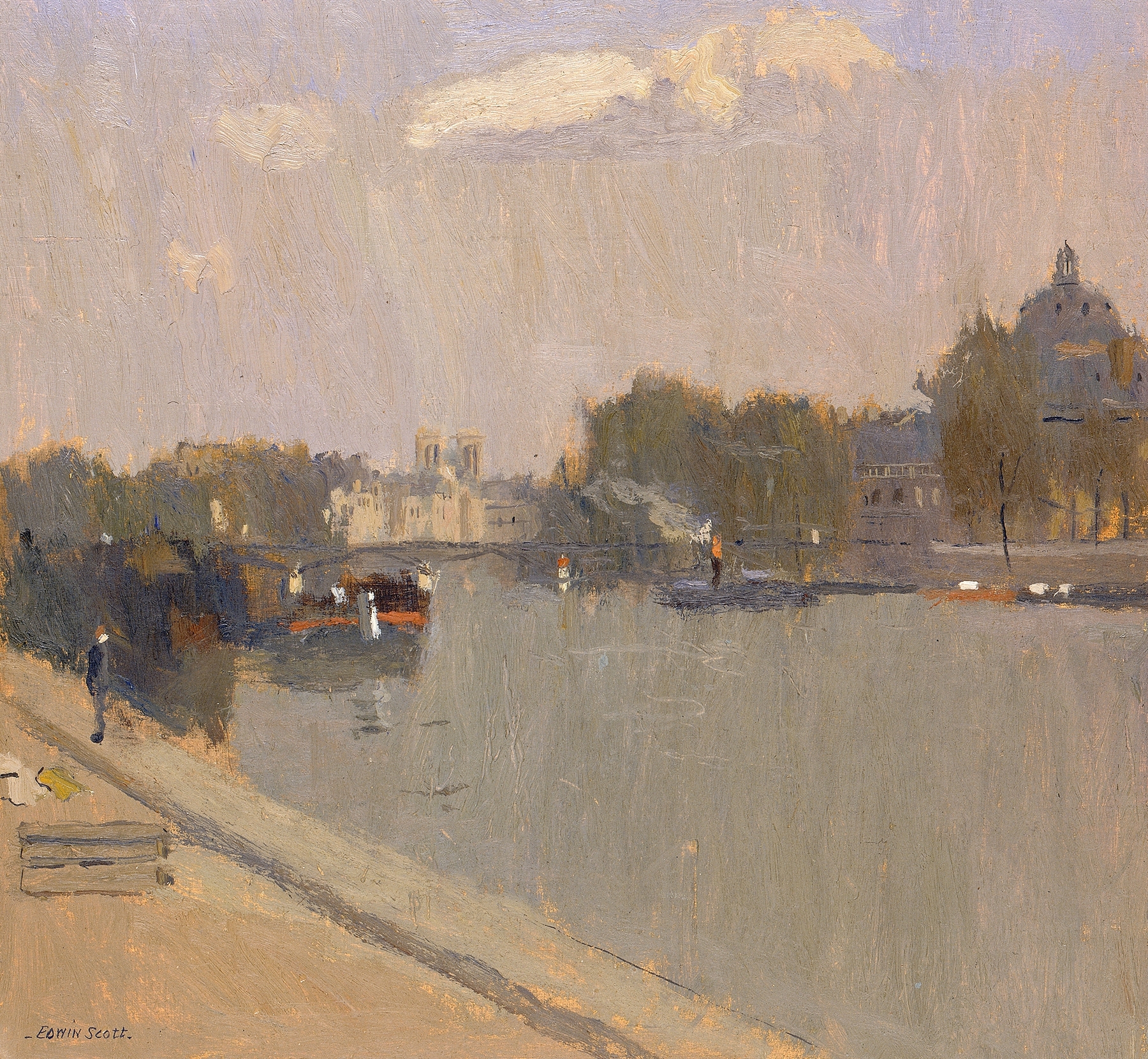
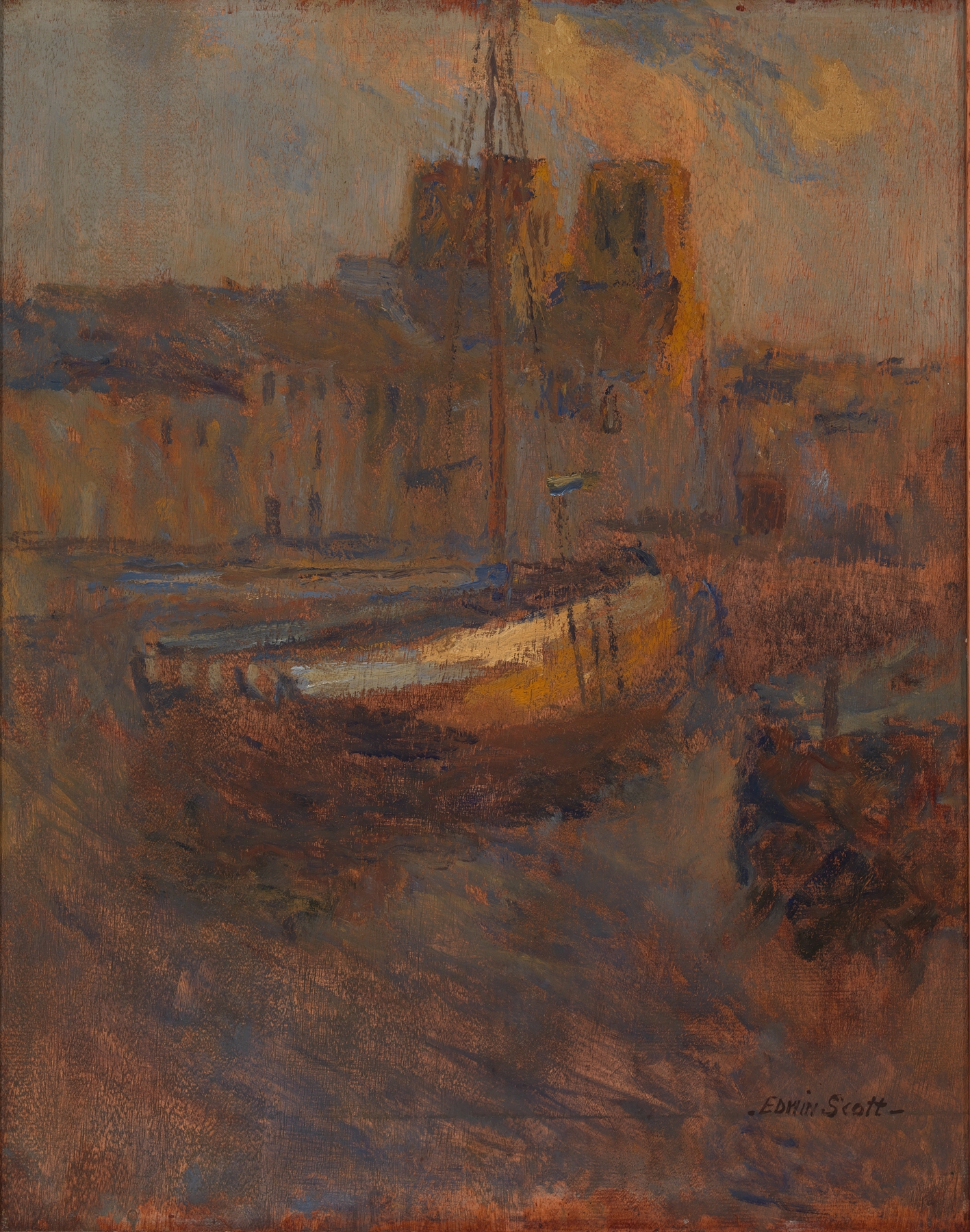
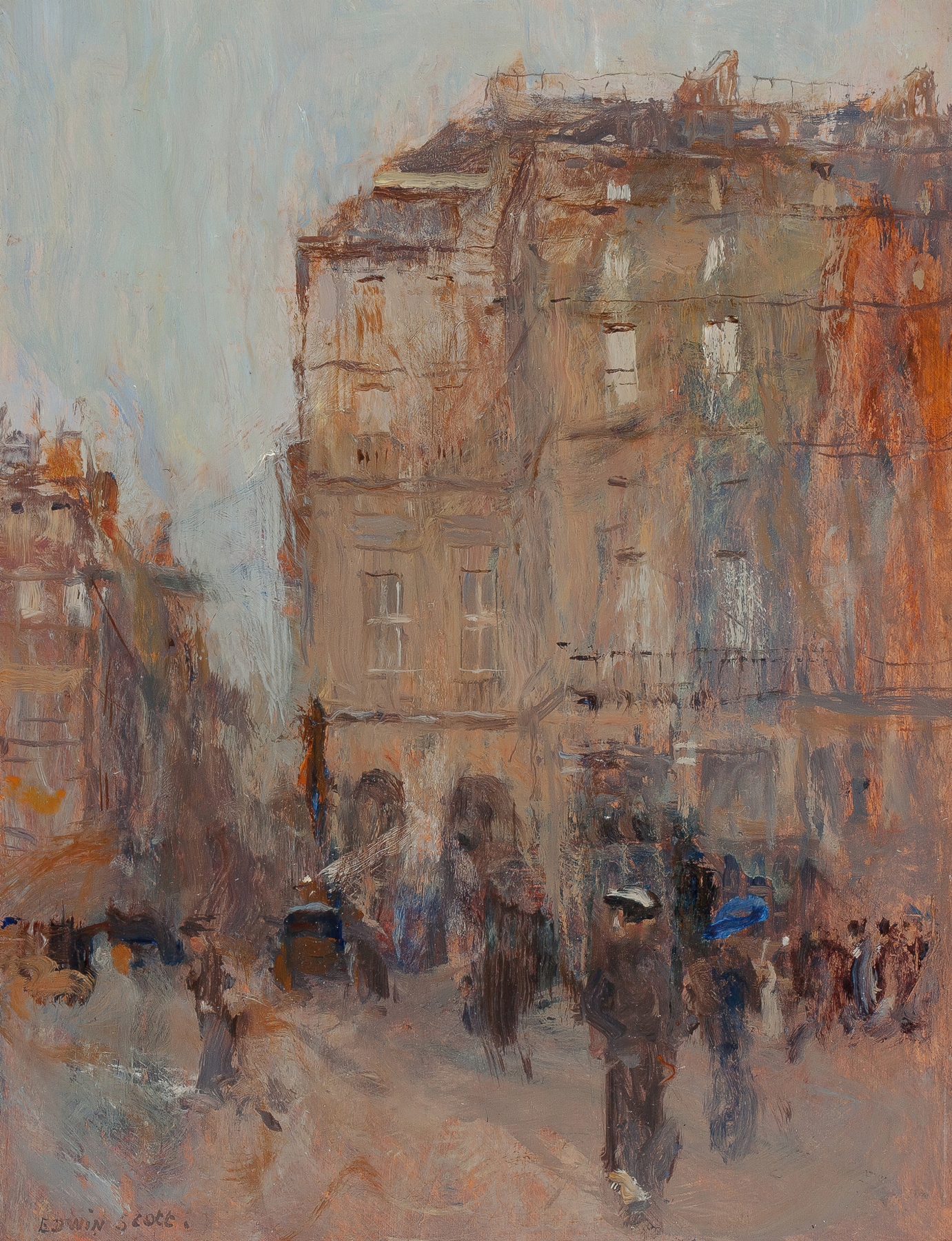
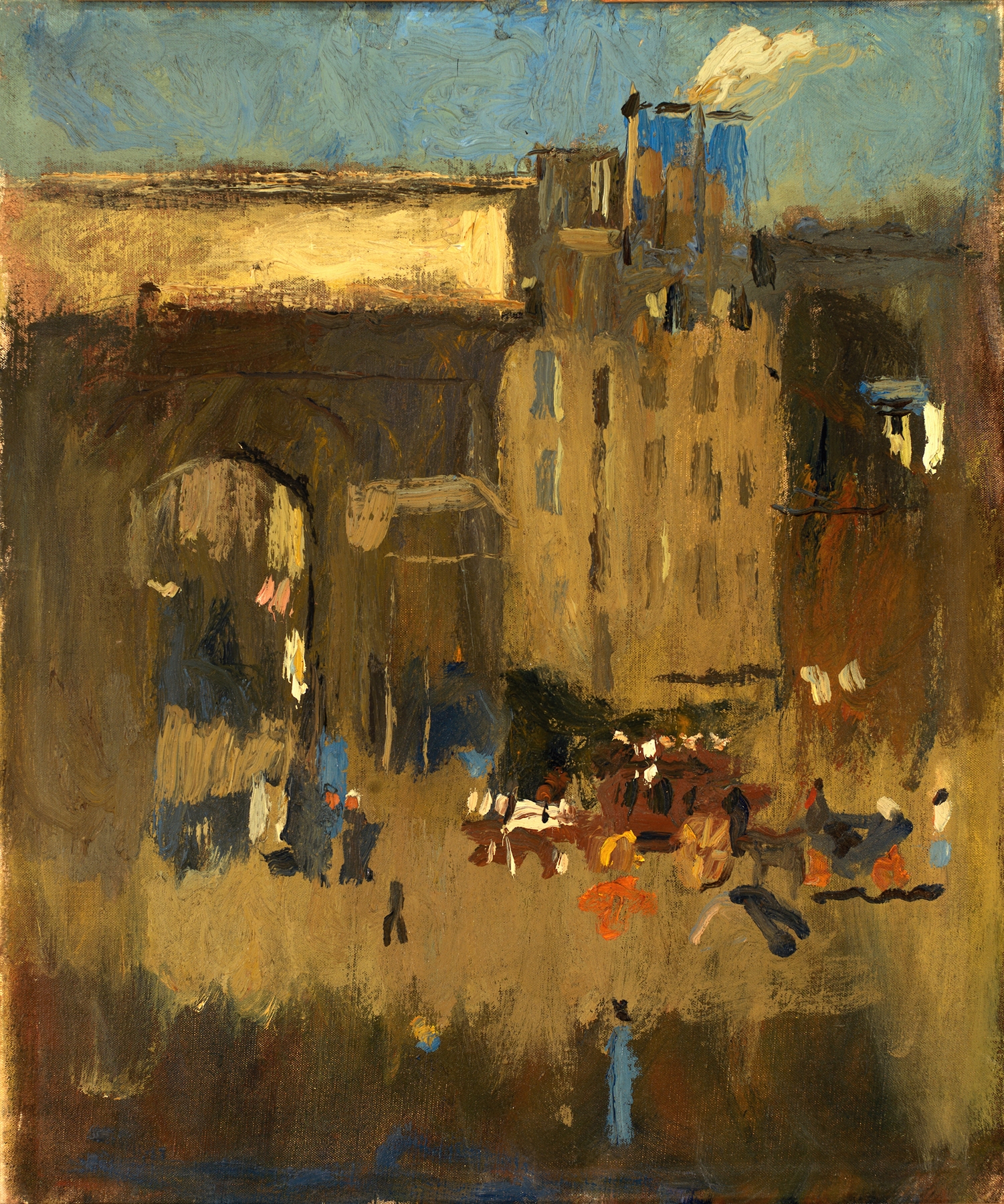
“Between color and silence, truth hides.” In the stillness of a winter’s day, vibrant hues struggle against the encroaching gray, hinting at the tumult of revolution underneath the surface of serenity. Look to the center, where the majestic facade of Notre Dame rises defiantly against a muted sky. The artist’s careful brushwork defines the intricate gothic details, each spire and archway alive with texture. Notice how the cool blues and whites of the snow-dusted ground contrast with the warm, earthy tones of the stone, a visual tug-of-war that draws the eye upward, inviting contemplation.
The soft light casts elongated shadows, creating a sense of depth and amplifying the building’s grandeur. Beneath this serene winter scene lies the weight of history. The juxtaposition of the cathedral's timeless beauty against the harshness of winter embodies a world on the brink of change. As the viewer absorbs the tranquil atmosphere, subtle hints of unease emerge—perhaps a reminder of the upheavals that have shaped the city and its iconic structure.
The quietude reflects not just the season, but echoes the tension of an era marked by social and political strife. Created during a period of significant artistic exploration, this piece hails from an unseen moment in the artist's life, reflecting a time when the world was grappling with transformation. The early 20th century saw a shift not only in art but also in societal values. As artists began to embrace modernism, Scott’s work resonates with an awareness of change, capturing both the allure and the fragility of tradition amidst the pulse of revolution.