Old Boston. Beacon Hill from the present site of the reservoir between Hancock & Temple Sts. — History & Analysis
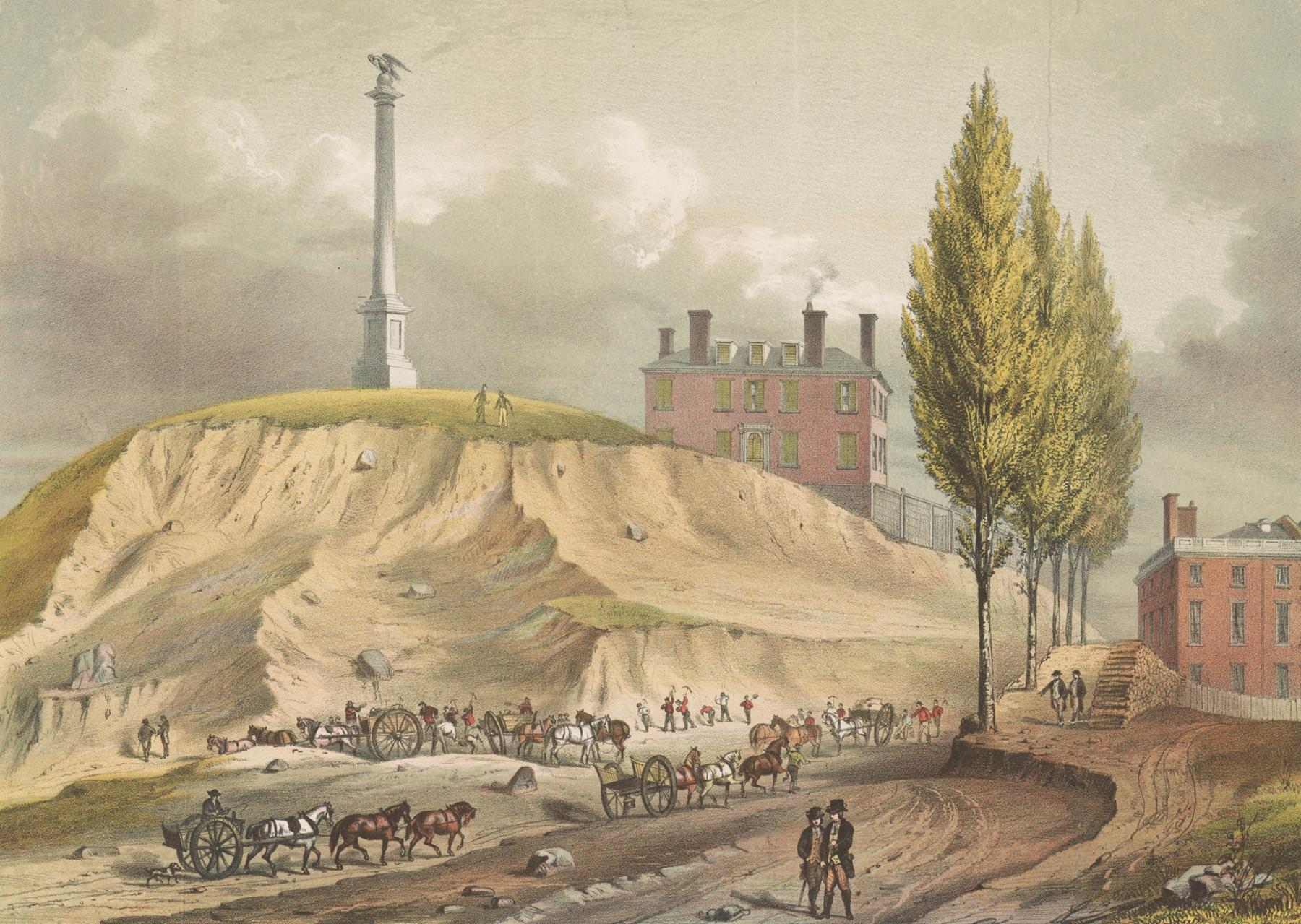
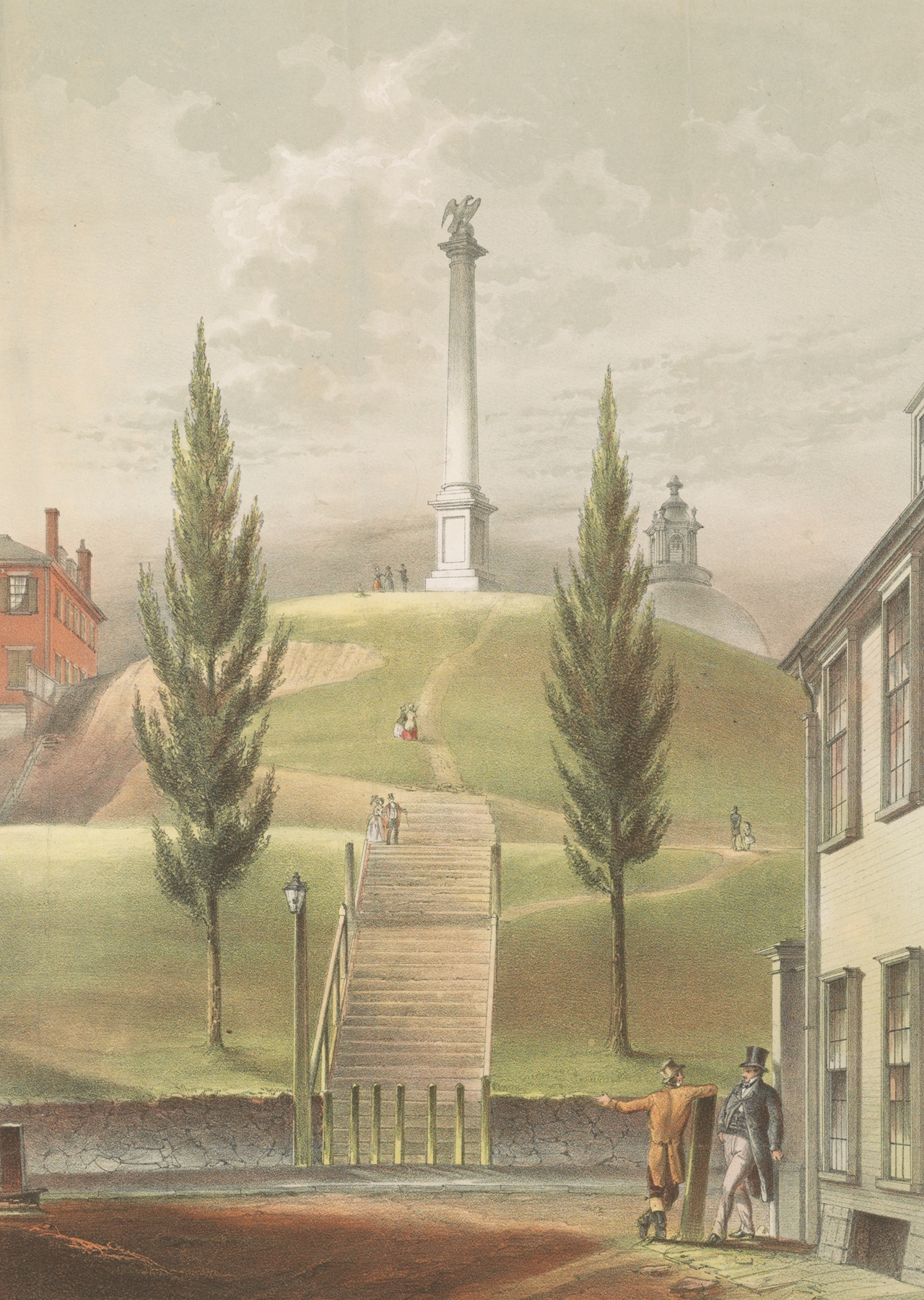
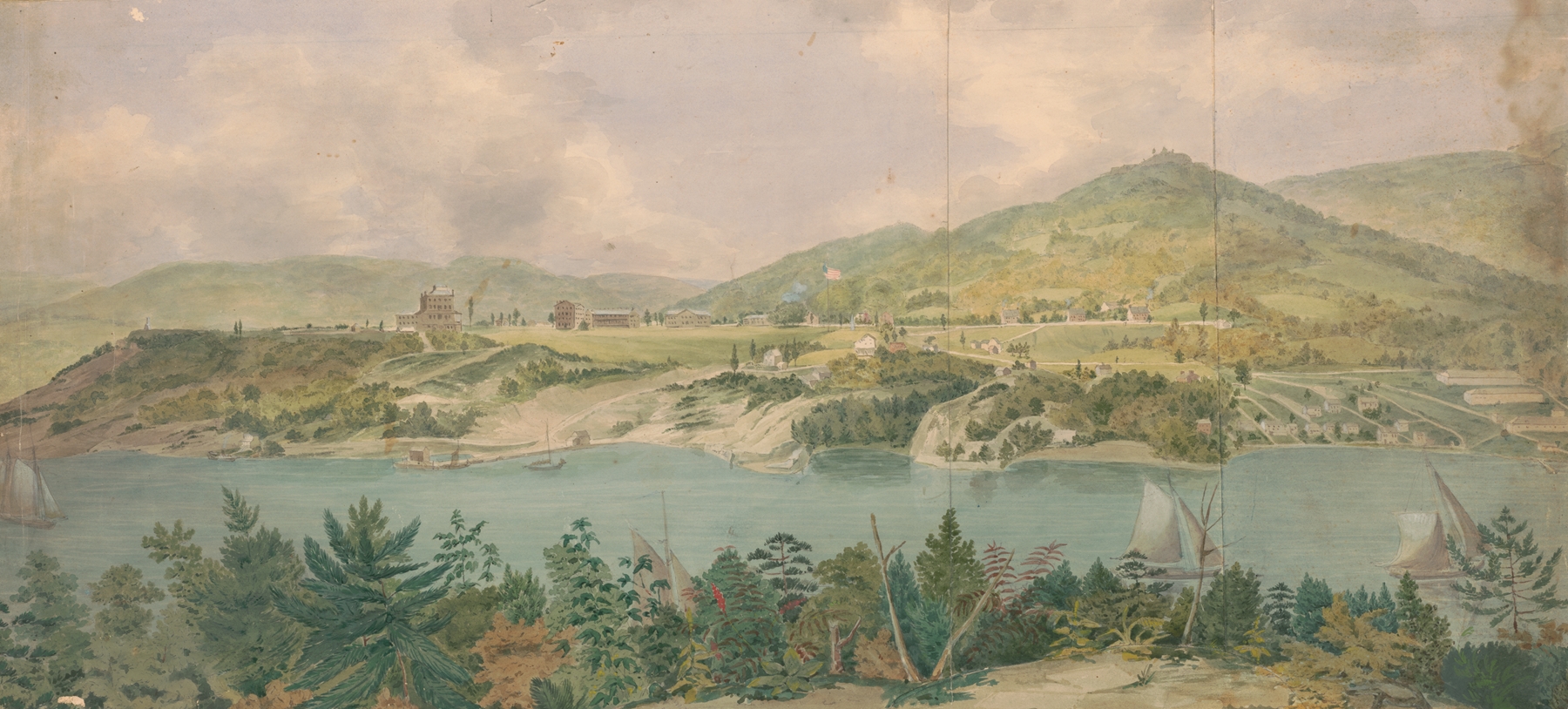
Can beauty exist without sorrow? In Old Boston, John Rubens Smith captures a tranquil moment that invites the viewer to ponder the delicate balance between serenity and the shadows of history that linger in every corner of the city. Look to the left at the soft, rolling hills of Beacon Hill, where the pastel colors of the houses blend seamlessly into the warm embrace of twilight. Notice how the light falls upon the elegantly poised rooftops, casting gentle shadows that stretch into the cobblestone streets below.
The composition creates a sense of depth, guiding the eye through a harmonious interplay of architecture and nature, while the muted palette evokes a quiet nostalgia that envelops the scene. Yet, beneath this calm façade lies a deeper narrative. The contrast between the vibrant life suggested by the blooming trees and the stillness of the vacant streets hints at the stories left untold. Each building, with its intricate details, bears witness to a time when the vibrancy of community thrived, now contrasted by the solitude that envelops the landscape.
This juxtaposition stirs an emotional tension, compelling the viewer to reflect on the echoes of history and the solitude that often accompanies beauty. Smith painted this work in the early 19th century, a time marked by his exploration of American landscapes and urban scenes. Living in Boston, he was directly influenced by the city's transformation and burgeoning identity. As art movements began to emerge, his delicate approach to capturing light and atmosphere placed him at the forefront of the nascent American artistic landscape, blending the tranquility of nature with the vibrancy of urban life.