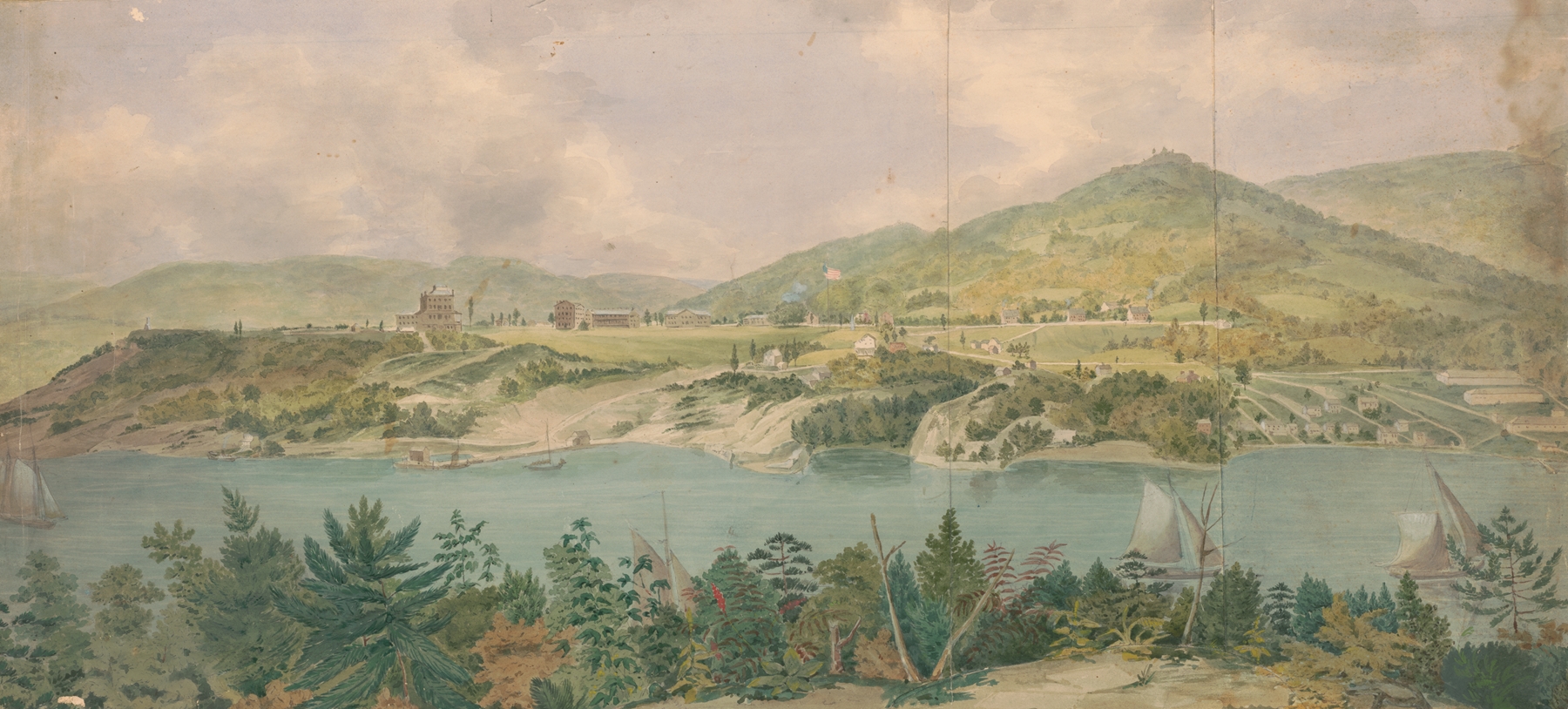
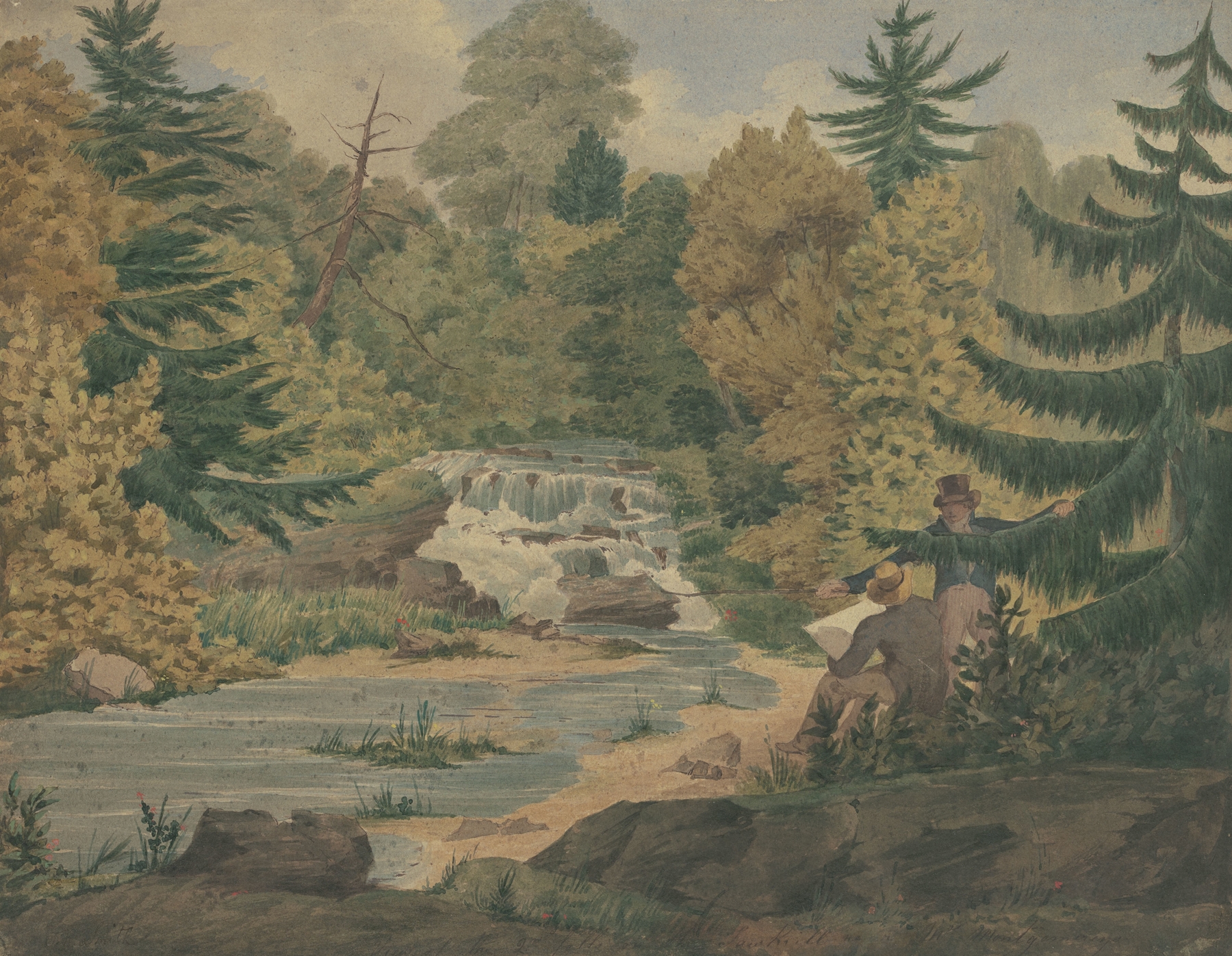
Mount Vernon with outbuildings shown from the far side of the driveway — History & Analysis
What if beauty was never meant to be finished? In John Rubens Smith's work, the essence of destiny unfolds amidst rustic simplicity and the allure of the pastoral. Look to the left at the charming outbuildings nestled against the backdrop of Mount Vernon. The careful strokes reveal a scene bathed in light, where soft hues of green and brown harmonize with the warm tones of the building's façade. Notice how the driveway leads the viewer's eye into the distance, inviting exploration and hinting at stories untold.
Each detail, from the dappling sunlight filtering through the trees to the shadows that dance across the ground, orchestrates a serene yet vibrant composition. There lies an emotional tension between the enduring architecture and the transient quality of nature. The outbuildings, sturdy and unyielding, represent a legacy bound to the land, while the surrounding foliage suggests the passage of time. This contrast of permanence and impermanence evokes a sense of nostalgia and introspection, prompting questions about what it means to leave a mark on the landscape of destiny.
Every brushstroke conveys a longing for continuity amidst inevitable change. Smith painted this piece in 1828 during a period of artistic exploration in the United States, as the country was grappling with its identity and heritage. He was a prominent figure in the American landscape tradition, immersing himself in the representation of iconic sites. At this time, the art world was transitioning, moving away from European conventions to embrace uniquely American themes, and Smith's depiction of Mount Vernon reflects this cultural shift.