West Point from Constitution Island — History & Analysis
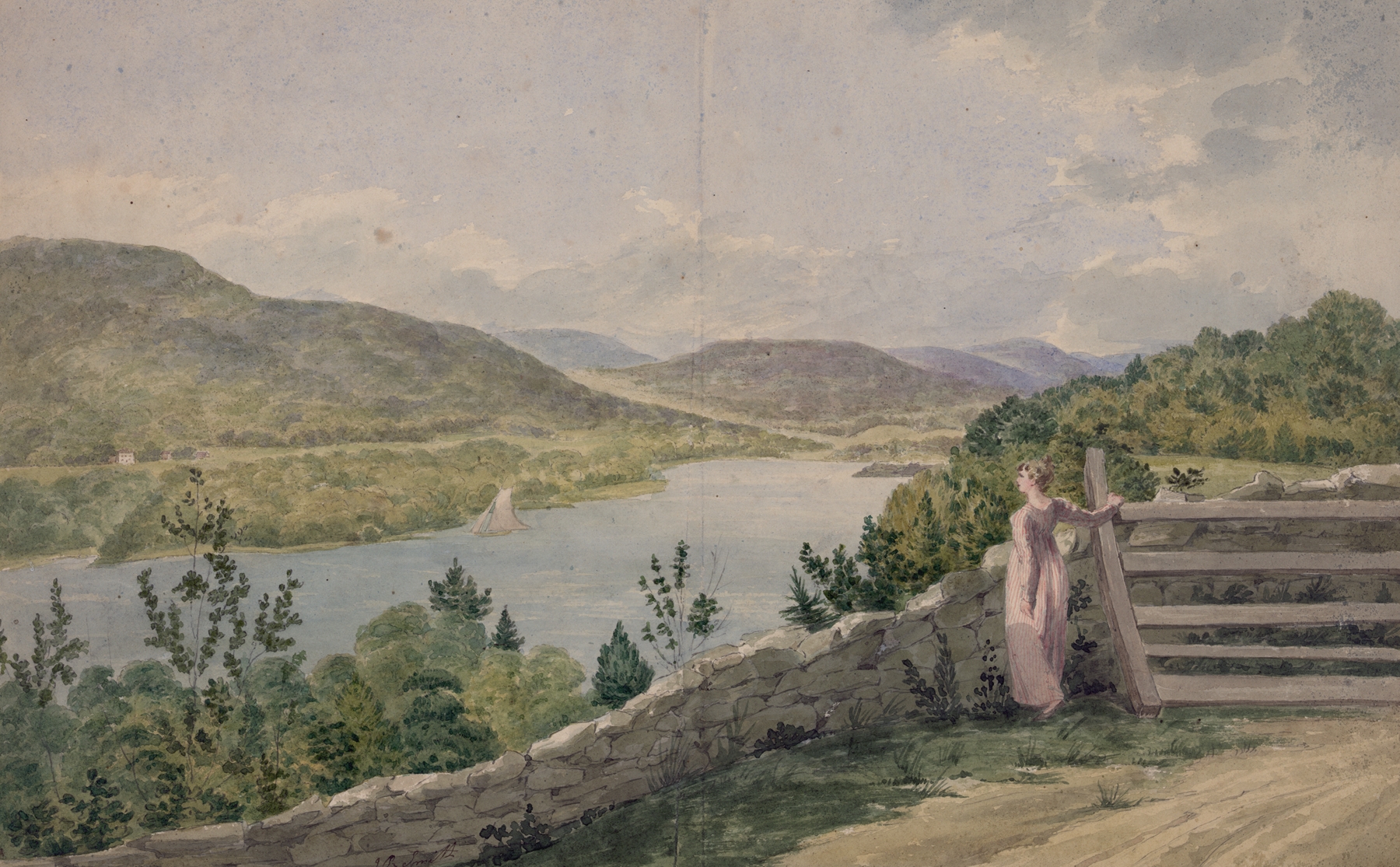
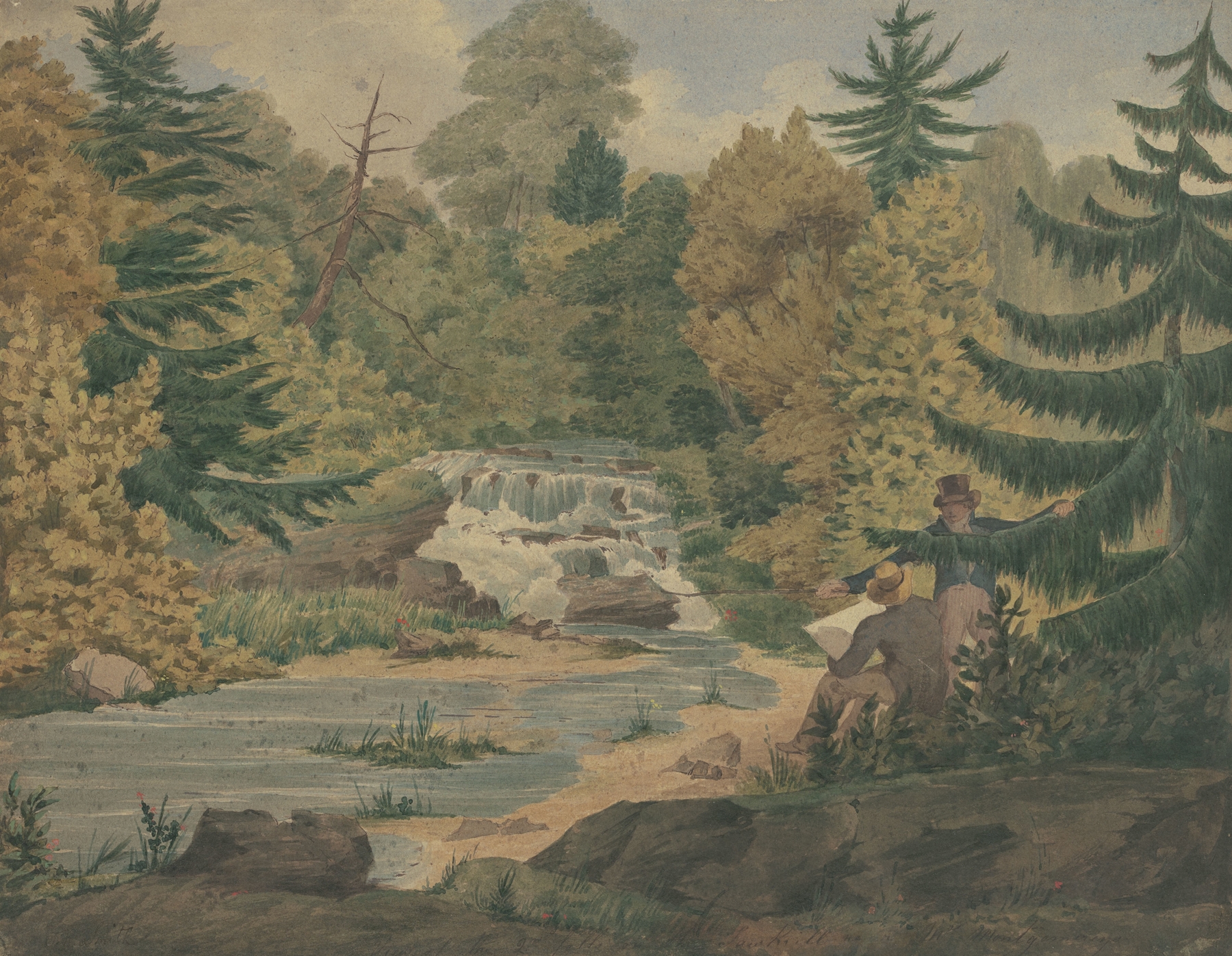
“Sometimes beauty is just pain, disguised in gold.” In the quiet folds of nature, balance emerges as a profound truth—a dance between the serene and the chaotic. Look to the left at the delicate interplay of light and shadow along the water’s edge. The soft blues of the river glide into the warm ochres of the land, creating a harmonious contrast that draws the eye. Notice how the trees, gently swaying, frame the scene in an embrace of green, while the distant fortress, solid and resolute, stands against the expansive sky.
The artist’s choice of color and careful composition invites contemplation, guiding the viewer’s gaze towards the confluence of nature and man-made structure. Beneath the tranquil surface lies a deeper interplay of contrasts. The imposing presence of West Point symbolizes strength and resilience, yet it exists in delicate balance with the surrounding wilderness. The calm water reflects not just the sky, but also the harmony between humanity and the natural world, suggesting that even the most formidable institutions are rooted in the beauty of their landscapes.
Each brushstroke carries the weight of history and emotion, whispering of the struggles that have shaped this iconic view. Created in 1820, this work emerged during a time when John Rubens Smith was deeply engaged with the American landscape movement. While settled in New York, he sought to capture the essence of the burgeoning nation’s identity through its natural beauty and architectural landmarks. This period was marked by an increasing fascination with the American landscape as a symbol of both progress and continuity, reflecting the complex relationship between civilization and nature.