Old Quarantine Station, mouth of the Schuykill — History & Analysis
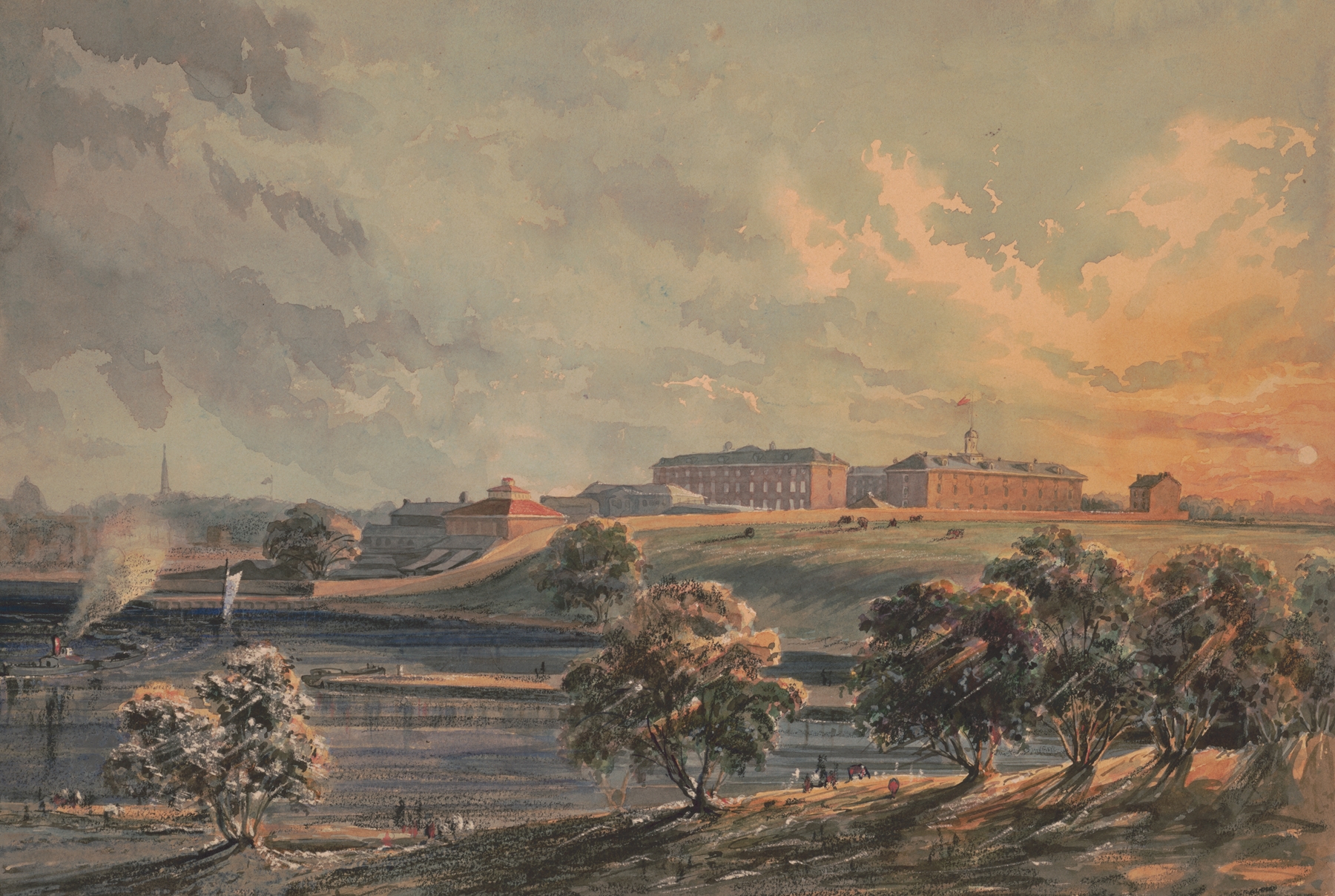
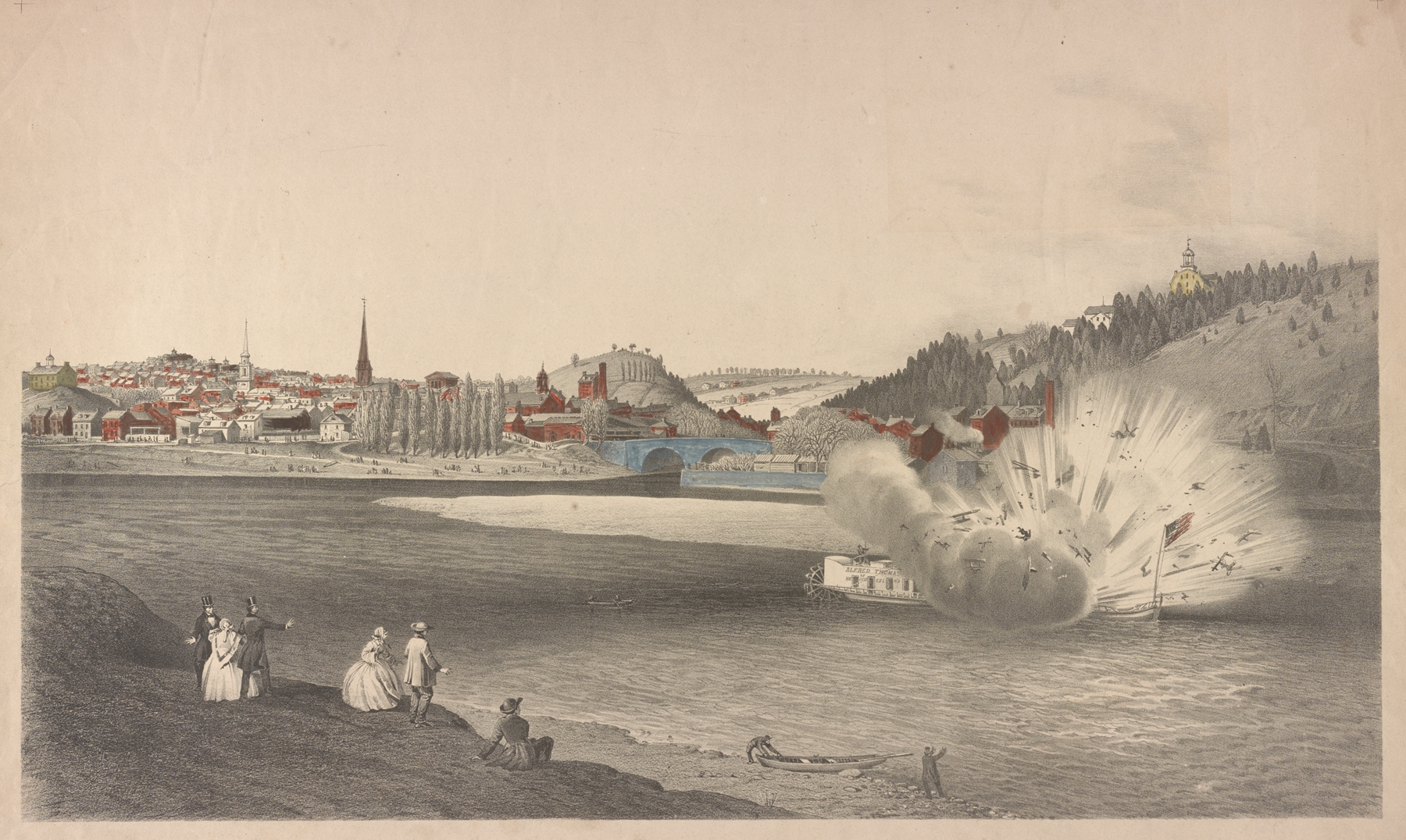
What secret hides in the quiet of the canvas? The stillness of a bygone era evokes a profound sense of faith, as if the painted whispers of the past beckon us to listen. Look to the left at the crumbling structure, its weathered stone walls telling tales of countless souls who passed through its gates. The muted earth tones contrast sharply with the lush greenery surrounding the station, symbolizing the life and hope that thrives even amid decay.
Notice how the soft light dances across the surface of the water, reflecting the vibrant blues of the sky—an interplay that draws your eye toward the horizon, suggesting both an escape and a return to something sacred. The juxtaposition of the old quarantine station and the flourishing landscape speaks to the tension between confinement and the spirit of freedom. Here lies a sanctuary steeped in history, where moments of despair mingled with the flickering flame of perseverance. Each brushstroke captures an emotional weight, urging contemplation on the fragile balance between safety and the longing for connection.
In 1857, when this piece was created, the artist found himself immersed in the shifting tides of American art, grappling with the tension between realism and romanticism. Living in Philadelphia, Queen painted at a time when the country was on the brink of change, with societal challenges pushing artists to explore deeper themes of human experience. This work reflects both his personal reflections and the broader narrative of a nation in transition.