On the Rhine — History & Analysis
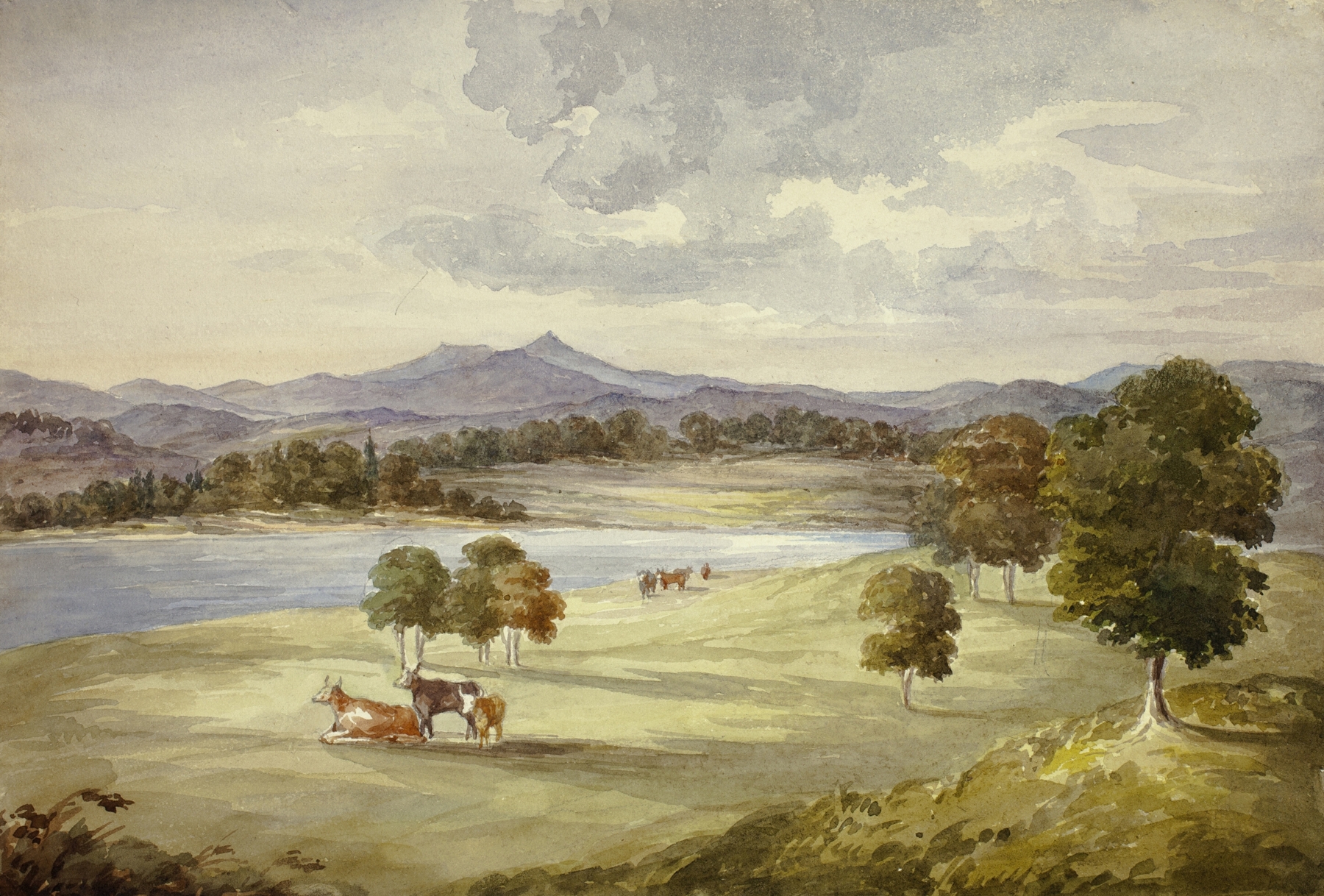
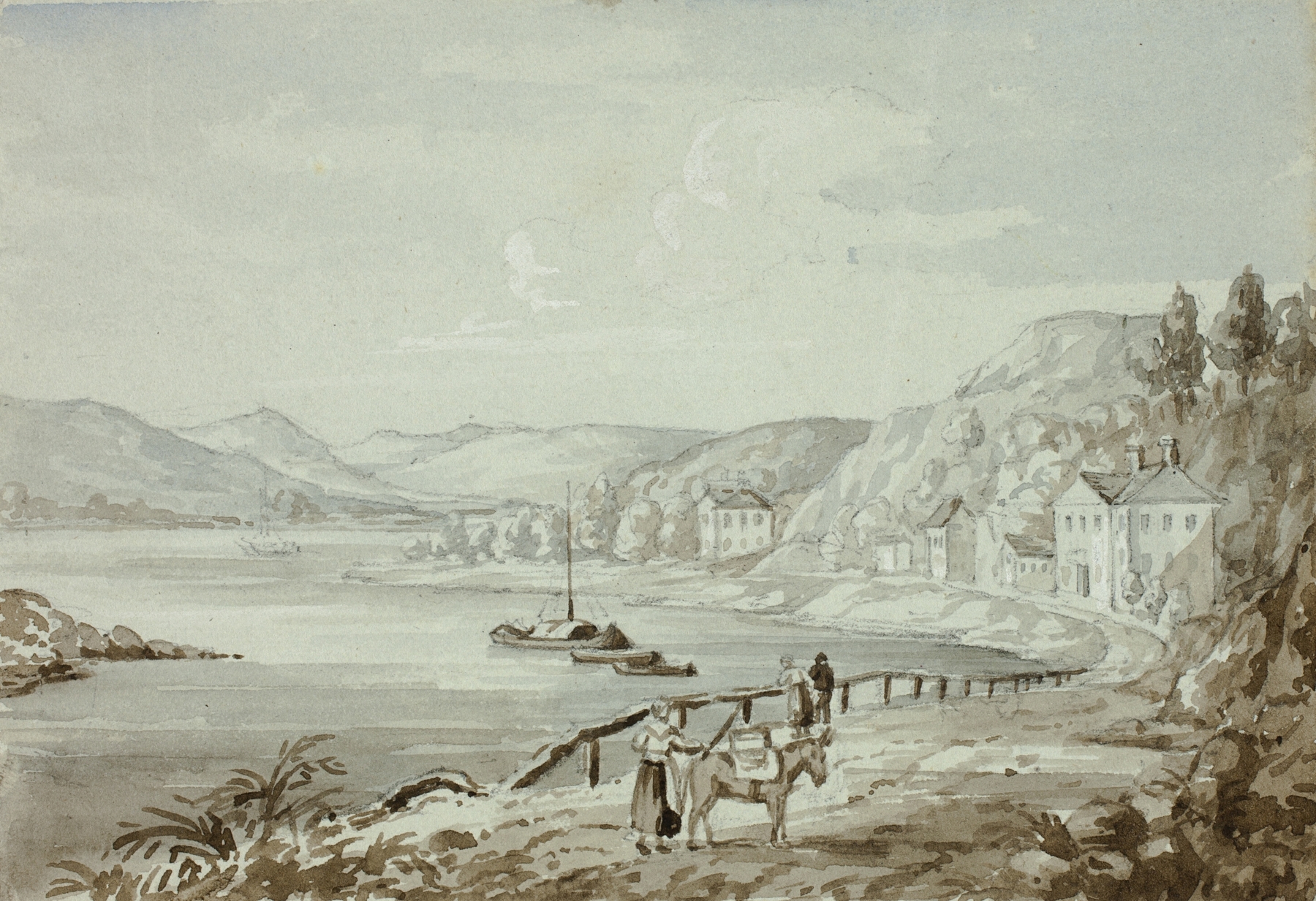
Can beauty exist without sorrow? Elizabeth Murray's On the Rhine evokes a poignant yearning, inviting viewers to explore the depths of emotion entwined in serene landscapes. Look to the left at the shimmering waters of the Rhine, where gentle waves ripple under a pale, sunlit sky. The artist employs soft, pastel hues that merge seamlessly, radiating a sense of harmony and tranquility.
The warm light bathes the scene, highlighting the delicate brushstrokes that evoke both movement and stillness in the flowing river, while hints of greenery frame the composition. A small boat, barely visible on the horizon, adds an element of human presence, grounding the ethereal beauty in tangible reality. Yet, beneath this idyllic veneer lies a tension—the juxtaposition of nature’s calmness against the restless yearning that the landscape elicits. The distant mountains, shrouded in mist, suggest obstacles or longings unfulfilled, while the looming sky whispers of unspoken stories.
Each element invites contemplation: the merging of colors reflects a world where joy and sorrow coexist, urging the viewer to confront their own yearnings amidst the beauty. In 1841, Elizabeth Murray created On the Rhine during a period of personal and artistic exploration, living in Germany among the burgeoning Romantic movement. The work stands at the intersection of deep emotional experiences and the evolving landscape painting genre, marking a time when artists sought to capture the sublime essence of nature intertwined with human emotion.