Pastoral scene — History & Analysis
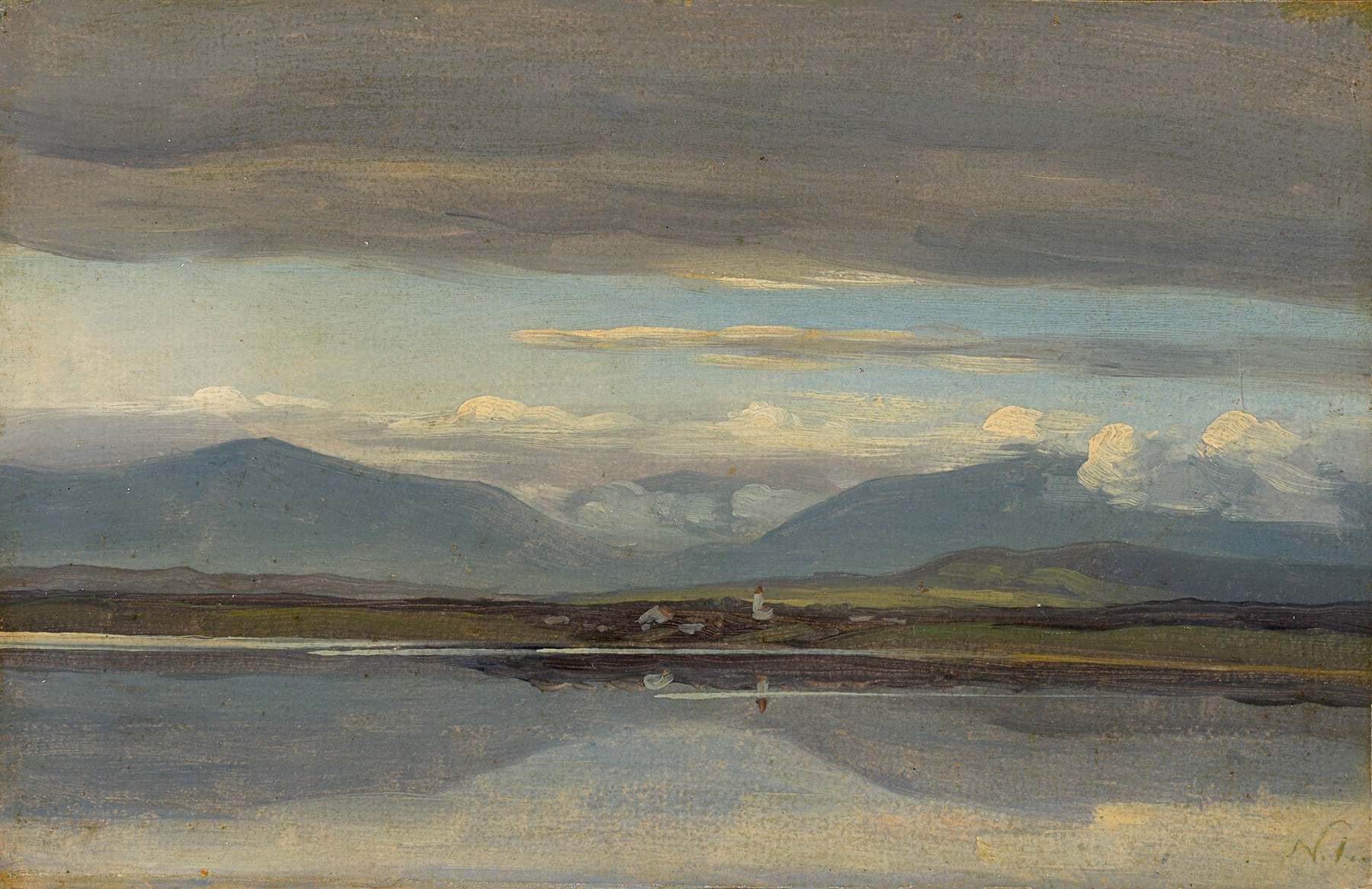
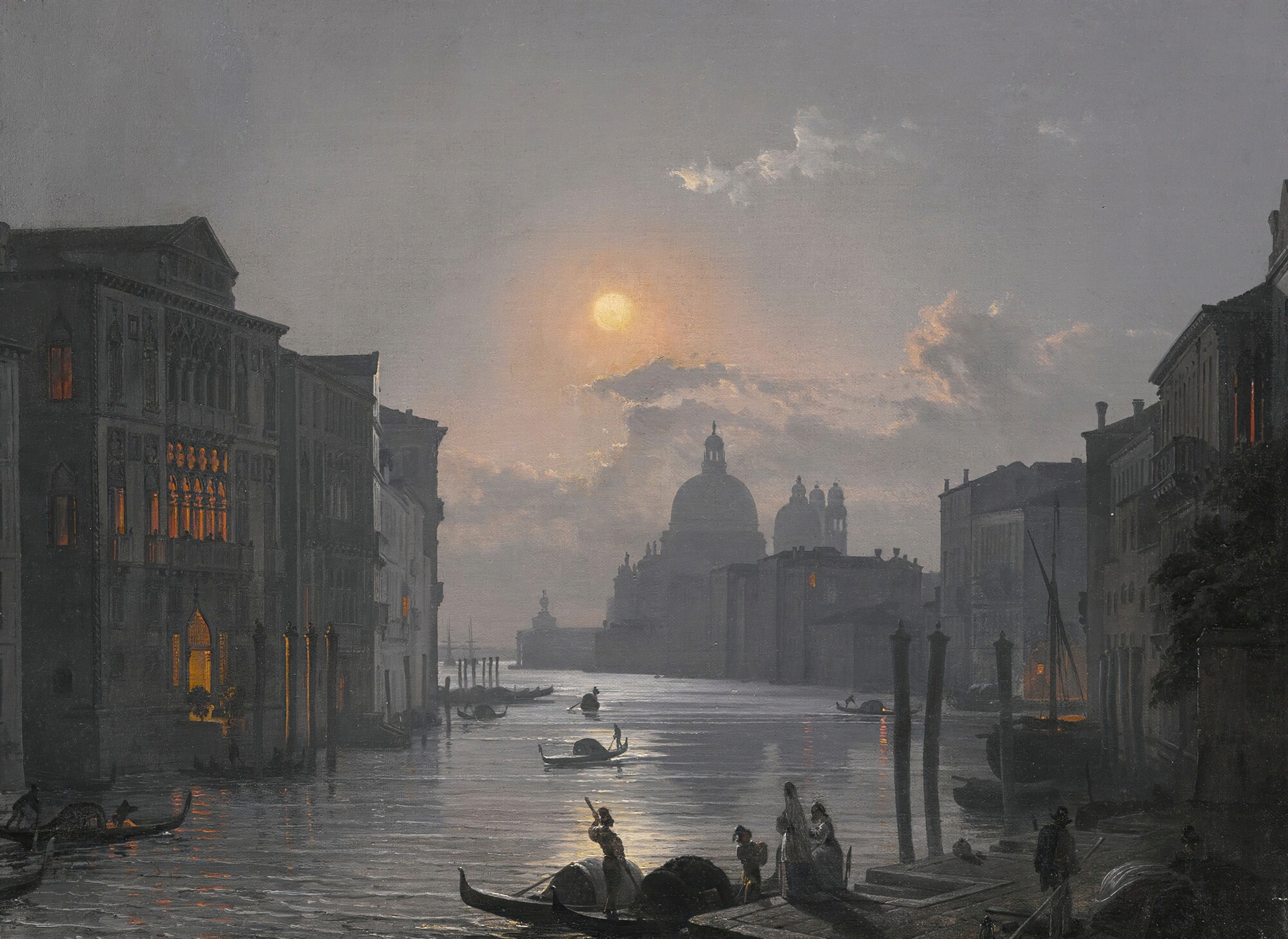
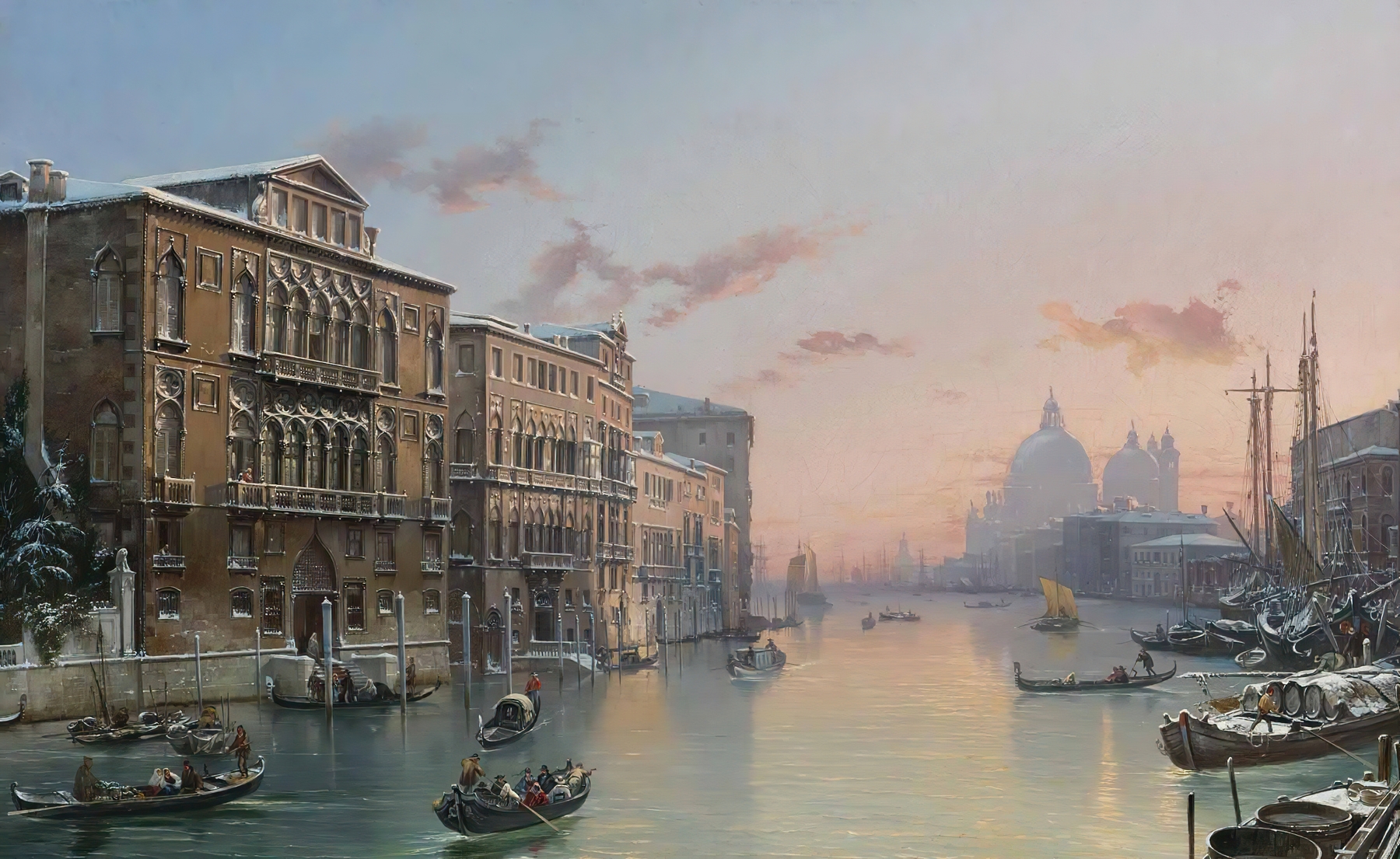
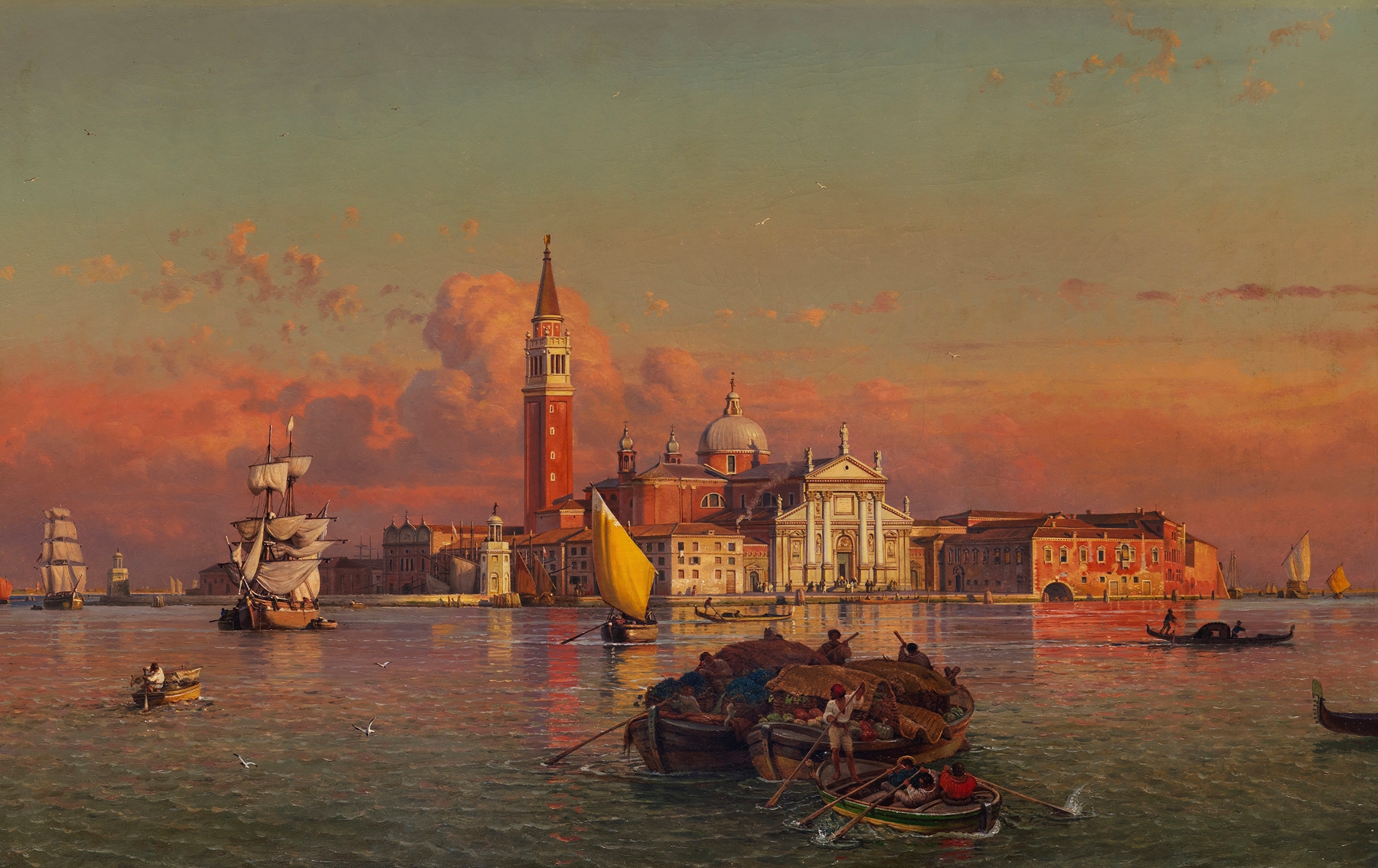
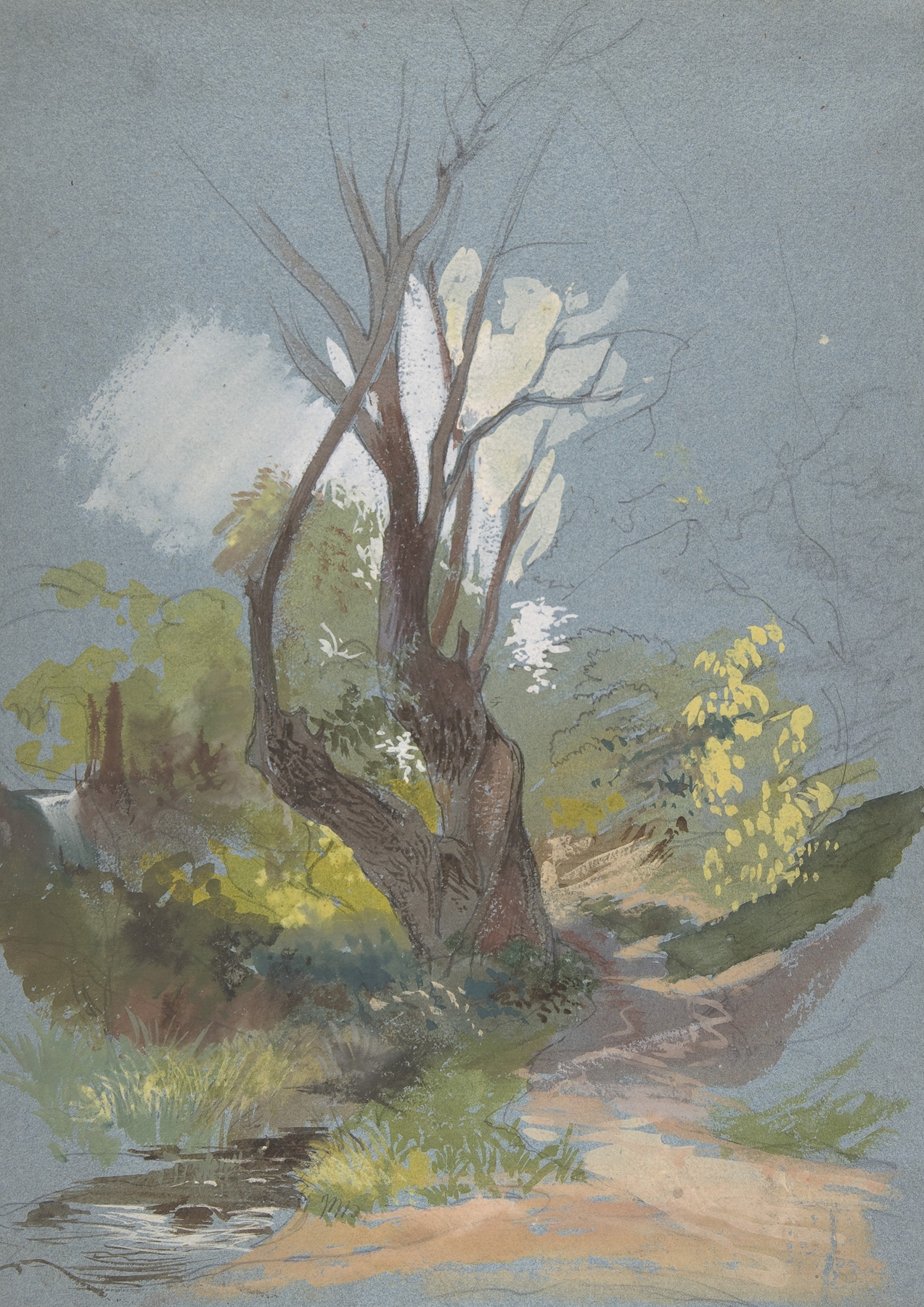
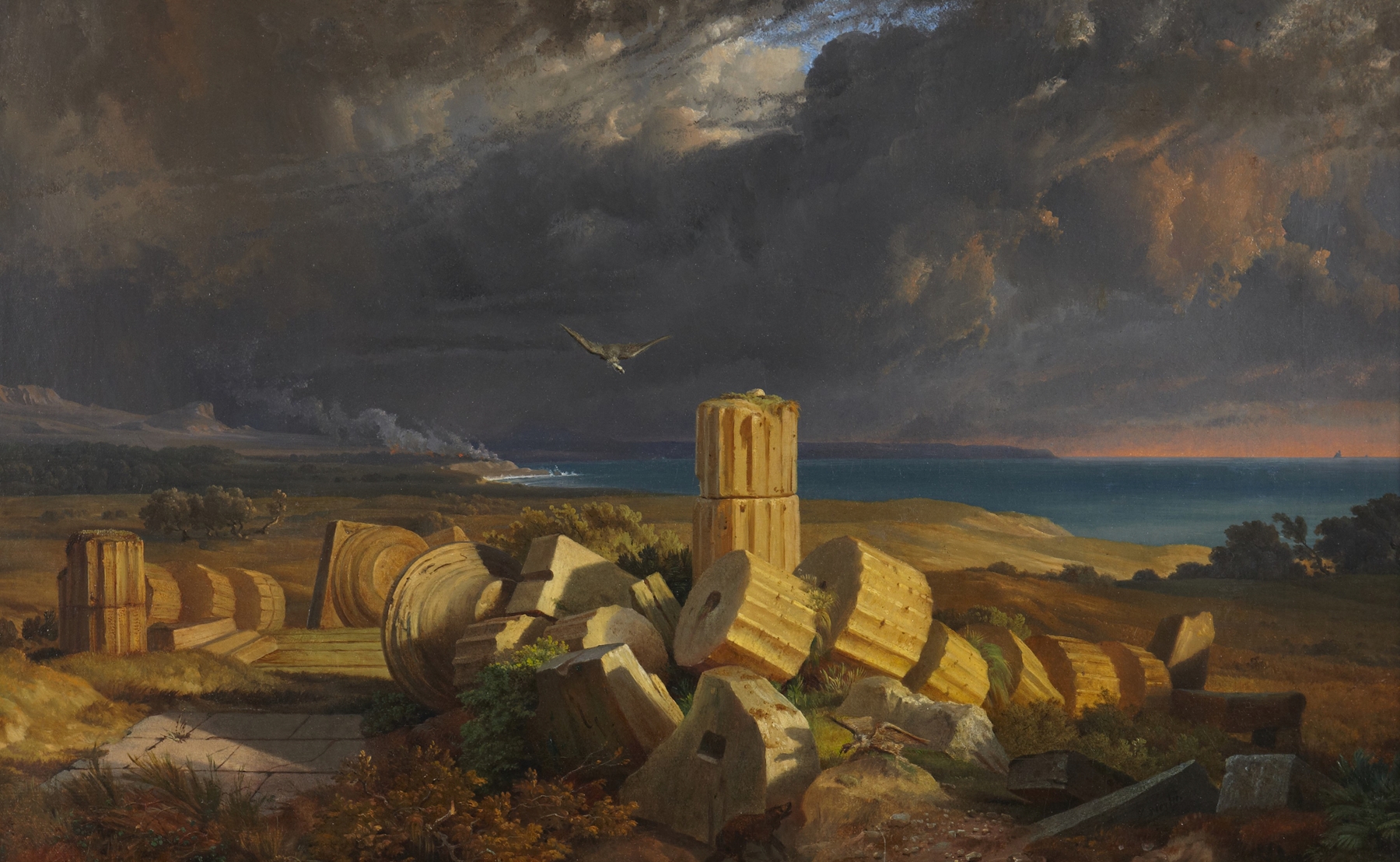
What if beauty was never meant to be finished? In a world where every fleeting moment is a reminder of mortality, the essence of life resonates through stillness. Notice how your gaze is drawn to the gentle undulations of the landscape, where soft greens and earthy browns intermingle under a tender sky. Focus on the figures — a couple strolling hand in hand along a narrow path, their backs turned, as if inviting you into their serene world. The light dances softly across the canvas, illuminating the foliage and casting delicate shadows that hint at the passage of time.
Each tree and blade of grass seems alive, whispering secrets of a reality both tranquil and transient. The emotional tension lies in the juxtaposition of the idyllic setting against the inevitable decay that encroaches upon beauty. The figures, seemingly lost in their moment of joy, contrast with the distant horizon that fades into muted blues and greys, suggesting an unseen end. It prompts reflection on the ephemerality of happiness, a celebration of the present that is forever haunted by what is to come.
The meticulous brushwork evokes a sense of urgency in preserving this moment, reinforcing the notion that even paradise is but a fleeting illusion. In 1827, Friedrich von Nerly painted Pastoral scene during a period when Romanticism was flourishing across Europe. He was immersed in the artistic dialogue surrounding nature, emotion, and the sublime, as he sought to express profound feelings through landscape. At this time, von Nerly was exploring the interplay between reality and idealism, capturing the delicate balance between beauty and transience that defines the human experience.