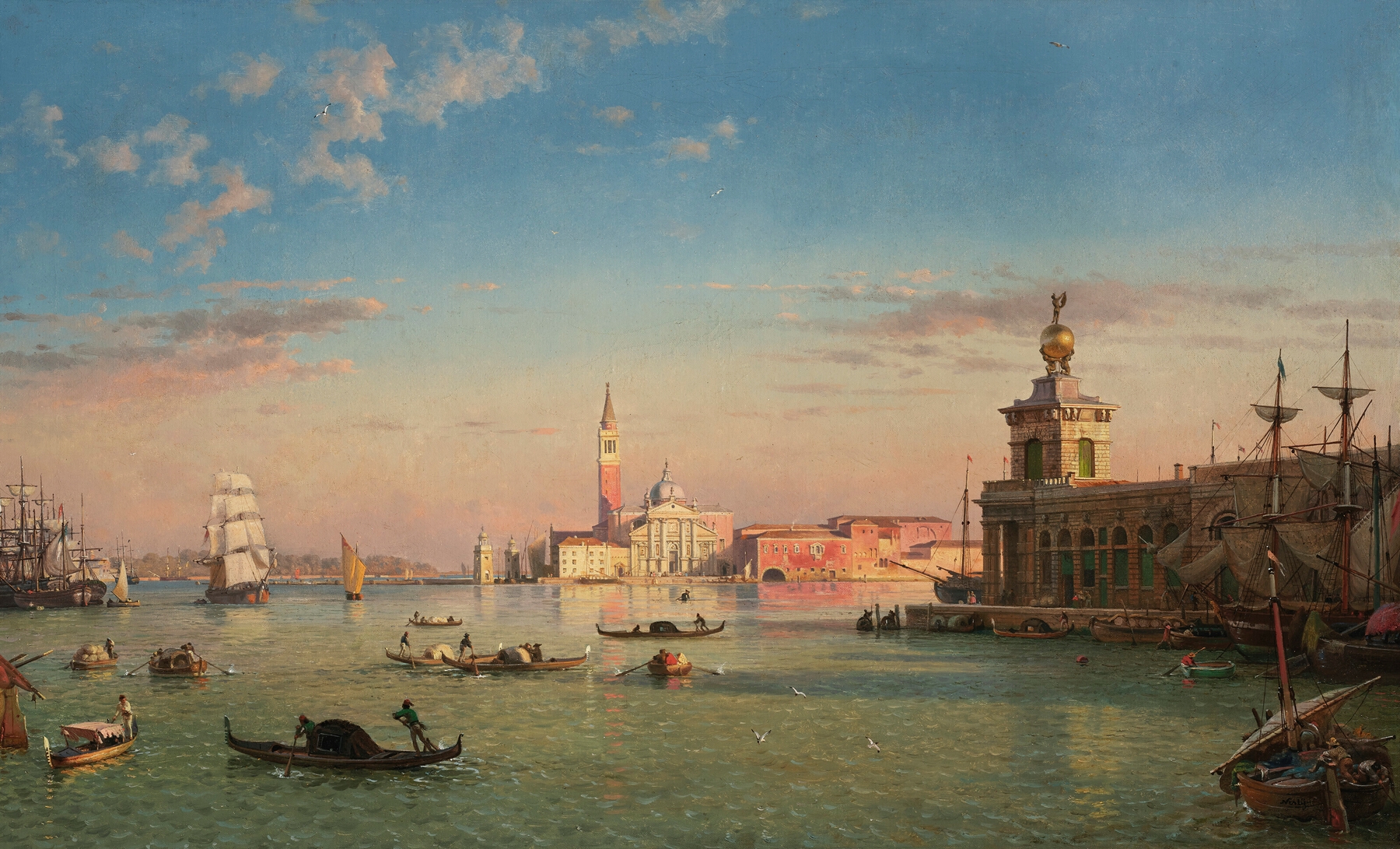
The Doge’s Palace and the Piazzetta di San Marco with a View of the Grand Canal and Santa Maria Della Salute Beyond — History & Analysis
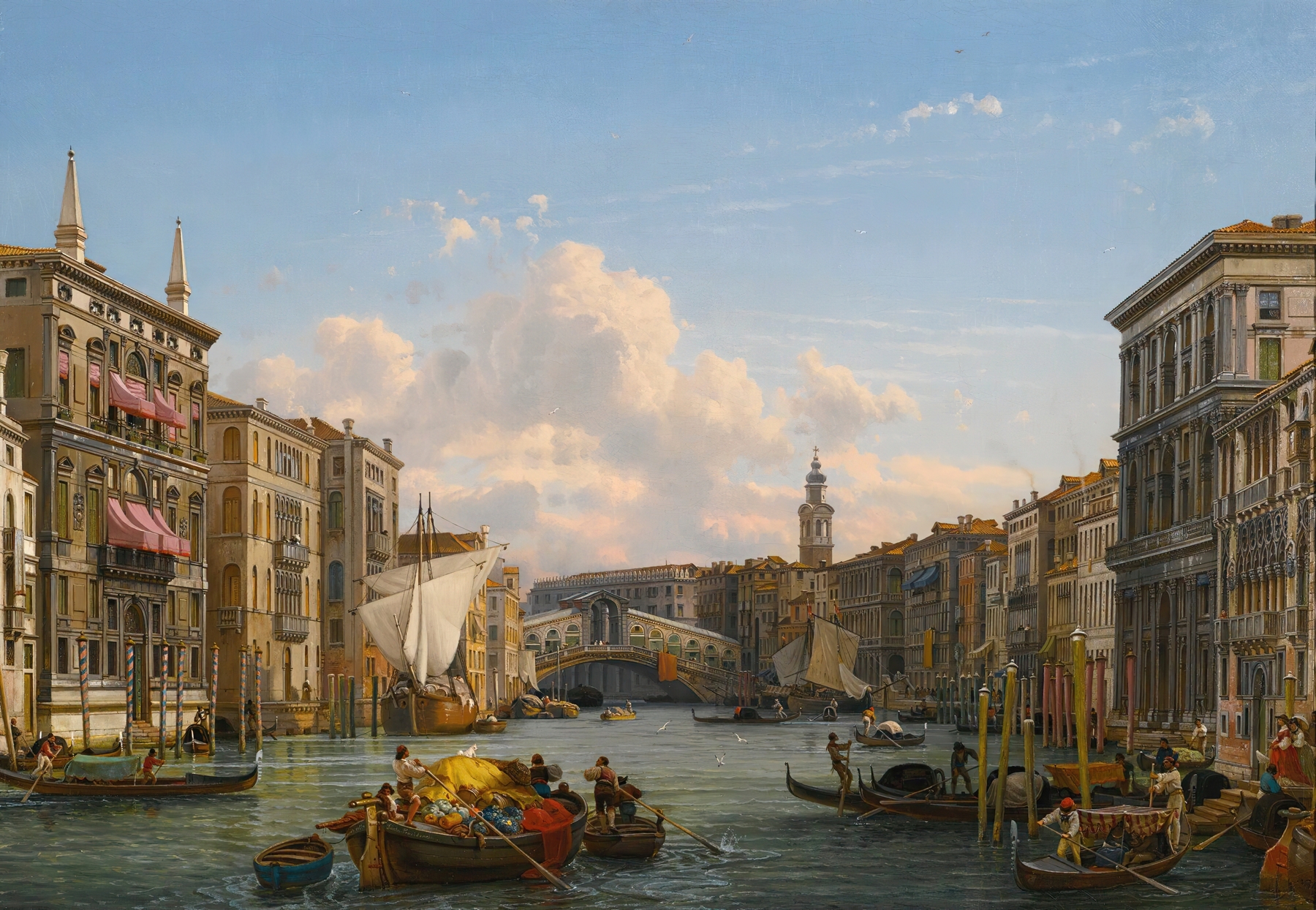
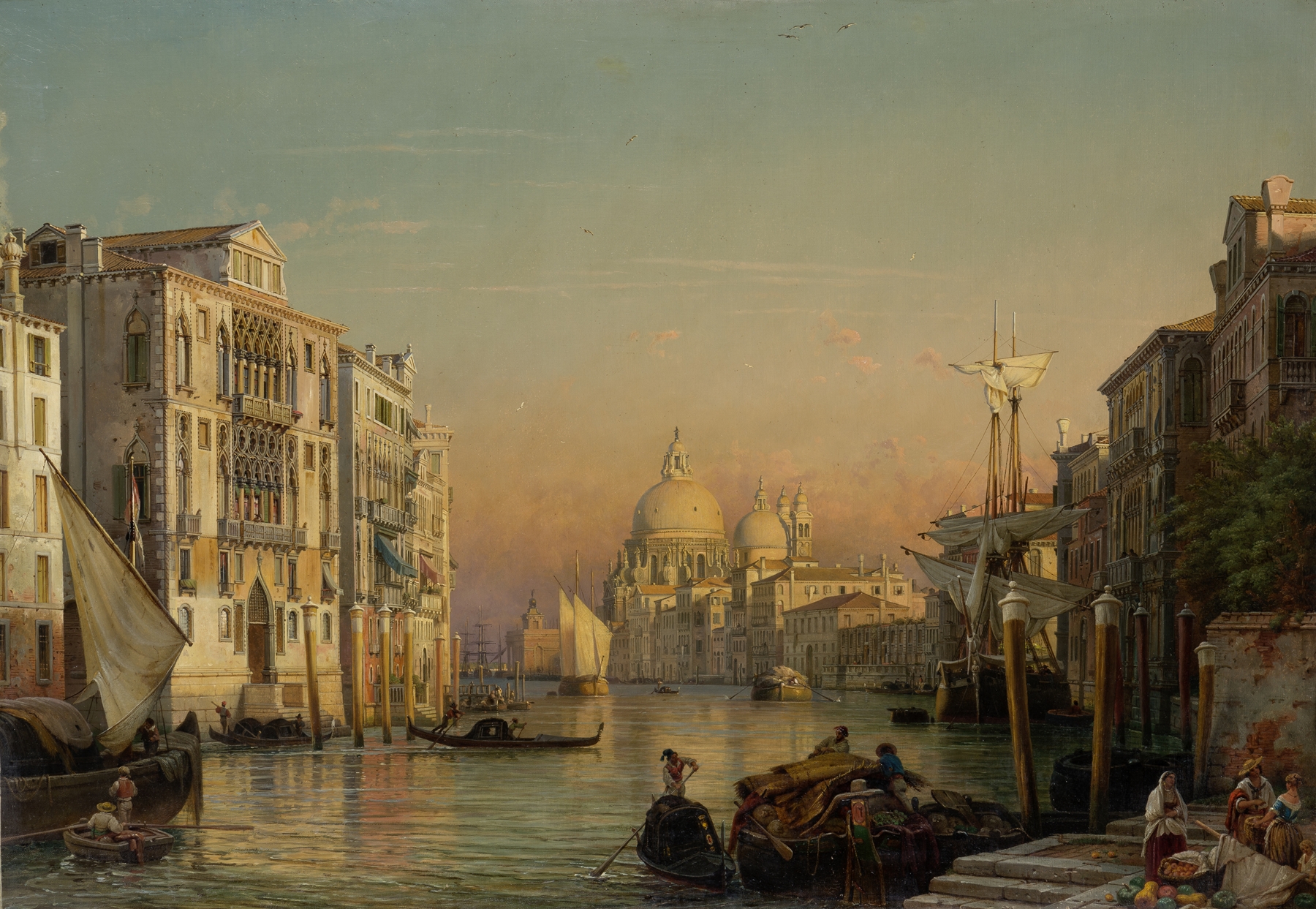
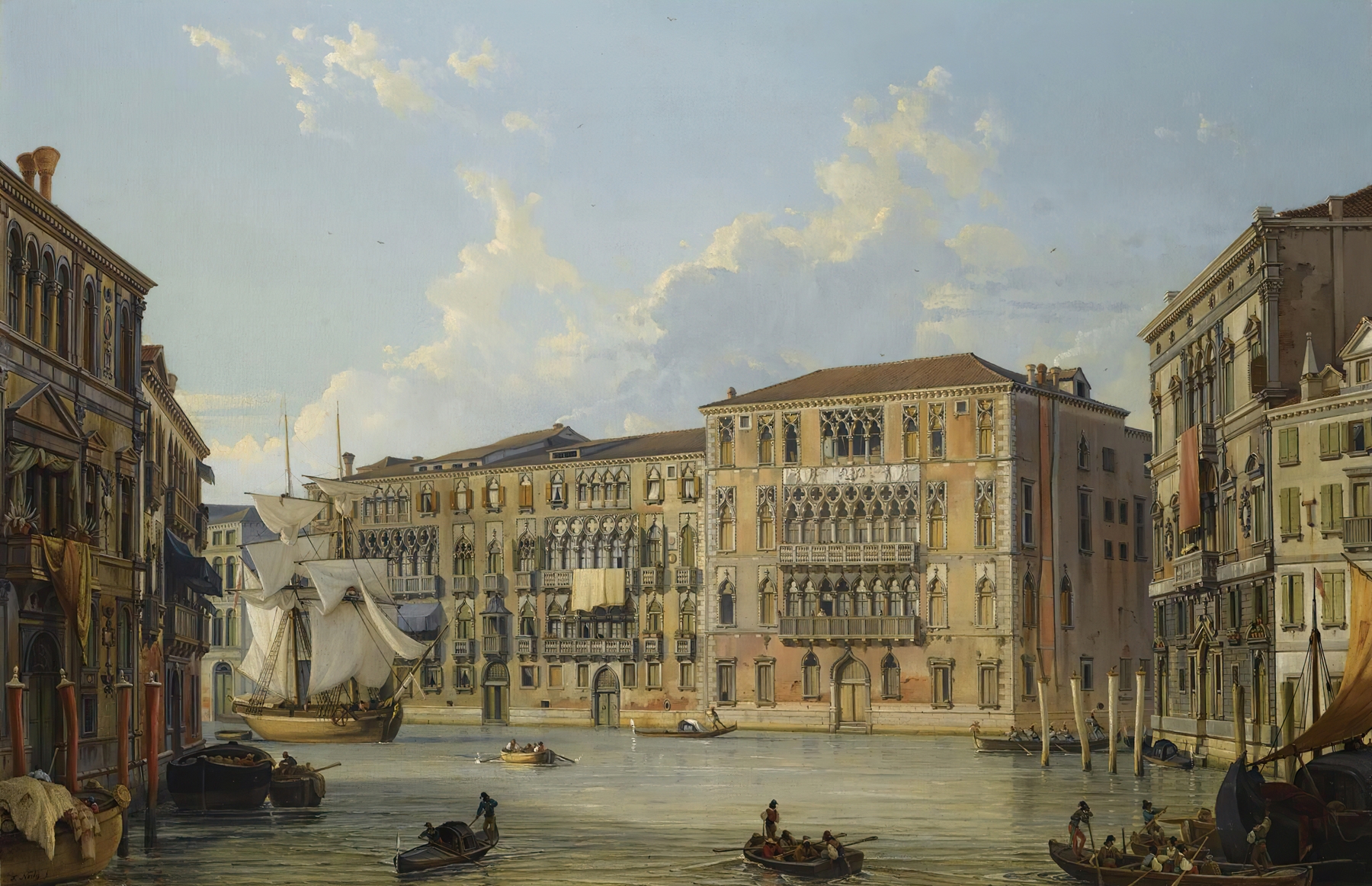
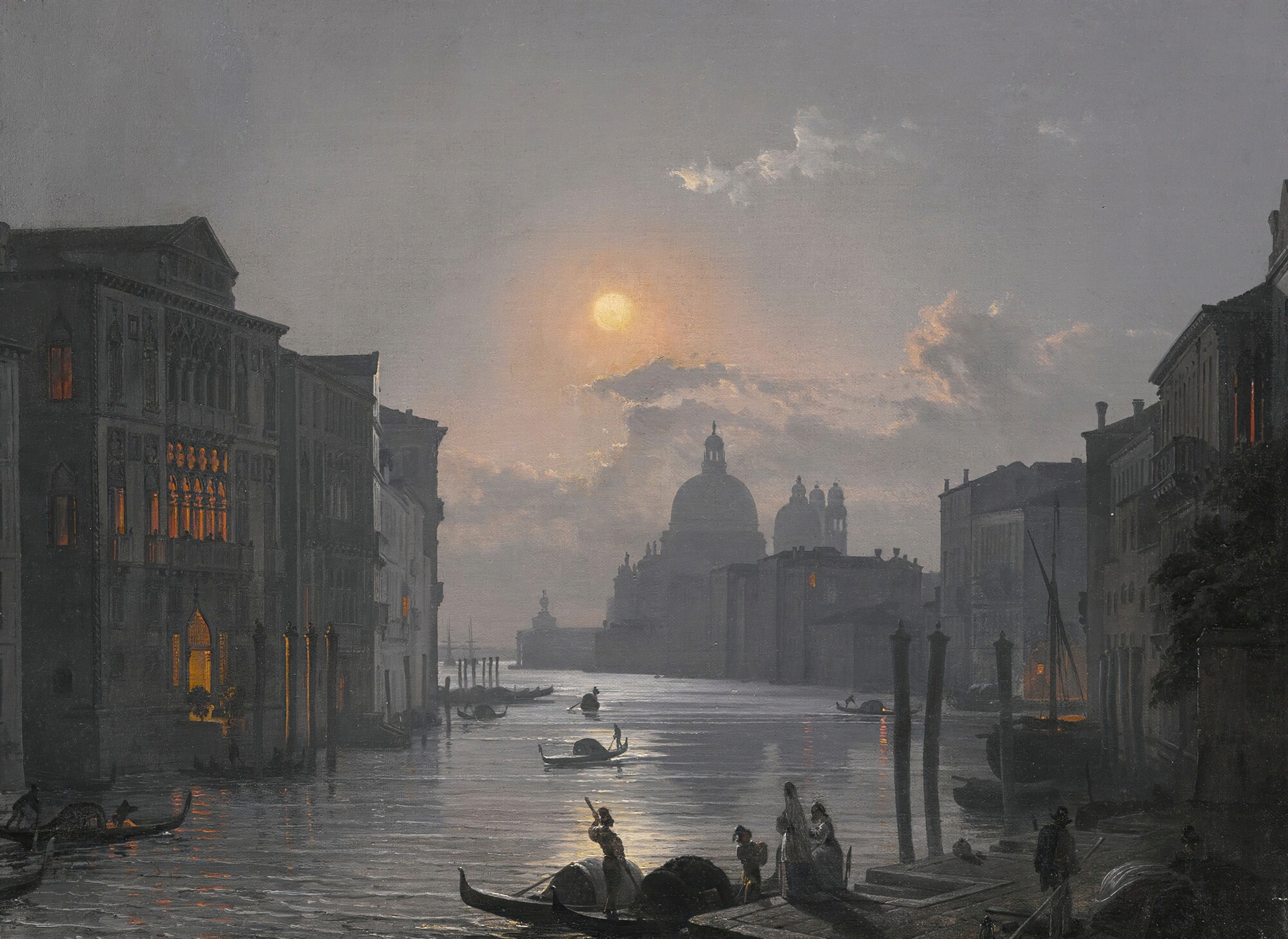
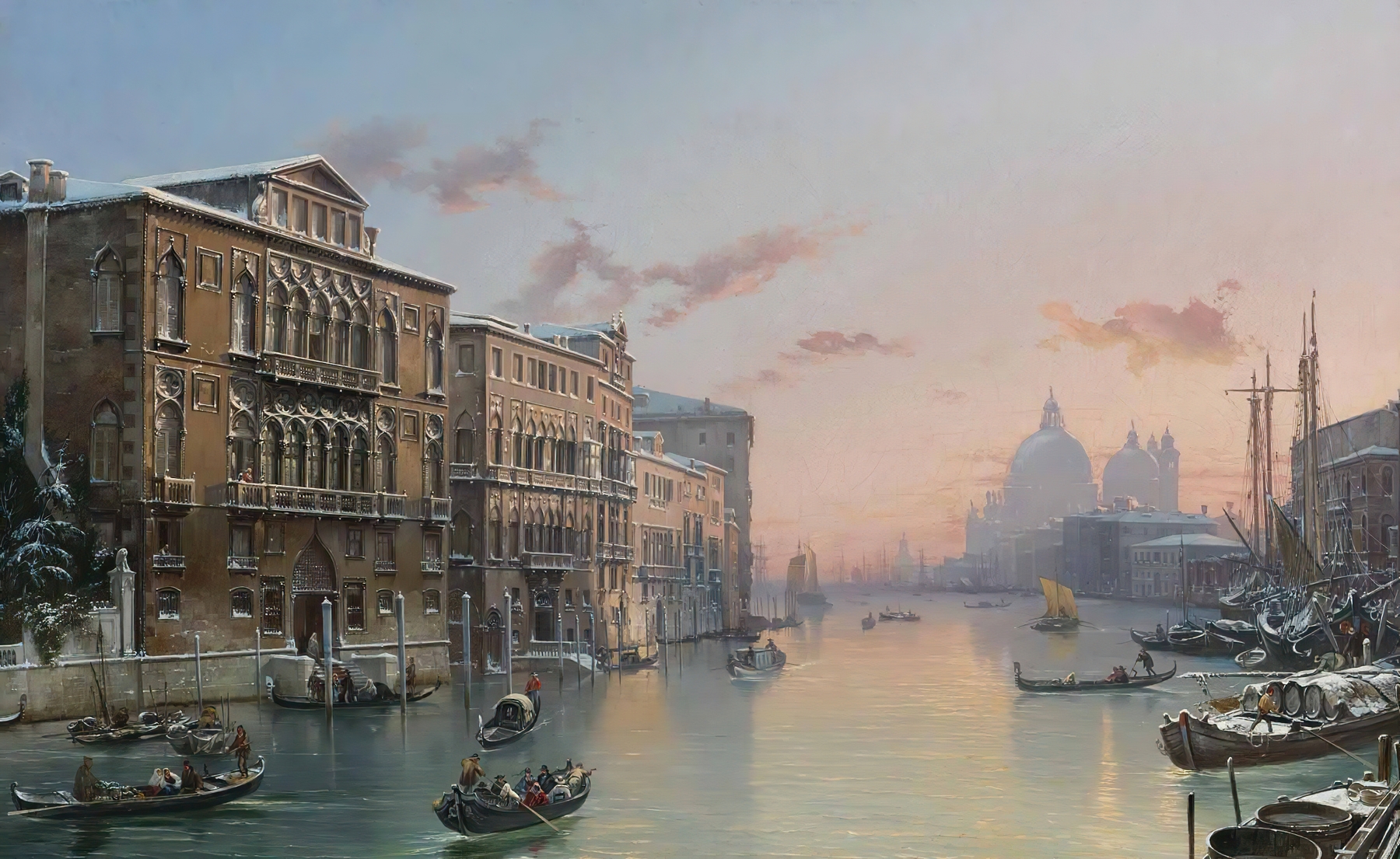
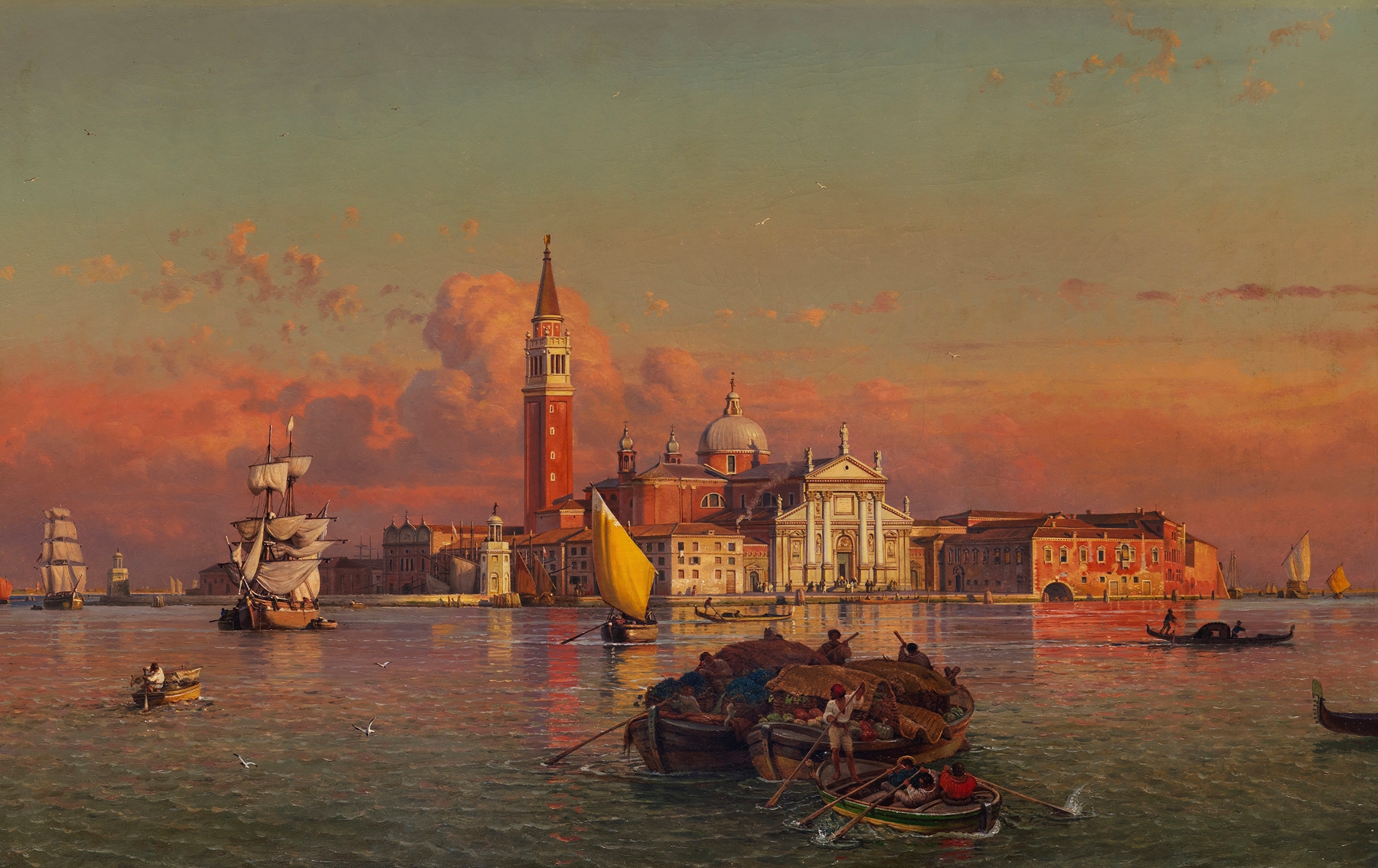
“Art reveals the soul when the world turns away.” In the delicate embrace of Friedrich von Nerly’s The Doge’s Palace and the Piazzetta di San Marco with a View of the Grand Canal and Santa Maria Della Salute Beyond, we find a canvas that transcends mere representation, inviting contemplation of faith amidst architectural grandeur. Look to the left at the Doge’s Palace, its intricate Gothic architecture standing as a testament to Venice’s opulence. Notice how the warm hues of the setting sun bathe the scene, casting a golden glow that dances upon the surface of the Grand Canal. The shimmering water reflects the grand facades, while the distant silhouette of Santa Maria Della Salute creates a sense of depth and spiritual resonance, drawing the eye deeper into the heart of the city.
Beneath the surface, the painting speaks of contrasts: the permanence of stone against the transience of water, the ethereal light juxtaposed with the solemnity of the structures. Each brushstroke captures not only the physical but also an emotional landscape, suggesting a dialogue between faith and the human experience. The tranquility of the scene belies the bustling life of Venice, inviting viewers to pause and reflect on the significance of their own beliefs amid the chaos of existence.
Created in 1841, this work emerged during a time when von Nerly was deeply engaged with the romantic sensibilities of the era, exploring themes of nostalgia and spirituality. Painting in Venice, he was immersed in a city rich with history and artistic legacy, as the world around him began to transition through the tides of modernity. In this moment, von Nerly crafted a serene homage to the unwavering spirit that defines both Venice and its people.