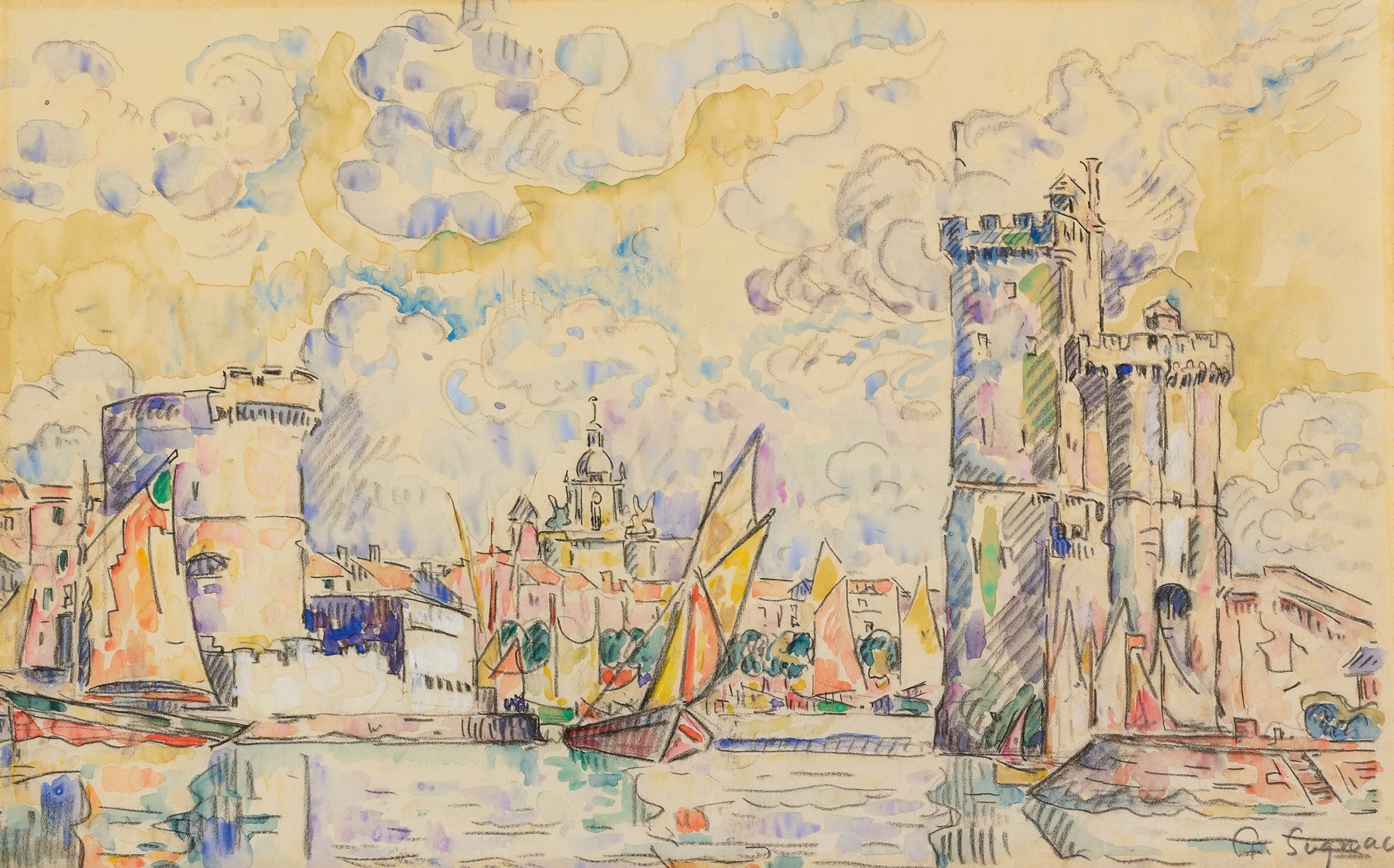
Port De La Rochelle — History & Analysis
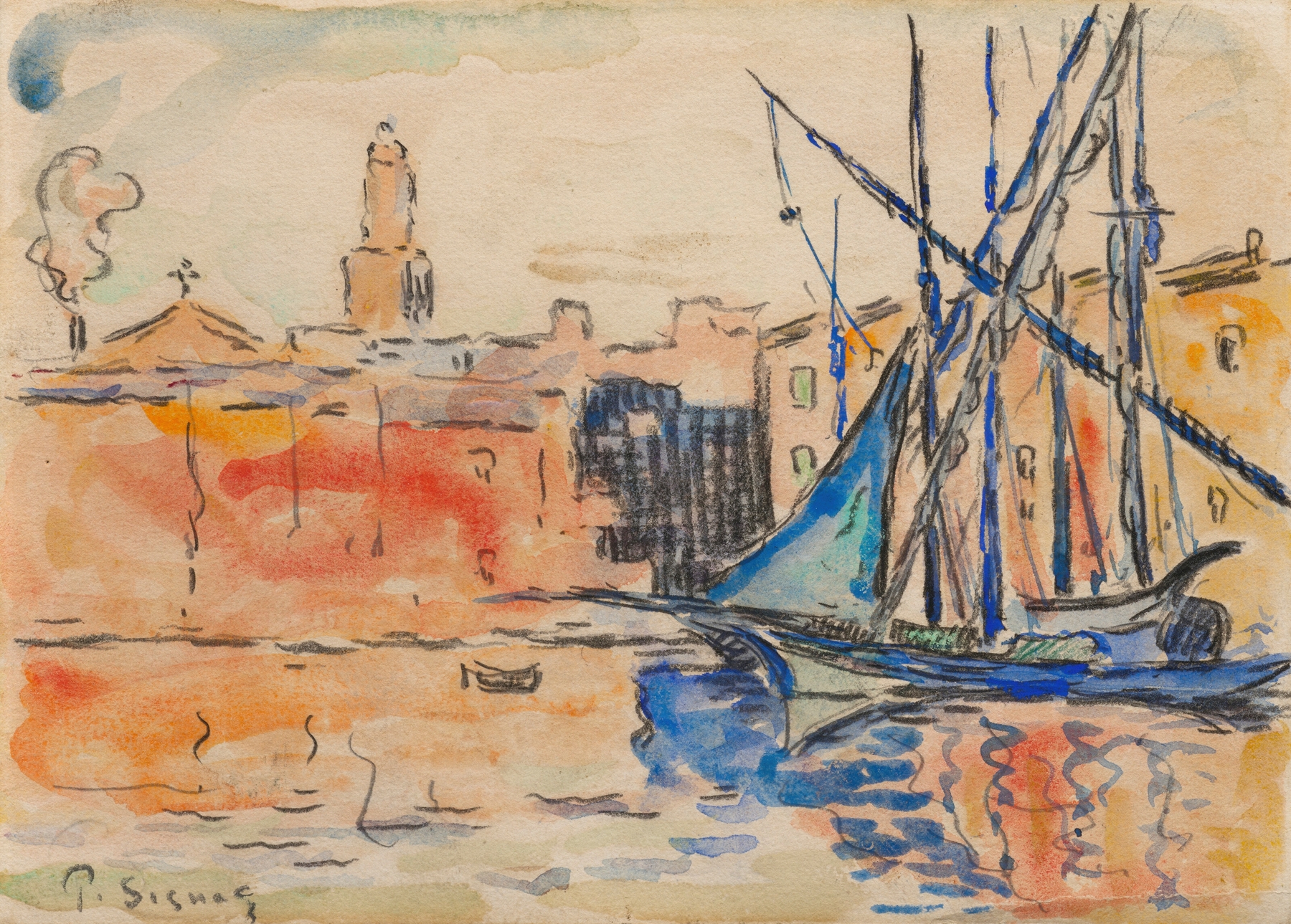
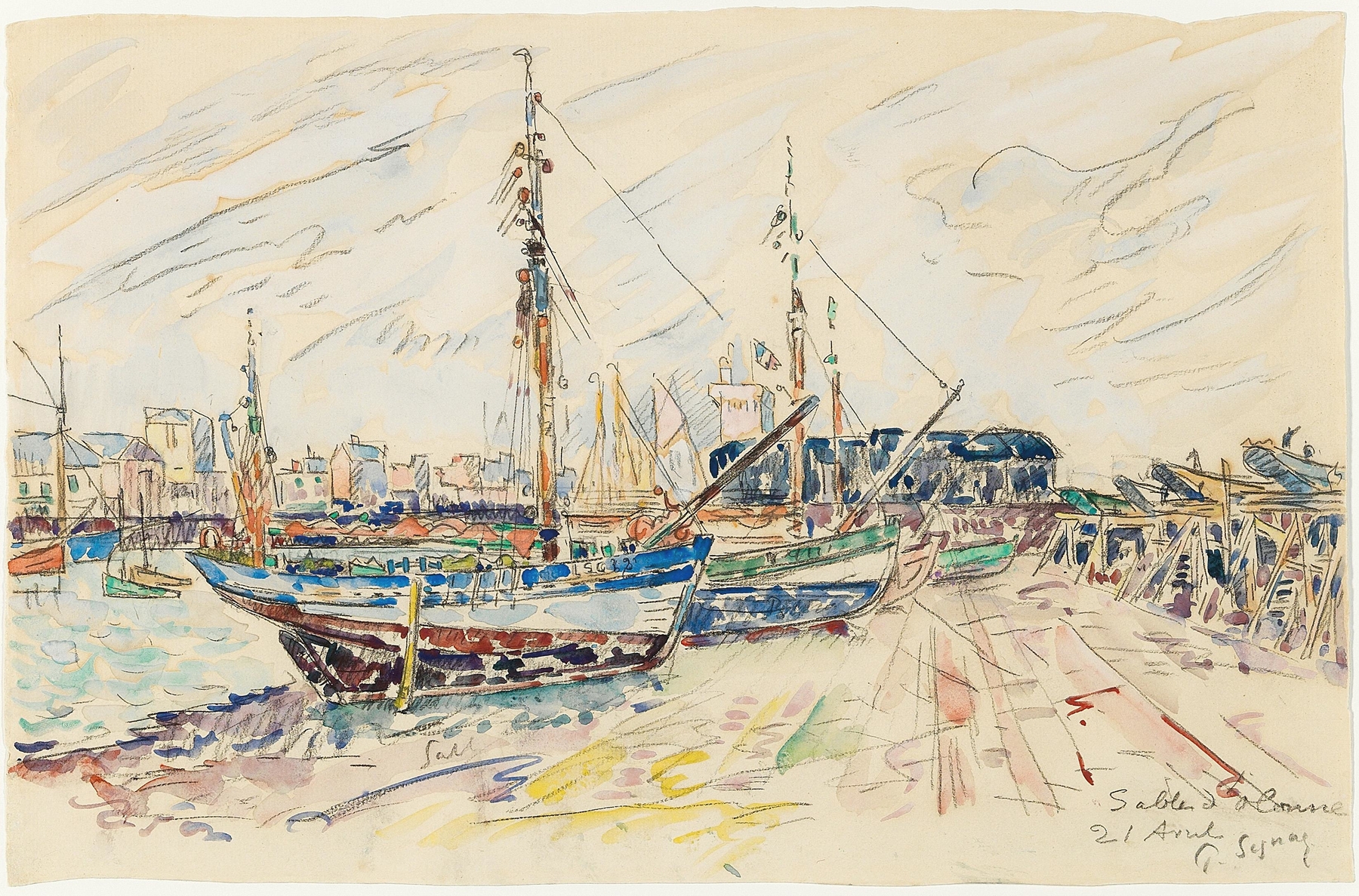
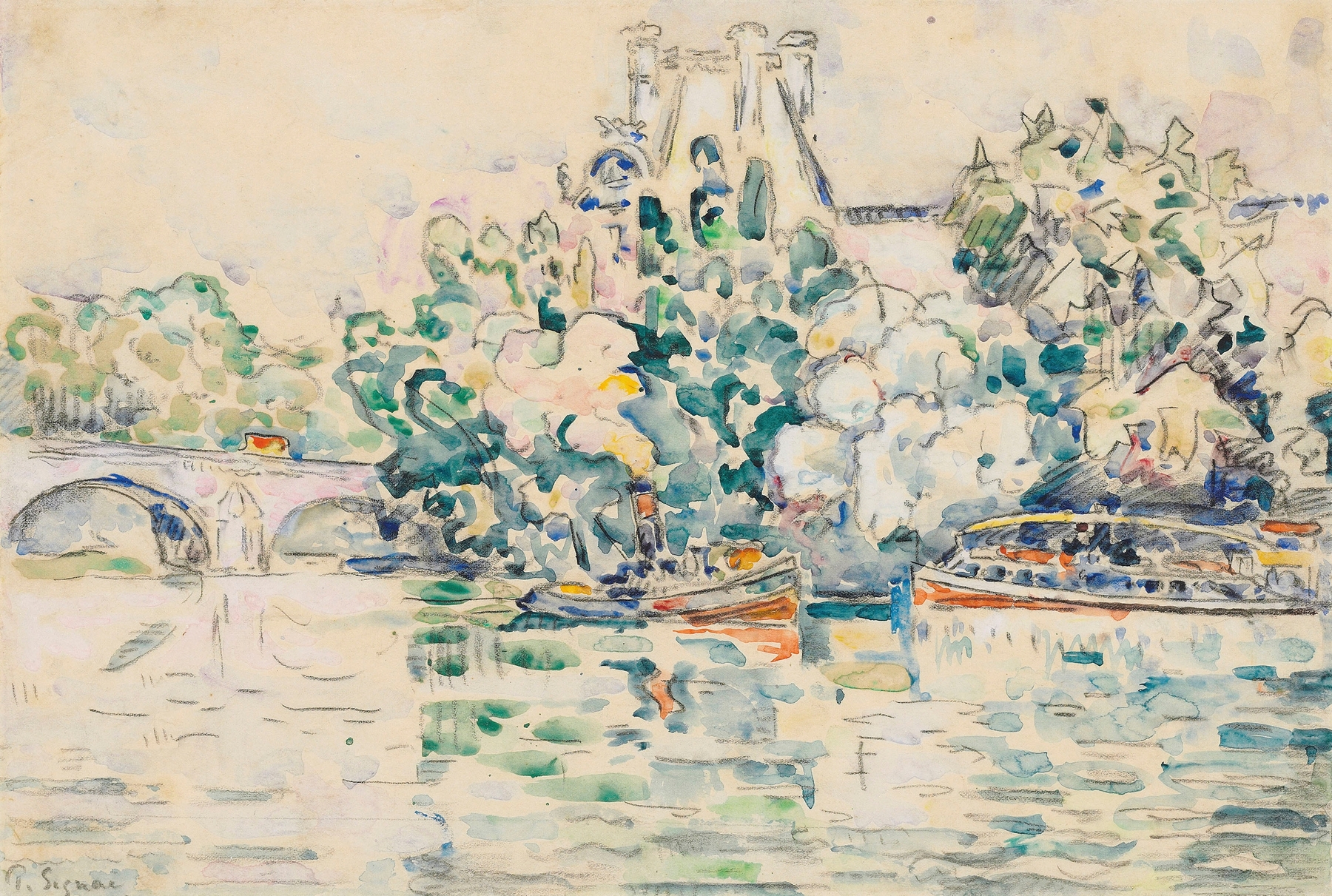
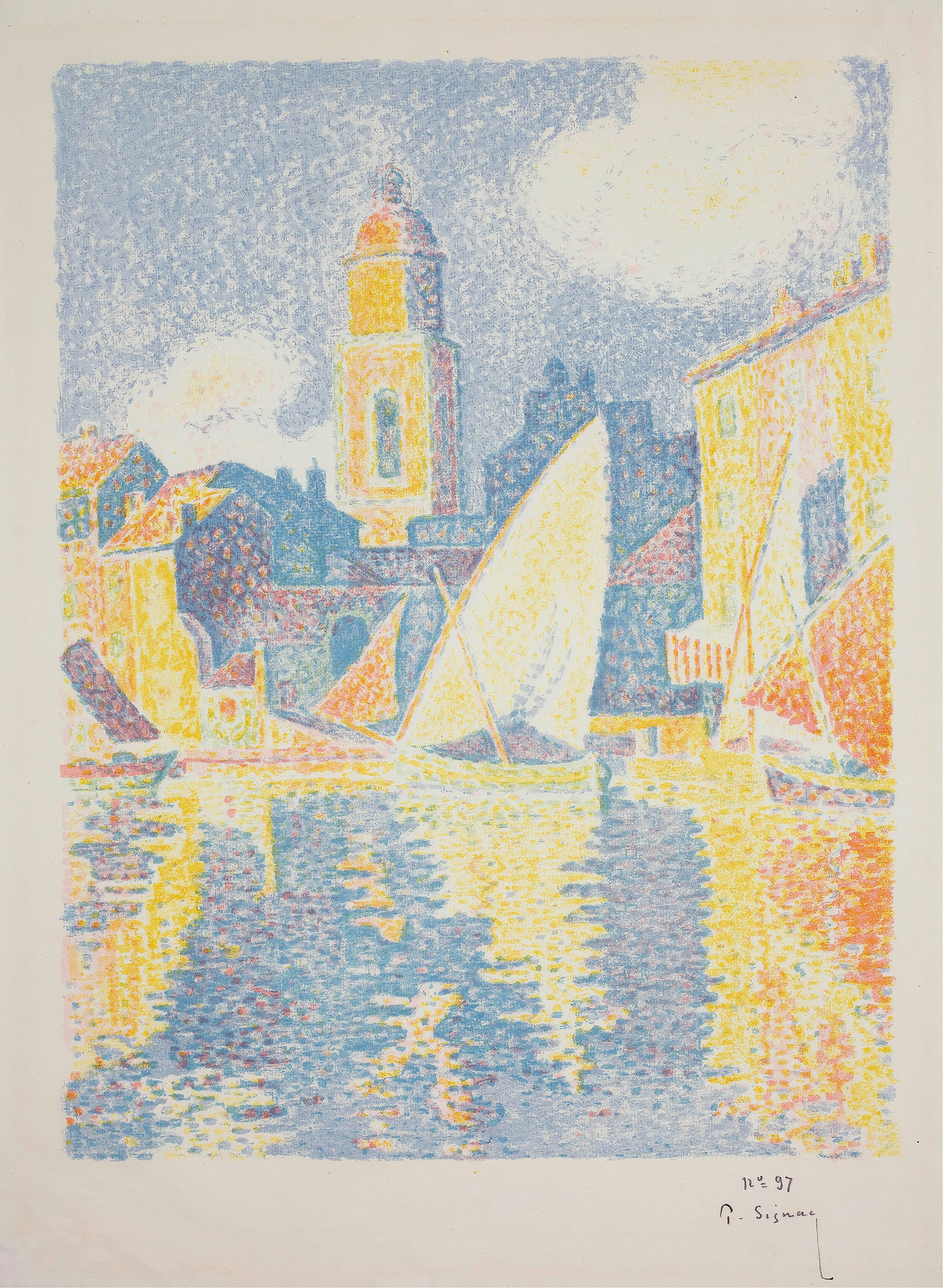
Could a single brushstroke hold eternity? In the vibrant world of color and form, loneliness whispers through the interplay of light and shadow, revealing a deeper narrative behind the canvas. Your eyes should first gravitate to the soft blues and greens gently mingling in the water, where the ripples create a sense of movement, almost as if the scene breathes. Notice the sharp, angular strokes of the boat's hull, contrasting the fluidity of the sea, while the distant shoreline emerges through dabs of color, creating a feeling of both sanctuary and isolation.
Each stroke of paint conveys a fragment of a moment, yet invites you to linger—a gentle reminder of the quiet beauty in solitude. Delve deeper into the layers of this piece. The starkness of the boats, anchored yet restless, speaks to the internal struggles of the human spirit. The horizon, stretching infinitely, teeters between hope and despair, embodying both the allure of adventure and the pang of being adrift.
Here, the artist captures not only the physical landscape but also an emotional landscape, where the viewer grapples with feelings of solitude amidst the vastness. The canvas was created during a period of significant exploration in the art world, one marked by the transition into Post-Impressionism. While the exact date is uncertain, Port De La Rochelle reflects Paul Signac's commitment to color theory and the pointillist technique, as he sought to break away from the traditional confines of representation. This era found him exploring the interplay between light and color, while personally navigating the evolution of his own artistic identity amidst a rapidly changing cultural landscape.