Portrait of Hugo de Groot (1583-1645) — History & Analysis
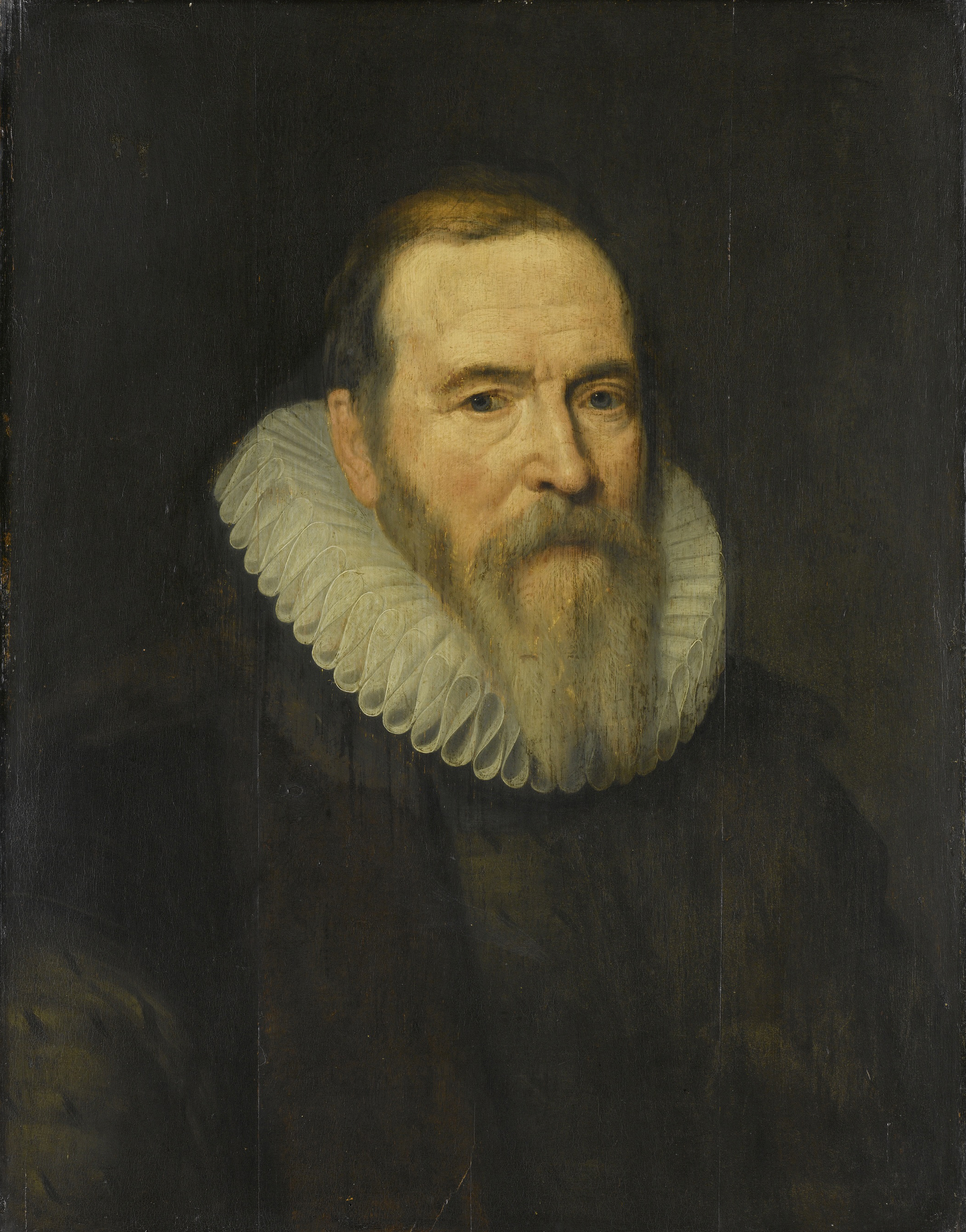
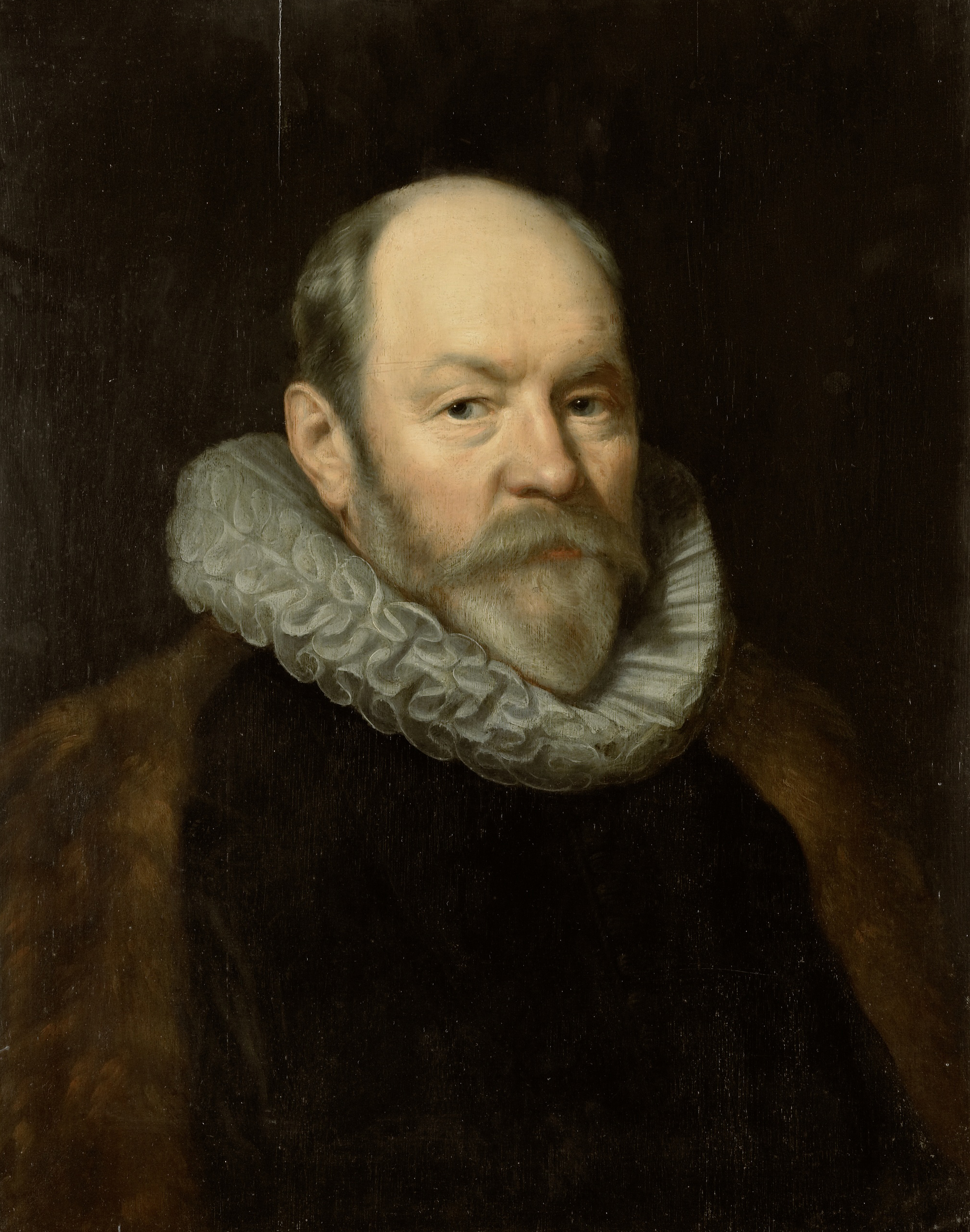
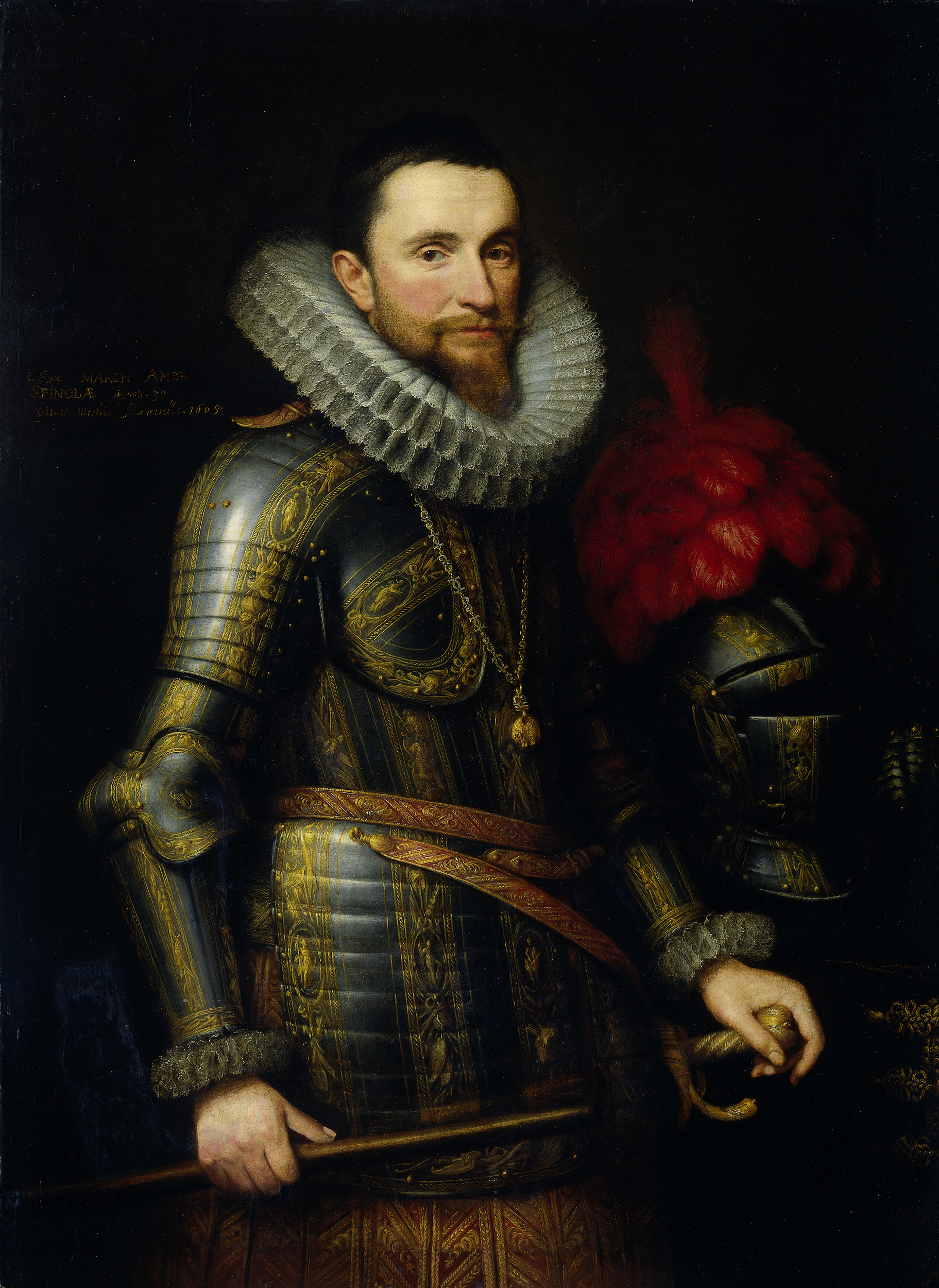
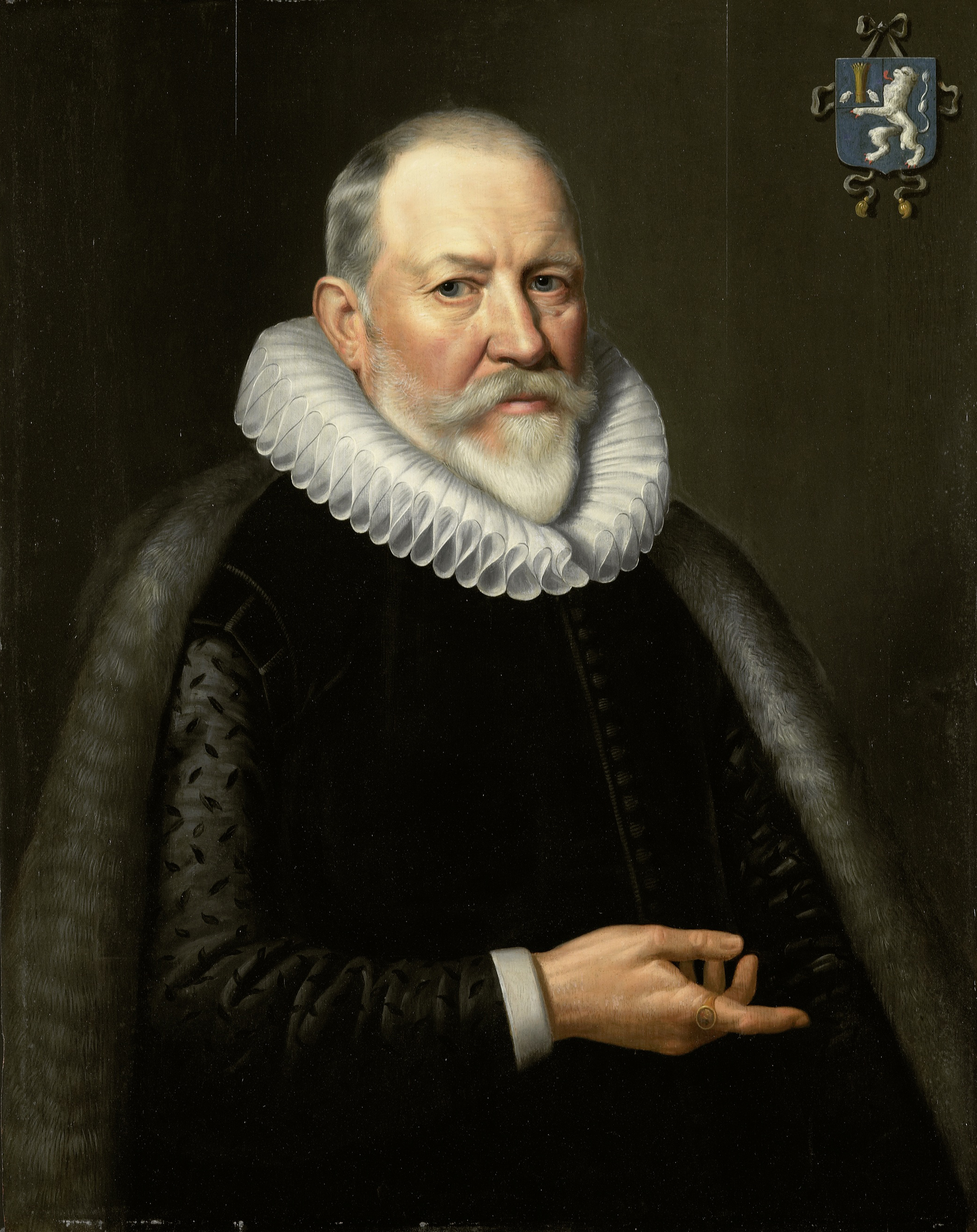
“Every brushstroke is a heartbeat remembered.” In the stillness of a painted moment, we find not just a portrait but the essence of a life captured on canvas. It invites us to ponder the weighty legacy of its subject, a thinker who reshaped the contours of law and philosophy. Look to the left, where the vibrant reds of Hugo de Groot’s cloak absorb light, eliciting a sense of power and authority. Notice how the artist meticulously rendered the intricate lace of his collar, each fold capturing the crispness of his stature.
The subtle play of shadows across de Groot’s face hints at a mind both contemplative and resolute, with his piercing gaze beckoning us to delve deeper into his thoughts. The background remains muted, allowing the figure to command the space, while the deep blues and browns frame him with a seriousness befitting his intellect. Within this composition lies a contrast between the richness of de Groot’s attire and the simplicity of his expression. The delicate balance between light and shadow conveys a duality—strength coupled with vulnerability.
Each detail, from the meticulously painted textures to the masterful use of color, serves as a dialogue between the artist and his subject, revealing a man not only of law but of philosophy, grappling with the very foundations of human governance and morality. In 1631, Michiel Jansz van Mierevelt painted this work in Delft, a period when the Netherlands was experiencing a cultural golden age. As a prominent portraitist, he captured the intellect and vitality of his era, often painting esteemed figures who influenced the arts and sciences. This particular piece reflects not just the personal significance of de Groot but also the broader intellectual currents swirling through Europe, where humanism and philosophical inquiry were beginning to redefine societal structures.