Portrait of Alid van der Laen (1542-1626) — History & Analysis
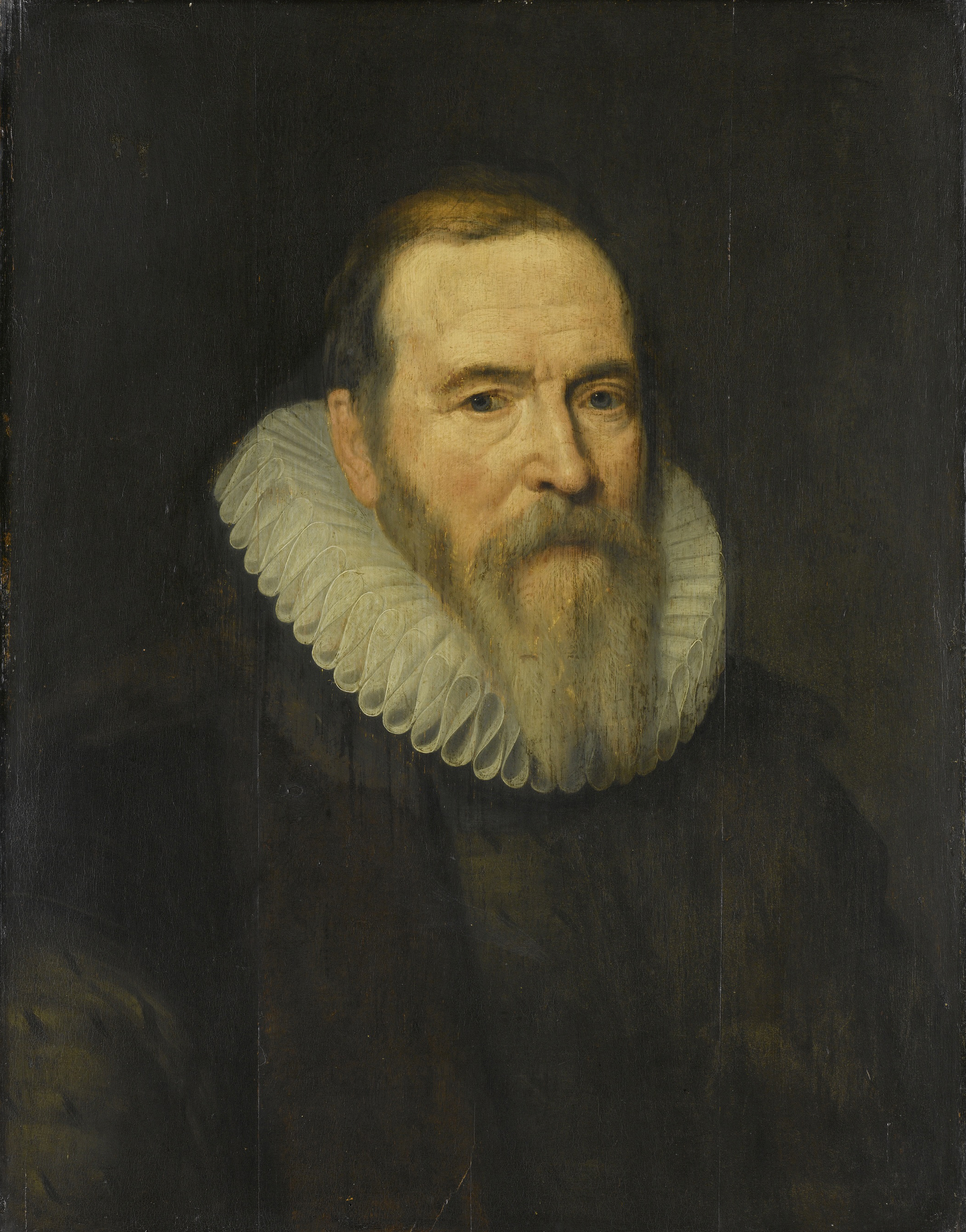
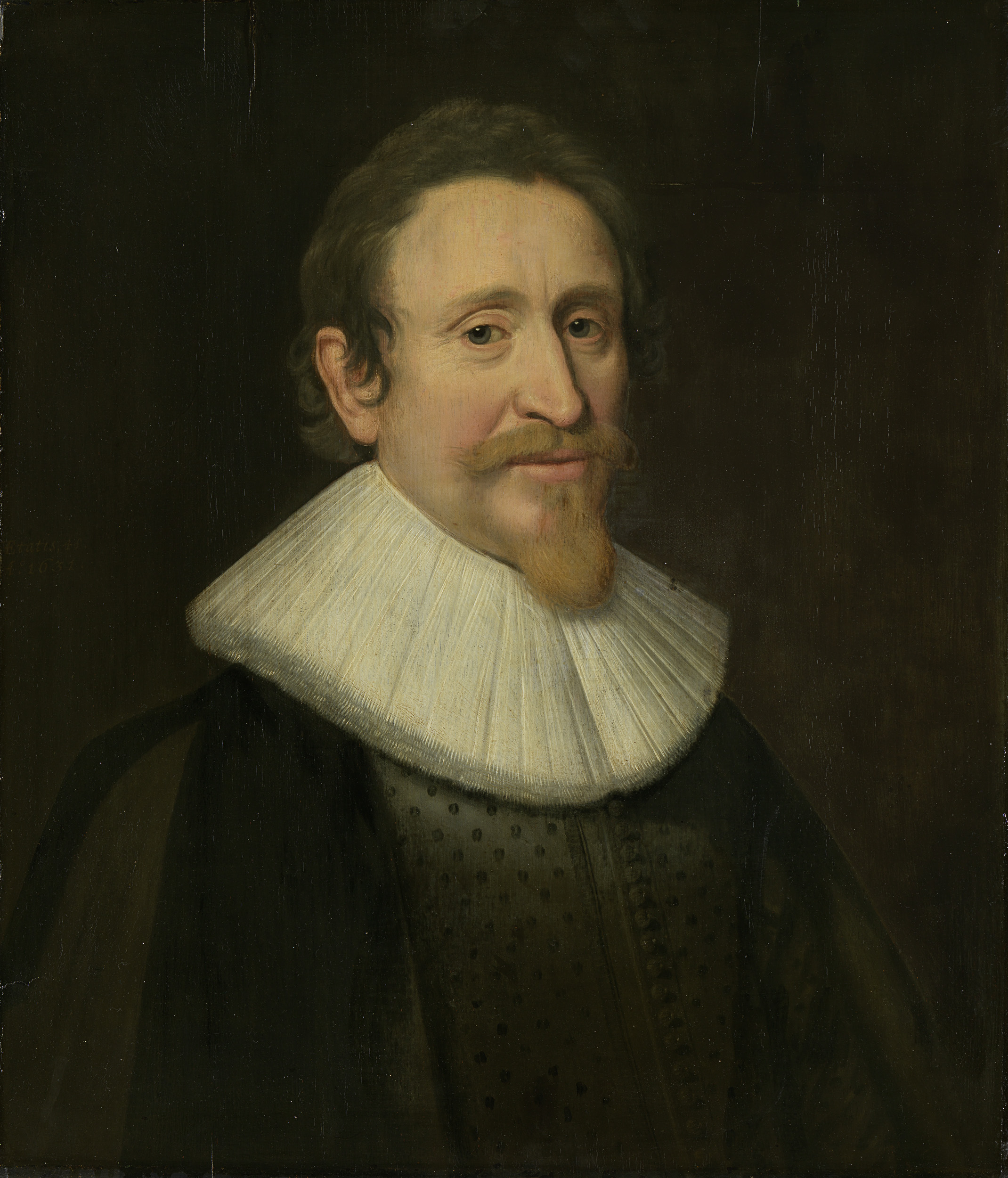
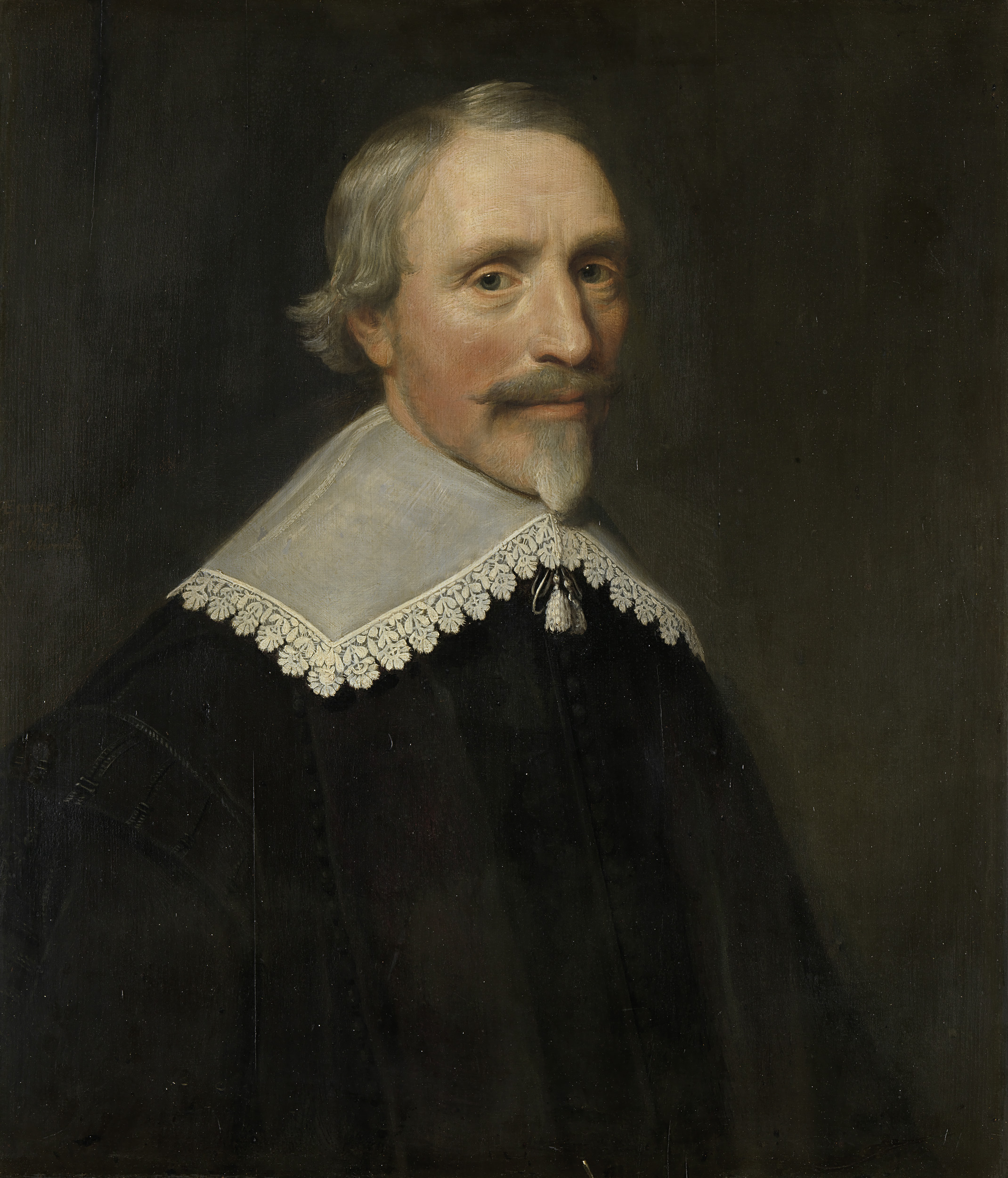
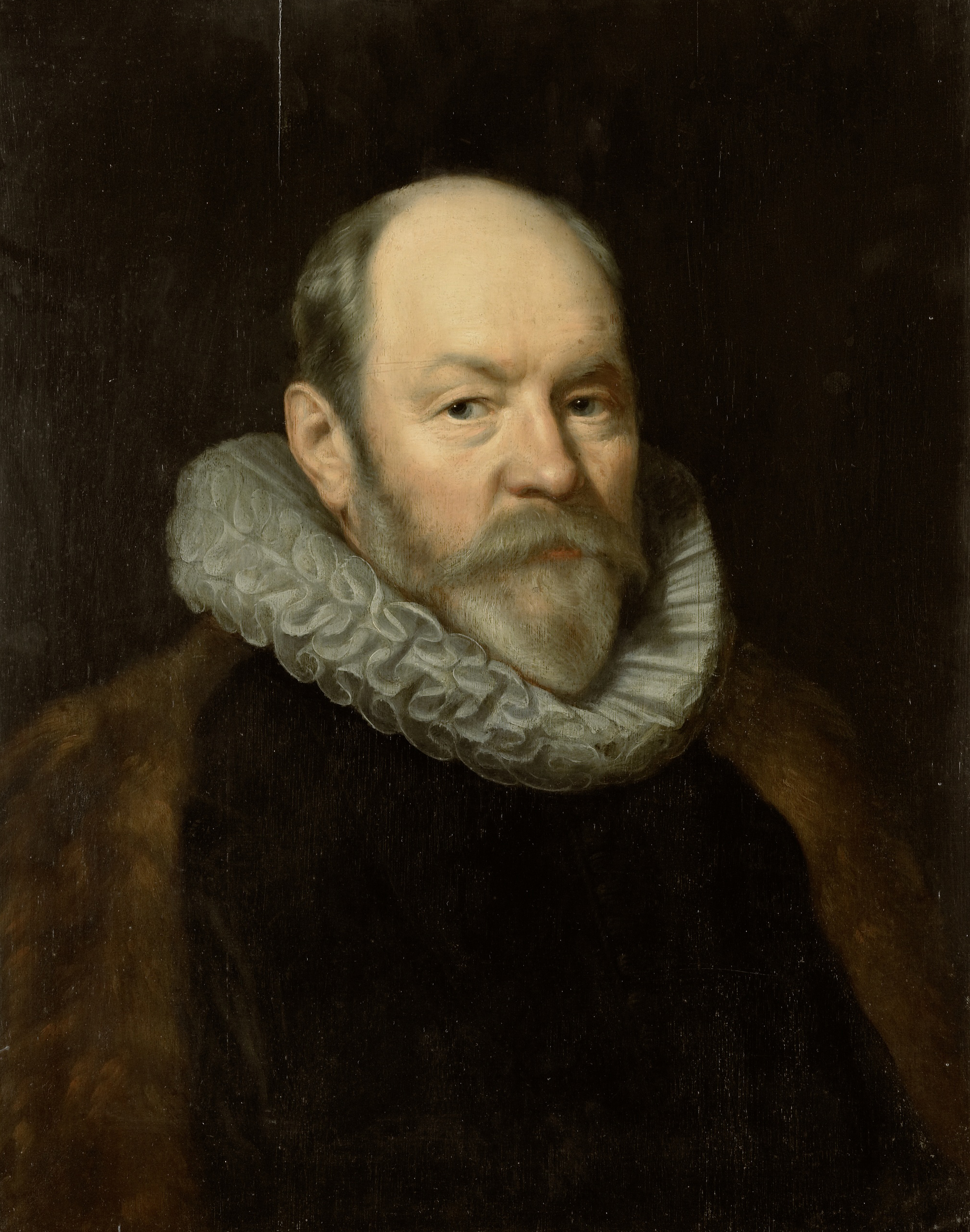
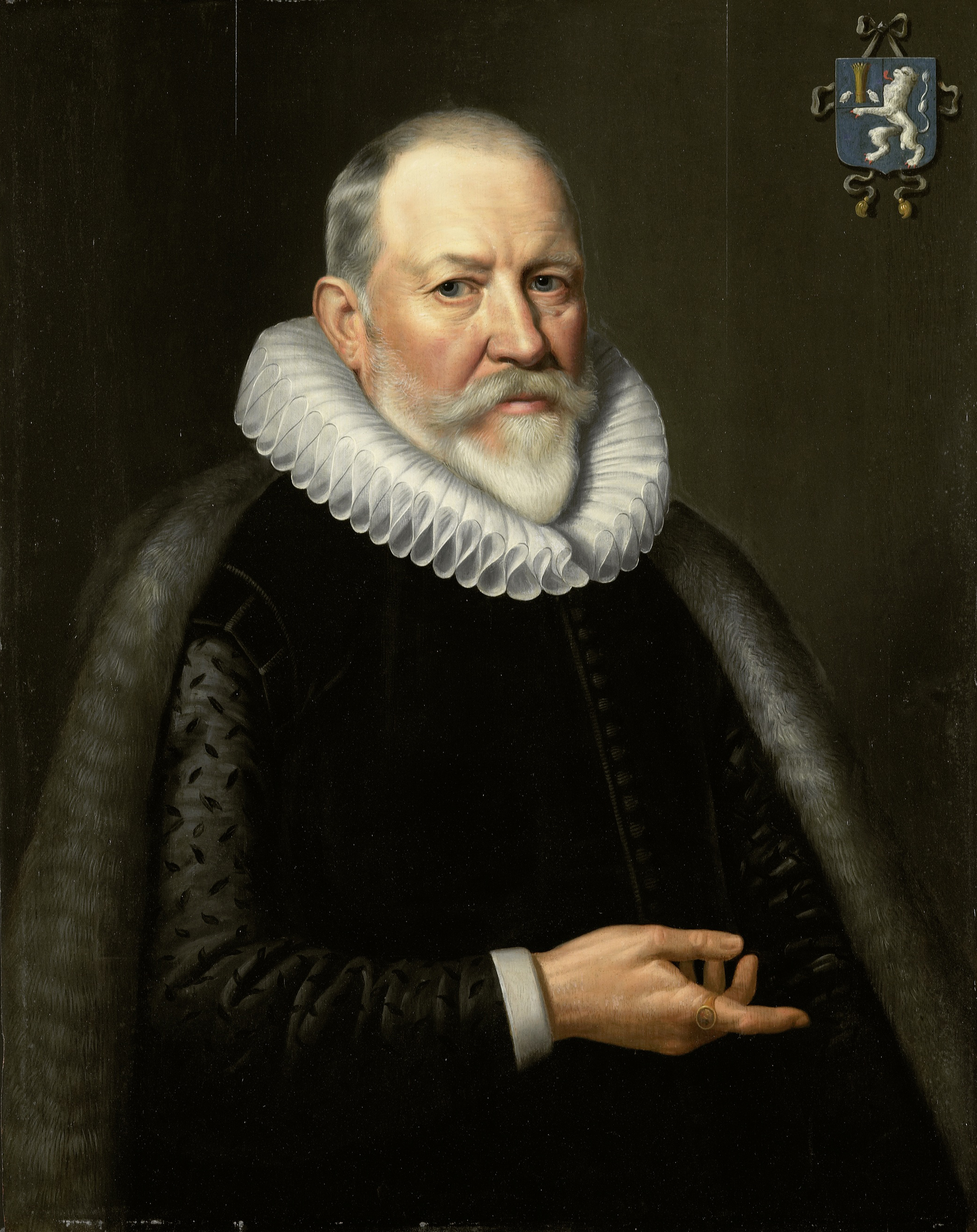
Is this a mirror — or a memory? The essence of identity dances between the layers of paint, beckoning viewers to explore the delicate interplay of presence and absence. Focus on the piercing gaze of Alid van der Laen, as it draws you into the depths of his character. His dark attire is set against a muted background, emphasizing the meticulous detail in his delicate features and the play of light across his face.
Notice the subtle glint in his eye, a reflection of both intellect and introspection, while the gentle brushstrokes evoke a sense of movement, as if he might step out of the frame at any moment. The contrasting textures in the fabric of his clothing, combined with the solid yet ethereal background, create a tension between the earthly and the ephemeral. The rigid posture suggests formality and status, yet the softness in his expression hints at the vulnerability beneath that facade. Each element, from the intricate lace at his collar to the quiet confidence in his stance, speaks to the multidimensionality of human experience, capturing the essence of both the individual and the collective memory.
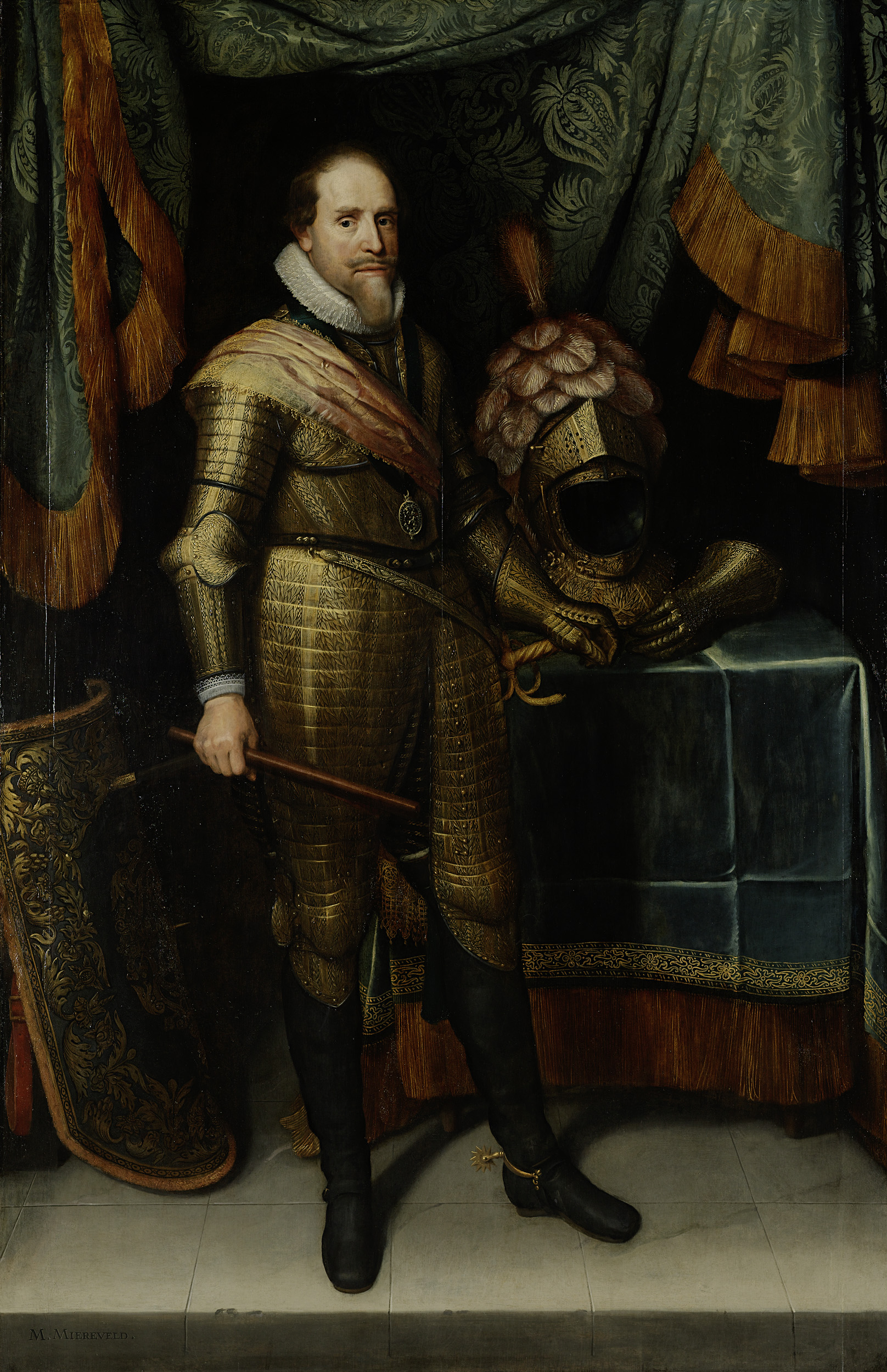
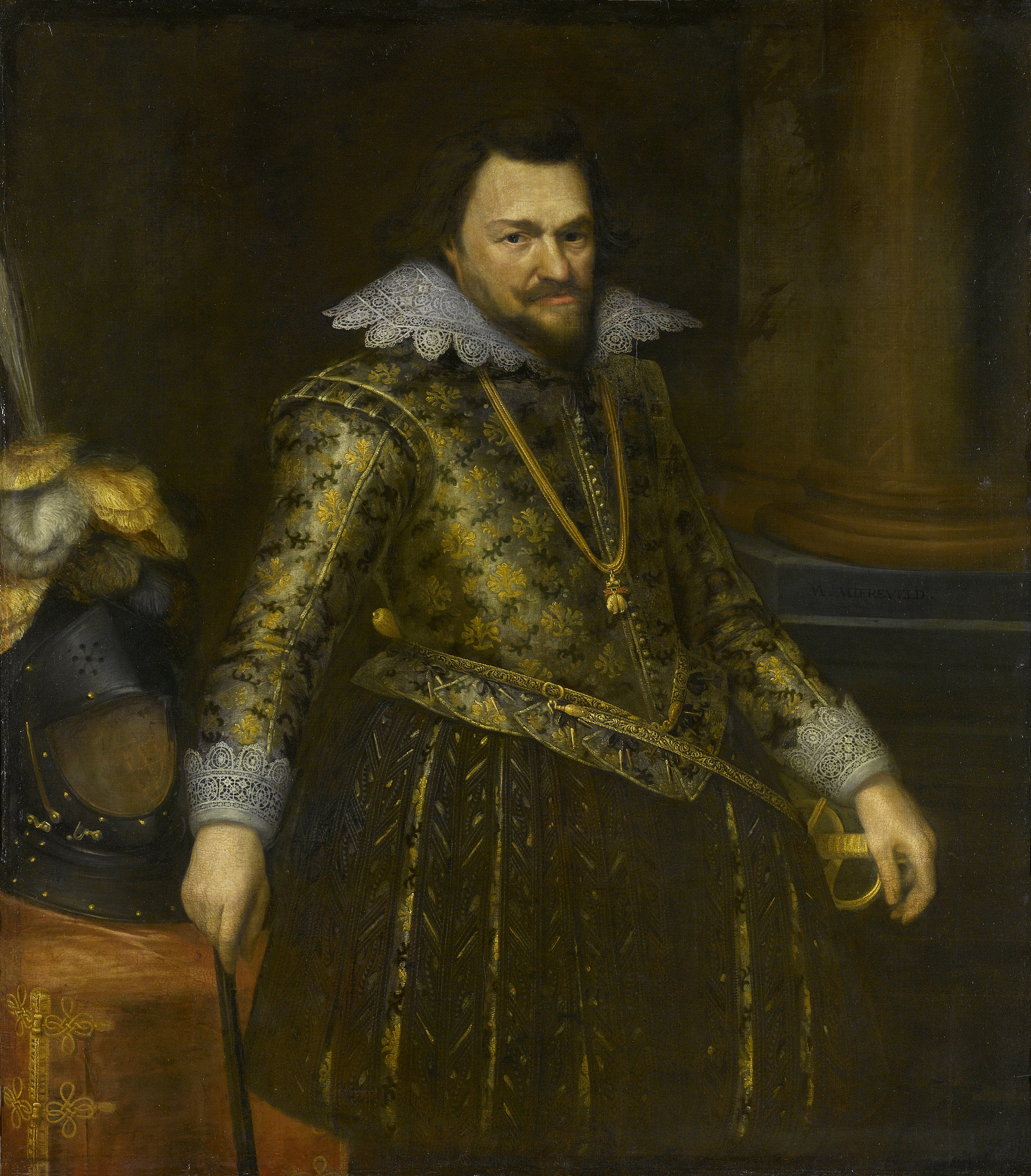
In the years following 1653, when this portrait was completed, the artist was deeply engaged in establishing his reputation as a leading portraitist in The Hague. During this period, Dutch art was experiencing a flourish, with a growing emphasis on realism and character study. Van Mierevelt's works, including this one, reflect the societal values of the time, encapsulating the complex interplay of status, identity, and personal history in an era rich with artistic innovation.