Portrait of Jacob Cats (1577-1660) — History & Analysis
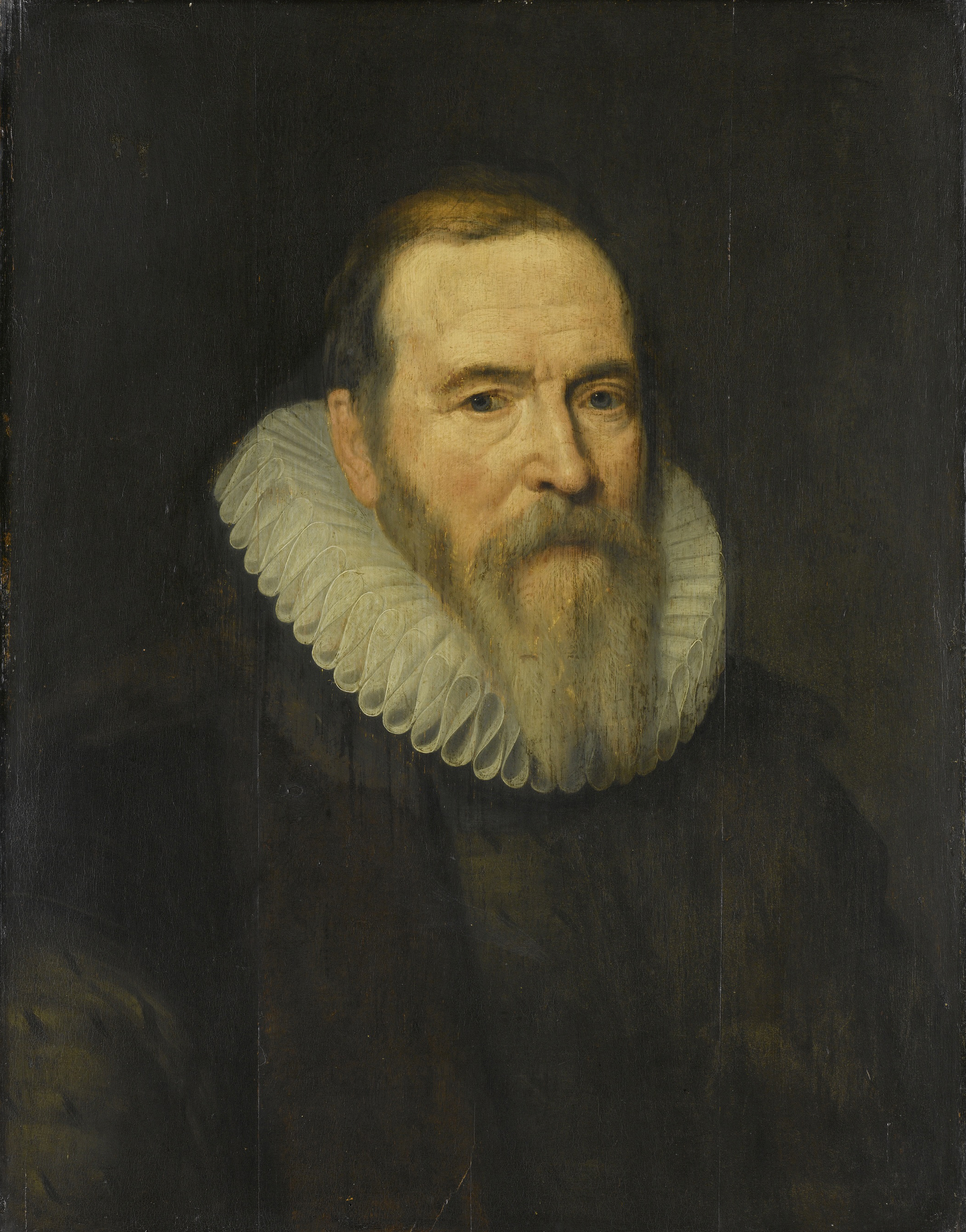
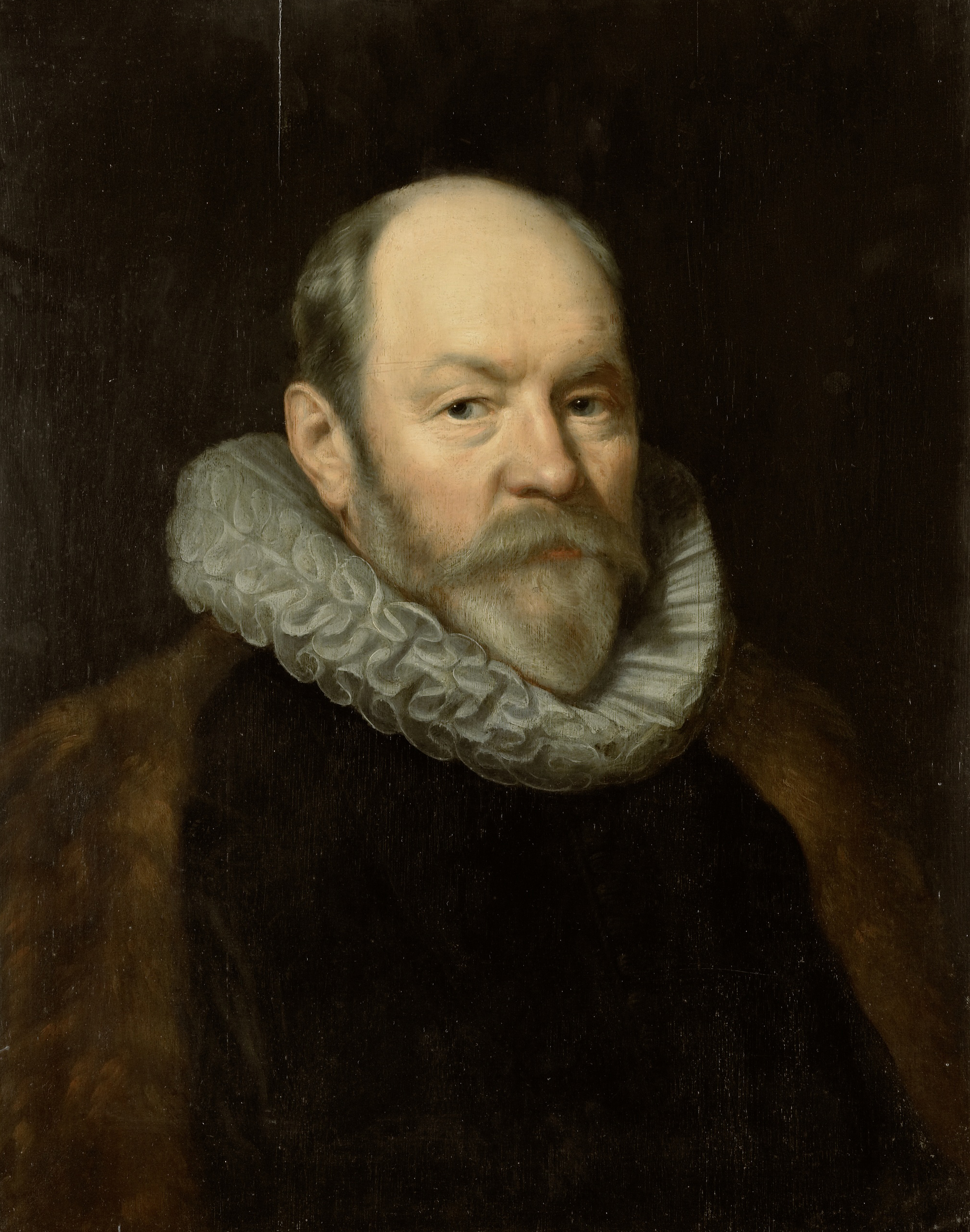
Where does light end, and longing begin? In the quiet depths of the human gaze lies an entire universe of emotions waiting to unfold. Look closely at the figure on the canvas: a man clad in dark, somber attire, with a white ruff framing his face like a delicate halo. Your eyes are immediately drawn to his penetrating gaze, which conveys both wisdom and a subtle hint of melancholy.
The soft, diffused light accentuates the contours of his features, revealing not just his physical presence, but also the weight of his experiences. The rich, muted palette of earthy tones envelops the subject, creating an intimate atmosphere that invites contemplation. Hidden meanings emerge in the interplay between light and shadow; the highlights on his forehead suggest insight, while the shaded areas around his eyes whisper of unfulfilled desires and the passage of time. Consider the way the fabric of his clothing falls; it drapes not just as a material but as a metaphor for the burden of his thoughts.
Each brushstroke speaks volumes, hinting at a story of loss intertwined with the human condition—an exploration of identity shaped by the echoes of history. In 1639, the artist found himself in Delft, a city that thrived with artistic innovation yet was also grappling with its own existential questions. During this period, he was esteemed for his portraits, capturing the likenesses of prominent figures. The art world was transitioning, and as he painted, he too was reflecting the evolving nature of human expression, where loss and longing began to resonate deeply within society's consciousness.