Prague, a Steamboat on the River Vltava in front of Palacky Bridge — History & Analysis
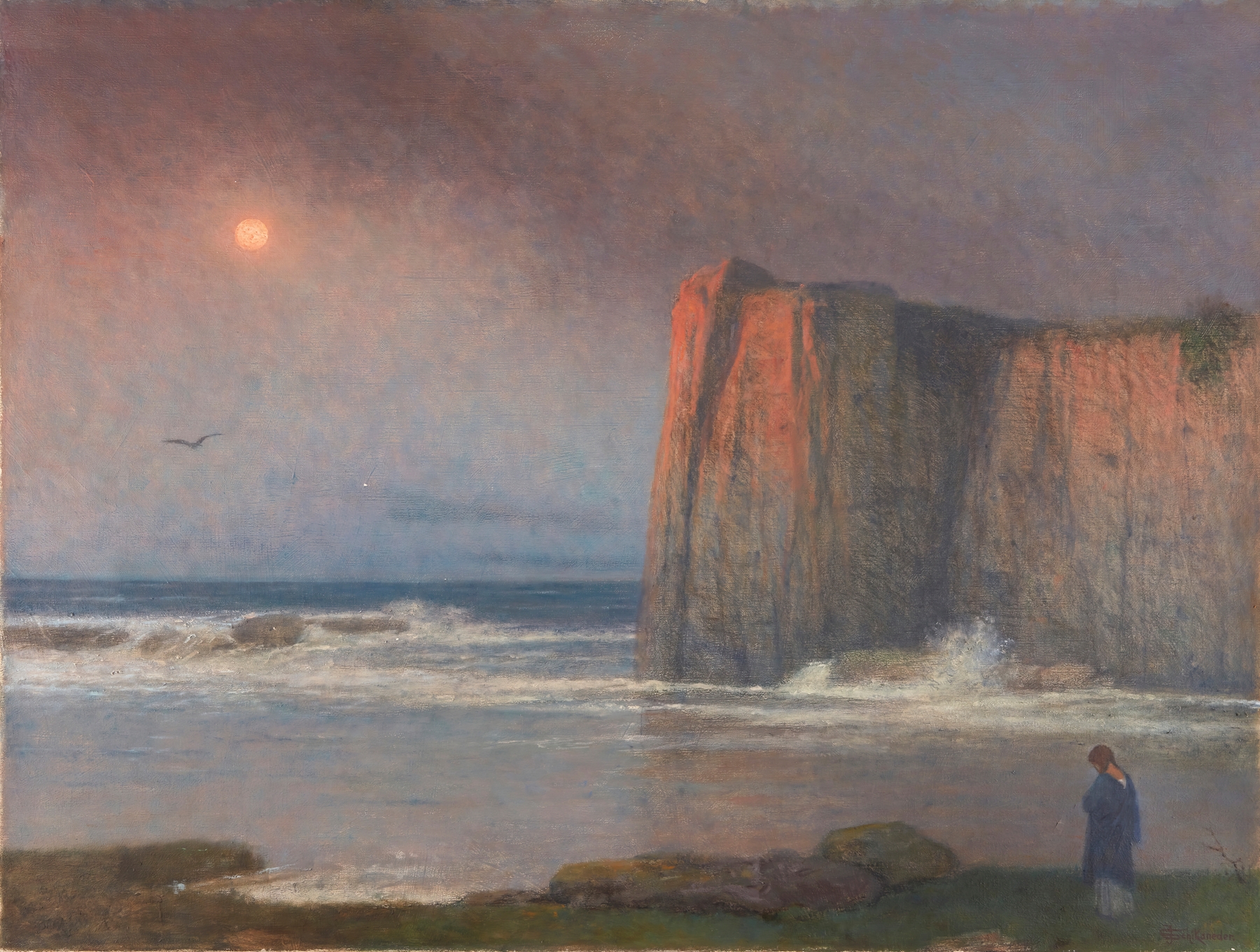
What if beauty was never meant to be finished? In that fleeting moment between dusk and night, the void of the unknown swells with the promise of all that lies ahead. Look to the left at the delicate silhouette of the steamboat, its smoke curling gracefully toward the twilight sky, creating an ethereal contrast against the soft blues and purples of the evening. Notice how the water reflects these colors, rippling with hints of gold from the setting sun, while the Palacky Bridge looms in the background, its arch echoing the tranquility of the scene.
The careful brushstrokes breathe life into the stillness, inviting the viewer to linger in the calm before the chaos of reality. Yet, amid this serene beauty, there exists a palpable tension—the juxtaposition of man-made and nature, of presence and absence. The steamboat, a symbol of progress, suggests movement and adventure, while the tranquil river embodies the relentless march of time, nurturing both promise and void.
The slight haze enveloping the scene hints at the uncertainty lurking just beyond the horizon, urging us to confront our own fears of emptiness and the unknown. In the years surrounding this painting, the artist was deeply immersed in the rich life of Prague, inspired by the evolving cityscape and its melding of tradition and modernity. Created between 1910 and 1920, this period was marked by upheaval and change, both in Schikaneder's personal life and the broader artistic community, as new movements began to challenge classical forms, much like the steamboat challenging the calm of the river.