The Calm Sea, Nocturne — History & Analysis
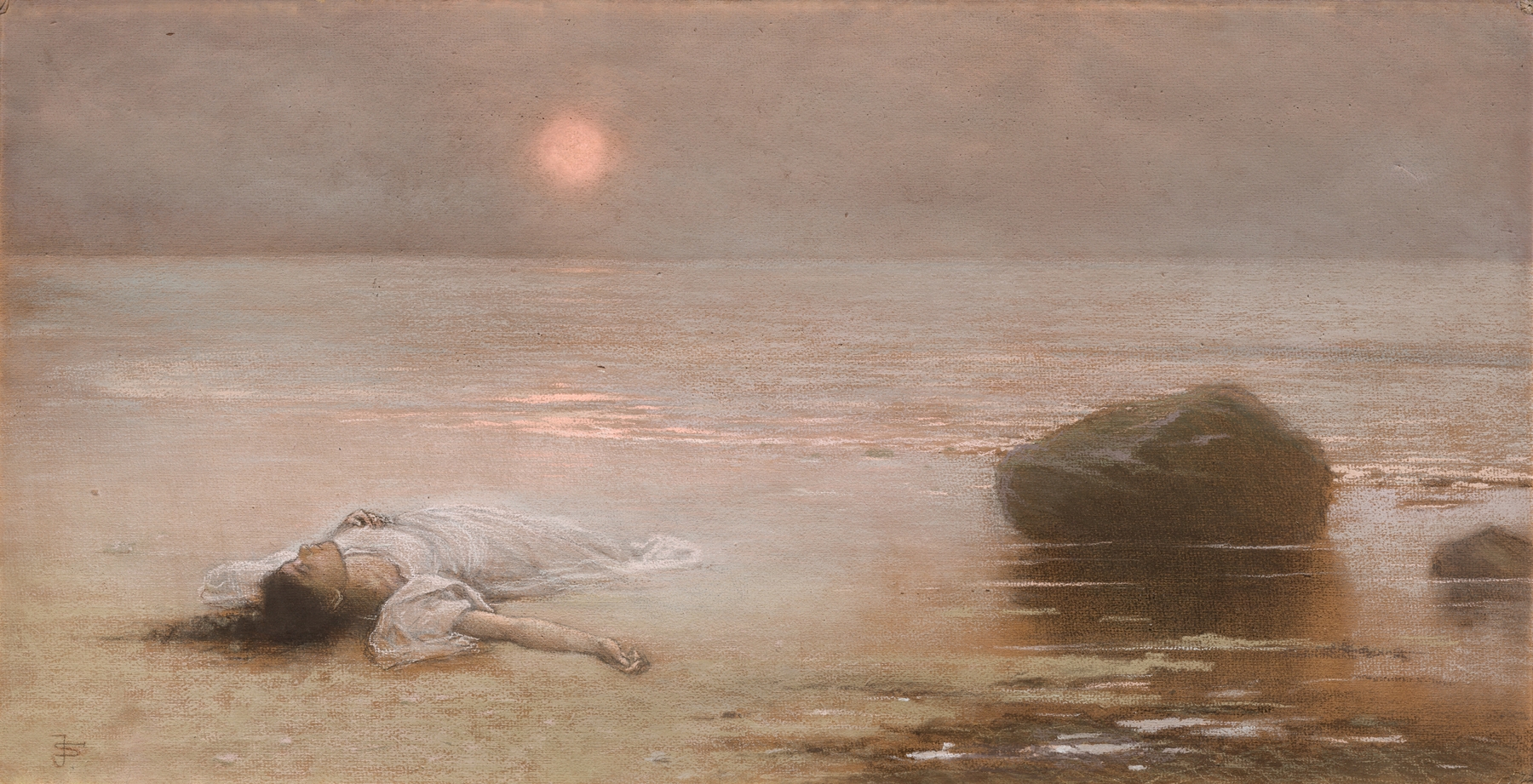
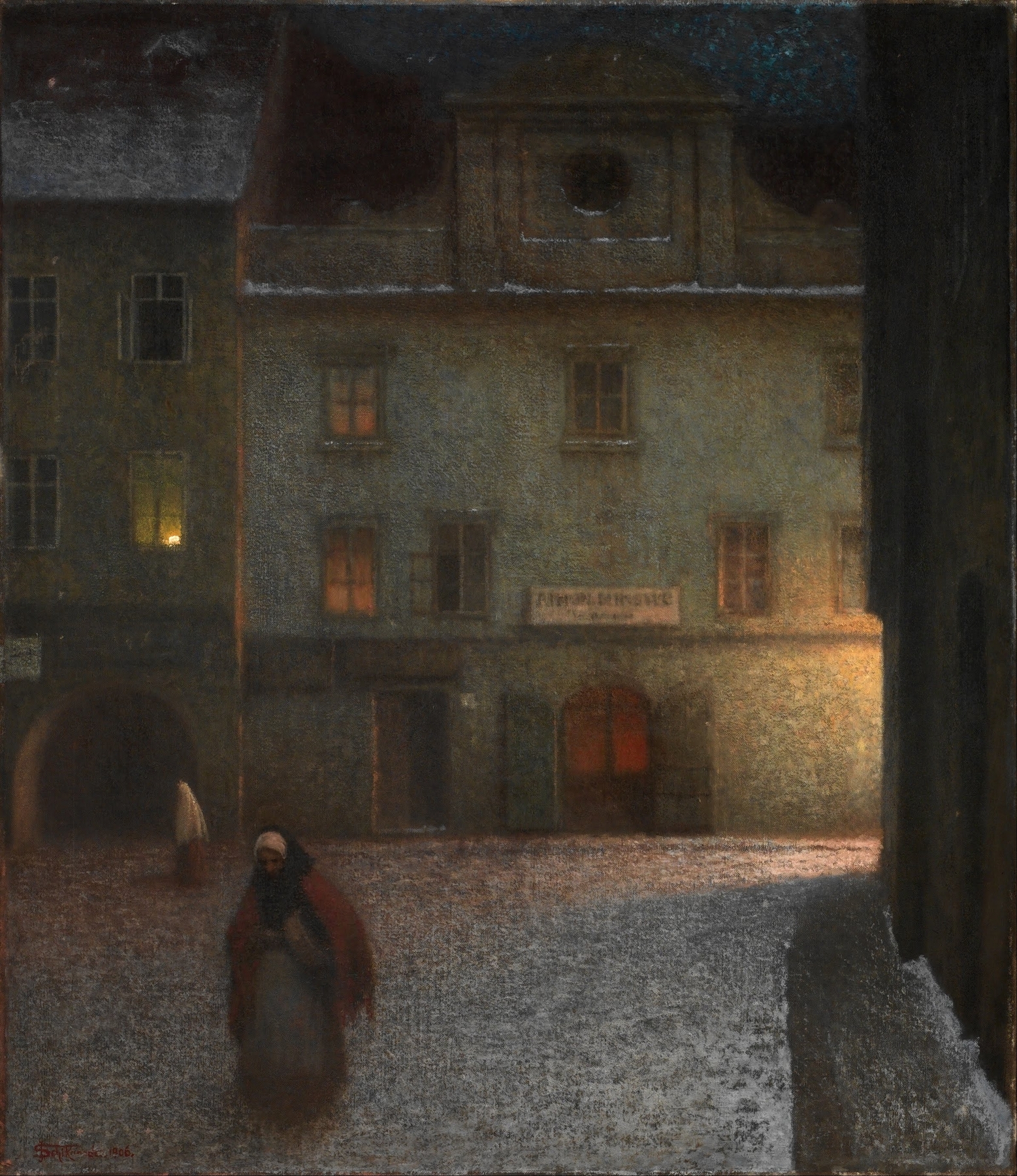
“The canvas doesn’t lie — it simply waits.” Beneath the surface of tranquility lies a world brimming with hidden truths and revelations waiting to emerge. Look closely at the shimmering expanse of water in this nocturne. Notice how the deep blues and silvery whites intermingle, creating a sense of depth that draws you in. The horizon softly blurs with the interplay of light and shadow, inviting your gaze to wander across the canvas's surface.
Observe the gentle ripples that suggest a quiet movement, almost a sigh, as if the sea is holding its breath in anticipation. This serene landscape is not merely decorative; it embodies a tension between stillness and the unspoken. The purity of the night sky contrasts with the complexity of the water below, hinting at deeper emotional currents. Look for the faint reflections of stars that flicker upon the sea, evoking symbols of hope or lost dreams.
In the calmness, there is an undercurrent of solitude, a reminder that peace often conceals untold stories. During the years 1920-1924, Schikaneder painted The Calm Sea, Nocturne amidst a shifting art world characterized by the rise of modernism and a growing interest in emotional expression. Working in Prague, he navigated his own evolving relationship with art as he sought to capture the complexities of human emotion through landscapes. This piece reflects not only his skill in color and composition but also the broader artistic dialogue of his time, where the exploration of inner worlds became increasingly significant.