Utonulá — History & Analysis
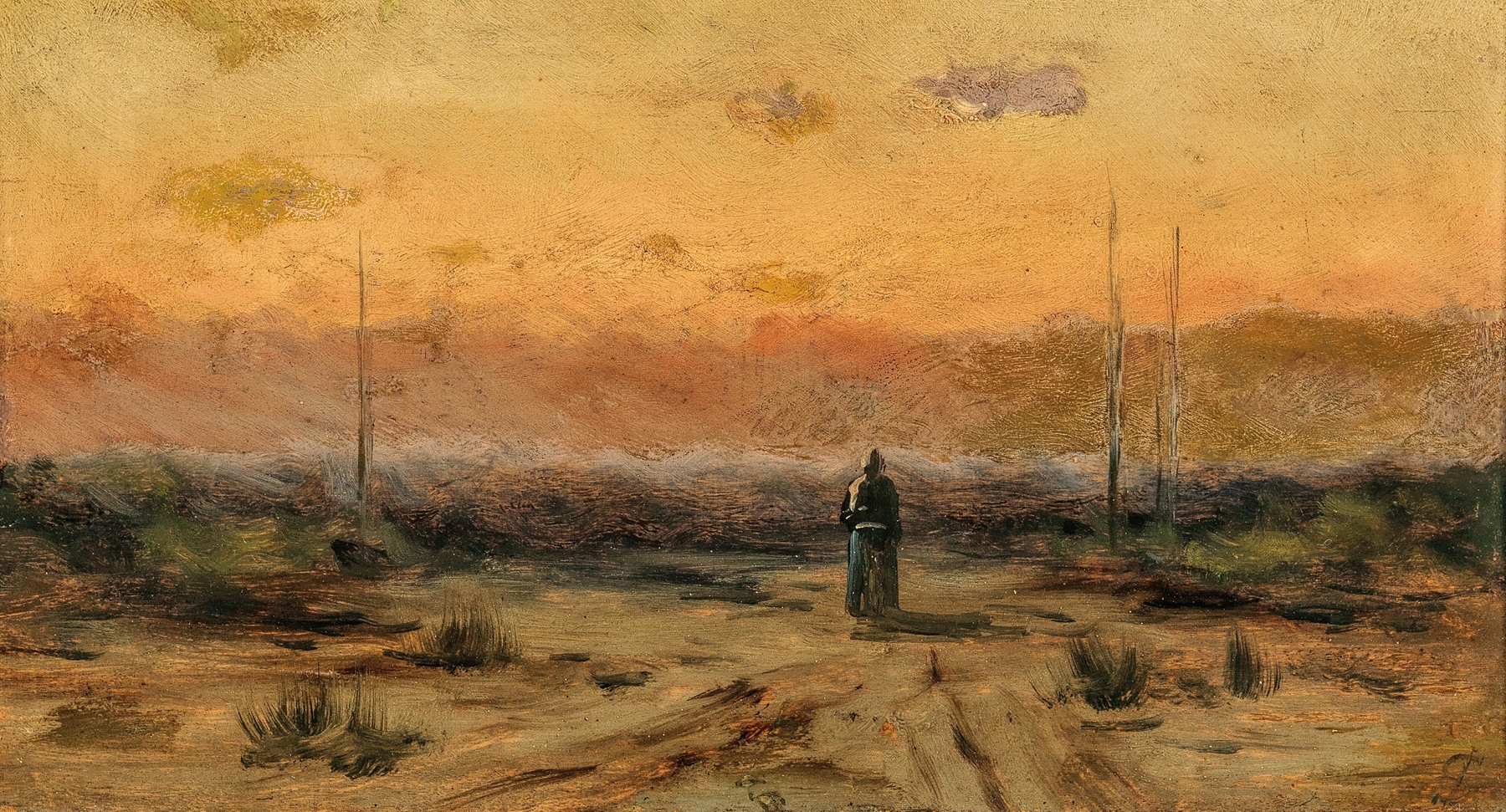
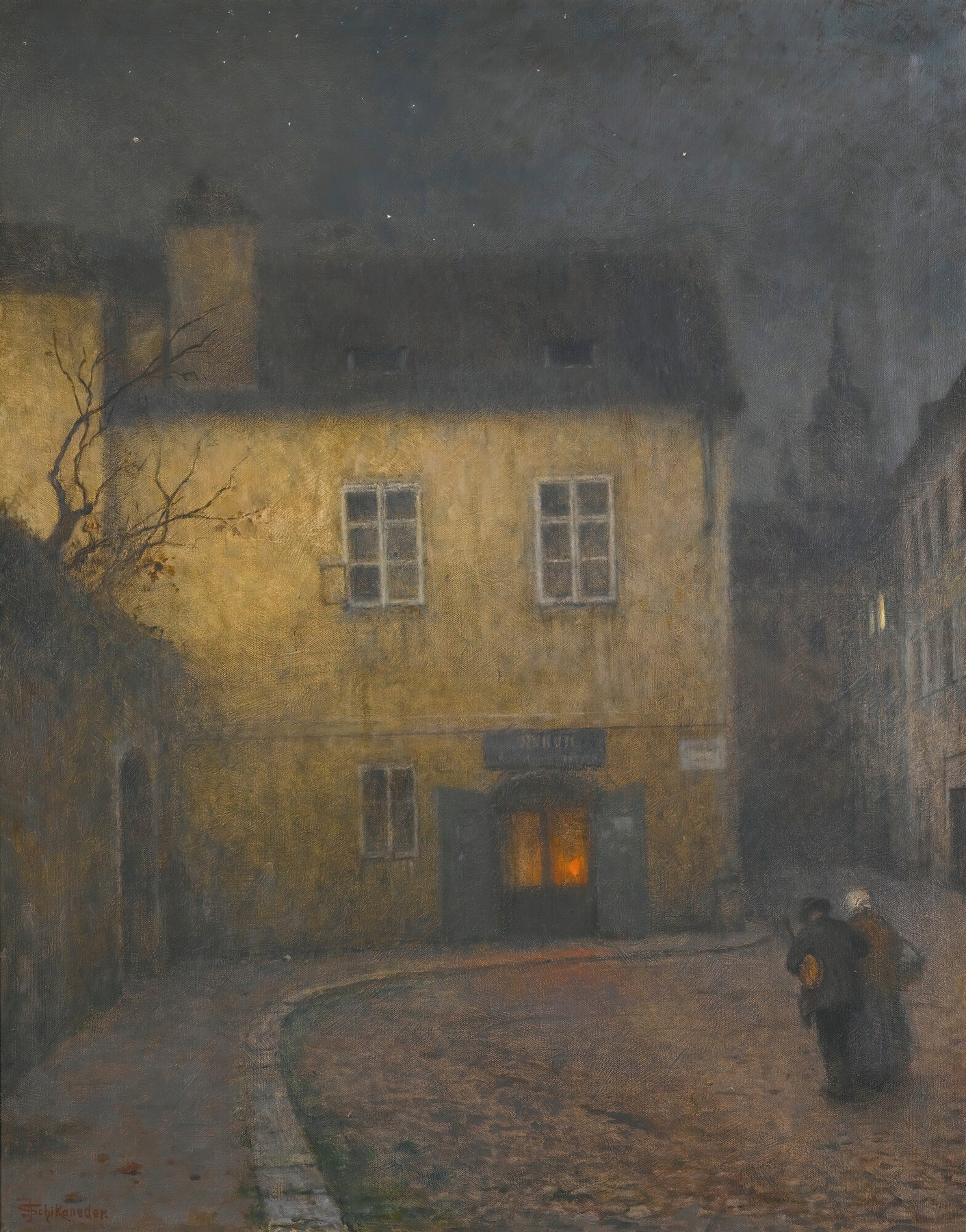
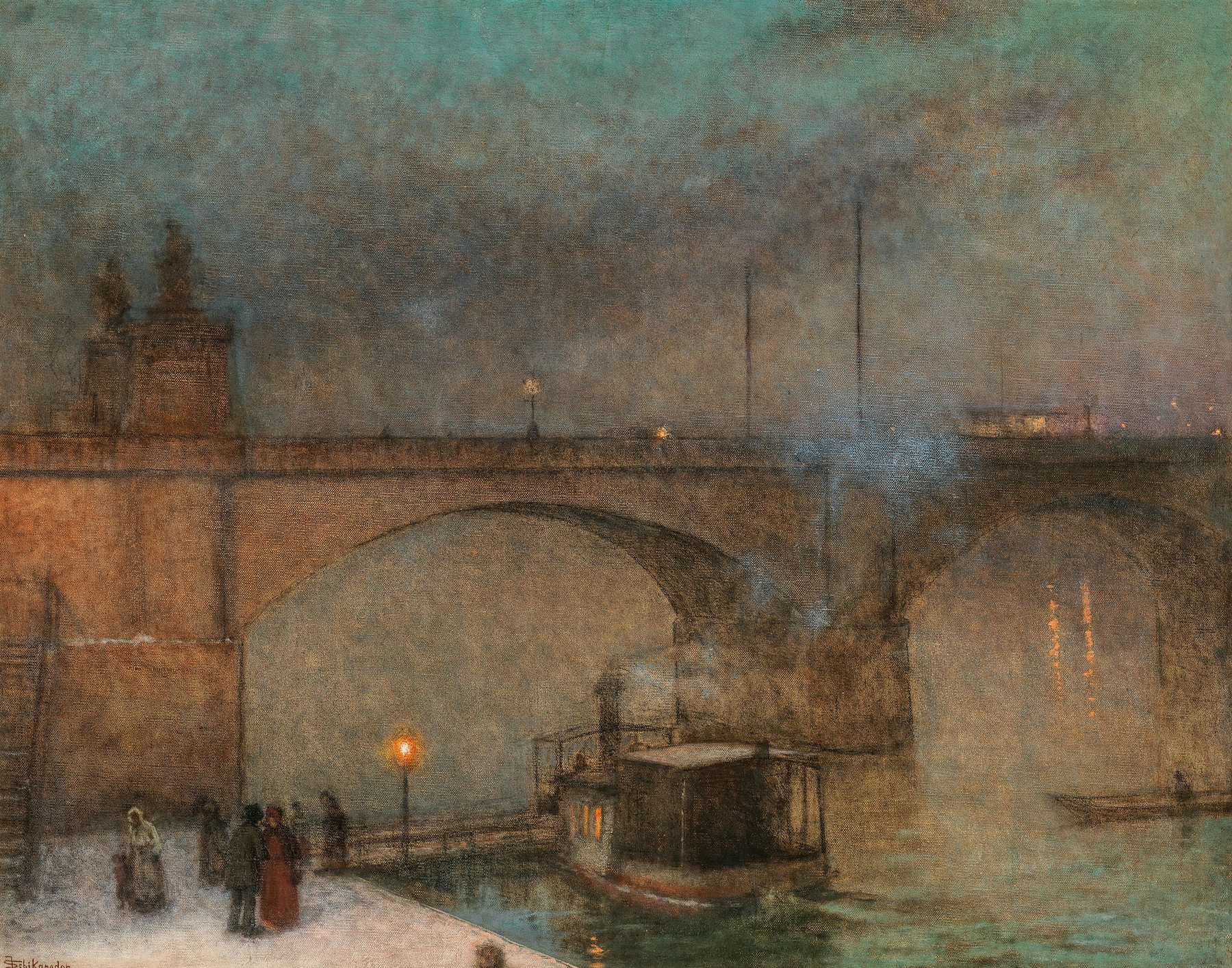
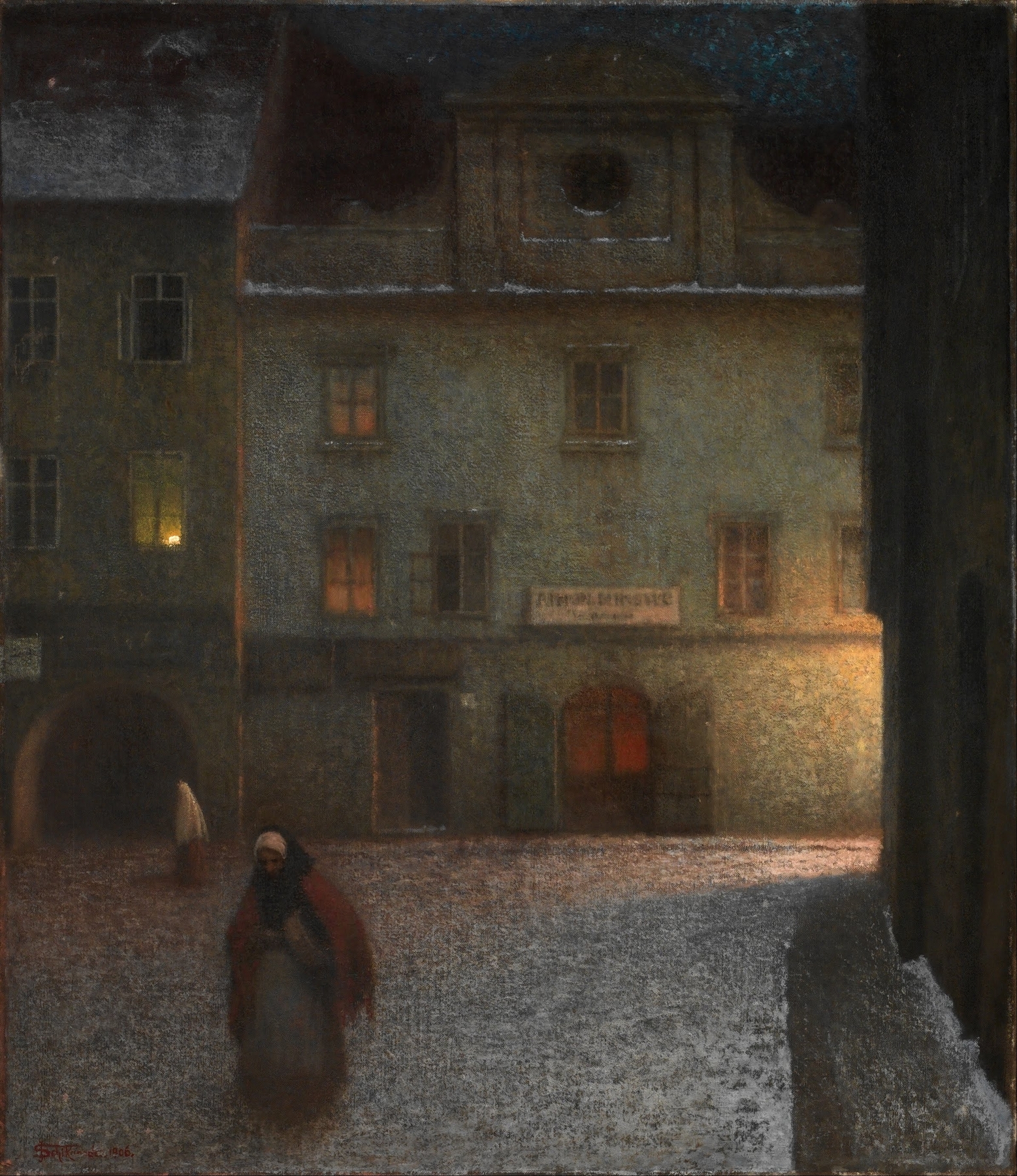
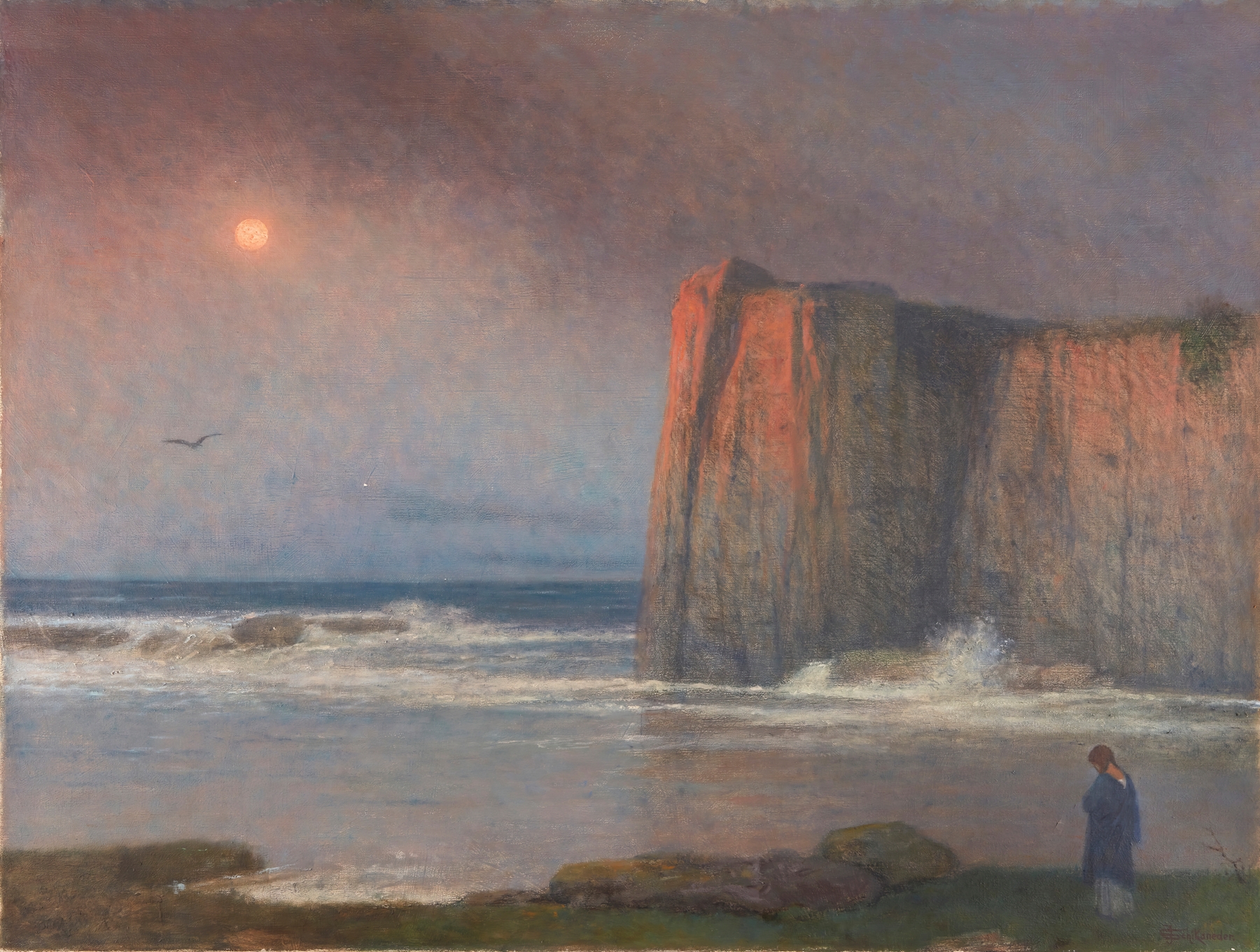
What if silence could speak through light? In the stillness of a winter's afternoon, a solitary figure stands at the edge of a frozen lake, enshrouded in a palpable sense of grief. The icy landscape is muted, the sky a soft, overcast gray, with a faint shimmer of light casting an ethereal glow on the surface of the snow. Here, the absence of sound is accentuated, as if the very air is weighted by the sorrow etched into the figure's posture. Look closely at the figure, draped in dark clothing that contrasts sharply against the pristine white snow.
The heavy folds of the fabric echo the weight of unspoken emotions, while a delicate touch of color in the horizon hints at a flickering hope. Notice how the artist employs a soft brushstroke technique to create a subtle blend of tones, evoking both the chill of winter and the warmth of memory. Each brushstroke draws attention to the isolation of the figure, inviting viewers to contemplate the depth of their solitude. Amidst the vast landscape, the juxtaposition of stark white and somber gray evokes a bittersweet tension. The coldness of the surroundings reflects the internal struggle of the figure, embodying loss and longing.
The flicker of light in the distance serves as a poignant reminder of what has been lost, as well as a glimmer of possibility amid despair. This interplay of light and shadow encapsulates the complexity of grief, where moments of brightness are often intertwined with profound sorrow. In 1893, Jakub Schikaneder painted Utonulá during a time when he was immersed in the exploration of human emotions against atmospheric backdrops. Living in Prague, amidst the rise of modernist movements, he sought to capture the inner lives of individuals through nuanced scenes. This particular work encapsulates the essence of mourning, reflecting both the artist's personal experiences and the broader societal sentiments surrounding loss during that era.